In the early 1990s, a visionary council planning officer called Geoff Cartwright had an ingenious idea. Residents living near Wadsley and Loxley Common, then entirely maintained by the council, loved their local green space. Indeed John Robinson, who is now 76 but moved to the area with his young family in 1980, tells me discovering it “on his doorstep” was a “revelation”. Perhaps foreseeing that one day council budgets would be stretched as perilously thin as they are today, Cartwright wondered if residents’ collective devotion — for Wadsley and Loxley Common, but also for a number of other green spaces around the city — could be channeled into something concrete.
Thus, in 1993, the Wadsley and Loxley Commoners was born, a group of local volunteers who took on some of the council’s responsibilities caring for and protecting the area. While groups like it had existed in the city before — usually styling themselves as the “Friends of” whatever space they helped maintain — the Commoners was part of a massive proliferation of new groups which Cartwright helped nurture into existence. John recalls that initially people balked at doing what they believed should be “the council’s job” but, eventually, a handful of people put their names forward. At their first meeting at the Horse and Jockey pub on Wadsley Lane that November, John was talked into becoming their founding chairman.
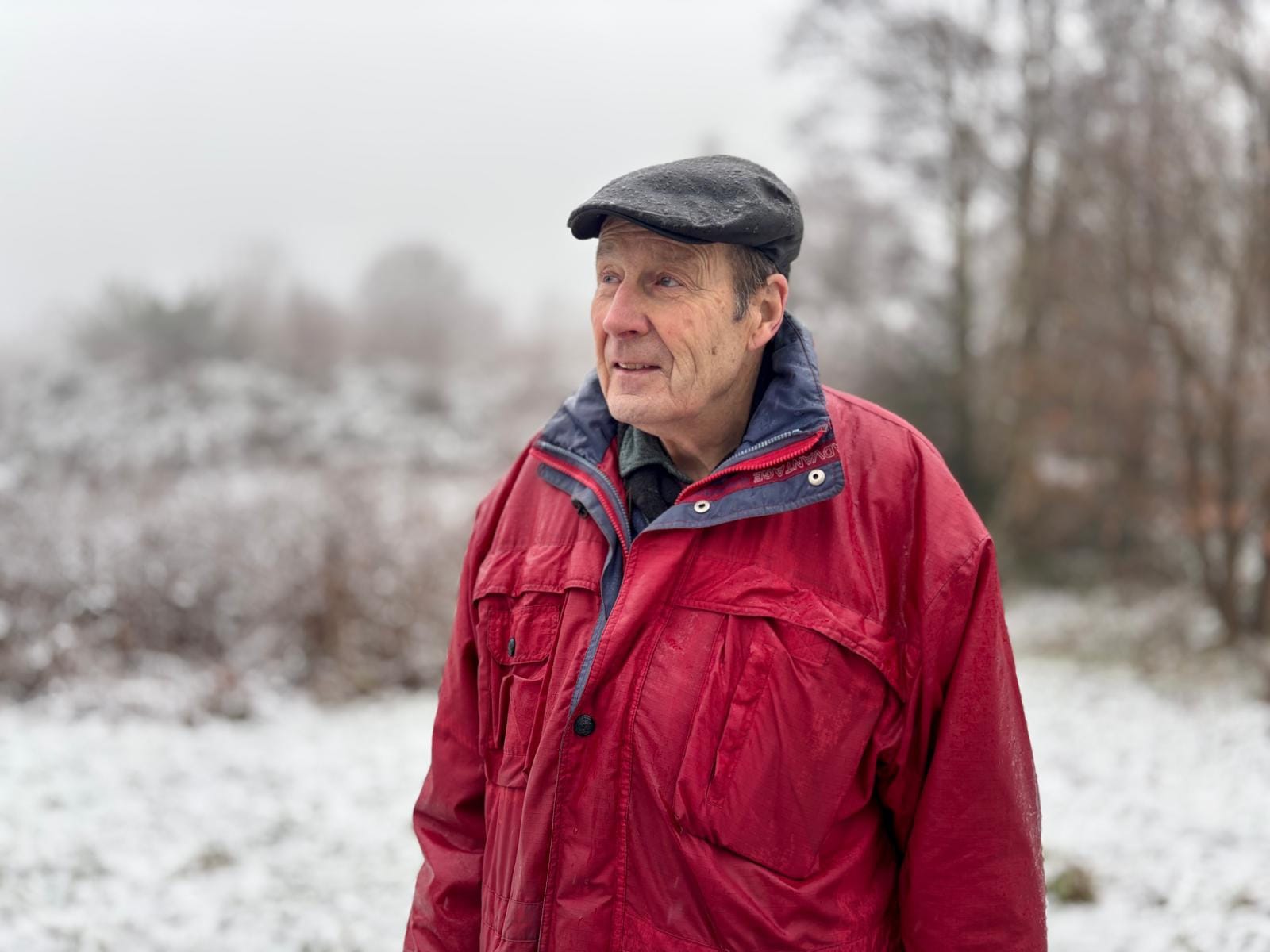
“It was quite daunting getting it off the ground from scratch; I remember walking out of the pub thinking: 'where do we start?',” he tells me as we trudge through a thin blanket of snow that has settled over the common. Excited dogs bound out of the mist towards us, splashing slush and freezing cold water everywhere. “But I’m so proud of what we’ve achieved,” he adds. “I now wonder what the common would look like without us.”
If the number of friends groups can be considered a measure of a city’s collective bonhomie, then the rampant success of this model in Sheffield suggests we’re England’s friendliest city. A page on the council’s website reveals a (non-exhaustive) list of such groups, ranging from well-known squads like the Friends of the Botanical Gardens and the Friends of Ecclesall Woods, to lesser-known outfits like the Friends of Tongue Gutter and the Friends of the Crags (Parson Cross and Frecheville, in case you were wondering). As I scroll down the list, they cover almost every letter of the alphabet, from Friends of Abbeyfield Park in Pitsmoor to the Friends of Zion Graveyard in Attercliffe.
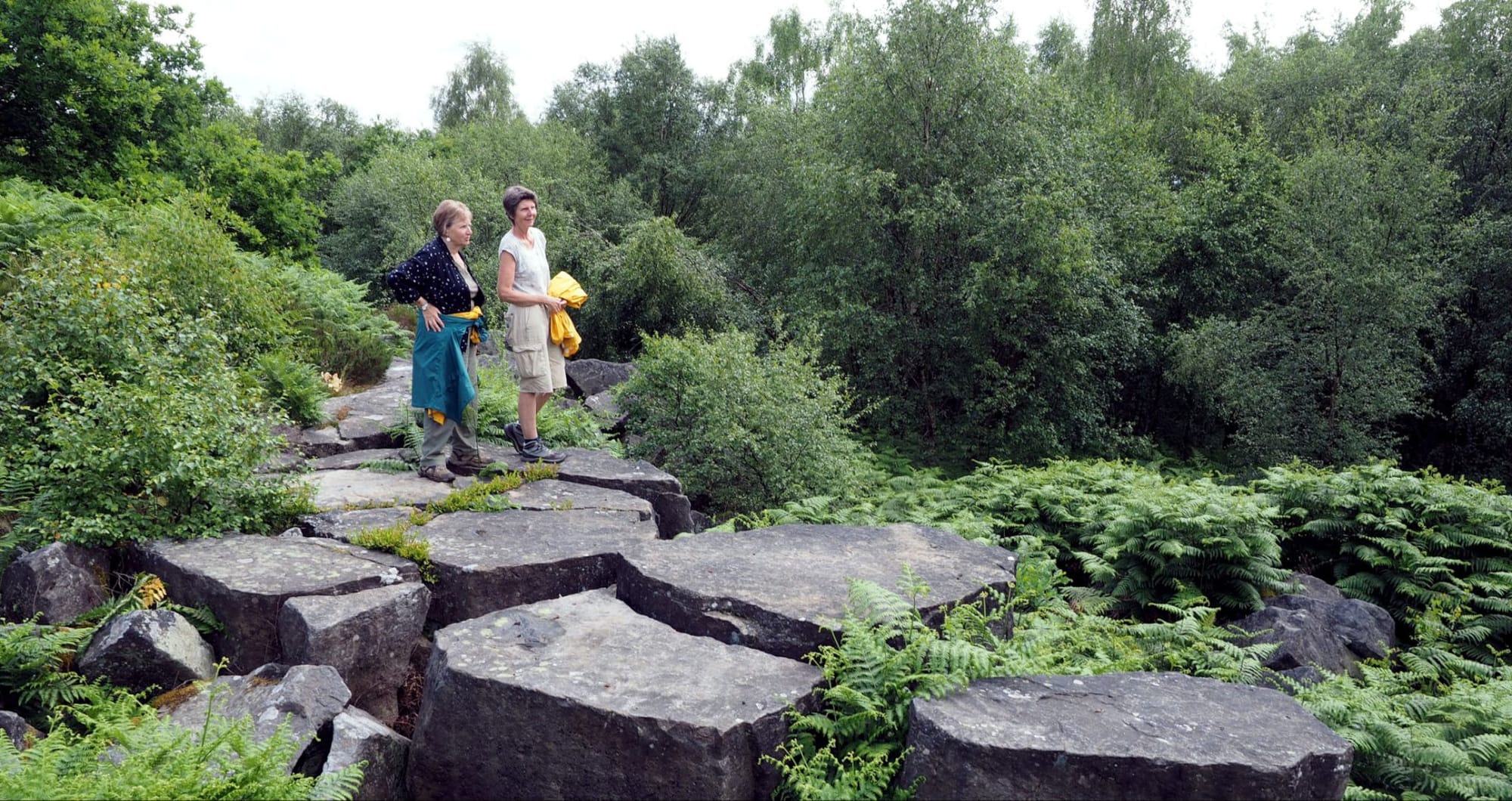
According to a survey of the groups recently compiled by Sheffield council, our city has more than pretty much anywhere else in the country — and not just by a small margin. At a recent council meeting, the authority’s partnership manager for parks and countryside Laura Alston revealed that Sheffield has an astonishing 249 organisations of this kind, far more than in other comparable cities. In Nottingham, there are just five. In Birmingham, a local authority with almost double the population of Sheffield, there are 40. The only UK city which can boast more groups like this than Sheffield is London, a city of nine million people, which has (a proportionately mean-spirited) 600.
But the council’s survey didn’t just tally the groups, it also asked how much volunteering their members actually did. While only 48 groups responded to this question, they estimated their members had completed a cumulative 116,754 hours of work this year — which, if they were being paid the minimum wage, would have cost the council £1,425,566 in salaries. Given this figure comes from less than 20% of groups who responded, the true figure is probably much higher. Alston believes that the power of friendship saves the council well over £2 million pounds a year.
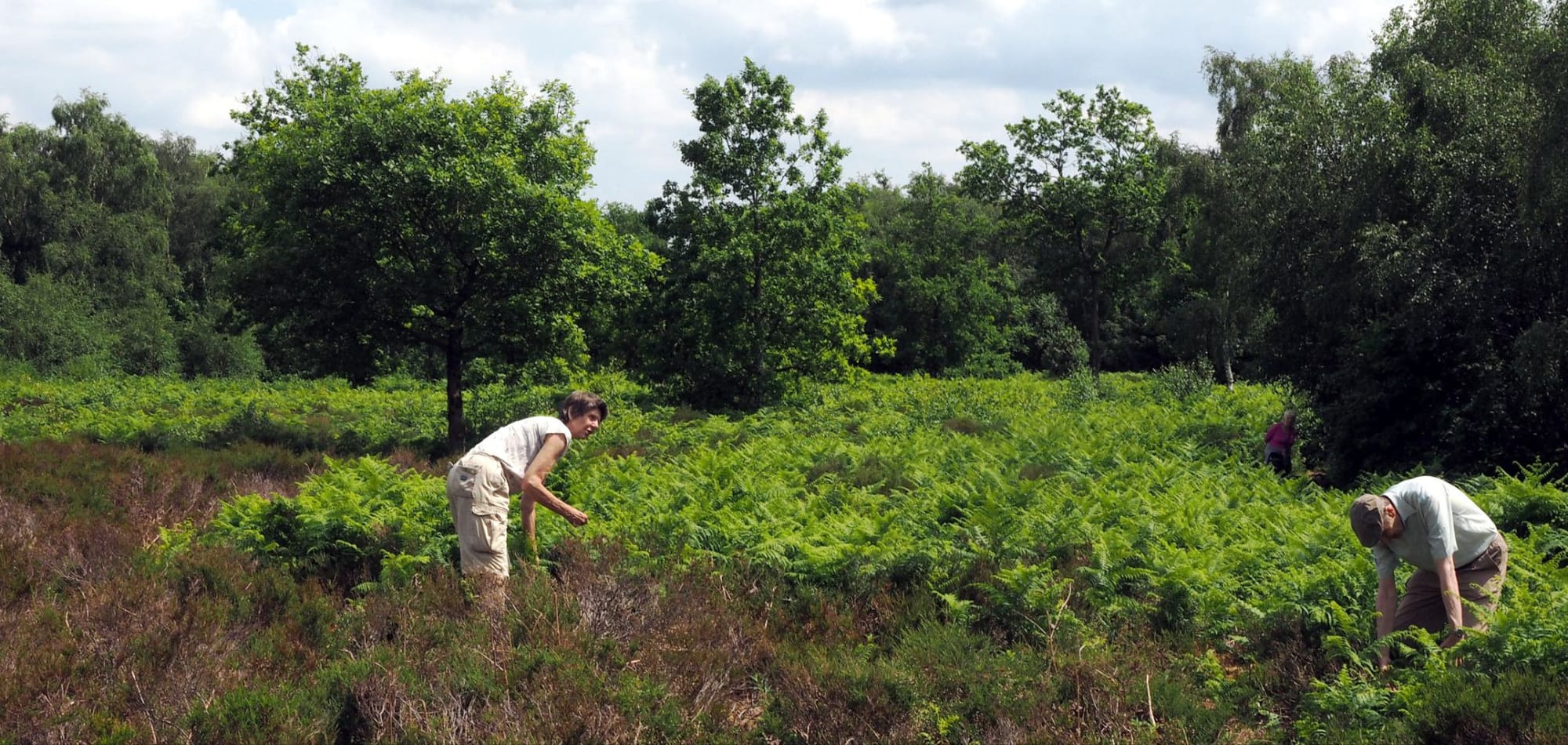
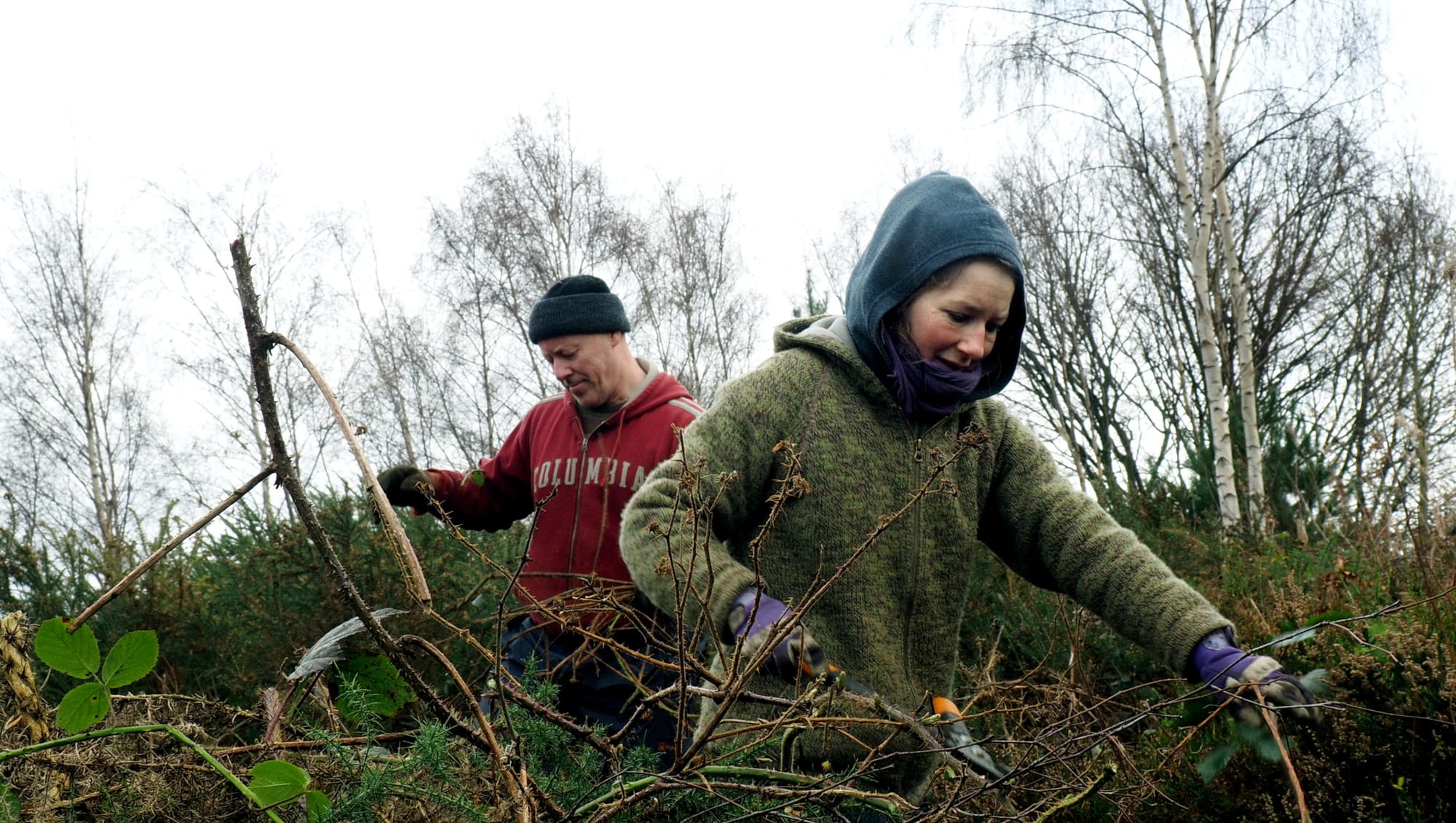
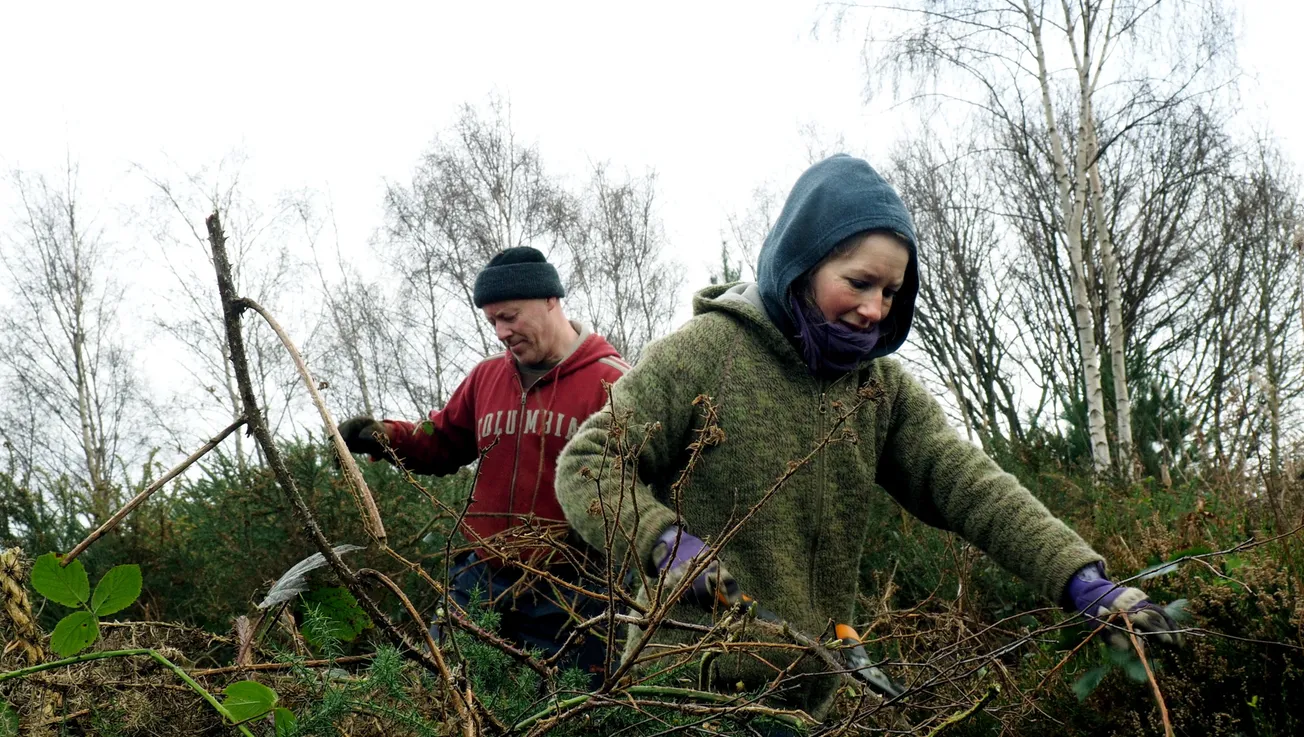
The Wadsley and Loxley Commoners are an excellent example of the impact these groups can have. Now in its 33rd year, the group has around 100 members and holds monthly “muck-in” sessions. One of their many jobs is tearing up small trees and bashing down bracken to maintain the common as lowland heath, an increasingly rare habitat in the UK. Thanks to their work, the area is home to 93 species of bird, including the increasingly scarce yellowhammer, whose distinctive song inspired the poet Robert Burns and even Beethoven.
However, while the friends model is a credit to the city, it’s not without its problems. Looking after the sprawling 100-acre common was daunting enough in the 1990s; in recent years, it has got even harder. Council cutbacks in the 2010s meant the commoners have had to take on more and more of the responsibility themselves. “Thirty years ago, the council had more money to help us,” says John. “Now it’s a different ball game. They say: it’s up to you.”
Zooming out a bit, these groups are not equally shared across the city, with far more in the well-to-do west and south west than there are in the east and south east. Their members also tend to skew older — the council’s survey found that a third are over 60 years of age — and they will need to be replaced as joints age and the passage of time thins the flock.
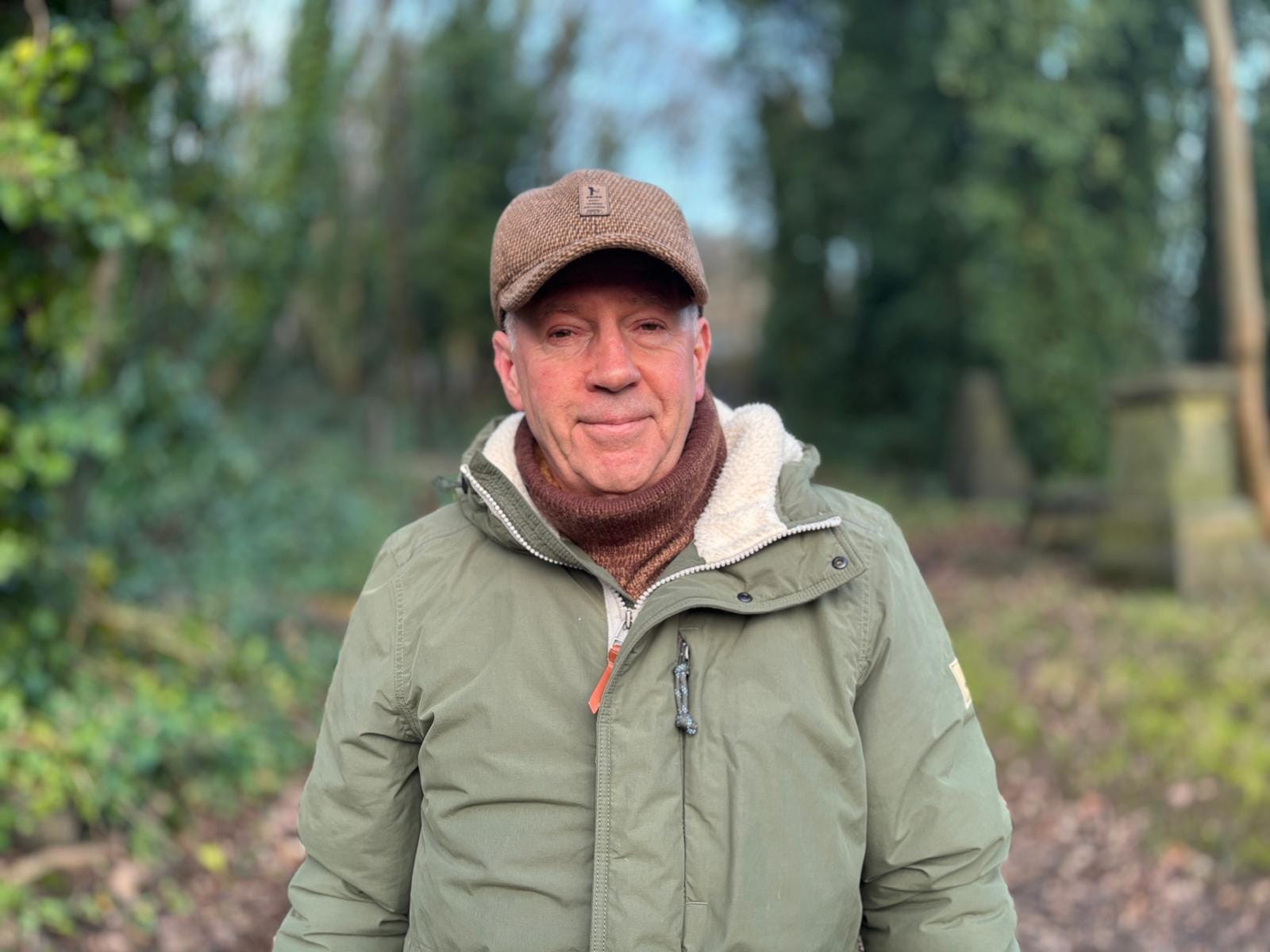
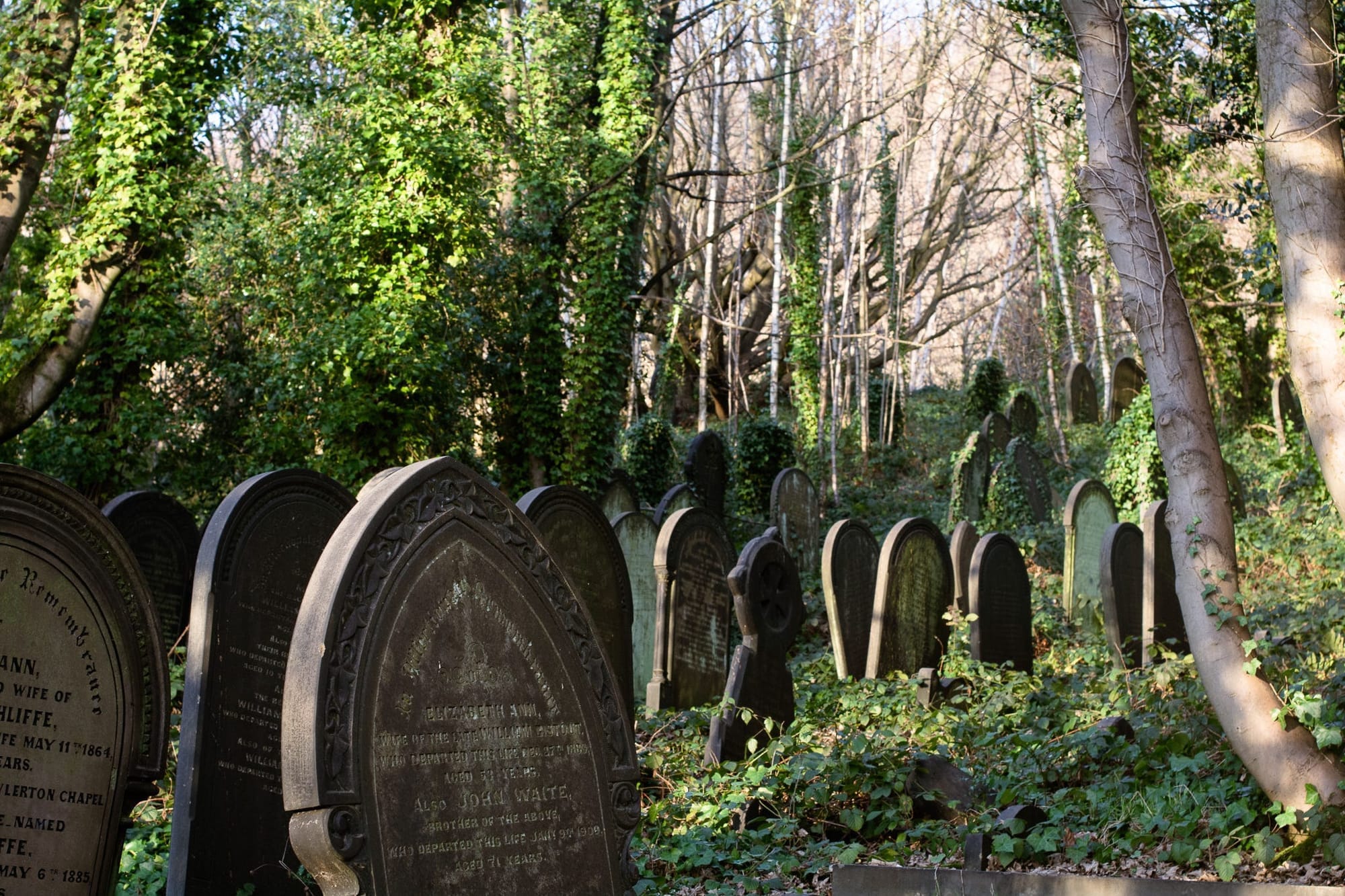
Howard Bayley was teaching at Sheffield College’s Hillsborough campus when he first discovered the Wardsend Cemetery. At that time, the 150-year-old graveyard was completely overgrown, so much so that it was difficult to even get onto the site. “I thought, I wonder what’s up those steps,” he says, recalling the meet-cute in 2012 that began his love affair. “It was completely overgrown with trees and ivy so nobody could even see it.”
After researching the cemetery and its history, he discovered there was a Friends of Wardsend Cemetery, albeit one that had shrunk to just “two old fellas” who were having trouble keeping it going on their own. Bayley joined the group and set about trying to get it up and running again, roping in help from Sheffield council’s private sector partner Amey to cut back the trees and allow people inside for the first time in years. In 2015, the friends group was relaunched and Bayley became chair, a position he has held ever since. The Friends of Wardsend Cemetery currently boasts a committee of eight people, leading a wider team of volunteers. With only limited resources, they’re able to organise monthly conservation sessions, cutting back vegetation to maintain access and allow more of the headstones to be seen. They also regularly survey the birds and other wildlife in the cemetery, and conduct research on the site’s history.
Good news is great isn’t it? While so much of the national and local news these days tends to skew negative, it’s really lovely to be able to bring you positive pieces as well. Today’s piece about friends groups shows just how many people care deeply about the green spaces near their homes and making Sheffield a better place to live for everyone.
When our founder Dan set up The Tribune in 2021, as well as reporting on the bad that is going on in Sheffield, he also wanted to write about the immense amount of good that happens here too. If you want great positive news stories like this one sent direct to your email inbox every single week for free, please sign up by hitting the button below.
This research has shown that unlike Sheffield General Cemetery — the eternal resting place for the city’s great and the good — Wardsend is a much more working-class cemetery, which likely has something to do with the fact it went unmaintained for years. It is home to some of the victims of the Great Sheffield Flood of 1867, as well as 400 soldiers from Hillsborough barracks. One of the most celebrated burials is that of Thomas Wharton, a Sheffield Wednesday superfan who died in 1933 and is described on his headstone as “the happiest man in Sheffield”. (We’re thankful he’s not alive to see the state of his beloved team today.)
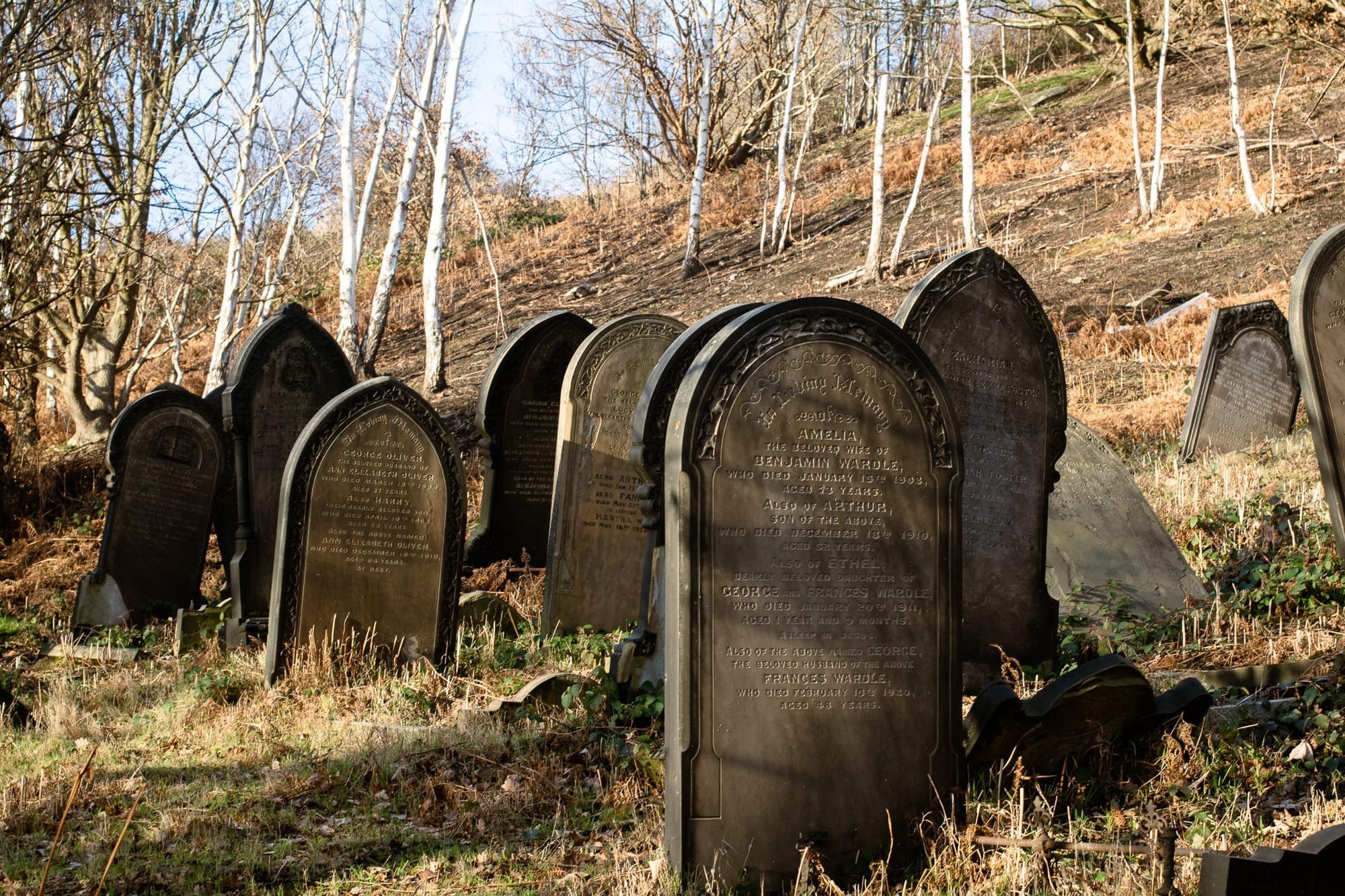
Howard and his fellow volunteers tend to the cemetery with absolutely no funding from the council whatsoever. What little income they do receive comes from Sheffield Town Trust — which, having been established in 1297, is one of the oldest charities in the country— plus donations from individuals and local businesses. One mystery funder recently gifted them £20,000, a windfall that will keep them going for some time, but generosity like this is the exception rather than the rule. Howard recognises that “some people at the council do appreciate” the work he and the other friends do for the cemetery but, at the same, he can’t help but feel they’re not valued as much as they should be. “30,000 people are buried here. It is a huge part of Sheffield’s history.”
Some friendships are a lot easier to maintain than others. Bayley lives near Bingham Park in Greystones, where he comes across volunteers from the Friends of the Porter Valley group in their high-vis jackets almost every day. The Porter Valley, he points out, is surrounded by some of the most affluent areas of the city. It’s no surprise the group is able to raise significant sums from legacy donations and events like the annual Duck Race (which The Tribune was disappointed to learn features plastic — and not live — ducks). “I’m not moaning about Friends of the Porter Valley; I have the utmost respect for what they do,” he hastens to add. “But living there and trying to do something with this, the contrast couldn't be more marked.”
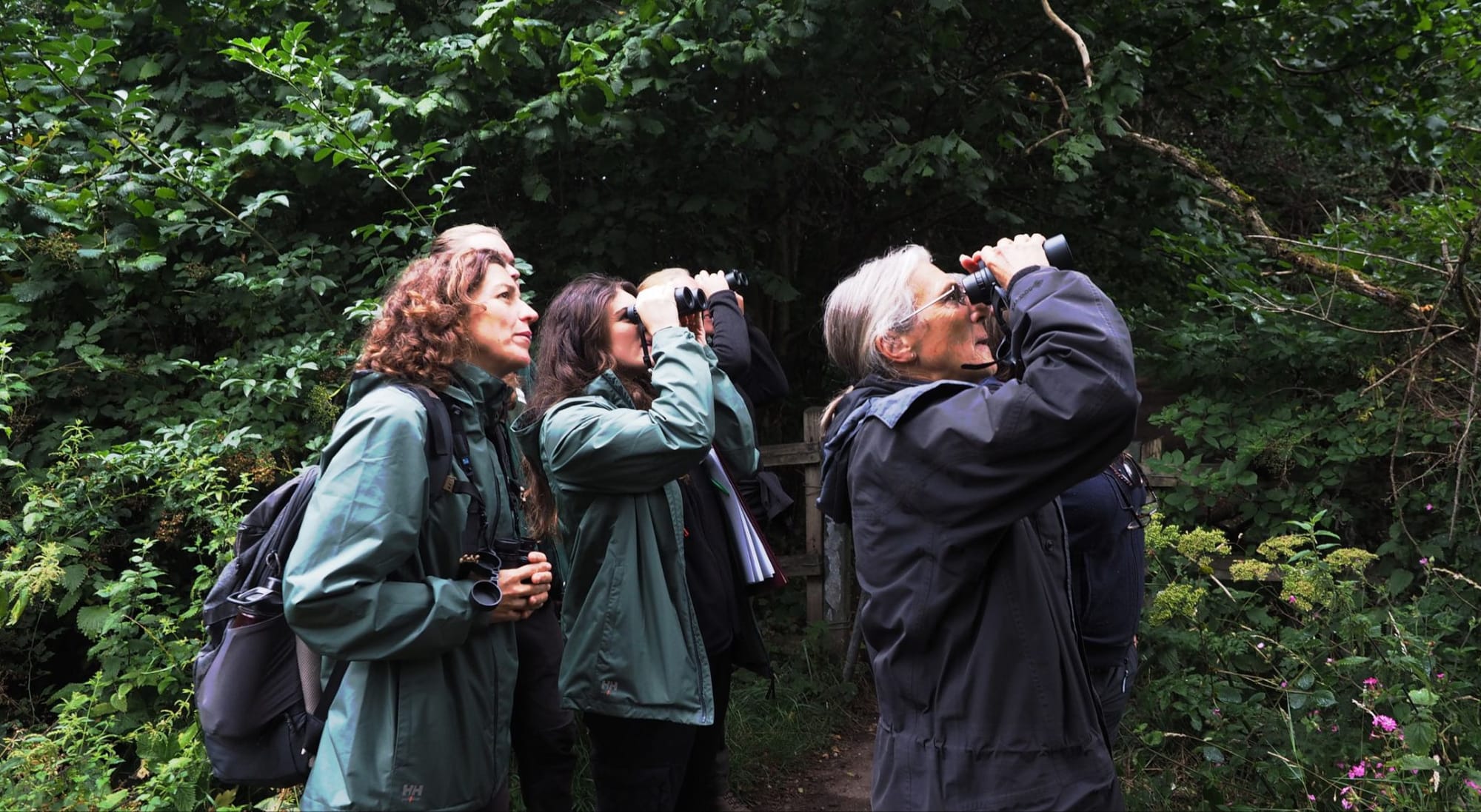
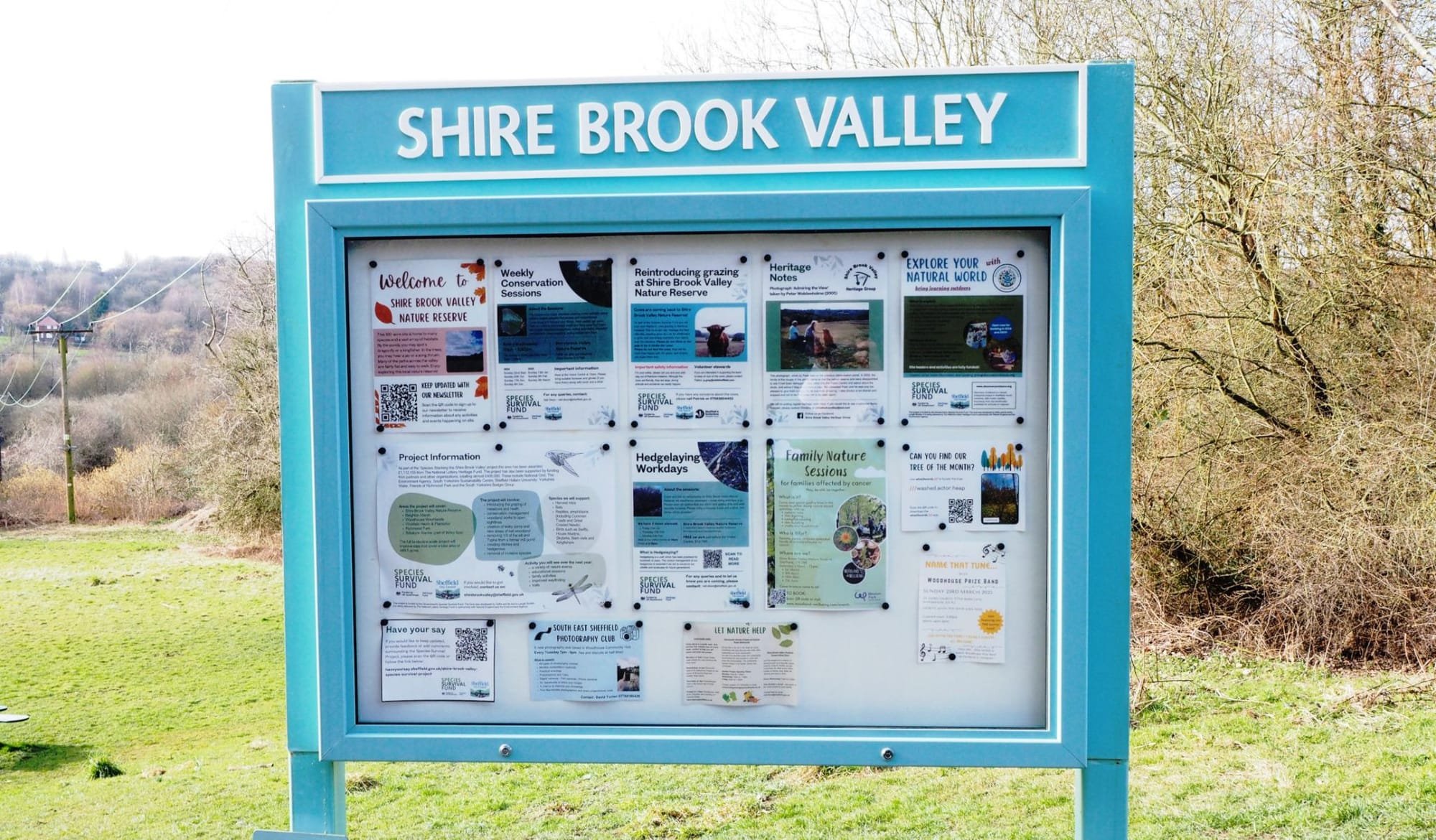
The divide between the affluent west of Sheffield and the more deprived east is nothing new, but it’s heartening to note that some groups are able to buck the trend. Take Shire Book Valley Nature Reserve, in south east Sheffield, which is surrounded by some of the city’s less plummy neighbourhoods like Woodhouse, Hackenthorpe, Beighton, Richmond and Handsworth. This vast 100-hectare site used to be a sewage works, became a country park in the 1990s and is now visited by an estimated 100,000 people every year. “We have industrial history like Abbeydale Industrial Hamlet and Kelham Island and we have wildlife as well,” says project officer Sarah Newman. “It is a huge asset for the south east and for Sheffield as a whole.”
Like Wadsley and Loxley Common, the park used to be maintained by the council. However, austerity cutbacks in the 2010s led to the withdrawal of the dedicated ranger service, leaving the volunteers from the Shire Brook Conservation Group largely on their own. Since 2017, the reserve has received funding from a variety of different organisations, meaning the council has been able to afford to pay for some full-time staff like Newman, and to renovate the visitors' centre, located in the Art Deco building that was once home to the manager of the sewage works.
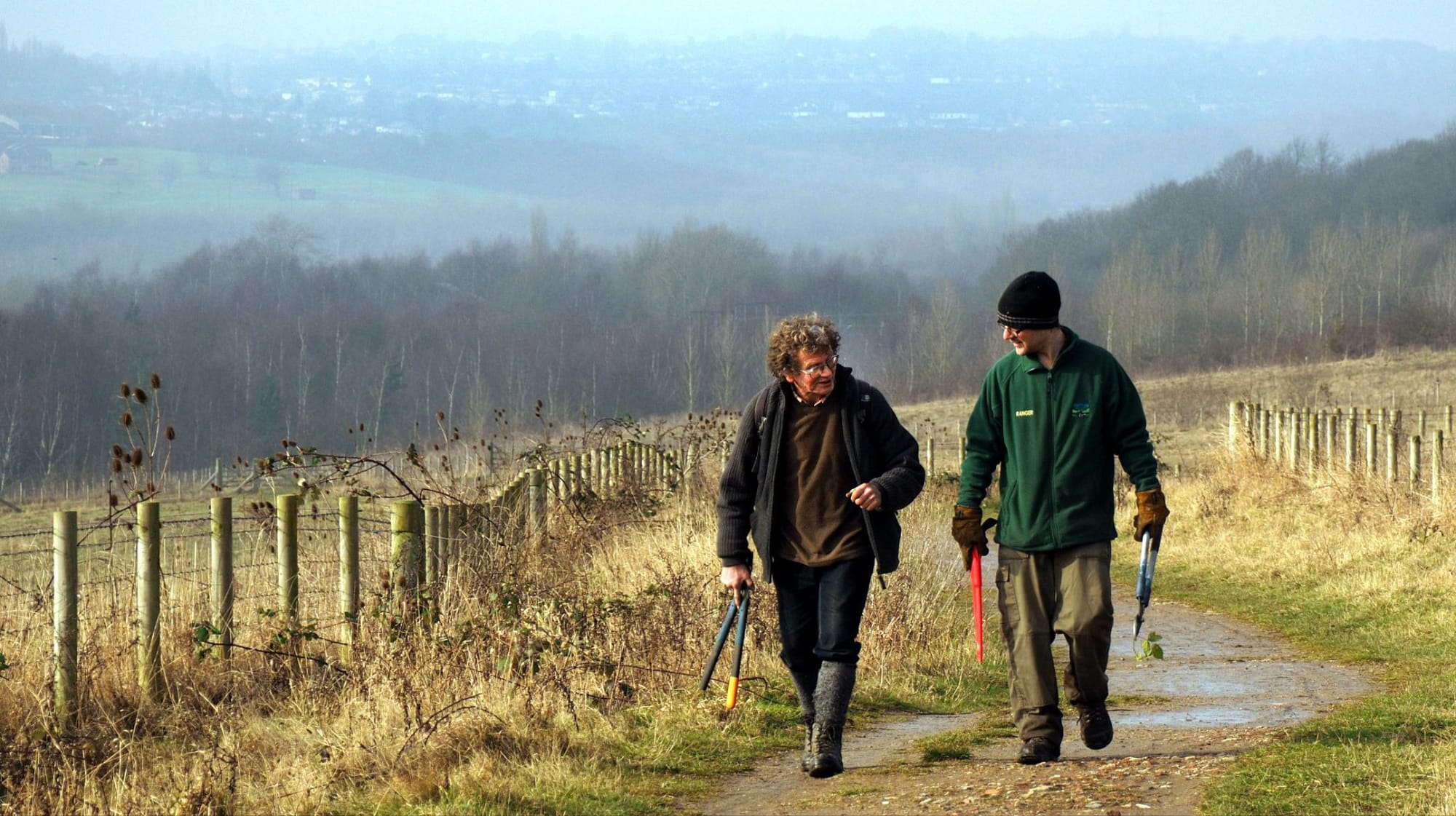
Though it’s true that organisations like the Friends of the Porter Valley can draw support from more affluent neighbours than Shire Brook Valley can, true friendship is priceless. Money can grease the wheels but, as Newman is keen to stress, the success of any friends group is “more about having great people, and we really do here.” They are never short of volunteers, she adds, and usually have a group of around 8-10 people at their work days every Wednesday. “The volunteers we have got here are absolutely incredible, they are the life and soul of the site," she says. Though their devotion saves the council money, she also feels it sells them short to measure their impact in purely financial terms. “Encouraging positive use of the site and helping people learn about nature is something you can’t put a value on,” she adds.
Nevertheless, money is still a factor. A grant of £1.4 million that the council was given to spend on Shire Book Valley Nature Reserve from the government’s Species Survival Fund will run out next month. While this doesn’t mean council staff will be withdrawn straight away, those positions will only continue to exist if new sources of funding are identified. If none materialise, then they will have to find more volunteers to plug the gap.
Even in a city as gregarious as Sheffield, however, making new friends is an increasingly difficult task. Of the plethora of new “Friends of” groups that Cartwright nudged into being in the 1990s, John Robinson points out that many have fallen by the wayside since. The key to keeping them going, he says, is getting in new blood. “There are loads of old fogies like me but we're not going to be around forever,” he says. “The important thing is handing this on to the next generation.”
Thanks to The Tribune’s regular contributor David Bocking for helping with the reporting of this piece and providing photos. David is hoping to regularly feature the groups which look after Sheffield’s green spaces on his own site, A Bit Black Over Bill’s Mother’s, this year.
 Over Bill’s Mother’s
If someone forwarded you this newsletter, click here to sign up to get quality local journalism in your inbox.
If you’d like to sponsor editions of The Tribune and reach over 30,000 readers, you can get in touch or visit our advertising page below for more information