There’s a reason journalists used to ambush politicians by asking them if they knew the price of a pint of milk. The more privileged you are, the less attention you have to pay to each penny that leaves your account. You don’t scour the shelves mentally calculating what you can afford to buy — you just grab the milk, assuming you can afford it.
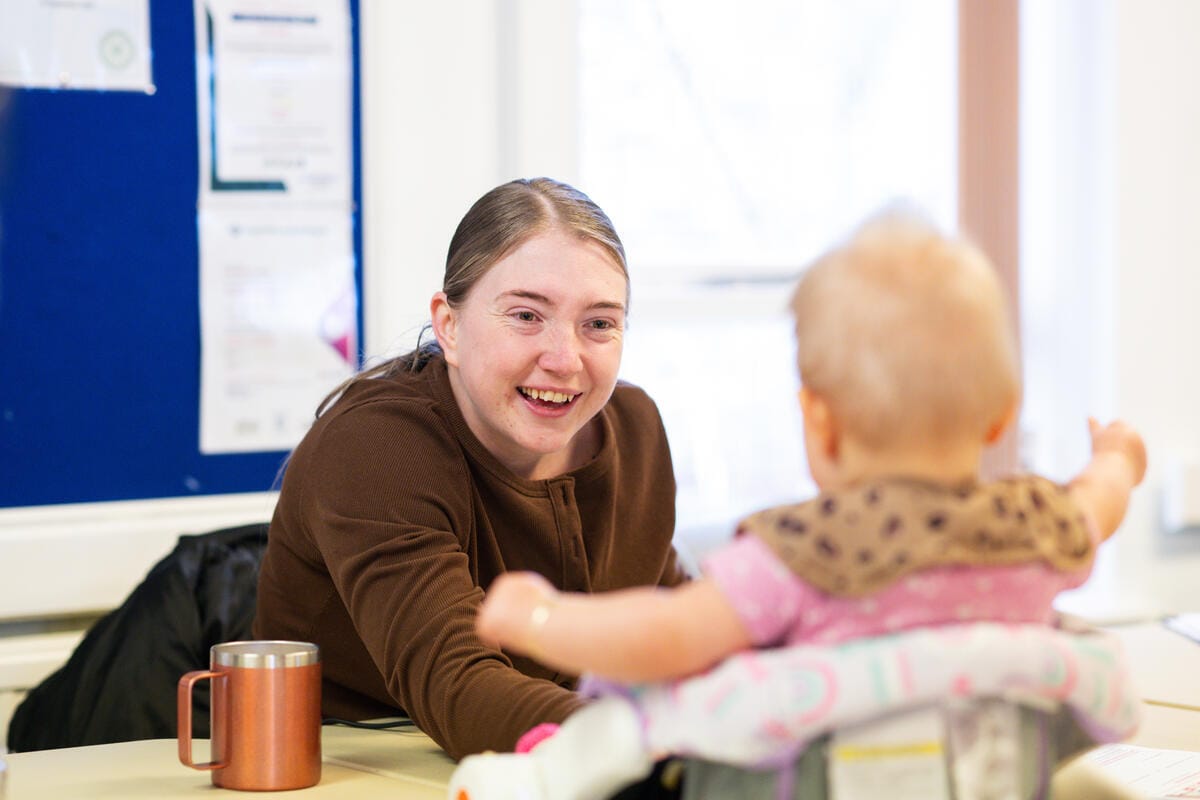
Bethany Wilson knows the price of a pint of milk. In fact, she knows the price of a lot of little items that many people might add to their trolley without a second thought. “You could get a four pint of milk a few year ago for £1.30. Now it’s nearly two pound,” she says. “You could get a packet of crisp for 10p. You're looking to get some space raiders now for 60.” She’s not self-pitying — “obviously, everyone struggles with money” — but not everyone spends quite so much of their time thinking about it.
I’m talking to Bethany at the behest of two professors from Sheffield Hallam university, who want to change the way we think about poverty, especially children in poverty. They argue that, for too long, many economists have reduced this problem down to brass tacks — not enough cash coming in and too much going out.
But as Bethany tells me more of her story, it becomes clear there’s much more to it than that. She used to live in private rented accommodation until, seven months into her pregnancy, her landlord decided to evict her and sell the house. Then her son was born with laryngomalacia, a condition that meant he needed regular surgery up until the age of two, which meant she spent long stints in hospital, and he struggled to gain weight. Her partner left, and she says he refuses to provide any financial support.
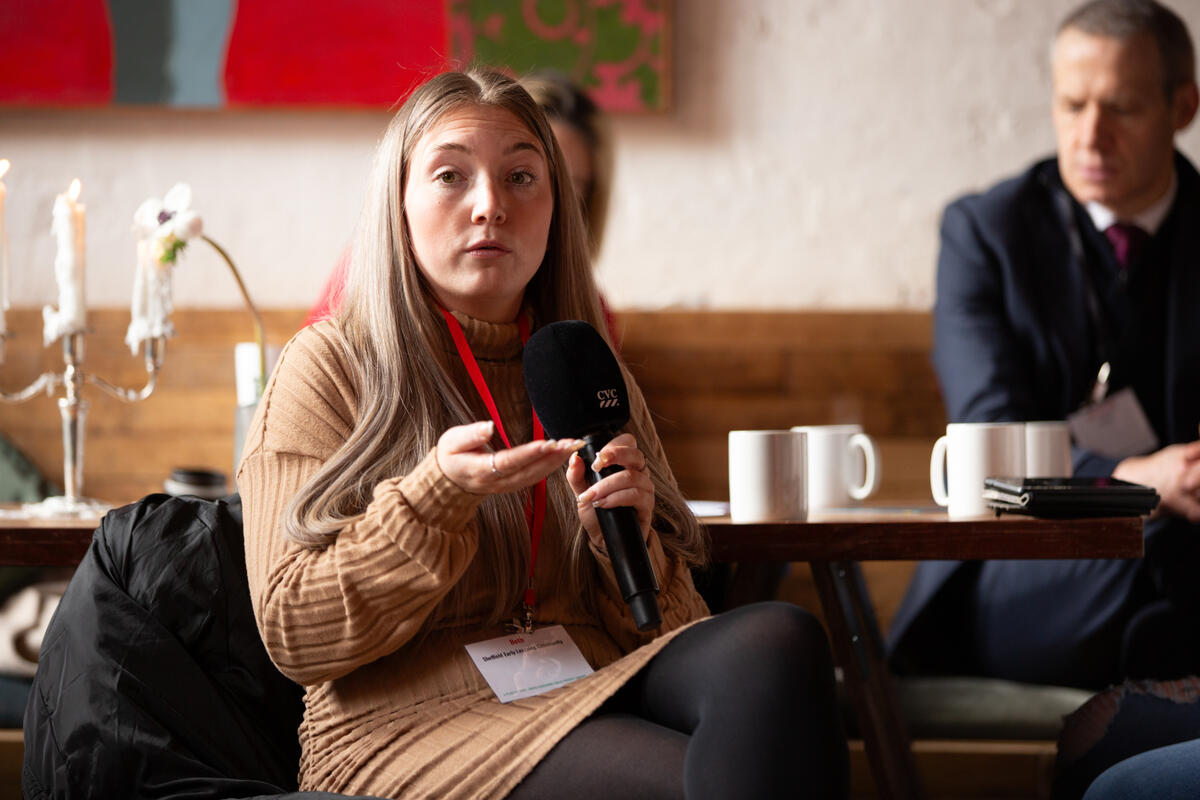
According to the academics who partnered with us to highlight their new research, Bethany’s life reveals something they believe isn’t being captured by the traditional way we look at poverty and deprivation. It’s a concept they call multiple insecurity.
Everything, everywhere, all at once
When the Tribune committed to launching a series on local inequalities, in partnership with academics, I imagined I would spend a lot of time sitting in someone’s stuffy office, poring over datasets. The reality is quite different. I’m chatting to Professor Helen Lomax and Professor Sally Pearse from Sheffield Hallam University next to the charred remains of a campfire in the woods just outside Chapeltown. Our interview is occasionally interrupted by 10-year-olds playing an elaborate game of hide and seek around the site.
This story is free to read. You just need to sign up to join The Tribune's mailing list. And why wouldn't you? You'll get our journalism in your inbox the second we publish, keeping up to date on this and all our stories. No card details required.
Already have an account? Sign In