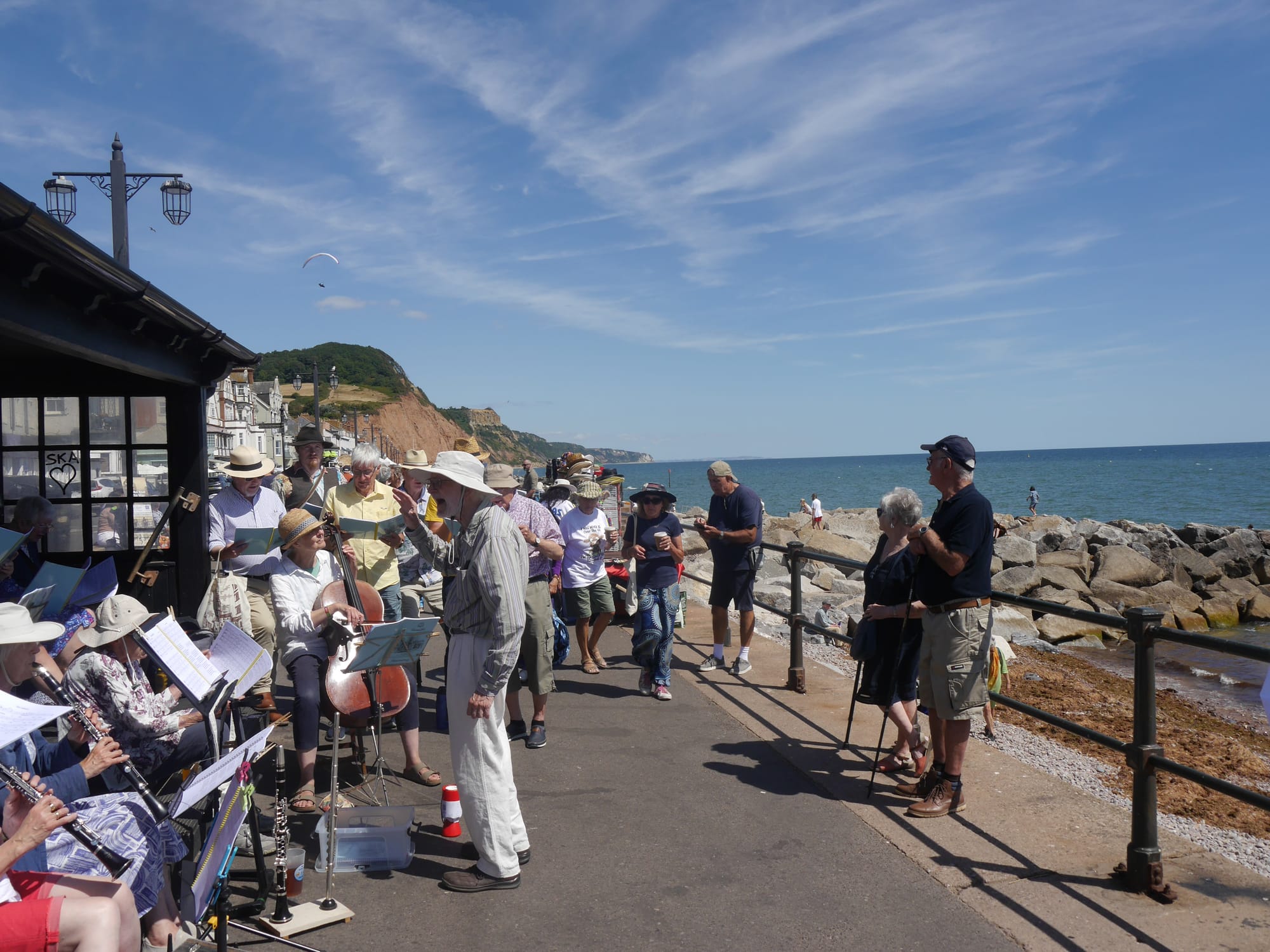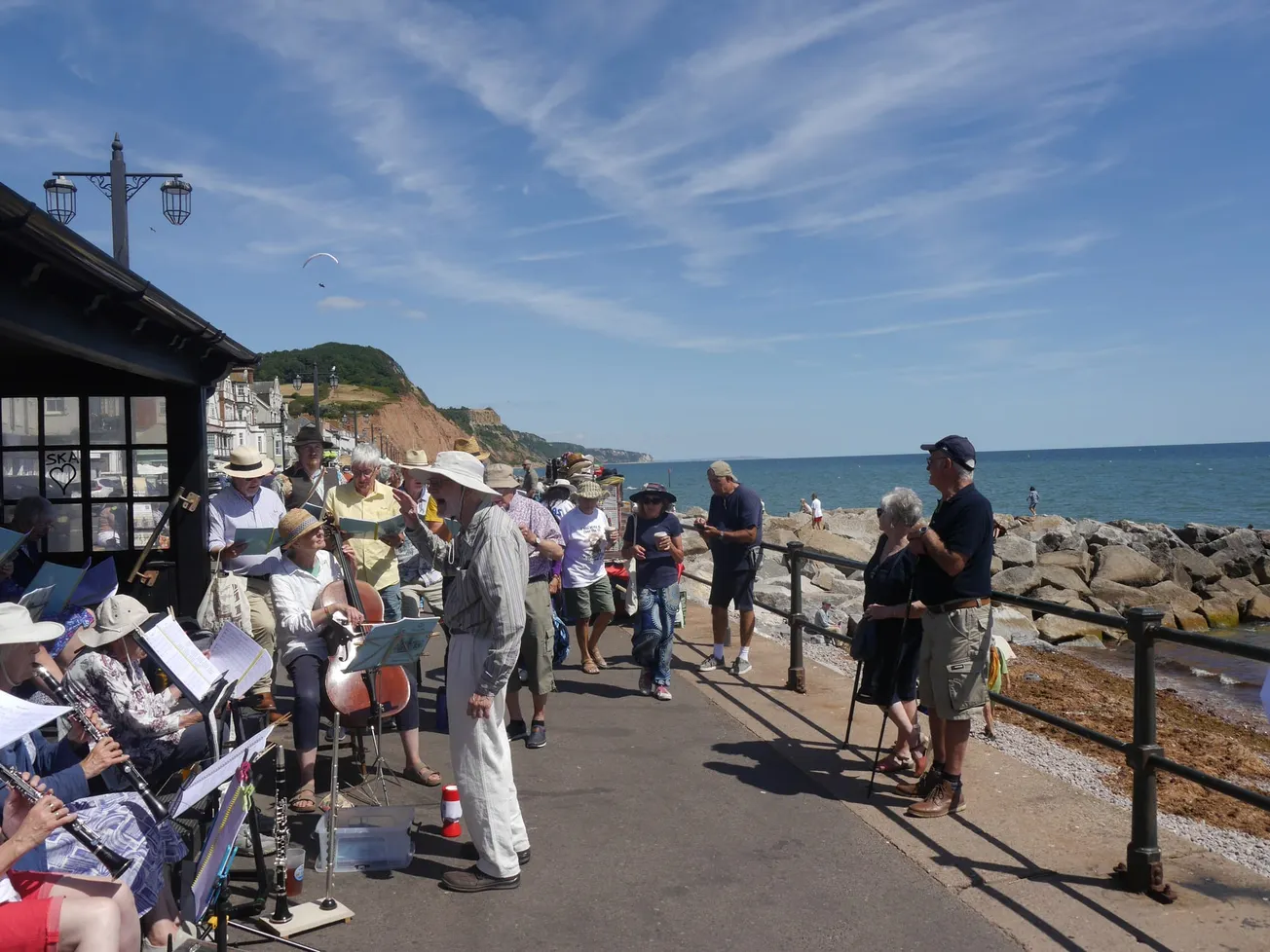
It’s the first week of August when I visit “Sheffield by the sea” — or, to use the name you’d find on a map, the town of Sidmouth in Devon. The pebbled beach is teeming with young families eating ice cream, casting long shadows on the waves. The air is still sweltering, but there’s a cool breeze that reminds me autumn is on its way. In the distance, I can hear the sound of a cellist rehearsing, barely perceptible over the percussion accompaniment of the tide.
My tour guide is Philip Long, a former Sheffield Hallam lecturer, who reached out about a year ago to congratulate me on my move to Sheffield (off the sea). We bonded over having made similar journeys in opposite directions – I grew up in the seaside town of Charmouth, whereas Philip spent his formative years up here before retiring to Sidmouth. I was intrigued to hear that, for one week every August, it’s like he never left. Though Sidmouth is a four and a half hour drive from Sheffield (or five hours by public transport), a deluge of Steel citizens washes up in his sleepy new home each year, which is how it acquired its nickname. I promised myself that, when August next rolled around, I’d be among them.
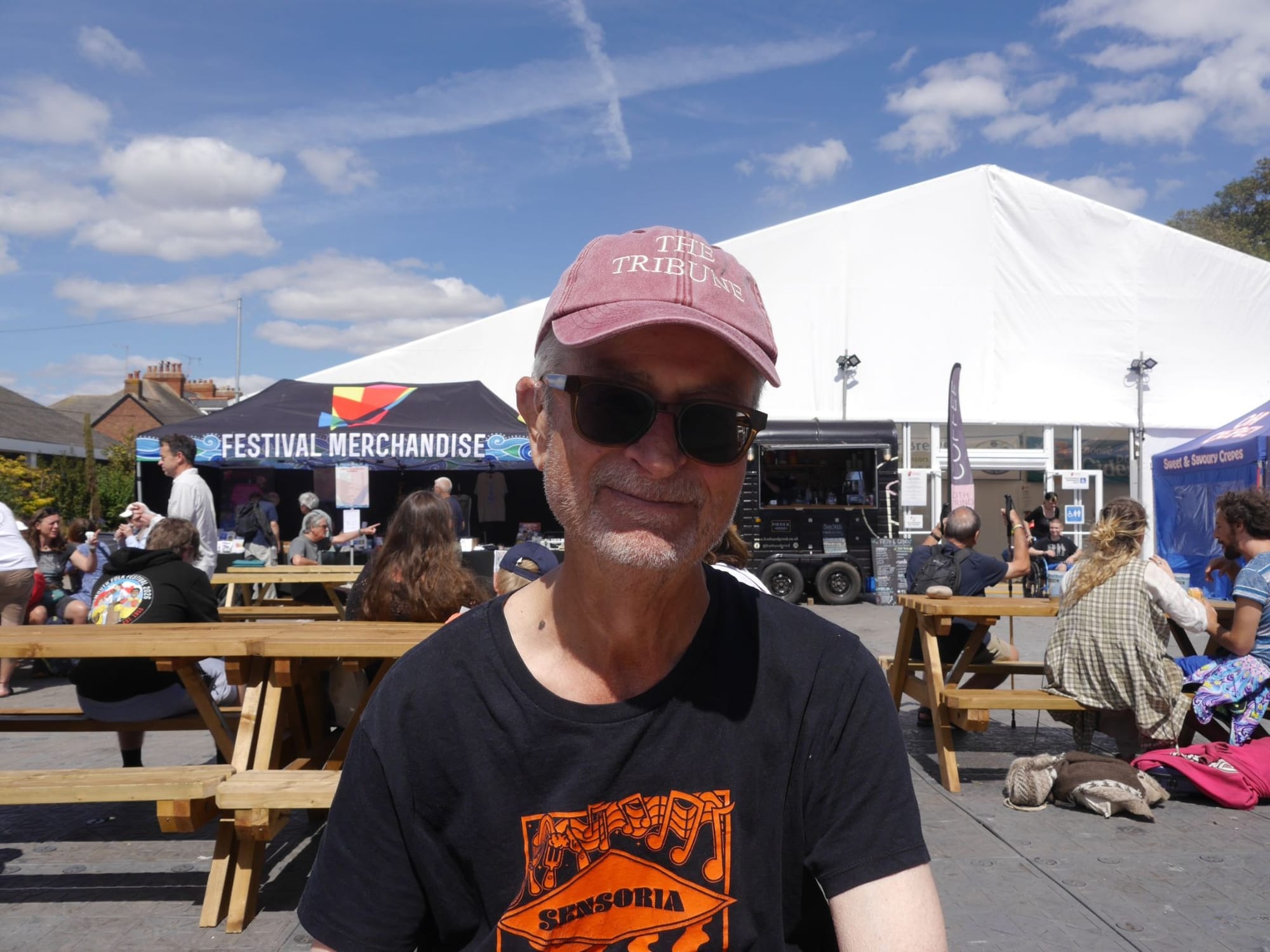
On the face of it, there’s a simple explanation for this invasion. Every year since 1955, the first week of August means it’s time for the Sidmouth Folk Festival, when hundreds of musicians descend on the town’s gardens, churches, halls and any space left over to do what they do best. It is the UK’s longest running folk festival; every morning and afternoon is filled with music, dance processions, Ceilidh and Morris dancing workshops, folk storytelling and puppet shows. What’s less clear is why — given artists come from a constellation of different countries, cities, towns and villages — the programme always skews more Sheffield than anywhere else. Tash Daly, the festival’s latest co-director and artistic director, is fairly confident that’s been the case since the 1960s.
To prepare for my trip to the coast, I watched a 2023 documentary on the festival, A Small Quiet English Town, which heavily features two previous programmers: Bill Rutter and John Dowell. As a result, I’m half-expecting Tash to be as formidable and bolshy as this duo, although she’s almost the polar opposite, quiet and warm. According to local history, 1966 was one of the most notoriously rowdy years in the festival’s history — much of the raucousness was allegedly due to a dozen attendees from Sheffield’s Barley Mow Folk Club — and Bill, unwilling to brook such frivolity, turned up at the campsite in his dressing gown one night to reprimand people for singing too loudly. In the documentary, John admits that he and Bill clashed frequently after John took the reins in 1979. “I spent four years arguing with him, we’d shout at each other from our own offices,” he said.
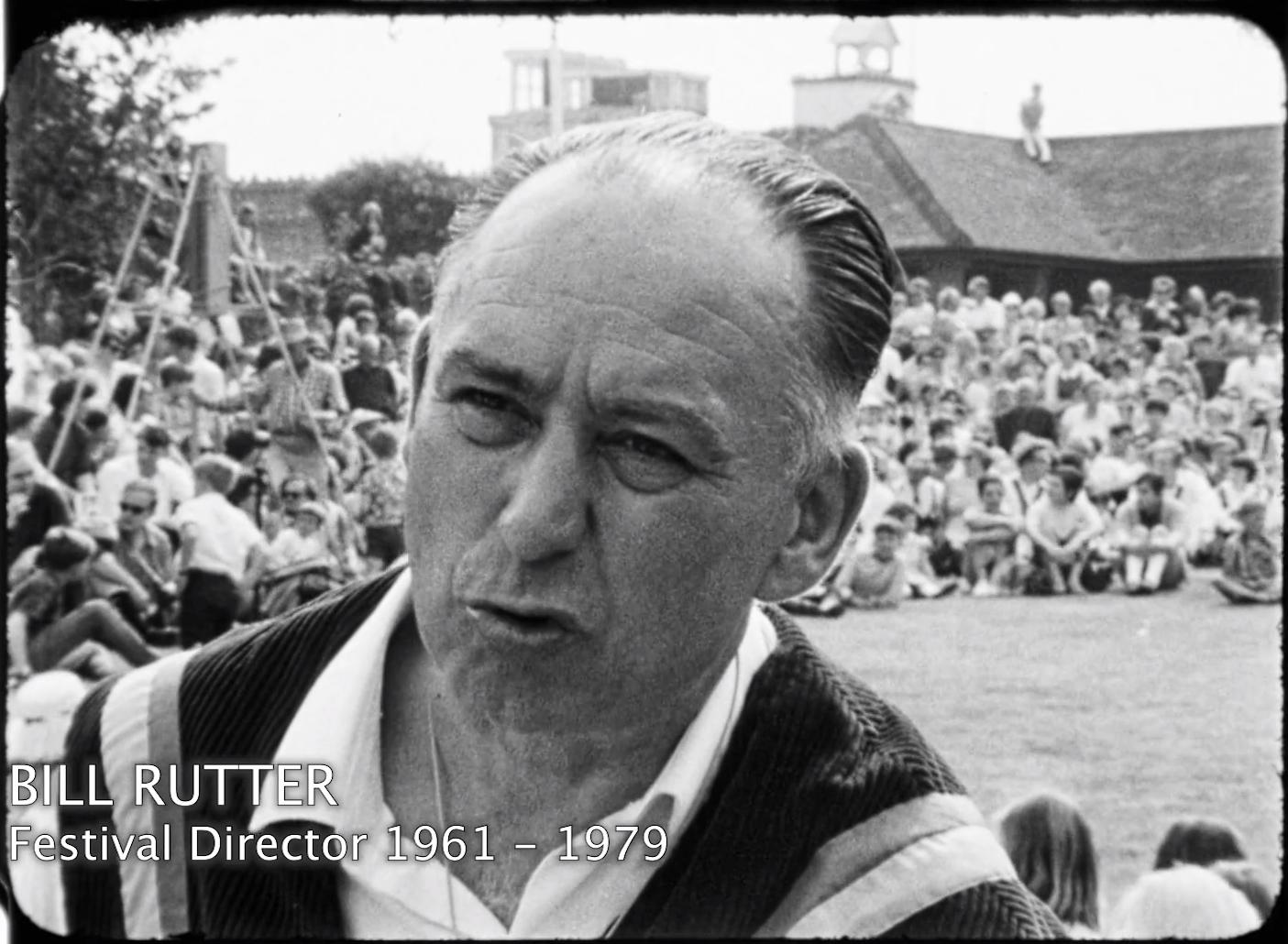
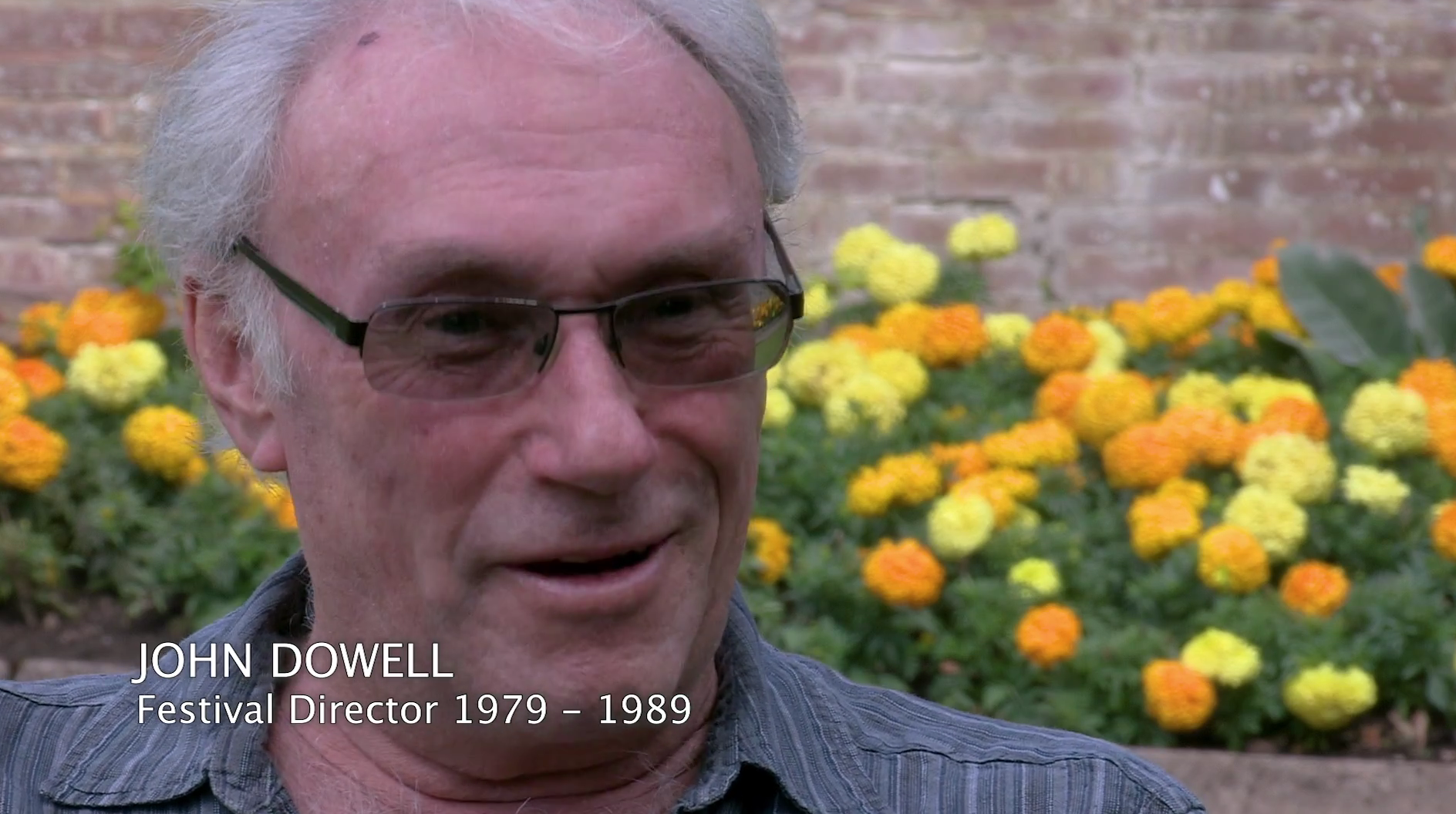
Screenshots via A Small Quiet English Town.
The first stop on my personal tour of the festival with Philip is Blackmore Gardens, where the children’s events take place, and immediately I spot a familiar face. Emma Hardy, a violin-maker with a workshop at Portland Works, is sitting on a camping chair wearing oversized linen, displaying some of the instruments she’s hand-crafted from Peak District wood. Though she’s aware that Sheffield dominates the festival, she has no theories on why, although she helpfully writes down a list of people who might know more.
Sheffield deserves great journalism. You can help make it happen.
You're halfway there, the rest of the story is behind this paywall. Join the Tribune for full access to local news that matters, just £8.95/month.
SubscribeAlready have an account? Sign In