About half way through my conversation with Aso Mohammadi, a Kurdish journalist from Iran, he shows me his phone. He opens up WhatsApp. “This is my mum,” he says before showing me a series of attempted video calls which failed to connect. “This one is my sister… this one is my other sister…this one is my brother,” he continues, with all the calls ending in the same outcome. He could go on with more people he’s been unable to contact for days, but I get the message. The last successful calls to anyone back home are now over a week ago, the exact point at which the Iranian government shut the country off from the outside world.
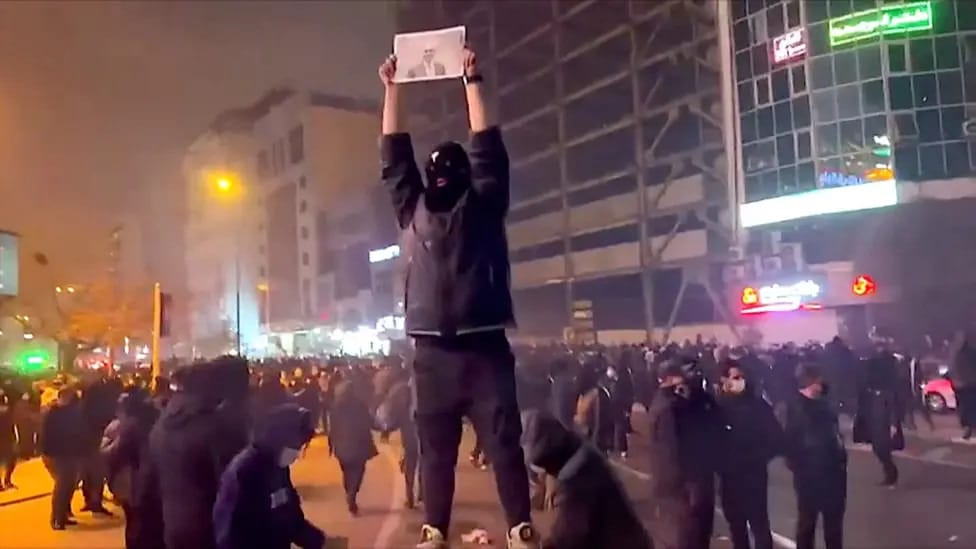
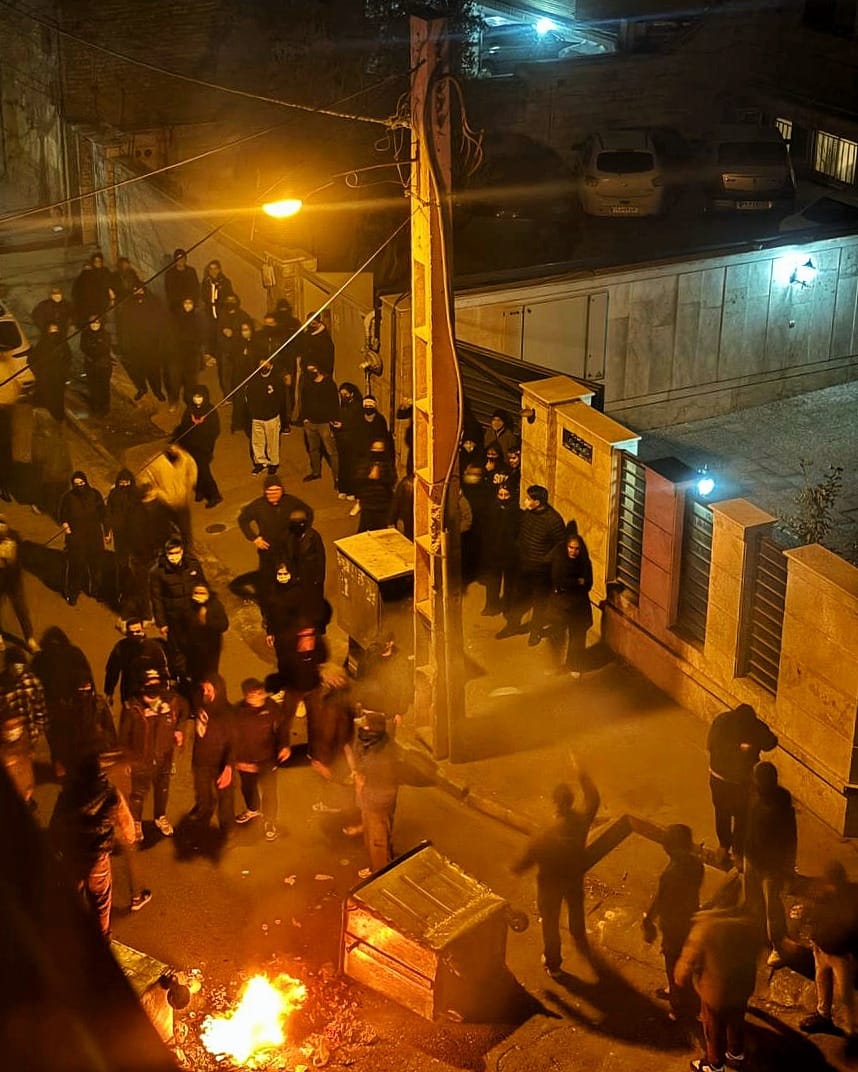
It must be hugely worrying, I say. But the word worry doesn’t seem anywhere near strong enough for what Iranians are going through at the moment. Over the last few fraught days, Mohammadi has been watching snippets of video footage and news reports of massacres perpetrated by the Iranian regime. Human Rights Watch says that so far 2,400 people have been killed in the recent protests, but other sources put the number far higher. Iran International, a satellite television news channel based in London, says that 12,000 people have been killed during the recent uprising.
Over the last week, a country of some 90 million people has become a sealed box. “They are trying to close the country off so people cannot see what is happening, like in North Korea,” says Mohammadi. “The regime has nothing to lose. They just want to kill people.”
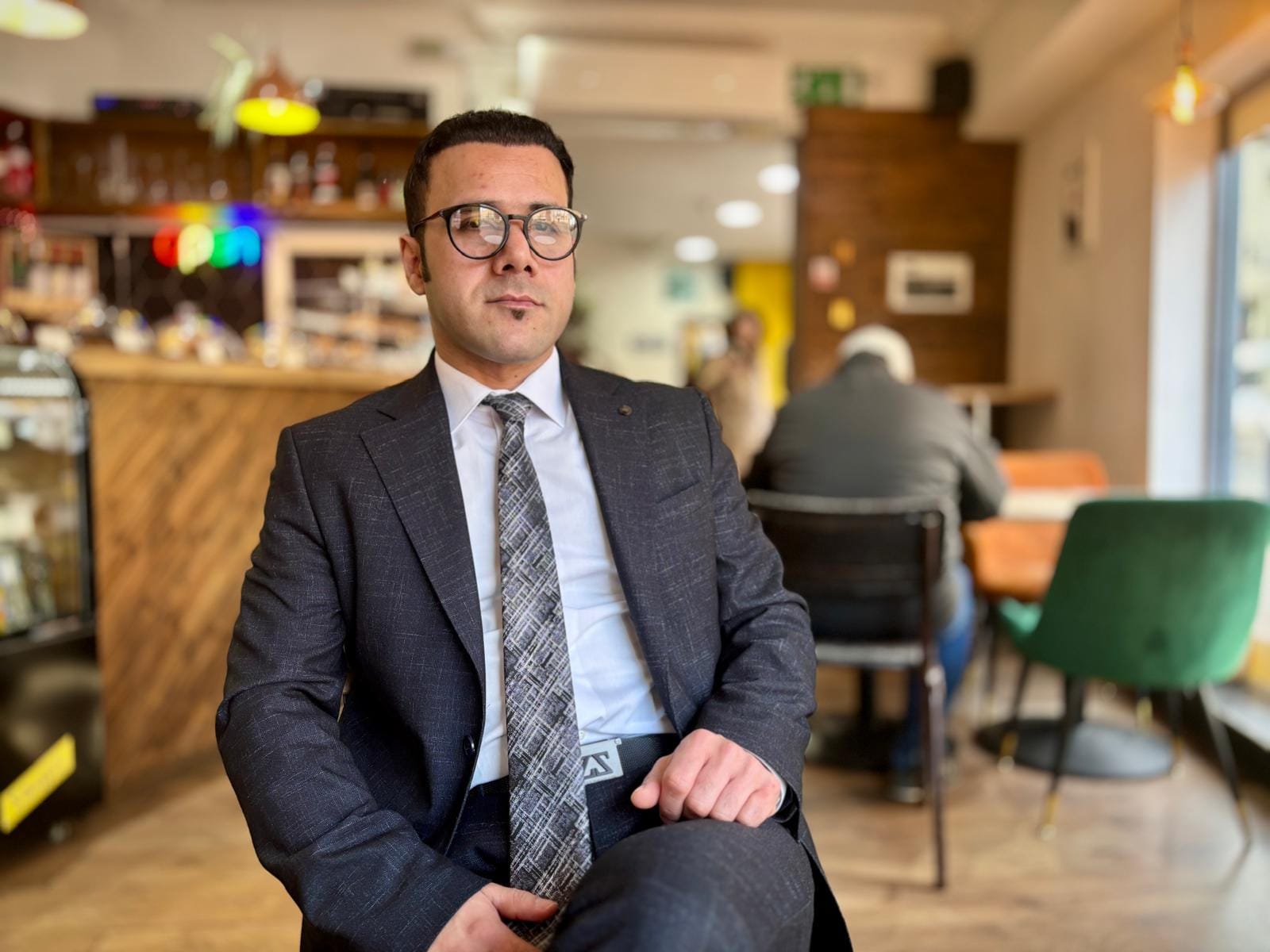
I’ve met Mohammadi before when my colleague Victoria did a story about his experience of living in asylum hotels in Sheffield. Now 33, he’s come dressed very smartly in a sharp suit and tie, giving him the air of a big city lawyer or investment banker. A pair of stylish glasses and a tiny beard complete his look. Mohammadi is from Hawraman in Iranian Kurdistan, but was working as a journalist in Tehran when his stories brought him to the attention of the security services. When he was arrested and beaten up in 2019, he decided he needed to get out of the country. Travelling across Europe largely on foot, he entered the UK in 2022 and applied for asylum. His claim was accepted in 2023.
We’re chatting at Cozy Corner, a bustling cafe in the city centre. The cafe is Kurdish run, and has become an unofficial meeting place for the Kurdish community in Sheffield, which Mohammadi tells me is about 1,000 strong. He says around 20 Kurds met here last week, swapping stories about what is happening in Iran and discussing what they can do to help. None of them had heard from their relatives and loved ones, but Mohammadi says they still hope to “be the voice” of Kurdish and Iranian people to the outside world.
That mixed feeling of helplessness and resolve is common among all the Sheffield Iranians I speak to. As we chat over a coffee at the University of Sheffield’s Diamond building, Bita (we are only using her first name to protect her relatives who are still in Iran) has a similar tale of woe with unsuccessful calls to Iran. Now 48, she originally came to Sheffield to study in the late 90s, but hasn’t returned to her home country ever since. For almost 25 years, phone calls, video calls and WhatsApp messages are the only way she has kept in contact with her family and friends. Now, even that isn’t possible any more.

“I’m just glued to my phone at the moment,” she tells me, holding her latte tight in both hands as if in prayer. Since the internet went down last week, she says she feels “helpless and anxious all the time”. Born in Tehran, Bita was just one year old in 1979 when the Islamic revolution happened, meaning she learned all she knows about Iran before the revolution from her parents and grandparents. Her mother was allowed to come to the UK after she was diagnosed with dementia and now lives near her in Sheffield.
Bita is well aware that Iran under the Shah was far from perfect, but says the Islamic Republic has been disastrous for human rights in the country. She explains that there have been regular protests in Iran over the last 25 years, often led by students and young people. These are sometimes followed by attempts at reform and some relaxations, but that “nothing fundamentally changes”, she adds. The last of these protests were the "Woman, Life, Freedom" movement that began after 22-year-old Kurdish Iranian Mahsa Amini was killed for wearing her hijab too loose in 2022. In the aftermath of her death, young women were seen burning their hijabs, but in the end the movement was brutally suppressed by the regime.
Hello there. Is this your first time here? If so, as well as publishing online, The Tribune also emails stories to readers, meaning our journalism comes to you, rather than you needing to go looking for it. If you want to sign up for free, with no obligation to pay — ever — just hit that button below.
The main trigger for the current wave of protests seems to have been the worsening Iranian economy, after inflation skyrocketed at the end of last year, leading to prices for essentials like rice, eggs and cooking oil doubling or tripling in a matter of weeks. But Bita tells me that people don’t just want prices to come down, they want freedom about how they dress, what they do and what they think and believe. “It’s not about the economy, it’s not about the hijab, it’s much deeper,” she says. “After 47 years, they have had enough of this regime.”
Like Mohammadi, Shaca (again we are not revealing her surname to protect her relatives in Iran) is also a Kurdish Iranian, from Kermanshah in western Iran. She came to Sheffield three years ago after the Woman, Life, Freedom protests and now works as a nurse in the intensive care department at Northern General Hospital. Many people who want to leave Iran are forced to risk their lives by sneaking across the border and getting on boats. Shaca was able to come to the UK on a work visa, but the Iranian authorities don’t make it easy. “They ask you why you are leaving the country,” she says. “Are you a spy?”
Working in the Iranian health service, she tells me how she was wearing her hijab was seen as more important than how she was doing her job. She was arrested three times for not wearing her hijab properly, on one occasion being taken to the same police station Mahsa Amini was before she died. “When they take you to the police station, someone has to bring you clothes and you have to sign something saying you won't do it again,” she says. "I was always told the best thing to do is to stay quiet and just do what they say."
As we chat in Costa coffee on the Moor, Shaca tells me it often feels “humiliating” to live as a woman in Iran. “I am an independent woman,” she says. “I am 32 years old and I still can’t get a passport without my husband’s permission. If I want to get married I have to get permission from my dad.”
Before the last week, Shaca talked to her mum weekly and describes being cut off from her family over the last few days as “suffocating”. “I’ve not been able to sleep since it started, not knowing if they are alright or if they are not,” she says. “At the same time you know that people are out there protesting and my family might be one of them.” Thankfully, one of her friends in Iran managed to call her on Tuesday and said her family was healthy and safe.
Because it's only open to paying members, The Tribune comment section is a haven of intelligent debate and respectful disagreement. Let us know what you think and get chatting to other members by clicking the button below.
While all three Iranians I spoke to want to see the end of the Islamic Republic, what might replace it remains a difficult question. In a country with so many religions and ethnicities, a unified opposition has proven difficult to find.
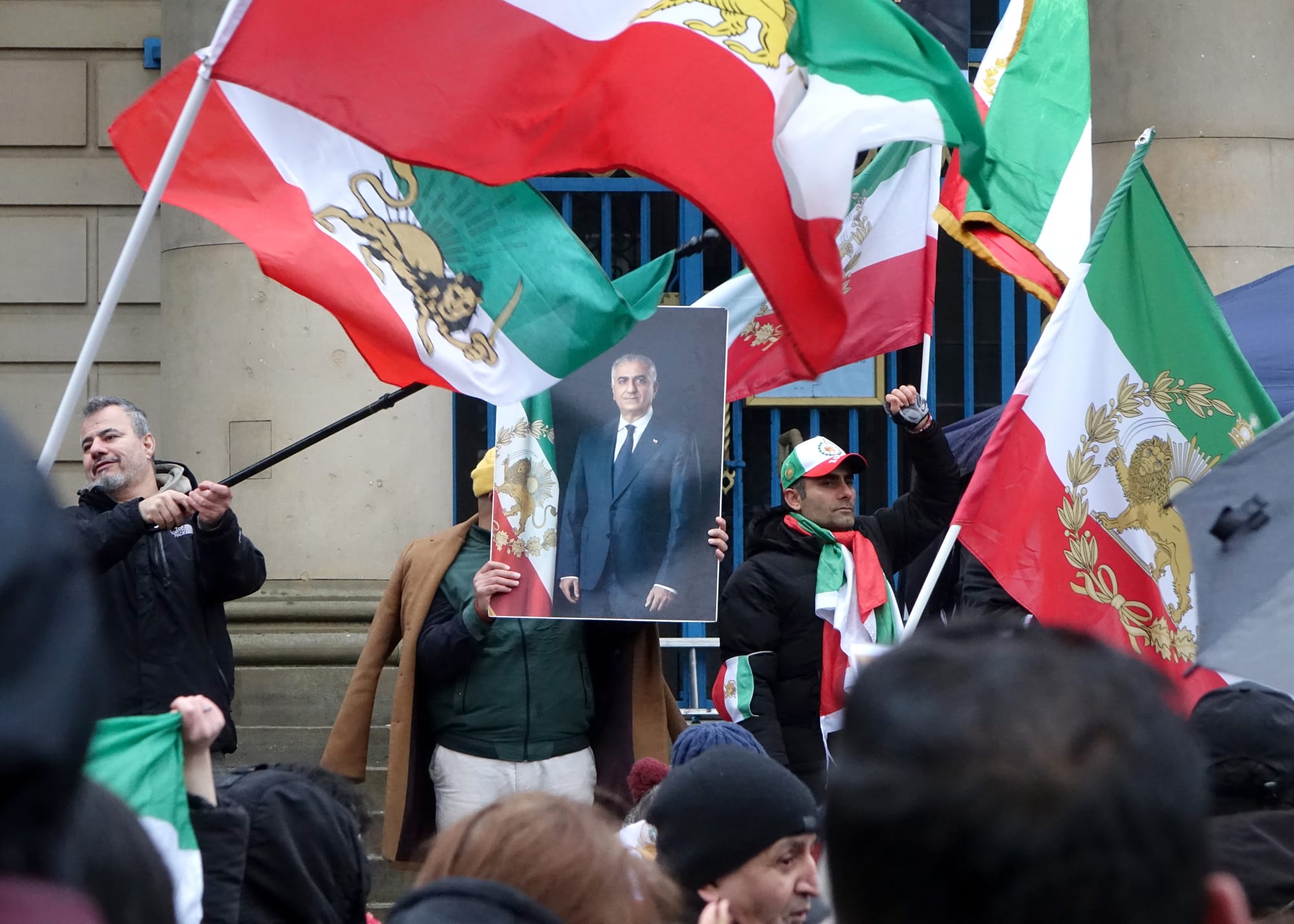
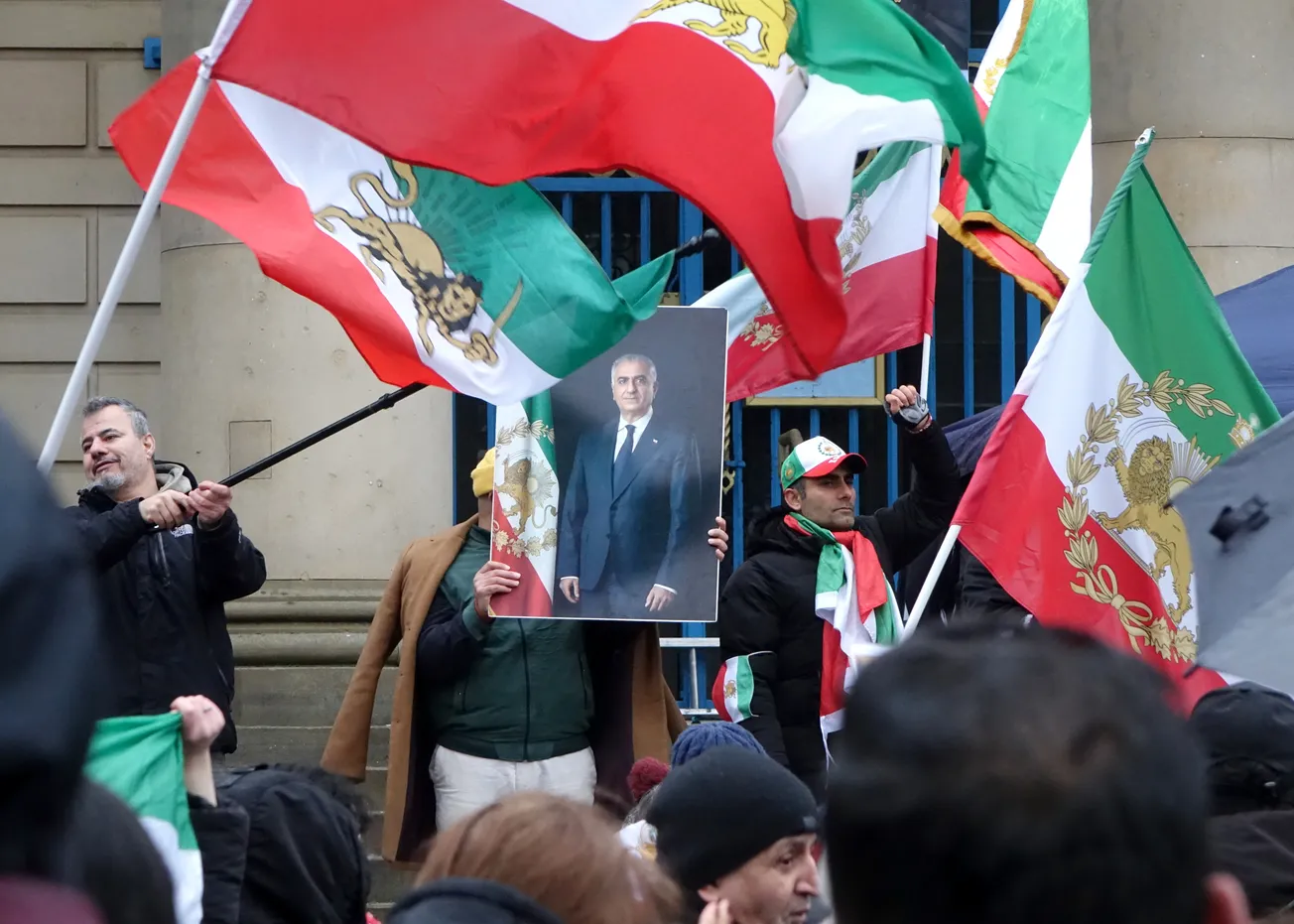
On Sunday, around 300 Iranians in Sheffield gathered in Barker’s Pool to protest against the latest crackdown. They waved the old “Lion and Sun” Iranian flag and held up images of Crown Prince Reza Pahlavi, the Shah of Iran’s son who has been living in exile in the US for decades. However, rather than a return to monarchy, Pahlavi says he wants to lead a transition to democracy. Bita and Shaca are supporters of Pahlavi, but not all Iranians agree. “I am not a fan of monarchy, many people in Iran are not,” says Shaca. “But Pahlavi doesn't claim power. He has a very clear and transparent plan of what he's going to do.” However, Mohammadi worries that if the monarchy were to be restored, the rights of the Kurds will be restricted, as they are in other countries in the region like Syria and Turkey.
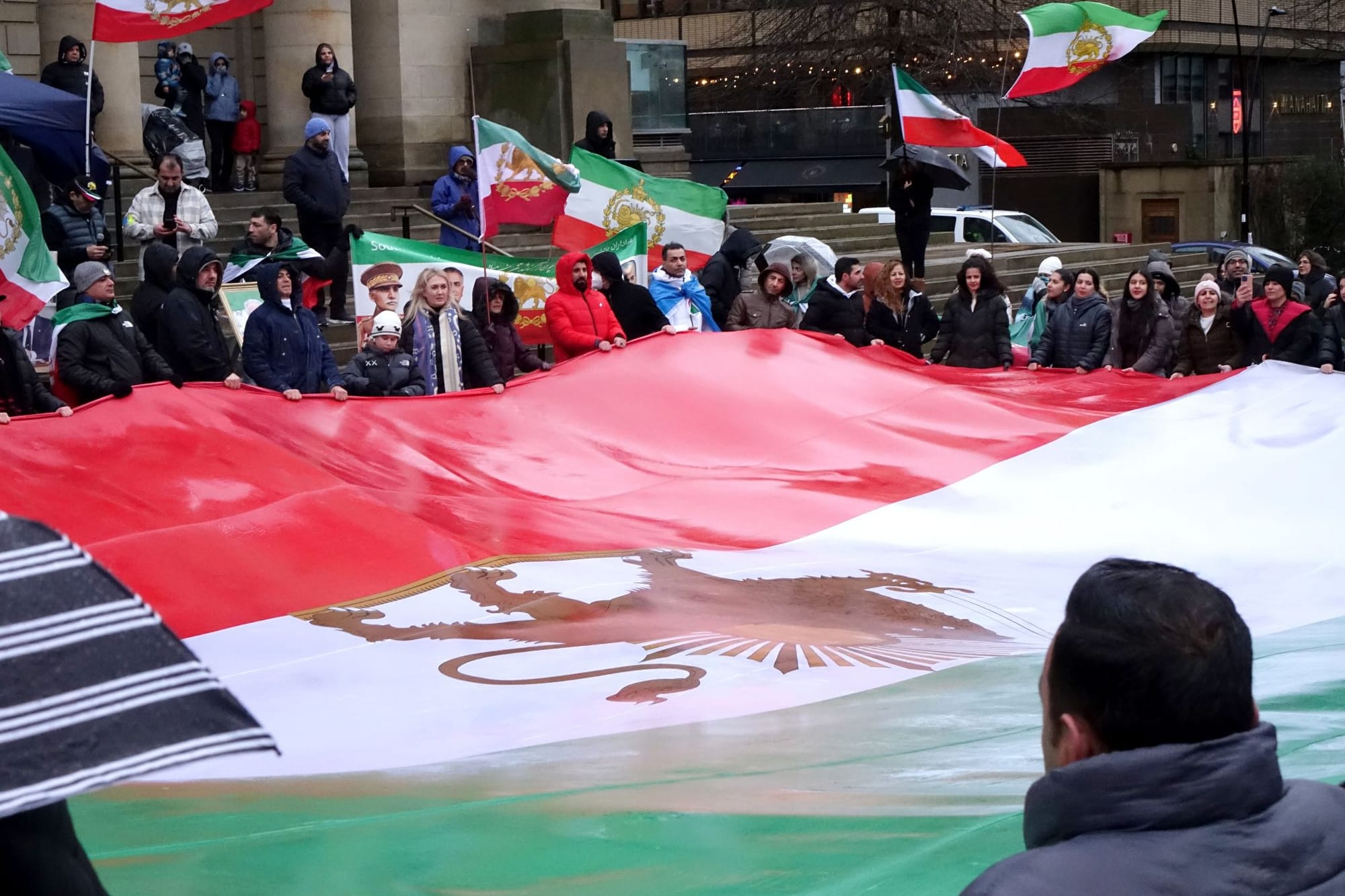
One of those at the protest in Barker's Pool was Reverend Karim Akbari Ghalehnovi, 54, an Iranian Christian who has been living in Sheffield since 2009 and opened the Persian bakery on Ecclesall Road in 2020. He hasn’t heard from his brothers and sisters in Tehran for days, and says the situation for Christians in Iran is bleak. “The protests are still continuing but there are many more soldiers on the streets now,” he says. “Christians are having to go underground."
Everyone I speak to agrees it's impossible for the protesters to bring down the regime on their own. Earlier this week US President Donald Trump posted on social media that “help is coming”, leading many to conclude that intervention was imminent. But in the last few days, he appears to have pulled back again. Could foreign intervention, with all its baggage in the region, really work in Iran? While many in the west have their doubts after previous failures, Aso, Bita and Shaca all say the people of Iran will need outside help if they are to bring down the Islamic Republic. “People are doing what they can but they are civilians, not soldiers,” says Shaca. “The regime says they are Mossad or the CIA, but it’s not. It’s my family and friends. The regime is so weak right now but they can still do terrible things.”
Whether these protests are the ones that bring the Islamic Republic down, or whether they are crushed like the others that have preceded them remains to be seen. In the meantime, Sheffield’s Iranians are left watching, waiting, and hoping for the best. “They have nothing to lose,” says Bita of those currently protesting in Iran. “My cousin says ‘I just want to see you again one day’. My hope for me and my daughter is that we can one day return to Iran.”
Since The Tribune launched, one of our key missions has been to report on Sheffield in all of its glorious diversity. The Iranian community in Sheffield are a big part of our city, but get very little coverage in traditional media.
Events like the protests currently taking place in Iran have a global impact, but they are felt at local level, including in Sheffield. If you want to find out more about all the communities in Sheffield, subscribe to The Tribune.
If someone forwarded you this newsletter, click here to sign up to get quality local journalism in your inbox.
If you’d like to sponsor editions of The Tribune and reach over 30,000 readers, you can get in touch or visit our advertising page below for more information