Skip to content
Sign In Subscribe

Going underground: Why the Peak District tunnel’s time has come

Tribune Sun
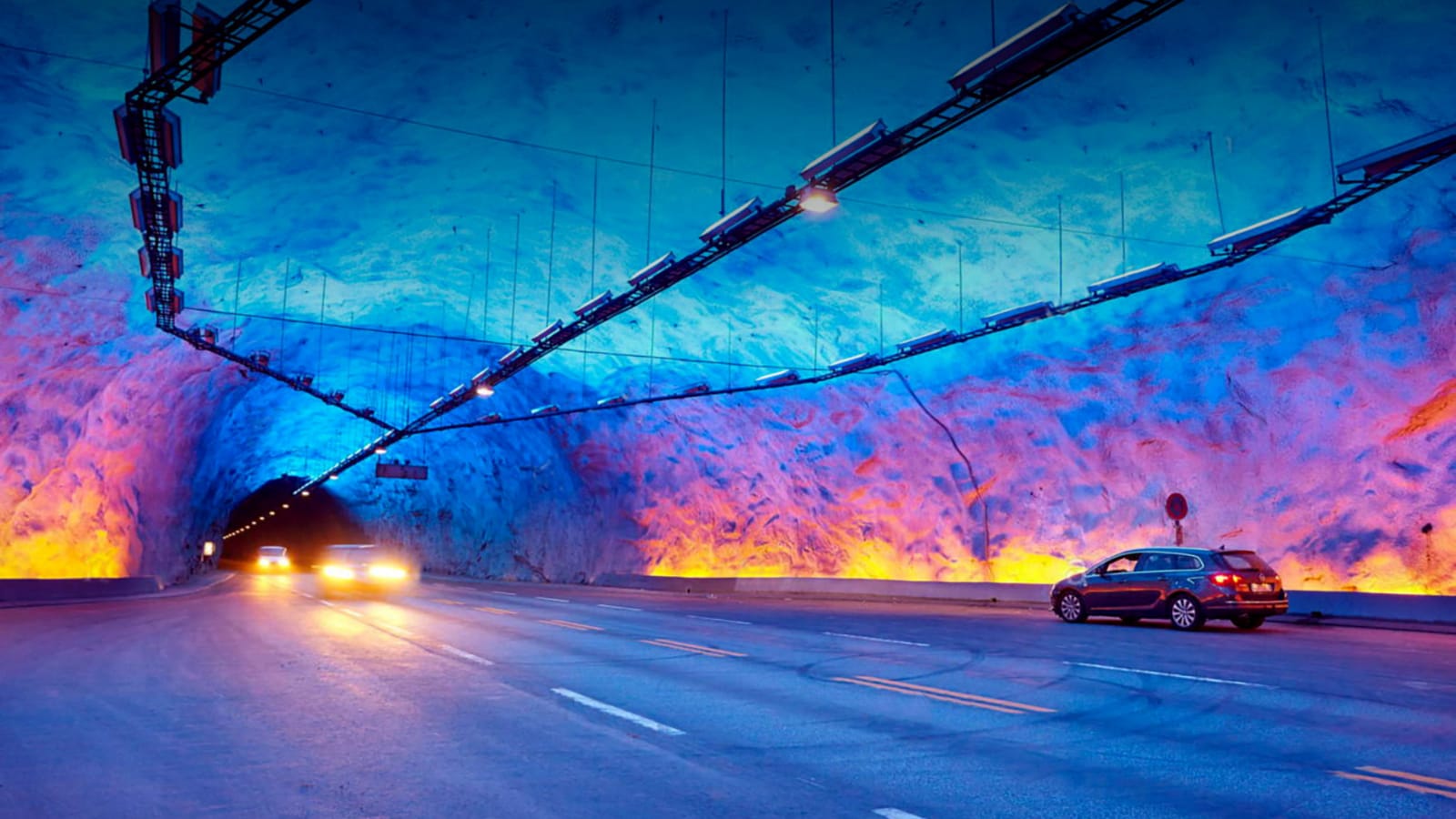
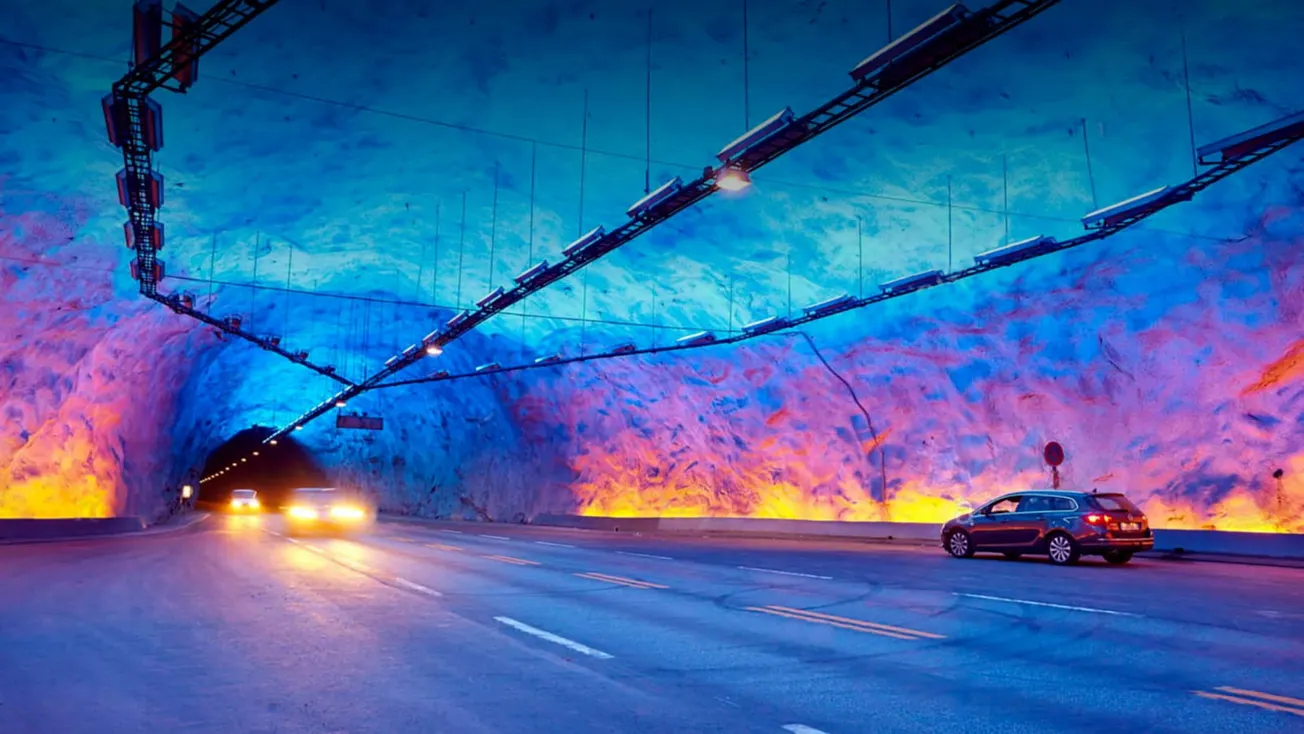
The 24.5km-long Lærdal tunnel in Norway. Photo: Wikimedia Commons.

‘This is one of the most exciting infrastructure projects in Britain right now’

If you often travel between Sheffield and Manchester by road, you'll know the journey can be long and winding – sometimes even painfully so. Though the scenery of the Peak District is thrilling, the overall experience is more often a grinding bore. It turns out it's possible to lose your appreciation for "God's own country" when you've spent an hour or more stuck behind a lorry in Mottram-in-Longdendale.

The reasons this trip is so torturous are no mystery. The two passes available to motorists through the Peak District – Snake and Woodhead – are single-lane in both directions, which makes bottlenecks inevitable. To make matters worse, they're also usually closed for several months each year, mostly due to landslides but sometimes thanks to snow, ice or (as the Woodhead Pass is at the moment) wildfires.

For years, people have argued there must be a more efficient way to connect traffic between these two cities. The journey to find it, however, has been almost as meandering as passes themselves.

The Snake Pass in Derbyshire. Photo: R A Kearton.

This is why a new proposal to solve the problem by building a 14-mile dual-carriageway underneath the Peak District has caused something of a modest stir this past week. Trans-Pennine Connect was dreamed up by the infrastructure consultancy Future Works, who insist it would cut 30 minutes off average journey times between Sheffield and Manchester. As a result, they argue, it could totally transform the South Yorkshire economy, if not the north of England as a whole.

This isn't the first time someone has suggested that the best way to get over Sheffield and Manchester's inter-city congestion problem is actually to get under it. However, it is the first time it's been pitched without a truly eye-watering price tag attached. Thanks to tunneling techniques pioneered in Norway, Future Works insist their plan would cost £2 billion, significantly less than previous proposals in this vein.

Cynics, however, may suspect this will make little difference. Would the national government really spend billions making the drive between two northern cities half an hour shorter? But something about the buzz around this new proposal feels different. Maybe it’s the Burnham effect, but a government statement to the Tribune hasn’t ruled out the scheme — and you could even argue it offered a warm-ish welcome.

This story is free to read. You just need to sign up to join The Tribune's mailing list. And why wouldn't you? You'll get our journalism in your inbox the second we publish, keeping up to date on this and all our stories. No card details required.

Already have an account? Sign In


Latest