
Dear readers - as you read this, perhaps over a nice cup of coffee on a Saturday morning, we are within a whisker of 400 people joining our campaign. It's been an epic response from Sheffield so far.
Tomorrow is the halfway point, so clearly we're a bit behind where we need to be. Could you help get us to 500 by the end of the weekend? That would put us back on track for the last two weeks of the campaign. Pay what you want for full membership for two months.
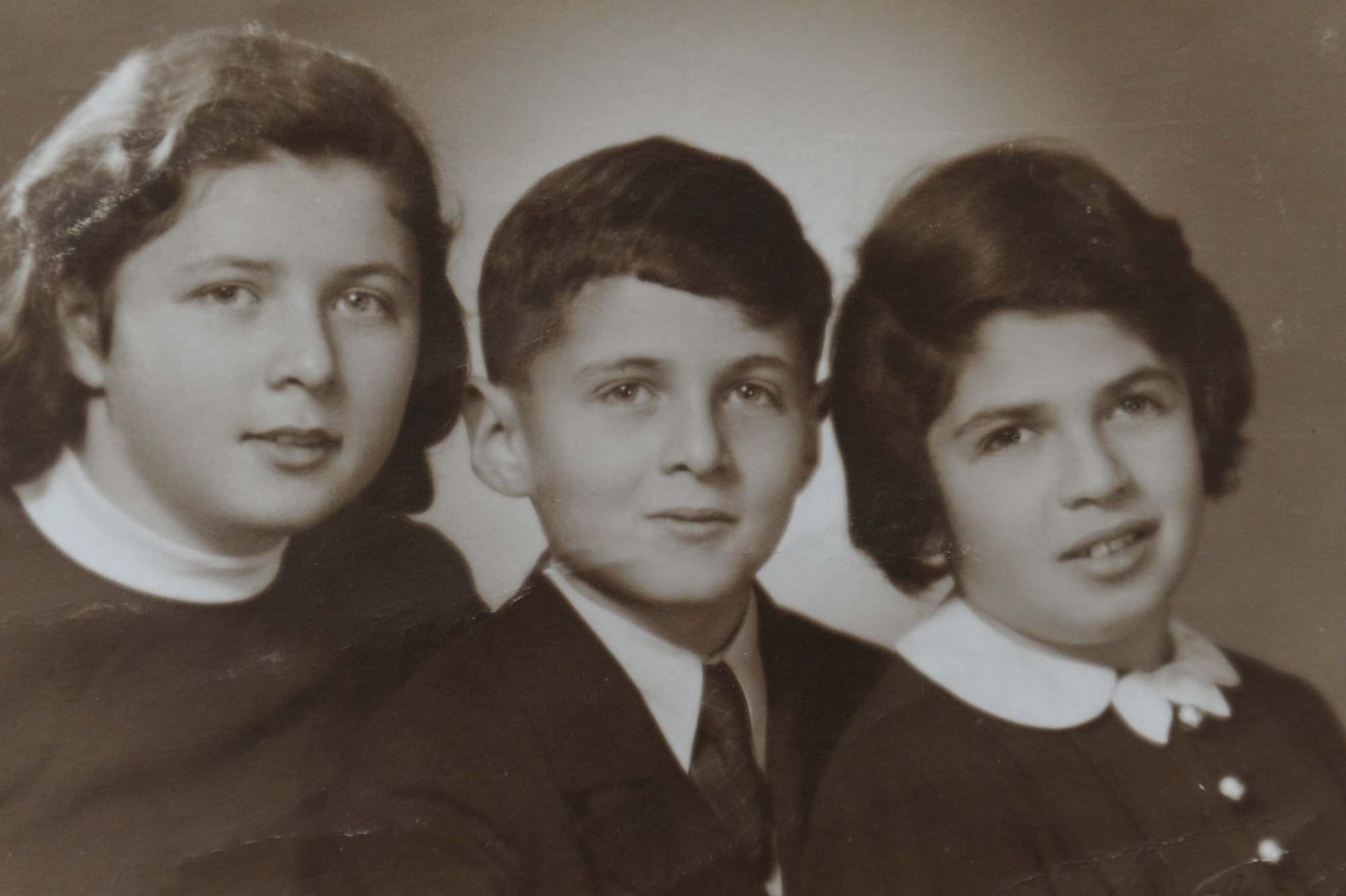
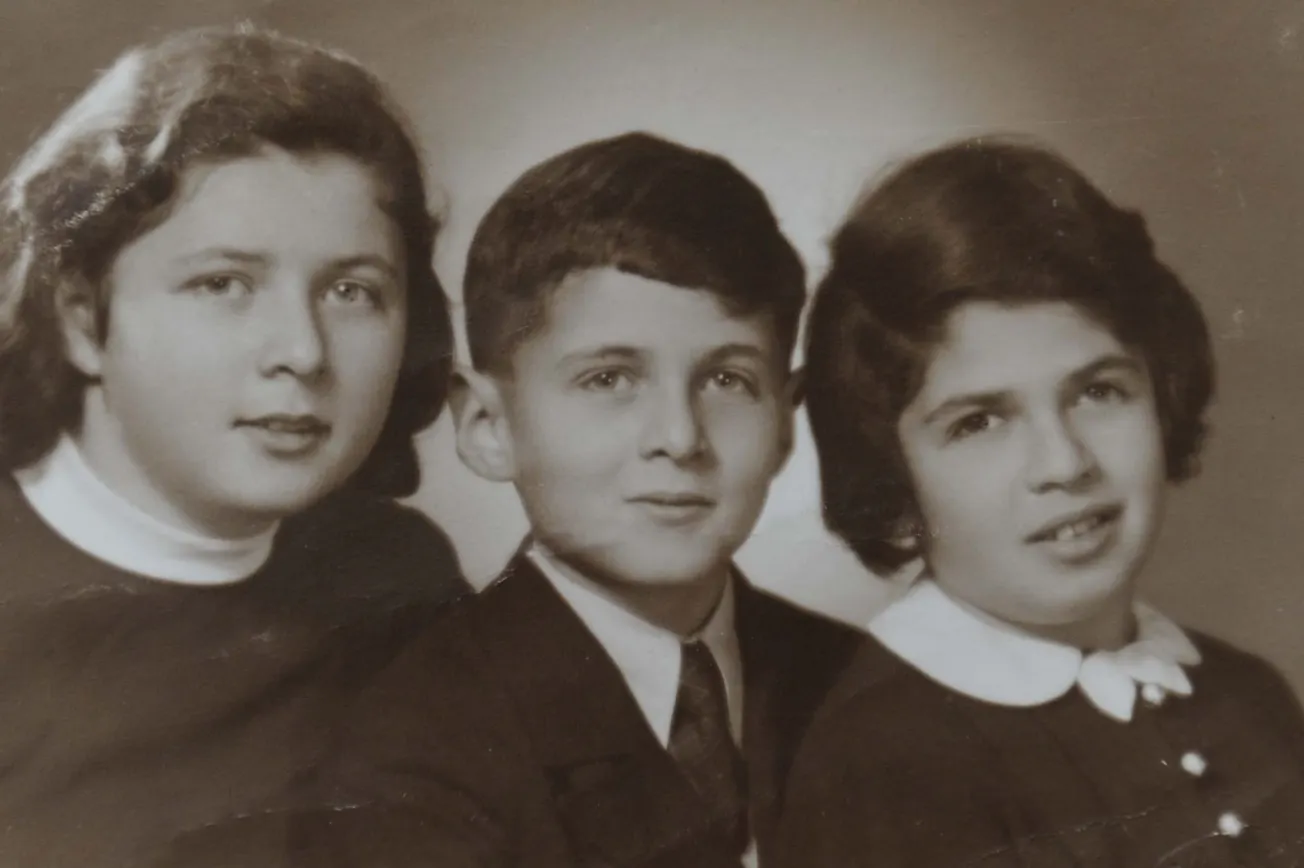
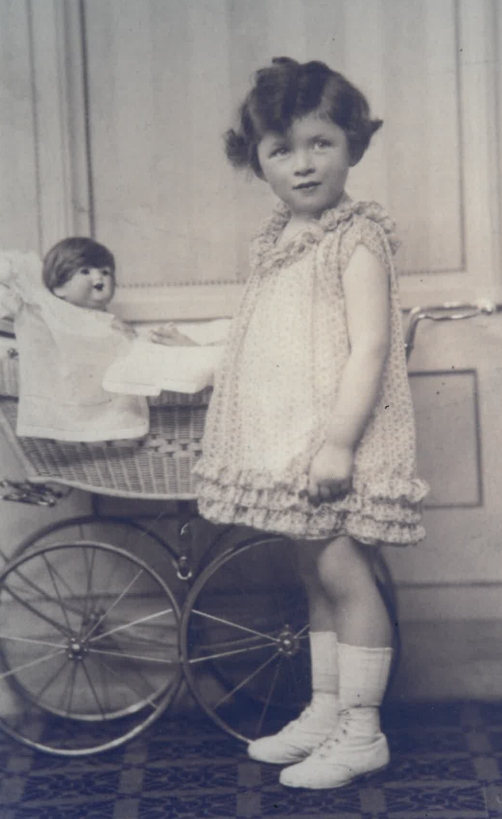
It’s 2 August 1939 and ten-year-old twins Hana and Hans Kohn are waiting for a train that will whisk them off on an adventure a long way from Plzeň, the small city on the outskirts of Prague they call home. Their current world is small and perfectly formed: there's the family’s second floor apartment on Havlickova 18, the haberdashery they run on Premyslova Ulica and, of course, the local synagogue. But this world is about to get thrillingly bigger because their summer holidays will be spent in some place called Sheffield, which is in England. The purpose of this trip, the twins have been told, is to learn English. It’s all very exciting, thinks Hana, if a little emotional. Their parents seem in oddly low spirits. They aren’t coming with the twins, and they’re taking the separation badly.
When the train arrives and Hana and Hans are installed upon it, their mother starts quietly sobbing and their father’s goodbye is delivered in a strained husky voice, as if he too is holding back tears. “Always be good,” he tells them. “Be industrious. Don’t forget us”.
Forget them? Why, they would be back within six weeks. And how could they forget their family when Greta, their older sister, would be following them to Sheffield in a month?
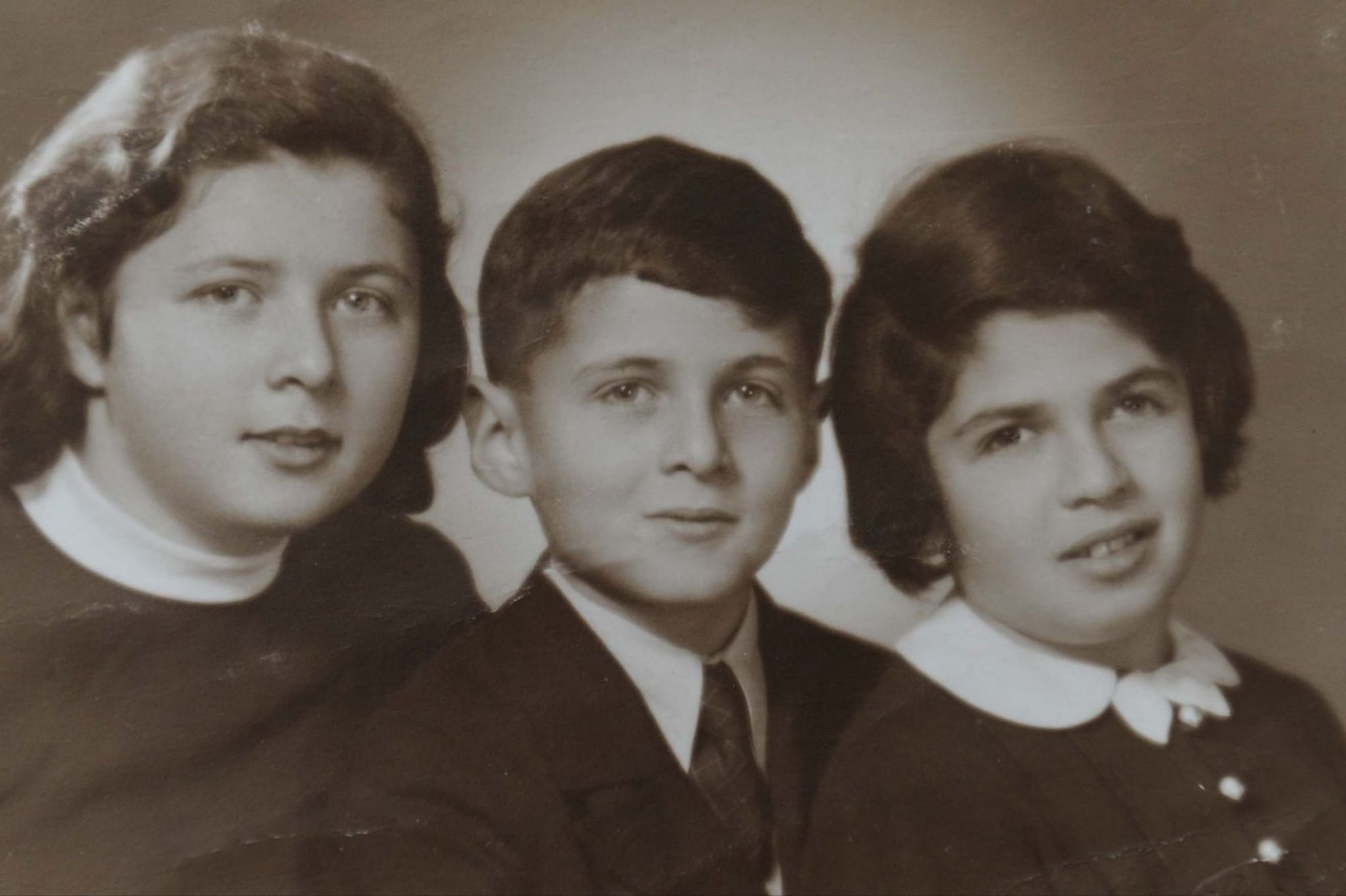
The twins have asked why Greta has to wait until the next train, scheduled for 2 September, but their parents have been vague. Some sort of administrative error. Oh well. The elder Kohns depart the train with one final round of hugs, leaving their two youngest children on their own. Hana looks around at her seatmates. Suddenly, a tear-stained woman runs back onto the carriage, and plucks a toddler from the seat next to her, scooping up the child and carrying them back to the platform. How odd, thinks Hana. But there’s no time to interrogate further. The train is pulling away from Prague now, and she wants to settle into her lovely daydreams about what the sea might look like, and how quickly she will be able to learn English.
Two days later, the twins disembark at Sheffield railway station, dark shadows under their eyes. They’re met by a man who introduces himself as Ben Pomerance. He’s there to deliver the twins to their host families — it turns out they’re going to be separated. Hana will be staying with the five-strong Crookes family in Sheffield, whereas Hans will lodge with the Mulroys, a childless couple living in nearby Rotherham. Ben says this plan will help them learn English quicker but that the twins can see each other every weekend. Reluctantly, they part ways. As soon as Hana gets to the Crookes’, the first thing she does is phone Hans.
It will take many years for the Kohn twins to understand what has actually happened to them. They have not been sent to this small English city to learn the language. Their separation on arrival is actually because the expense of taking two children in is too much for any host family in Sheffield. To ensure their safe passage and board in England, host families must pay £50 per child — roughly £3,000 today.
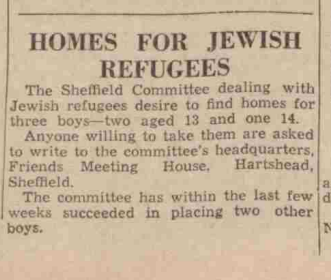
But the expense is worth it. The twins are now two out of some 250 Jewish people saved from the terror of the Nazi regime spreading across Europe by the Sheffield Jewish Aid Committee. Ben Pomerance is a founding member, alongside David Brown and Ena Glass. The trio have spent months traipsing up Sheffield’s steep hills and publishing appeals in the local press, asking families to take in Jewish children. Hundreds of households answer the call.
A shabby wedding and Stolpersteines
Professor Judy Simons, a former editor of Sheffield Jewish Journal, a community newspaper that published from 1946 until 1970, is telling me this story from a beautiful kitchen table in her farmhouse in Bakewell. She knows it well; Simons is the daughter of David Brown and Ena Glass, who fell in love during long nights around a kitchen table, working feverishly to try and save Jews stuck in Europe. Returning from his day job in the cutlery works, Brown would spend his evenings poring over established migration routes the refugees could take into the UK, while Glass translated thousands of letters in German that had poured in from desperate Jews, handing her transcripts to David.
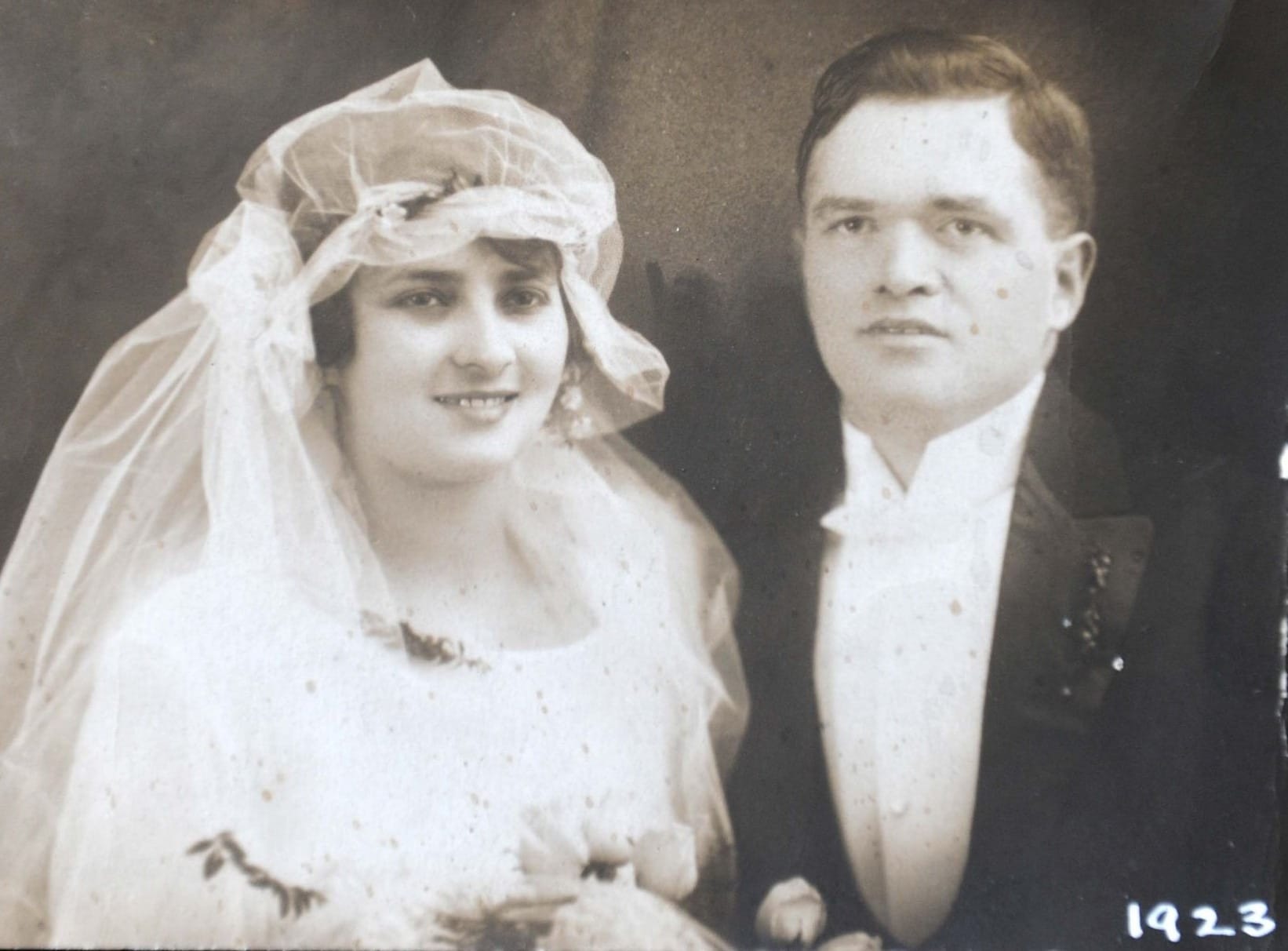
The couple had a “shabby wedding” on a drizzly day in 1942, and bought a home on Dobcroft Road, which became a meeting place and sanctuary for the Jewish refugees who had landed in Sheffield thanks to their efforts.
Also around the Bakewell kitchen table, is Tim Mulroy, a retired Sheffield Hallam lecturer, and his wife Angela. Hans Kohn was his father, Hana and Greta Kohn his aunts. Judy and Tim have both spent their lives piecing together the stories of Sheffield’s refugee Jewish community with the hope that the horrors they so narrowly missed are never forgotten. I’ve arrived at the house windswept and covered in rain with two questions: what have they discovered? And what happened to the twins on the train?
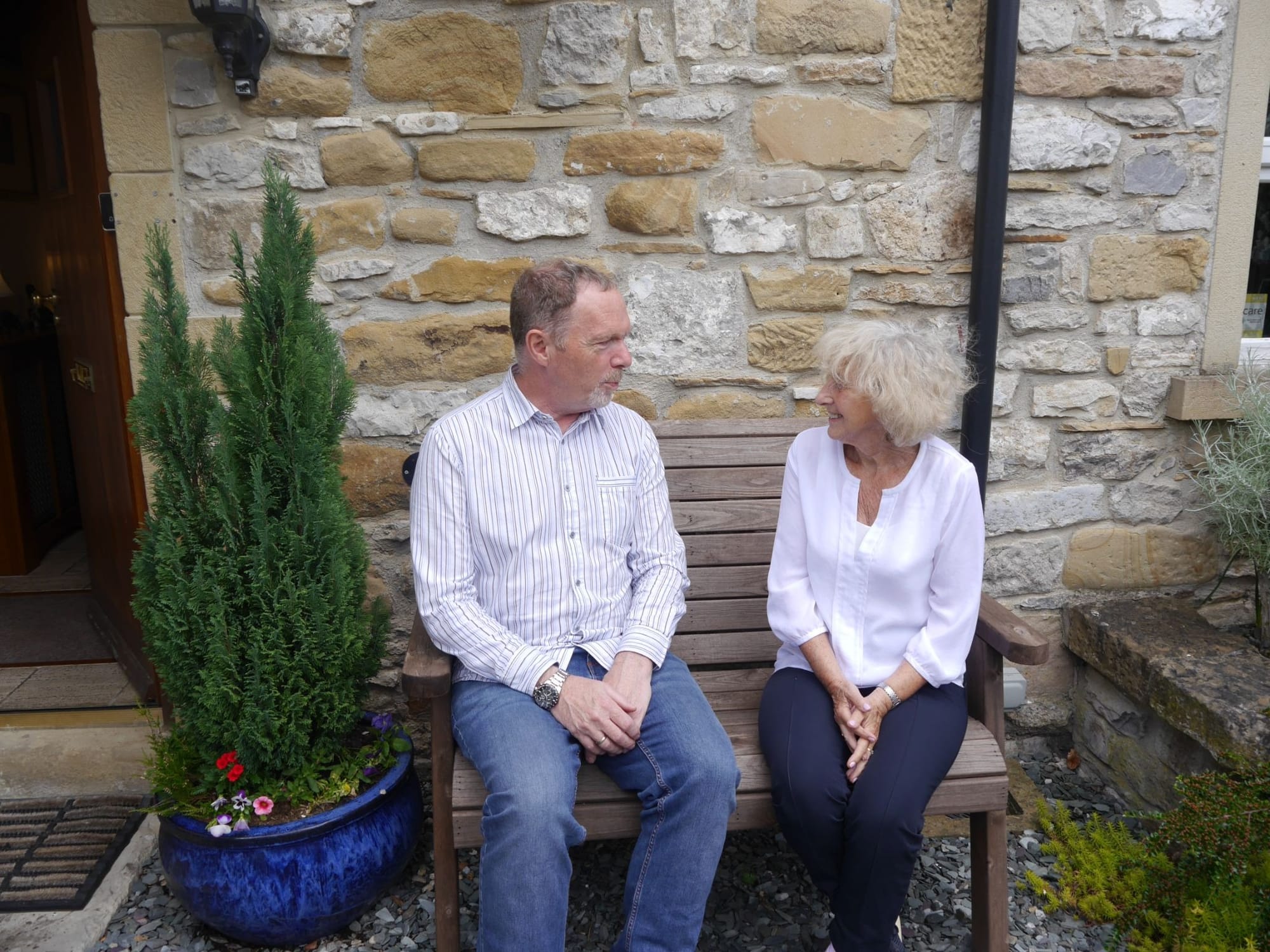
Tim and Angela tell me about a recent trip to Czechoslovakia, sitting in a beer garden with panoramic views of Prague and taking the train to Plzeň to place a Stolpersteine, a brass cobblestone memorial, outside Havlickova 18 in memory of his grandparents and his aunt Greta.
Greta never did make it to Sheffield. She was among 250 children who arrived at the train station in Prague on 3 September 1939, only to be told that because war had broken out two days earlier, the train could not depart. She hadn’t been able to board the same train that Hana and Hans got, the train that would be the very last Kindertransport out of Prague, because the £50 guarantee wasn’t paid quickly enough. The UK government agreed to take Jewish children from Germany, Austria and Czechoslovakia, via the Kindertransport scheme — but only if each child had a guarantor in the UK, who would pay the government £50.
The rules were even stricter for adults, who could only come to the UK if they had secured employment, or were already wealthy enough to not be a ‘burden’ to the government. As a result, the rest of the Kohn family remained in Czechoslovakia, and met their ends in 1942 in Sobibor, an extermination camp in Poland.
In 2023, Tim put in a request with the Plzeň Municipality, requesting a Stolpersteine for the Kohn and Humburger families. The archivist realised another applicant had made a similar request — it transpired that Tim had a set of long-lost cousins, descendants of his great-grandmother (Hermina Humburger). Her nephew had survived the camps, returned to Plzeň and had a family there. In April, these cousins joined Tim and Angela to place the Stolpersteine outside each family’s home. “It was just lovely, very emotional, but in a good way,” he says, his eyes filling with tears.
I ask what Plzeň is like and he smiles. “It’s a bit like Sheffield,” he says, describing steep hills, steelworks that employed over 30,000 people and “very good beer”. “I feel at home there, somehow”.
Strange environments
Hana and Hans were also made to feel at home in Sheffield. Despite barely speaking any English upon arrival, just one year later they both passed the 11+ exam. Hana studied at Hurlfield Grammar School on Abbeydale Road, and Hans went to Maltby Grammar School.
They received letters from their family in Plzeň until 1941, when an uncle in Stockholm managed to get the twins the news there wouldn’t be any more correspondence. In an oral testimony, recorded by Hana in 1996 for the Imperial War Museum, she remembers being told her parents and sister “had been sent to some camp, but of course, this didn’t mean much”. The realisation dawned slowly and terribly over the next few years.
Hana says their families treated them “absolutely wonderfully… we couldn’t have found better second homes”. Her three older foster brothers were fiercely protective of her, and she says she never suffered any antisemitism.
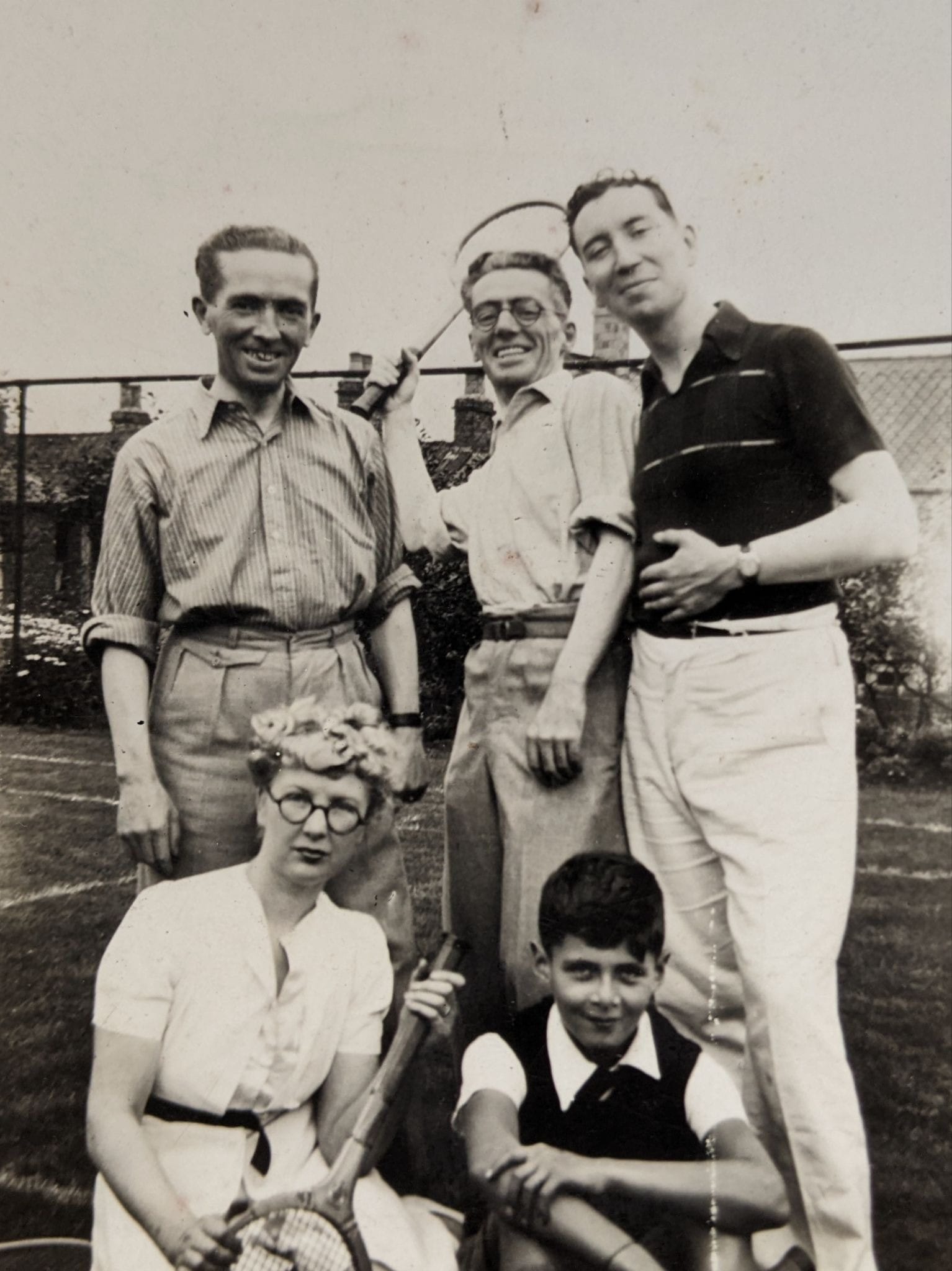
At the end of the war, all the Jewish refugees faced a question: return to an impoverished and largely destroyed Europe, or stay in Sheffield? For Hana and Hans, the choice was obvious, says Tim. How could they put themselves through the trauma of losing family, being transported overseas and dropped into an entirely strange environment all over again?
In 1949 they decided to become naturalised British citizens. Hans took the Mulroy surname, and later changed his first name to John, as he felt nervous about the hostility that Germanic names could still evoke. Hana kept her name until she fell in love with a Scouser called Stephen Eardley. She took his surname in 1965.
The twins had thriving careers. Hans/John became a family GP in Rotherham and a bridge player who competed in many tournaments abroad with Judy’s father, David Brown. Hans/John passed away in 1996. Hana became an astonishingly well-read, multilingual teacher. She moved to Liverpool, where she met Stephen, and began teaching. She’s now widowed and lives alone, says Tim.
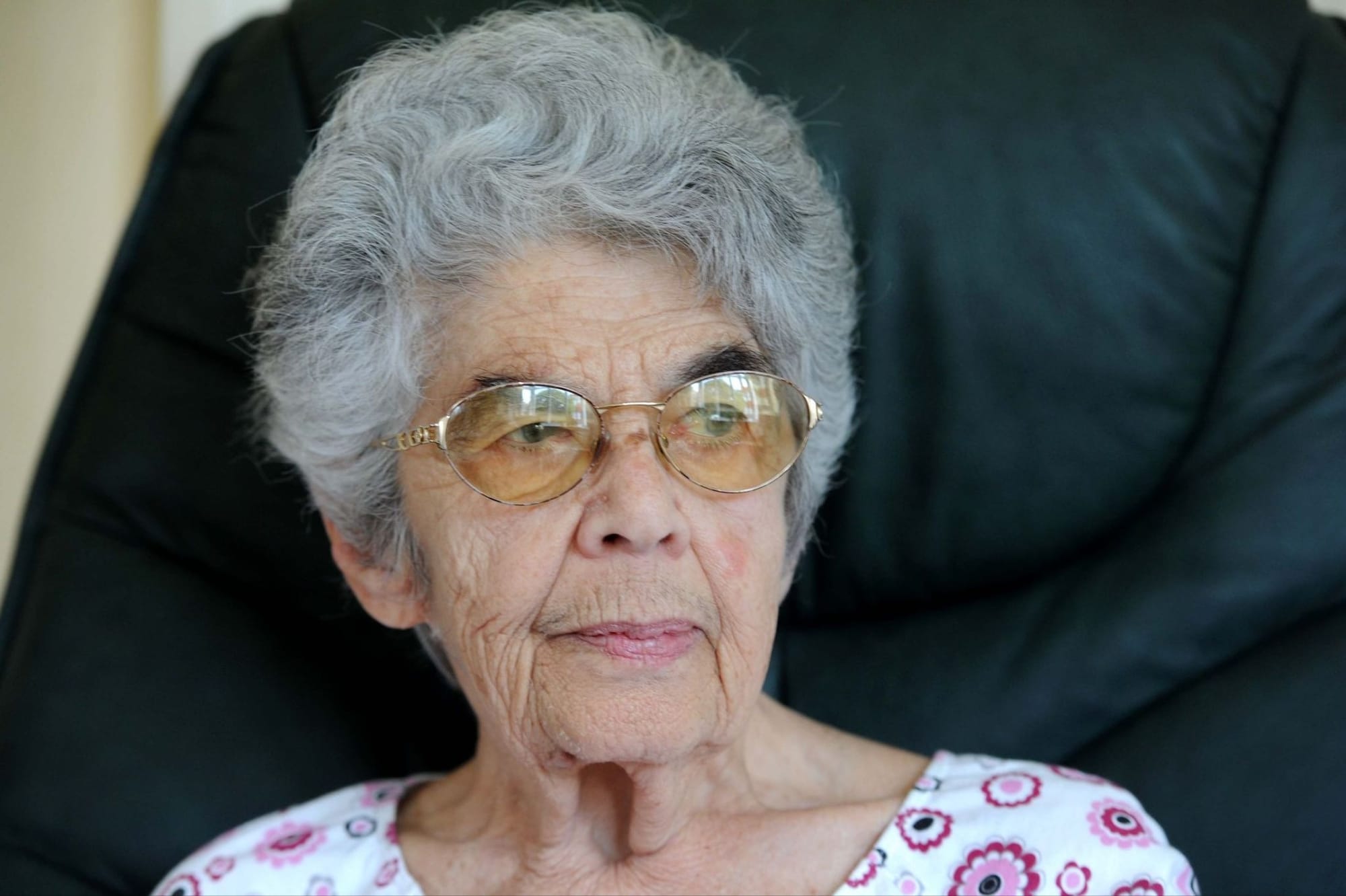
I ask if I can speak to her but Tim says she’s now very hard of hearing — it will be too difficult. Hana has a reputation for being tough and resilient, he adds, but her 1996 oral testimony suggests a deeper vulnerability. In the recording, Hana haltingly admits that although she settled into a happy, peaceful life, she has always lived with the constant fear that “history could repeat itself”. It stopped her expanding her family. “I couldn’t bear to even think of having children.”
Tim’s own father didn’t speak too much about his past; his aunt was the one to share their family’s story. The two still see each other regularly. When Hans/John died, it prompted Tim to start giving talks at schools about his family’s escape from the Holocaust.
Among the many documents, photos and testimonies now in Tim’s possession, after years of trying to discover as much as he can, there’s one letter that stands out. It reminds him of the importance of hope, amidst so much devastation.
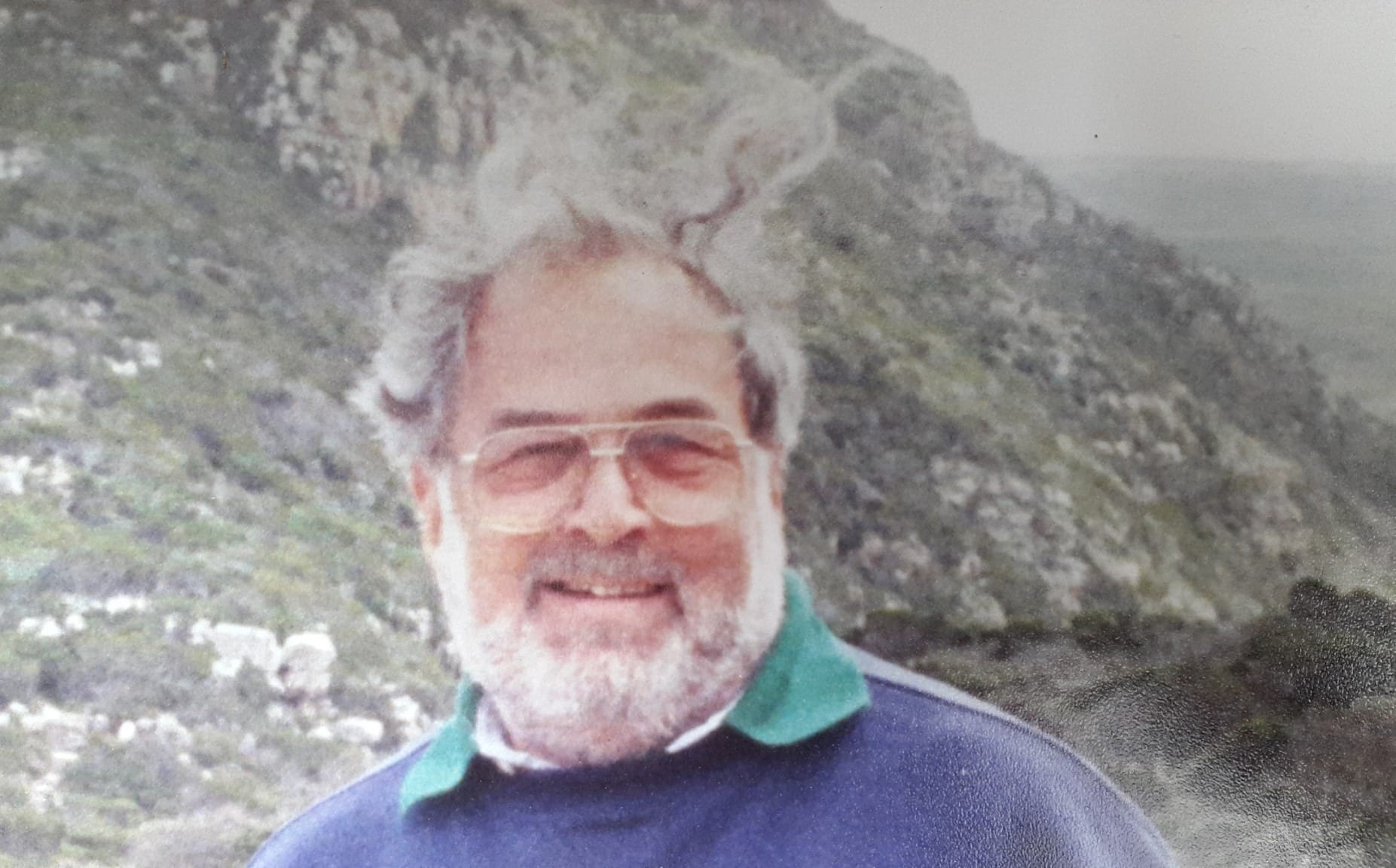
The letter was from Ben Pomerance, responding to an invitation to John’s wedding to Mary Alderman in 1959. In the letter, he wrote to Mary that the day he met John and Hana at the train station in Sheffield was “one of the most profoundly moving moments of my life”. Though he had not “seen anything as much of him or of Hanna [sic] as I would have liked”, the intervening years had done nothing to diminish his affection for them.
“It was somewhere around dusk when their train drew in, and in some curious and indefinable way I remember thinking that these two children were themselves possessed of something of that intangible, mysterious, lost quality which pervades the air when day has nearly passed and when night has not yet come,” he wrote. “I had never seen two human beings who looked so utterly and completely alone; and who were, at the same time, determined not to give that particular impression; they couldn't speak much, and there was a bewilderment; there must have been some fear; there must have been much inner desolation; but there were also occasional quick, little smiles, and those little smiles seemed to me as heroic as any human expressions I have ever encountered.”
Thanks for reading this story. Over the past week, we’ve been meticulously researching, fact checking and interviewing people to allow us to tell the full story of Sheffield’s efforts to save Jewish children from Nazi territories. At The Tribune, our writers are given the time to do the proper reporting that leads to nuanced and deep stories.
That’s all thanks to the financial backing of our paying subscribers, who fund our work. Right now, you can join as a paying subscriber for as little as £0 for your first two months. Just hit the button below.
With thanks to Professor Judy Simons, Tim Mulroy, Angela Mulroy and Sheffield Local Studies Library. You can buy Judy’s book, From Shtetl to Steel City, here.