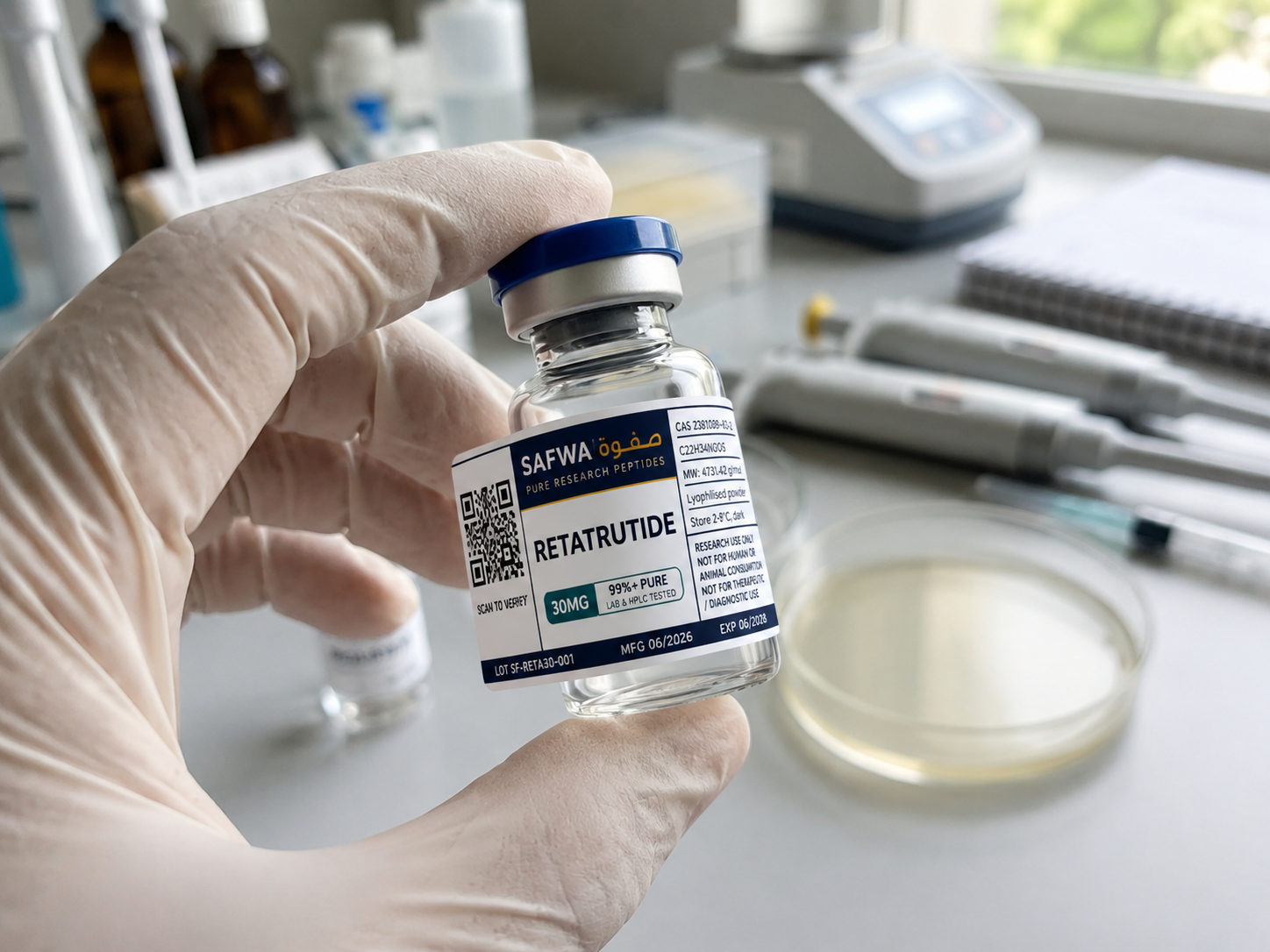
According to Sarah, a 48-year-old cleaner, losing two stone in the last four months was a breeze — even though she had to turn to the criminal underworld to pull it off. “I’ve always trained and eaten well but then, out of nowhere, I put on eight or nine pounds, which was a bit demotivating,” she tells me, as we sit on the floor of a local gym surrounded by weight-lifting equipment. “I’m in my menopause era so that’s why I did it, and honestly it’s been the easiest thing I’ve ever done.”
Rather than turn to an NHS-approved weight loss drug like Mounjaro — which can cost anywhere from £125 to £320 for a month’s supply — Sarah has been injecting a peptide called Retatrutide, which has not yet been legally approved for medical use in the UK. Despite her insistence that her weight loss was easy, she quickly reels off an alarming list of side effects. “I found the first six weeks nauseous. It made me really, really sick, headachy and very lethargic,” she says. However, she stands by her decision to keep injecting. “I found that hard, but I persevered and just concentrated on my protein intake, and then suddenly overnight it just disappeared — the weight and the symptoms just went.”
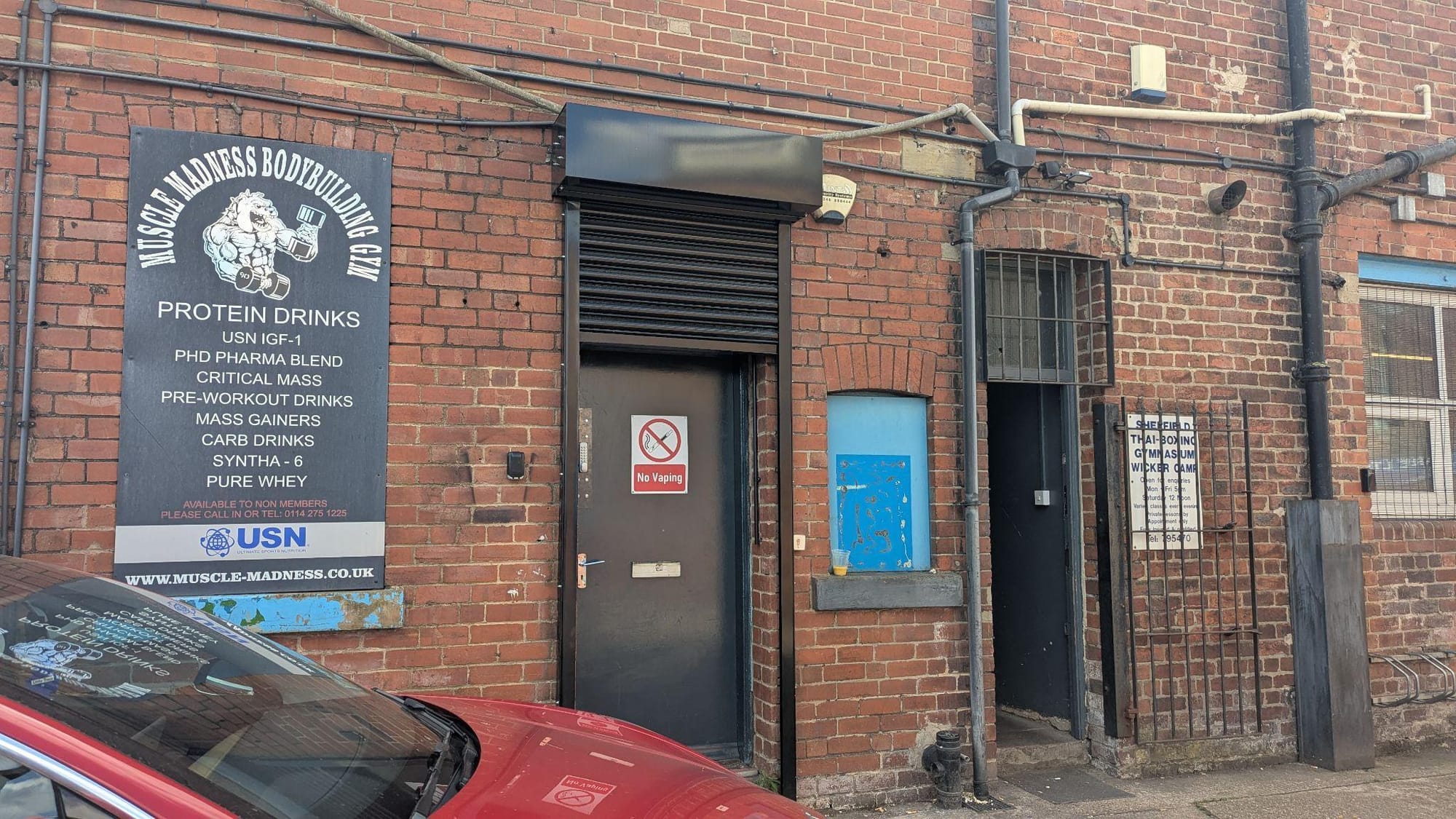
Sarah is far from the only local resident injecting this potentially dangerous supplement, or others like it, after being enticed by the promise of easy results at a low cost. Peptides — the umbrella term for a wide range of short-chain amino acids — promise to treat everything from obesity to anxiety. According to the owners of the city’s various bodybuilding gyms, they have quickly begun to overtake anabolic steroids as the illicit performance drug of choice. “It’s a taboo subject, but it’s already widespread,” says David Grubb, the owner of Muscle Madness on Effingham Road. “It’s a massive, massive industry.” Another gym owner, who asked to remain anonymous, said they would immediately ban any regulars they discovered were injecting peptides. In their view, they add: “It’s people making money off people who are sad.”
But it’s clear that the current “peptidemic” is not at all limited to bodybuilders, or even to the city of Sheffield. In July, the UK’s Medicines and Healthcare products Regulatory Agency (MHRA) put out a press release begging the public not to put their health at risk for a “summer shortcut” to losing weight. Andy Morling, the head of MHRA’s criminal enforcement unit, warned that “rogue sellers” are driven by profit, not safety: “The fake medicines they sell could put your health at serious risk.” In private messages with me, one local seller on Facebook Marketplace, who I find hawking the reusable pens needed to inject peptides, succinctly outlines the incentives involved. “If there’s a gold rush,” he writes, “sell shovels.”
In a bid to understand the “grey market” flogging peptides in Sheffield — so-called because the chemicals can be sold for research purposes, but are illegal if sold for human consumption — I go straight to the source. Though I’m quickly able to find five clinics in Sheffield happy to satisfy all my injectable needs, I eventually select “Dr Chow”, the proud owner of a business based in Crookesmoor. Though his clinic has no website, I find him incredibly responsive after calling the number listed. “I’m guessing you’re interested in peptide purchase,” he messages on WhatsApp, minutes later and without asking any other questions. When I don’t immediately respond, he messages again: “??” Dr Chow readily admits that he sells his peptides “for research and human consumption as well,” although he does not respond when I point out that this is illegal.
Though he seemingly agrees to my request for an interview to discuss his illegal business, I hear very little from Dr Chow until two days later, when he forwards me a three-page document listing all 88 products he has for sale. His prices range from just a fiver (for ten 3ml vials of benzyl alcohol) to hundreds of pounds. For example, ten 10mg vials of the peptide humanin, which helps to reduce inflammation and support metabolic health, would set you back £210. While some of his products are familiar to a layman like myself, such as vitamin B12, many are identified by strings of letters and numbers.
When I push for an interview again, the good doctor changes tack. Would I be interested in an “exclusive tour” of the laboratory where his products are made? While many suppliers import their drugs from China, I’m surprised to learn that Dr Chow’s are apparently manufactured right here in Sheffield. He’s more than happy for me to come “witness first class production” for myself — as soon as tomorrow even — provided I’m willing to pay a £100 “deposit”. Eager to snoop but unwilling to cough up this exorbitant fee, I head to the registered address for his business, hoping to catch a glimpse of his operation.
Sheffield deserves great journalism. You can help make it happen.
You're halfway there, the rest of the story is behind this paywall. Join the Tribune for full access to local news that matters, just £8.95/month.
SubscribeAlready have an account? Sign In