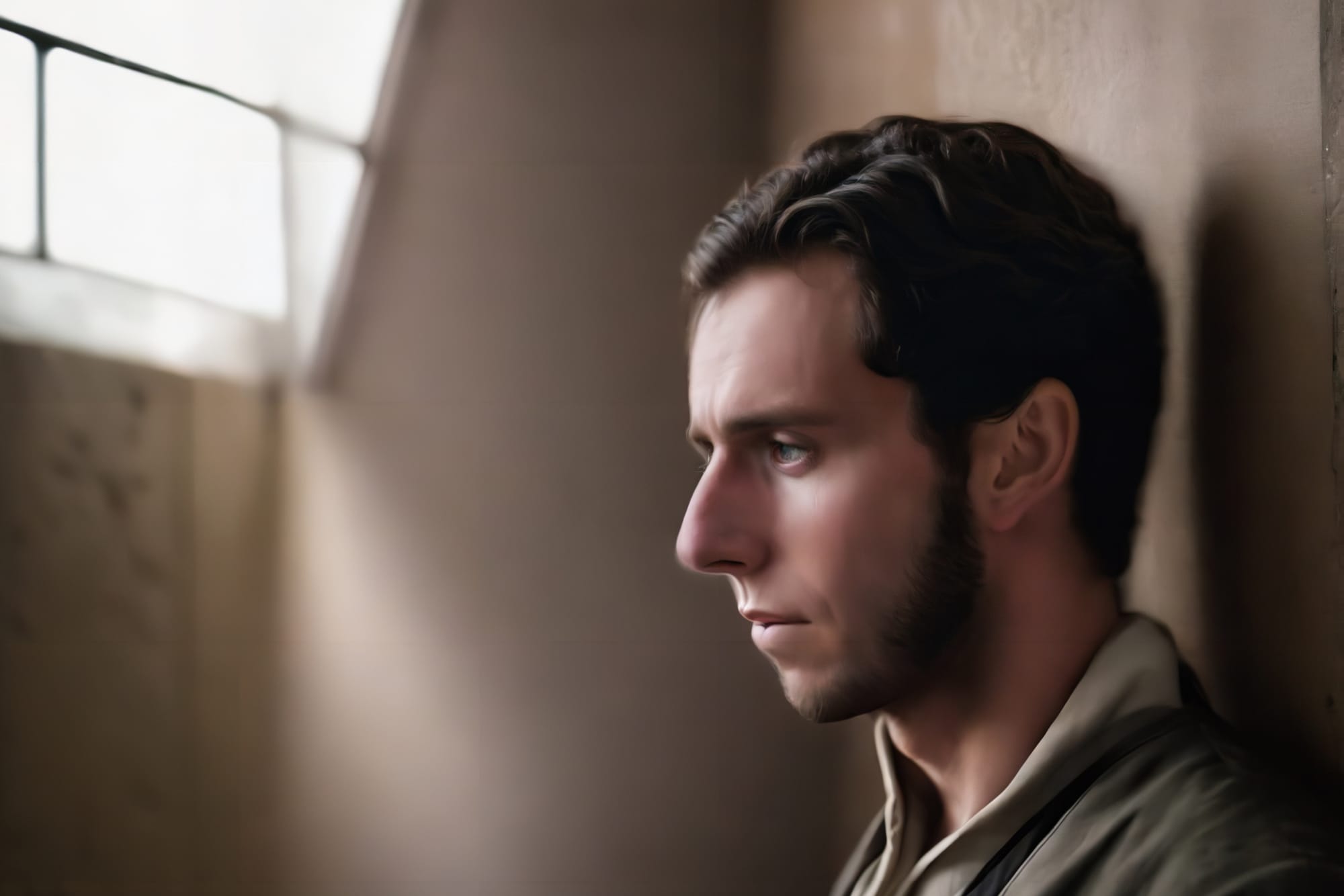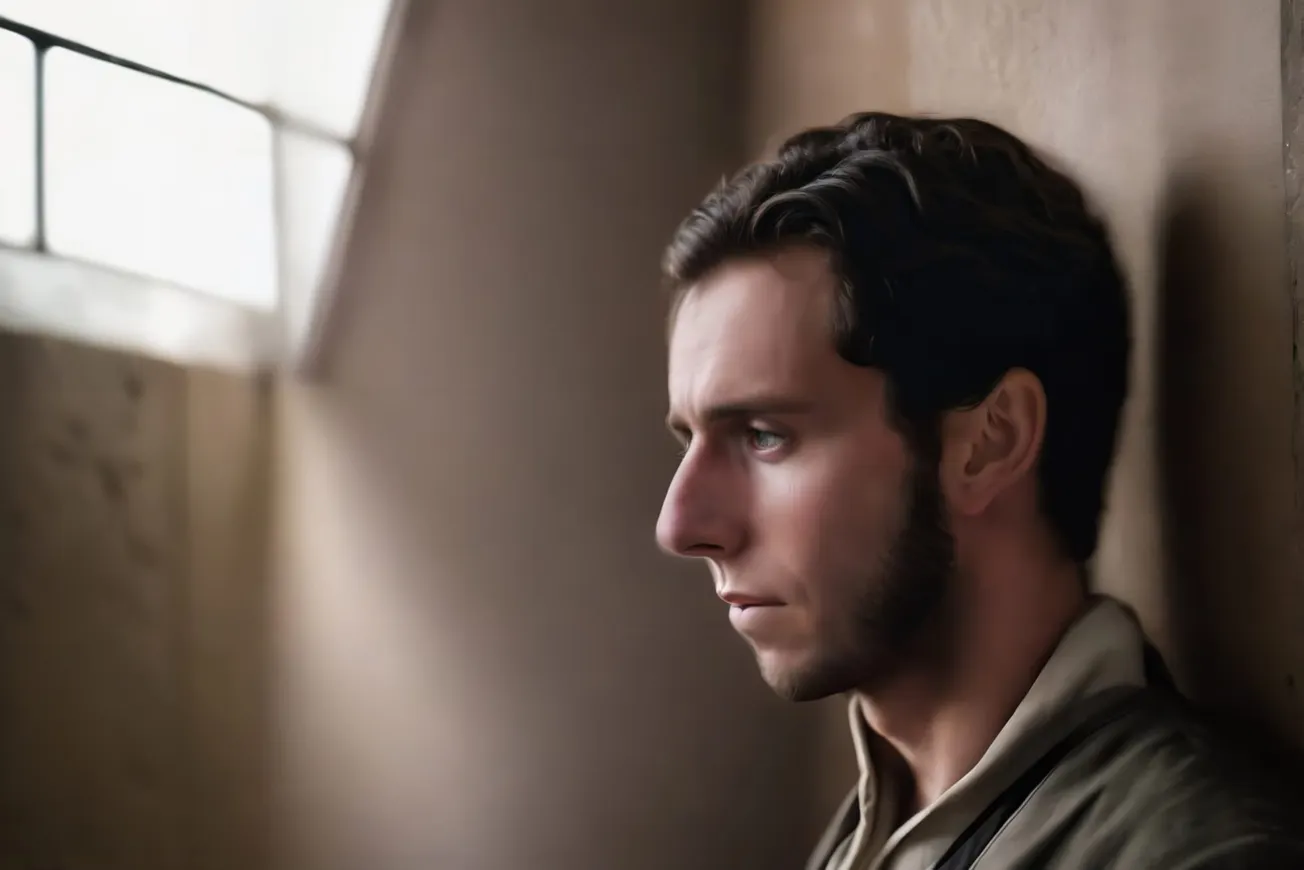
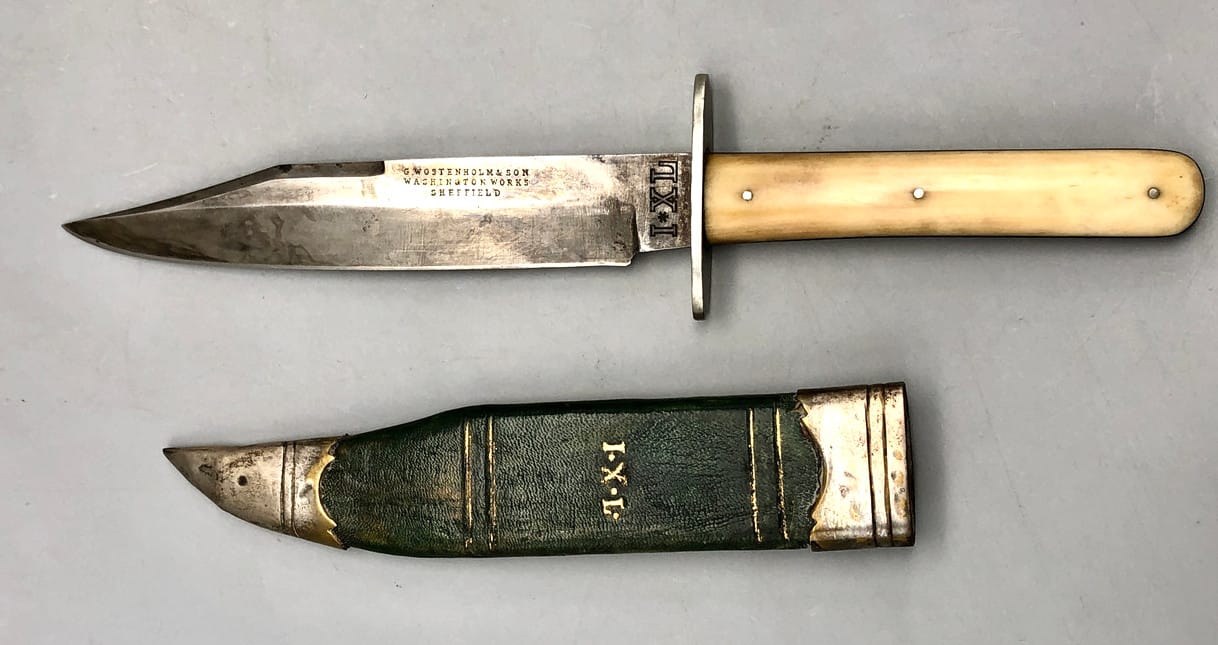
The police closed in on Eyre Lane at around 10pm. Inside a small cottage, Mary Holberry was working in the kitchen alone when the quiet was shattered by an insistent rapping on the door. Opening it to a mass of police as well as soldiers, the flustered Mary reluctantly told them her husband was on the floor above. Rushing up the stairs, one of the policemen burst into the bedroom. “Are you one of the people called Chartists?” demanded the police constable. “I am,” replied 25-year-old Samuel Holberry, still lying on his bed. Arresting him, the police officer found a dagger in his breast pocket. Elsewhere in the house were home-made shells, grenades, powder, fireballs and a horse pistol.
Plans for the “Sheffield rising” had been in place for weeks. At 2am on 12 January 1840, just a few hours after Samuel Holberry was arrested, a group of conspirators were to begin the insurrection by firing on the barracks at Upperthorpe. Then other groups would move on the police office and the Town Clerk’s house. Finally, further groups would target the homes of magistrates, and any magistrate found driving towards the town beforehand was to be assassinated on the road.
Two key buildings in the town centre were going to be the rebels’ mainstay: the Town Hall on Waingate and the Tontine Coaching Inn on Haymarket. The Tontine was Sheffield’s main logistics hub and connection with the outside world — hold that, and news of the insurrection could be contained, buying the rising several more precious hours. Once secured, the two buildings were to be defended with the grenades and home made shells of the kind found in Holberry’s home. Marksmen stationed at the windows and roofs were to pick off police and soldiers, while spiked balls or “night cats” would be scattered around the buildings to cripple cavalry horses coming from Shalesmoor barracks.
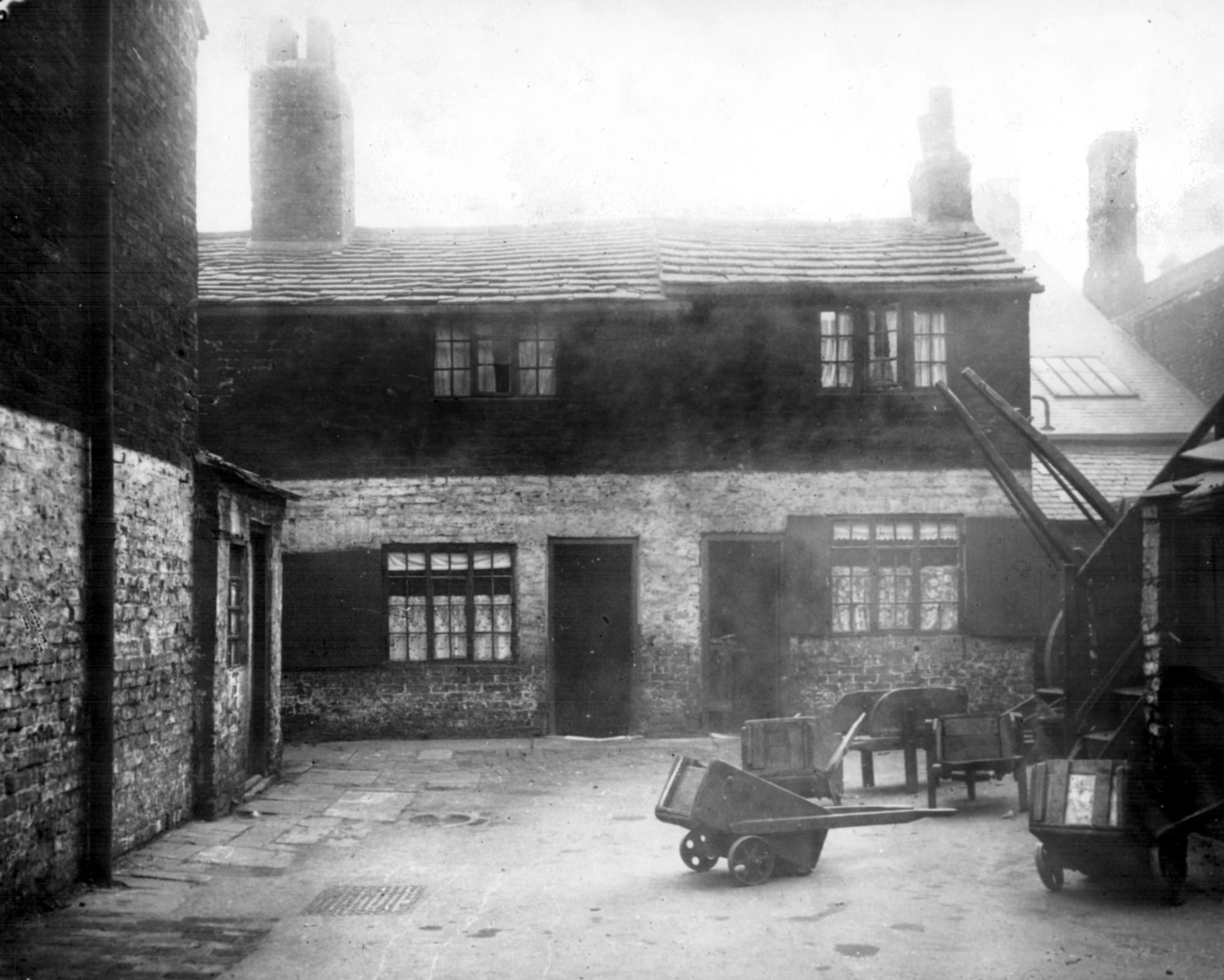
However, unknown to his co-conspirators, a Rotherham Chartist named James Allen had been turned by the authorities weeks earlier (others who betrayed the cause received money; it is unclear in Allen’s case). When Allen was sure the rising was imminent, he told the police of the impending attack, who in turn informed the commander of the 1st Royal Dragoons at Upperthorpe barracks. While some Chartist groups did still attempt to continue with the insurrection after their leader Samuel Holberry’s arrest, it quickly became apparent that they had failed. The Sheffield rising — 186 years ago on Monday — was over before it had even begun.
The story of Sheffield's failed revolution is recounted in detail for the first time in Samuel Holberry: Revolutionary Democrat 1814-1842, by John Baxter and Steven Kay. Kay is the publisher behind Sheffield imprint 1889 Books, and was planning to write a novel about Holberry’s life when he contacted Baxter (a lecturer in history and “an old leftie” in Kay’s words) to help him with the research. As they worked together, the pair realised they had amassed enough new material to publish the first authoritative account of the rising instead.
To understand the rising, you first have to understand the Sheffield of the time, Kay says. By the late 1830s, the city had become a hotbed of radical sentiment. Unemployment was rising fast and thousands were out of work. Appalling poverty was widespread while men, women and children died of starvation and disease caused by atrocious living conditions. It was the age of the New Poor Law and the workhouses which essentially criminalised poverty by locking up those who could not afford to look after themselves. Add to this a brutal and repressive state and the conditions became ripe for revolution.
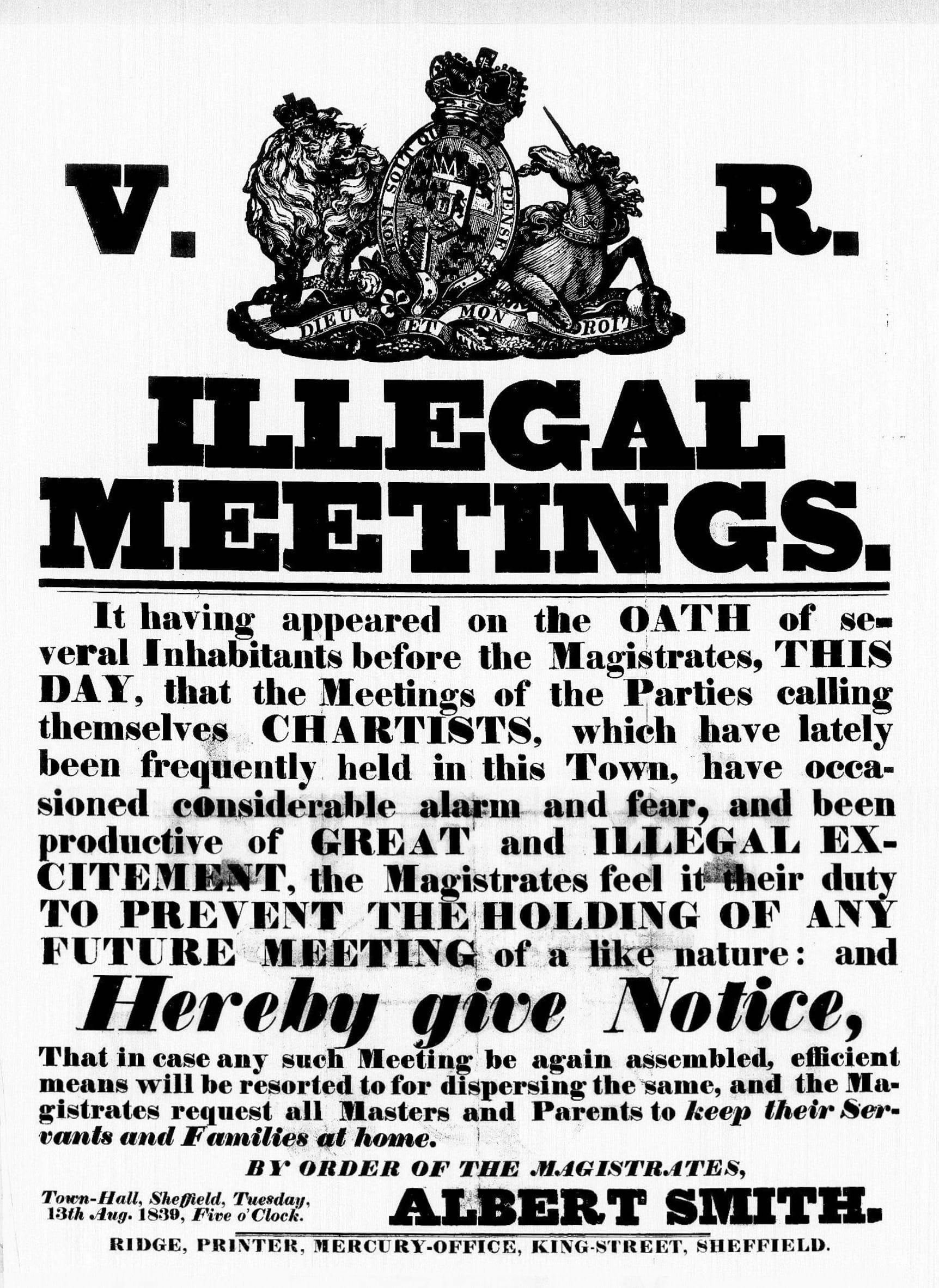
Inspired by writers including Thomas Paine, as well as the democratic revolutions in the United States and in France in the 18th century, the Chartism movement grew out of the extensive network of working men’s associations which sprung up during the industrial revolution. They were named after the “People’s Charter”, a manifesto published in 1838 which called for six key democratic reforms. These were that all men were to have the vote, that voting should take place by secret ballot, that voting for parliamentary elections should be held every year not once every five years, that constituencies should be of equal size by population, that members of parliament should be paid, and that the rules requiring members of parliament to own property should be abolished.
The Tribune is best in your inbox. Never miss an edition and hear from us as soon as we publish. Just sign up for free by clicking below.
The Chartists set about gathering support for their manifesto, and in 1839 delivered a petition to Parliament. When it was carried into the House of Commons, presumably by several people, it had more than 1.2 million signatures and measured three miles long.
But, any hope that the overwhelming weight of support for the People’s Charter might cause the political establishment to think again was quickly crushed. It is said that when the Chartists’ demands were read out, the rich, landed men who were sat in the chamber laughed.
Up until that point Chartism had pursued purely parliamentary means. However, the rejection of the petition led to splits in the movement between moderates and radicals. The so-called “moral force” Chartists advocated democracy and peaceful protest. Opposing them, were the “physical force” Chartists, who called for armed insurrection. (A couple of decades on, a group of Sheffield women would become disillusioned with Chartism’s failure, and begin their own meetings, eventually giving birth to the suffragette movement.)
After an attempted uprising in Newport in South Wales was put down and its leaders put on trial, radicals in other towns and cities plotted their own insurrections. As a six foot two former soldier, Holberry had an “erect military bearing” which Kay says would have helped him “command loyalty and communicate authority”. As tensions grew in the second half of 1838, he drew on this recent military experience and growing reputation as a street fighting tactician to be the unquestioned leader of the physical force Chartists in Sheffield. Holberry wasn’t chosen for his oratory, but his ability to cause damage. “By the time he came to the fore, the talking had been done,” Kay comments.
Where Holberry’s radicalism came from remains something of a mystery. His background was unremarkable. He grew up on a farm in Nottinghamshire and then served in the army for three years, before working as a distiller when he settled in Sheffield. However, after researching his army records, they know he served in the 33rd Regiment of Foot between 1832 and 1835. When Holberry enlisted coincided with the election of 1832, the first held under the Great Reform Act passed the same year. While this was presented as a major improvement in democratic rights in Britain, in reality it only allowed 4% of the population to vote.
Disillusionment with their continued exclusion and the perceived deception of the political classes boiled over at several of the election hustings. Holberry’s regiment was dispatched to Walsall to quell election riots, while at the same time in Sheffield, five people were shot dead by the army. Whether being part of a military force which was brutally suppressing protest lit a fire under Holberry we’ll never know, but it remains a tantalising possibility.
However it happened, by the late 1830s, he had become convinced the People’s Charter was the only thing that could bring about change. “The vote wasn't just a nice thing to have, it was a means to an end,” says Kay. “It was the thing they believed would change people’s lives for the better.” At the time many radicals were leaving Britain for new lives in the New World. Holberry, however, was determined to bring democracy to the vast majority of Britain without the vote.
His arrest put paid to these hopes. He and another conspirator were taken to York castle prison, escorted by 100 men on horseback. According to Kay, this was very obviously a “show of force” by the state intended to deter anyone else from considering following his example. At his trial in York in March his charges were reduced from treason to “seditious conspiracy”, although any hope that he would get a fair trial was forlorn. The jury, made up entirely of men of property, took just minutes to convict him. The judge sentenced Holberry to four years in prison.
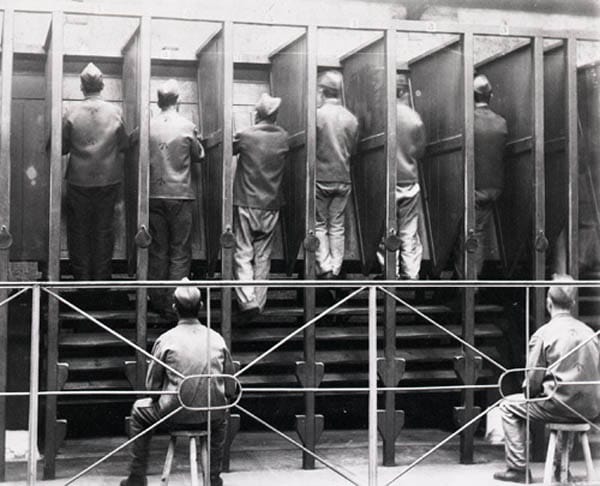
And it was the worst prison imaginable: Northallerton's notorious House of Correction. In the mid-1800s prisoners were expected to work for their board and Holberry was put on the treadwheel, a large human-powered wheel used to power a mill or a pump. Inmates would be forced to climb the equivalent of thousands of vertical feet on a large, rotating wheel for up to six hours a day. “It was essentially a form of torture”, says Kay, with prisoners’ spirits broken through monotonous, gruelling labour.
Unsurprisingly, given the back-breaking work, poor diet and unsanitary conditions, Holberry’s health deteriorated rapidly. A formerly fit young man, who had grown up on a farm and served in the army, he was reduced to a shell in a matter of months. His letters to his wife and Chartist supporters detail his failing health, describing being “reduced to a skeleton” with sunken eyes and jaundice. A surgeon who inspected him in late 1840 described him as weak, with his “skin and eyes suffused with bile”.
In one letter dated 24 April 1842, he even seems to foretell his own death. “I am in such a state of bodily debility that I can hardly crawl, and, dear friend, you may be rest assured that I shall never serve two more years in prison. No! Before half that time has expired, I shall be in my grave.” He died two months later on 21 June, aged only 27.
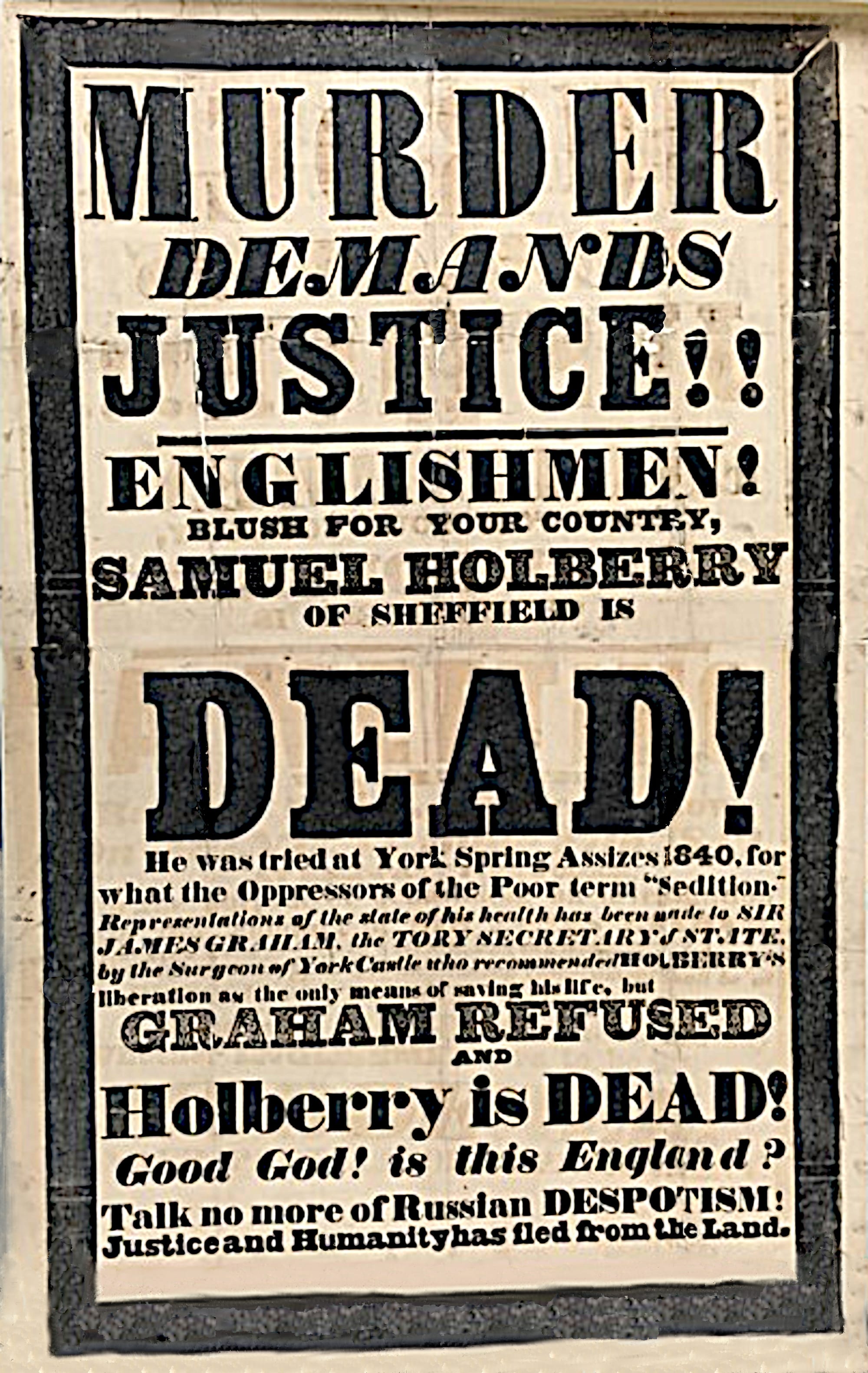
Rather than silencing his voice, however, Holberry's death gave the Chartist movement a martyr. “Murder demands justice. Englishmen! Blush for your country,” read one bill poster produced after he died. “Talk no more of Russian despotism. Justice and humanity has fled from this land.” At his funeral on 27 June, 50,000 people lined the streets of Sheffield all along the cortège route from Attercliffe to Sheffield General Cemetery in Sharrow. In their report from the funeral, the Northern Star, a Chartist newspaper published in Leeds, wrote:
“The pavement on each side of the road, the doorways, windows, and in some instances the roofs of houses were crowded with anxious gazers, even some of the chambers appeared to be literally crammed with human beings; and in every nook and corner where a view could be obtained there were men and women watching with seemingly intense interest the melancholy sight. We observed many, very many, females, unable to control themselves, giving vent to their feelings in tears.”
It would take another 50 years for the demands of the Chartists to be met, and almost another century until the advent of universal suffrage. By that time Holberry had been largely forgotten, but a handful of people kept his flame alive. A Holberry Society set up in 1978 was the driving force behind the renaming of several streets and spaces in Broomhall after him in 1982 (Holberry Gardens, Holberry Close etc). 20 years later, the fountains at the newly redesigned Peace Gardens were named the Holberry Cascades. An inscription on them reads: “He gave his life for what he believed to be the true interest of the people of England. A democratic society that would guarantee freedom, equality and security for all.”
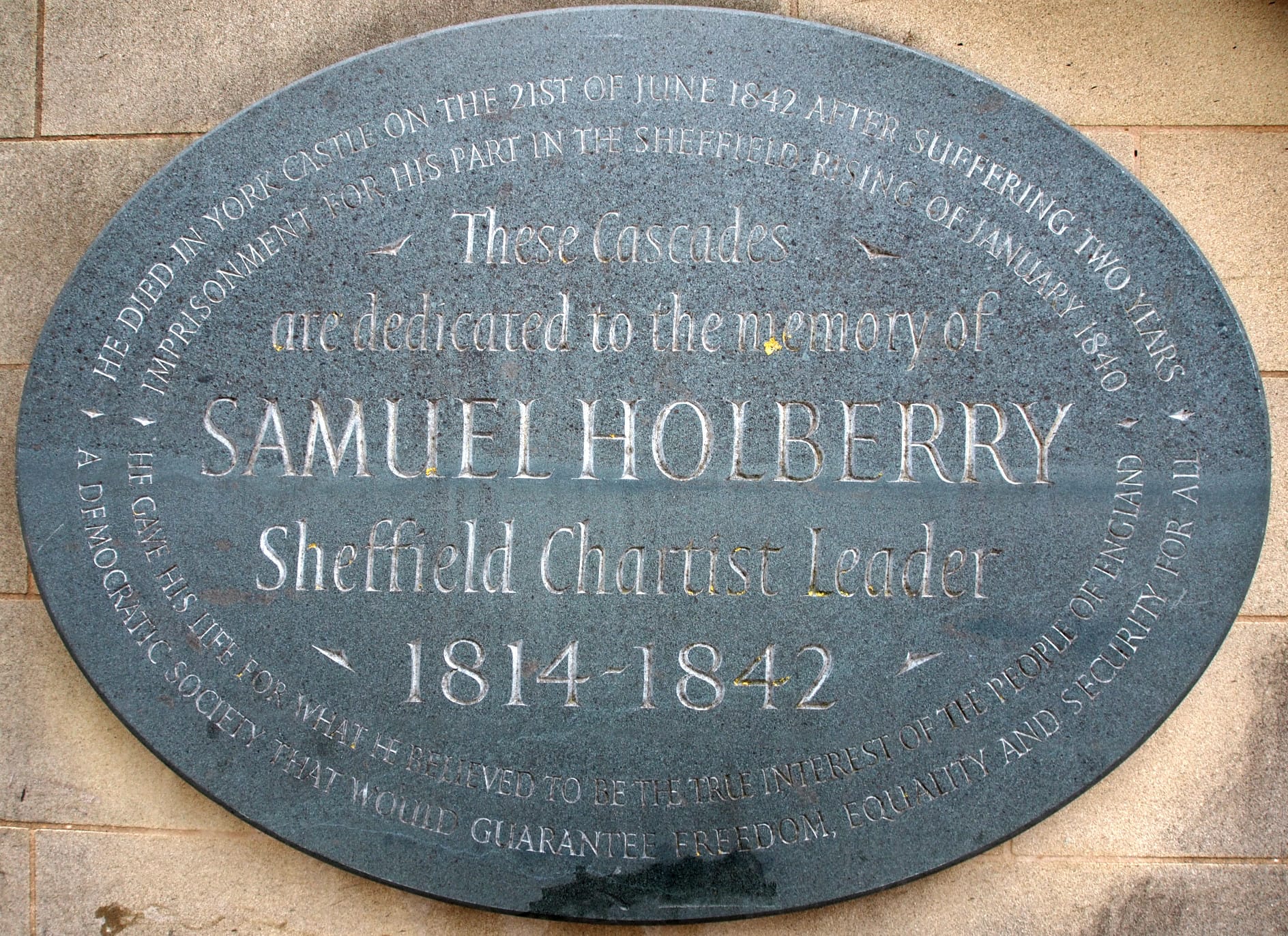
Holberry should perhaps be thought of as the Che Guevara of Sheffield. Depending on your perspective, he’s either a freedom fighter or terrorist. His story raises many questions. The cause was just, but were the means? And, had he not been betrayed by a comrade from Rotherham, what would have happened next? Beyond a plan to capture buildings and kill magistrates, it’s unclear how the would-be revolutionaries planned to use their control of Sheffield to achieve their goals.
As for Kay, he believes Holberry should be better remembered, and that his actions did, in their way, hasten progress towards a fuller democracy in Britain. It’s perhaps especially important to do so now, when the ideals he fought and died for are under greater threat than they have been in decades. “Democracy is fragile,” Kay says. “The forces that Holberry tried to rein in, and which silenced him, are still all around us.”
You can buy Samuel Holberry: Revolutionary Democrat direct from 1889 Books here.
If someone forwarded you this newsletter, click here to sign up to get quality local journalism in your inbox.
I hope you enjoyed reading about Samuel Holberry as much as I enjoyed writing about him. While The Tribune specialises in investigative journalism, we also love to write about the fascinating history of this great city. For me, there is nothing better than finding out about the Sheffield of the past and bringing it alive for readers. If you love history like we do, please consider becoming a paying member of The Tribune. Plus, if you sign up for an annual membership for £89 today, you get two months' membership absolutely free.
If you’d like to sponsor editions of The Tribune and reach over 30,000 readers, you can get in touch or visit our advertising page below for more information