Daniel here – hastily tacking on an update to today's newsletter at 2am. Before we begin proper, some amazing news. At last night's British Journalism Awards (think BAFTAs but for journalism) our very own Mollie Simpson won the award for local journalism! Here she is receiving the award from Jeremy Vine:

Mollie won the award for her dogged work probing the University of Greater Manchester, which led to a major police investigation into fraud and the Vice Chancellor being suspended. It was proper public interest journalism in the grand old tradition.
Mollie moved to Sheffield a few months ago and has already made a major impact with investigations into Sheffield College, Brigantia academy trust, and of course, working on the Andrew Milne leasehold story.
When we wrote about a tide turning in local journalism a few weeks back, this was exactly what we meant, and Mollie's award is both a vindication of her incredible talent and the reader-funded model of journalism that lets us do properly deep investigations.
If you've been waiting for a sign to join The Tribune, could this - one of our journalists winning a major national award - be it?
You can support Mollie, Dan, Victoria and me in producing top drawer journalism in 2026. We're here to serve Sheffield, and the more support we have, the more we can do for this city.
Take out an annual subscription to get two months free, and back our work in 2026.
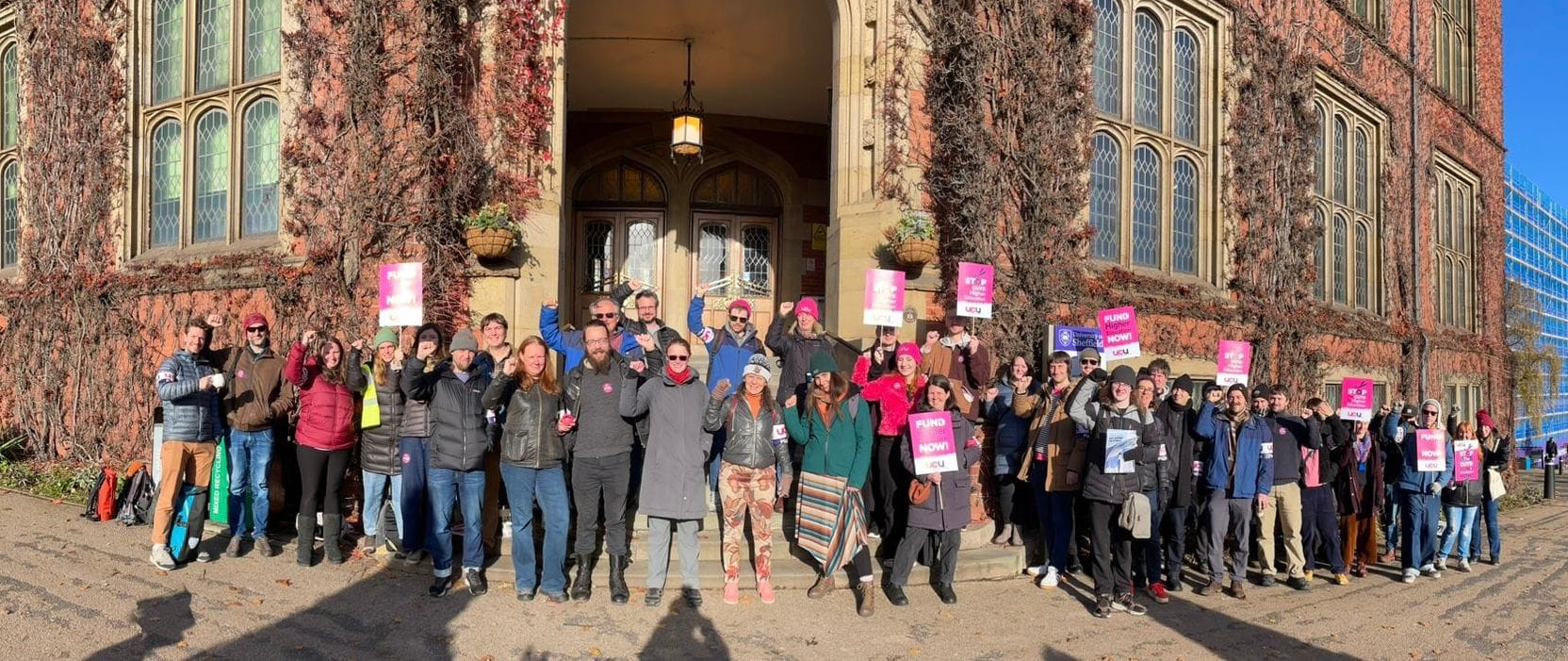
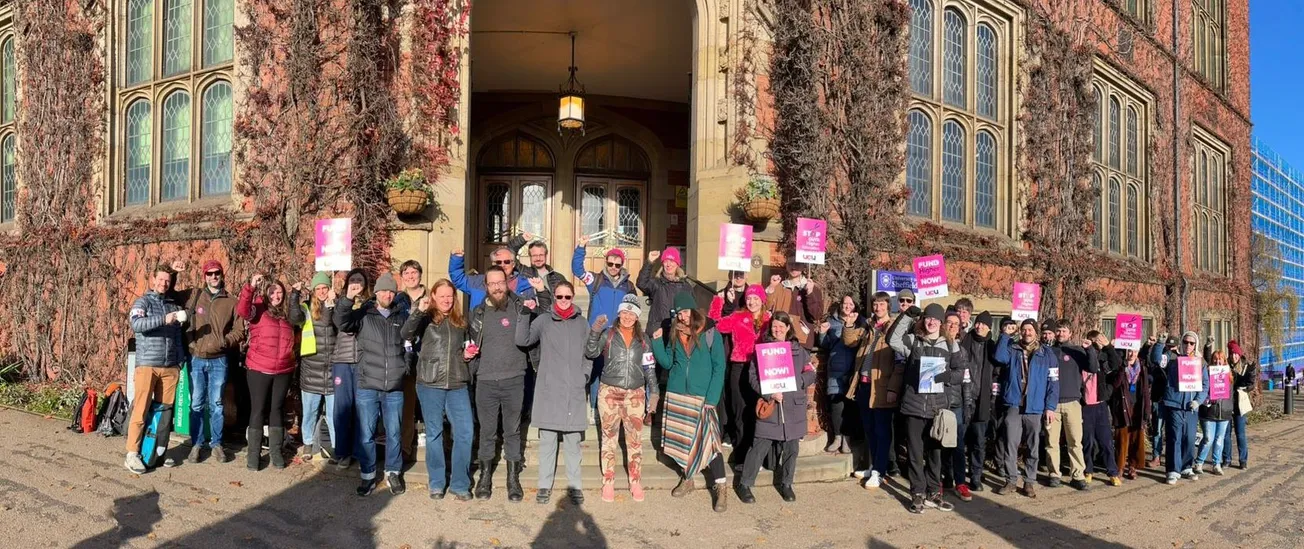
Losing just over a month’s worth of your salary is no small ask at any time, but especially so at Christmas. For some academics at the University of Sheffield, however, it’s a hit they’re prepared to take. “It’s not great,” Dr Traci Walker, a senior lecturer in Human Communication Sciences, tells me over the phone with a bitter laugh, “It’s garbage really.” Her partner is also at the University of Sheffield and also on strike, so they’ve had no money coming in since the latest round of industrial action began in mid-November. At the very least, he is leaving the university soon — one of around 500 staff who have taken voluntary severance since September last year. “It’s not a choice he wanted to make, but he can’t stomach the changes any more.”
While staff not being paid for the 16 days they will have been on the picket line by the end of the year is standard practice, as a university spokesperson is keen to point out, teaching staff have been warned they will also be docked wages for two weeks in January unless they schedule sessions to make up for the work students missed. An email from the university’s HR director Ian Wright — sent on 28 November and seen by the Tribune — adds that staff who refuse to comply “will not be allocated any other work” during this period. Any work they do “will be voluntary on their part”.
From an outside perspective, the fact many striking staff are refusing to reschedule classes and taking the financial hit may seem bewildering. One teaching assistant tells me two weeks’ of his salary is about a grand; not a sum to be sniffed at. Plus students have missed weeks of the education they’re paying thousands of pounds a year to receive, why wouldn’t their lecturers want to give them the chance to catch up? Commenters on the Facebook page for Sheffield Online — the city’s uncensored digital id — can’t get their heads around why staff were so outraged. “You can't not turn up for work and still expect to get paid,” one writes, with a cry laughing emoji. “Lol best go get a job then,” adds another.
The statement from a university spokesperson arguably strikes a similar, if more politely phrased, tone. “We respect the right of staff members to participate in industrial action and understand this decision is not taken lightly,” they assure me. However, they insist staff who refuse to replace lost teaching, either by 7 February or “ahead of any assessment which relies on the learning,” have made “the choice to breach their contract” of employment. “This approach follows Office for Students’ (our regulator's) expectations to ensure students receive the education they are entitled to with minimal disruption.”
But this threat, staff point out, is not one the university has issued before — and not the approach other universities in the same position appear to have taken. “In previous rounds of strike action, university management have not taken 100% deductions for declining to reschedule teaching,” says Dr Robyn Orfitelli, a professor of Linguistics. "It is extremely disappointing that they would pursue such an aggressive and punitive approach.” While the OFS guidance asks universities to “prioritise” avoiding disruption in the first place or replacing lost learning, they are also given the option to financially compensate students for teaching they’ve missed instead. Newcastle University, for example, paid out more than £1.7 million to affected students earlier this year.
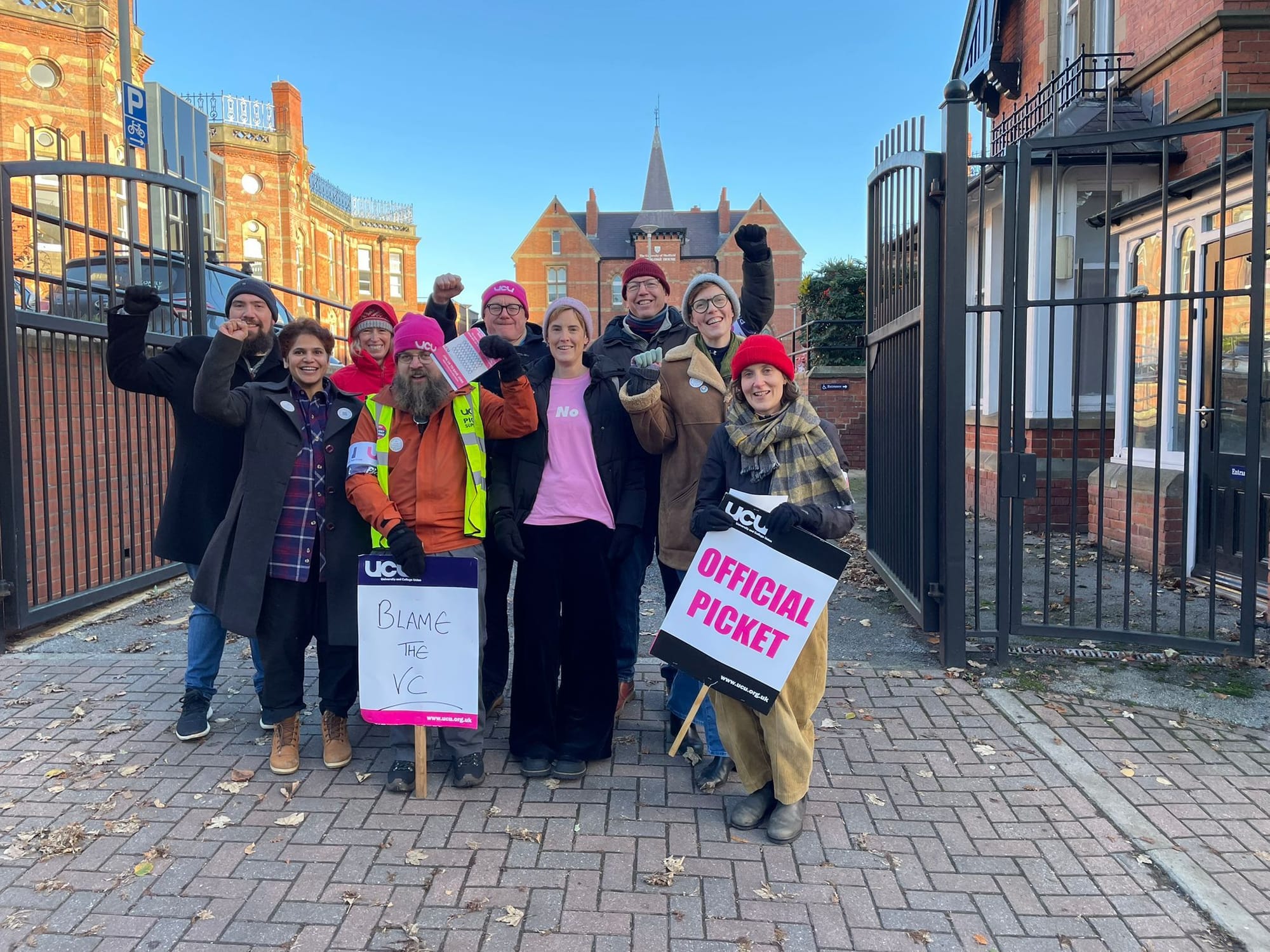
University of Sheffield students I speak to are also irritated by the idea of these catch-up sessions. “It’s absolutely stupid,” says Niamh Davies, a third-year history student. The final essay for one of her modules, which has missed an entire month of learning, is due on 20 January — there simply isn’t time to catch up. Besides, she had planned to submit early to focus on her dissertation, as her teachers have advised her to do. “No one will turn up,” she insists. “It’s just to prevent us from claiming compensation we’re entitled to.” While she admits students are “all irritated, upset and unsettled” at how much of their degree they’ve missed, she tells me their ire is entirely directed at the university’s leadership. “Students are very much behind the staff who are striking,” she says, “I’ve not spoken to any other students who think the strikes should stop.”
Dr Walker is resolute that she will not be caving to this pressure, even though that means she and her partner are “going to have to wing it” in the new year. “The choice was not a hard one because there comes a point where you have to place your values and your peace of mind over pay,” she says. “I can’t go back with my tail between my legs and tell my students I’ve decided to do something I know is wrong.” Another lecturer, who argues the request to replace lost teaching “is essentially asking us to negate the strike action we have just taken,” is also standing firm, though the threat of losing more pay has her “really worried” given she’s just bought a flat. For them, the fight against what they feel are highly concerning changes taking place at the University of Sheffield is worth the cost.
Sheffield deserves great journalism. You can help make it happen.
You're halfway there, the rest of the story is behind this paywall. Join the Tribune for full access to local news that matters, just £8.95/month.
SubscribeAlready have an account? Sign In