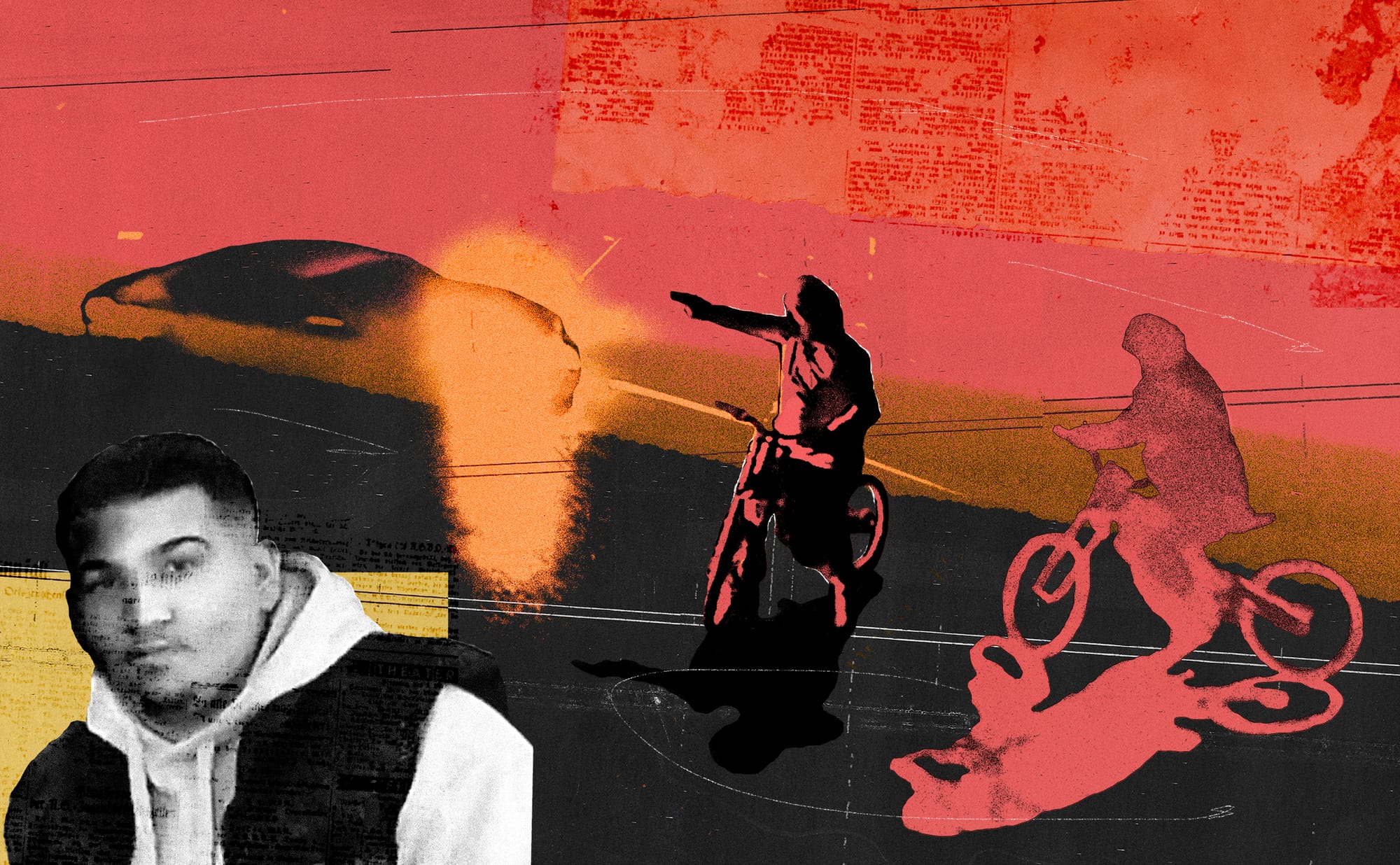
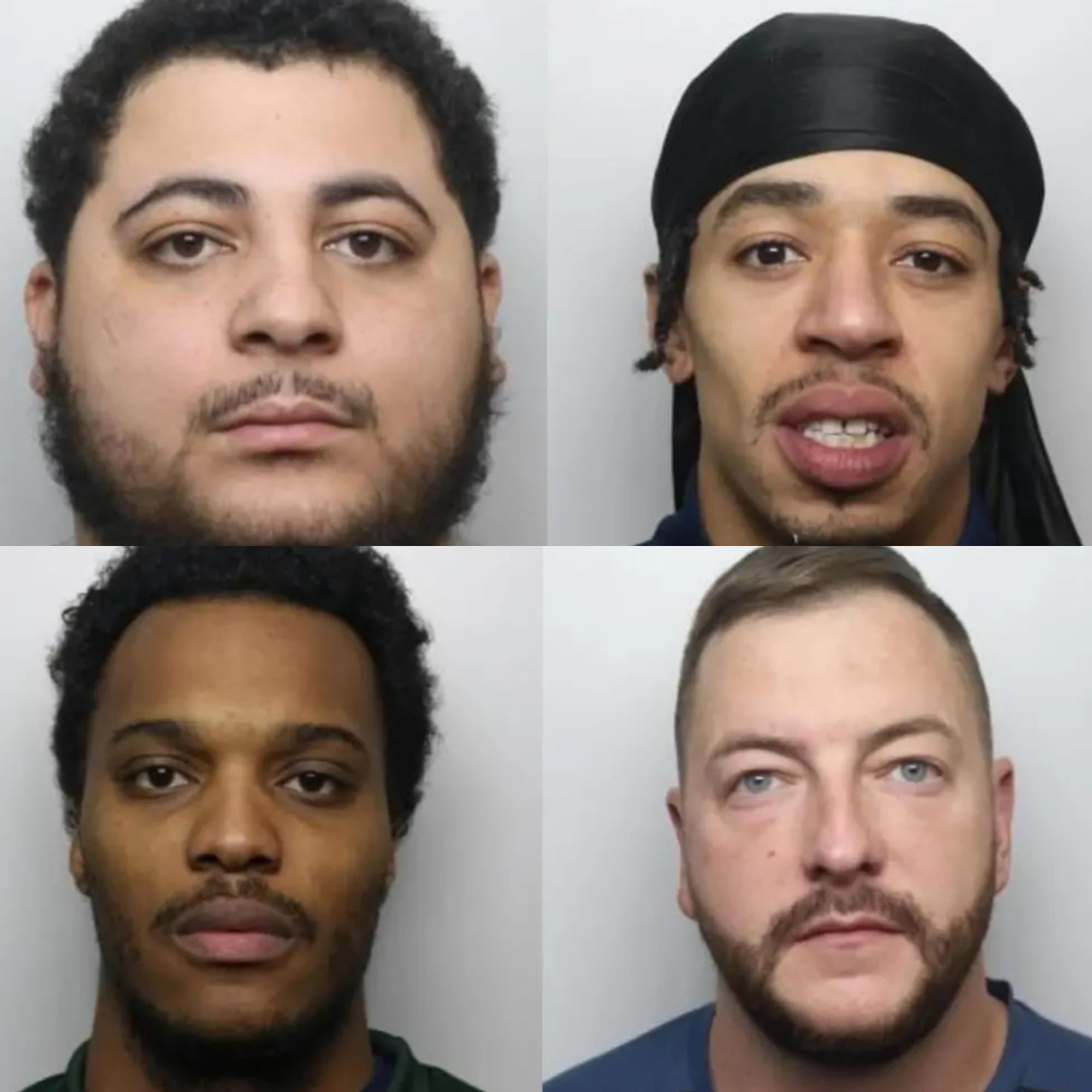
Two people stood before a packed courtroom in Sheffield Crown Court yesterday. They were sentenced in connection with one of South Yorkshire Police’s longest investigations. This brought the total to seven who were sentenced in connection with the investigation, for a total of 84 years.
Today’s story is the first half of a special two-part series on the case.

Welcome to The Tribune. If this is your first time here, then just click the button below, and you'll be added to our mailing list. That gives you fascinating fresh journalism all about Sheffield every week. No card details required.
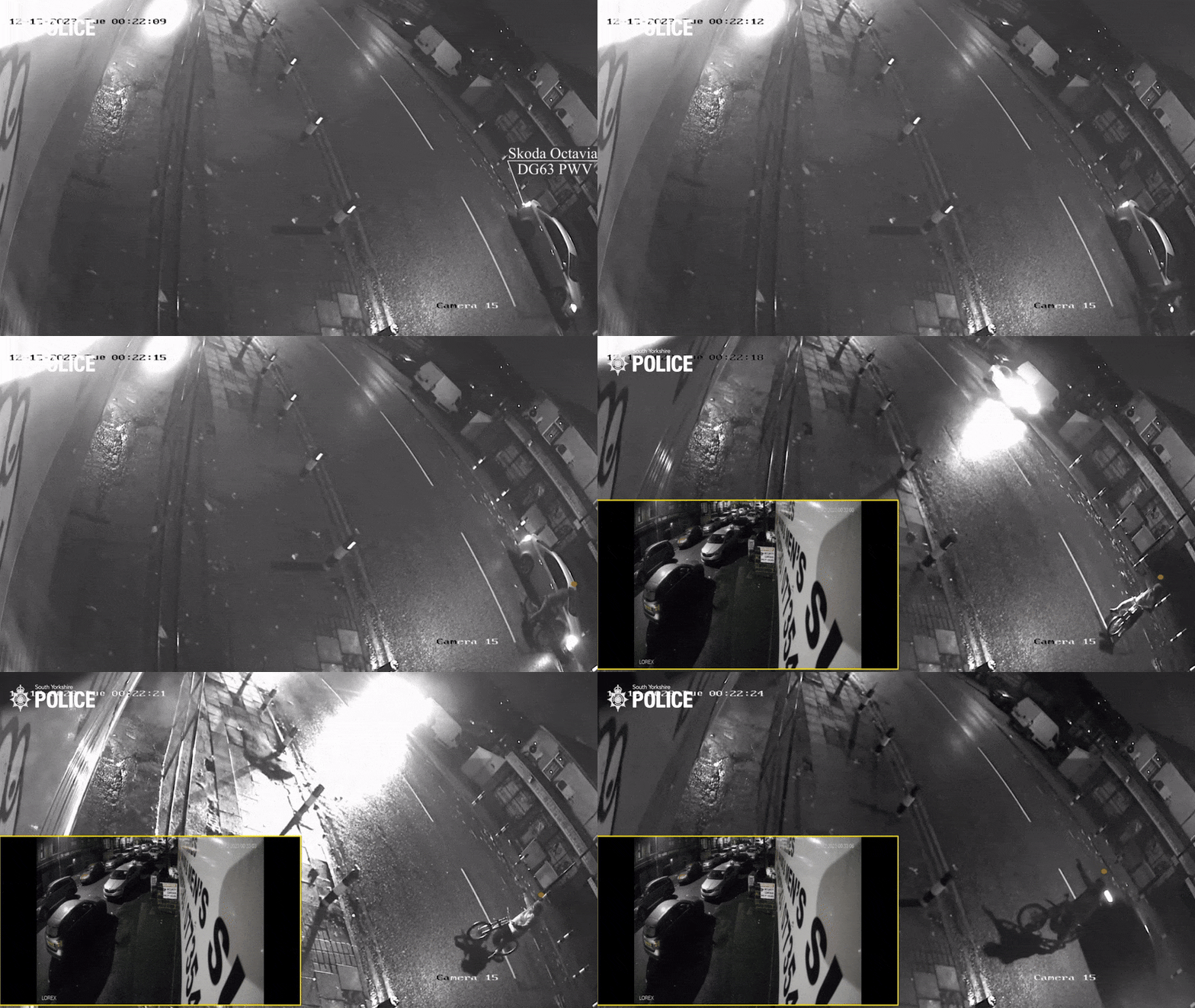
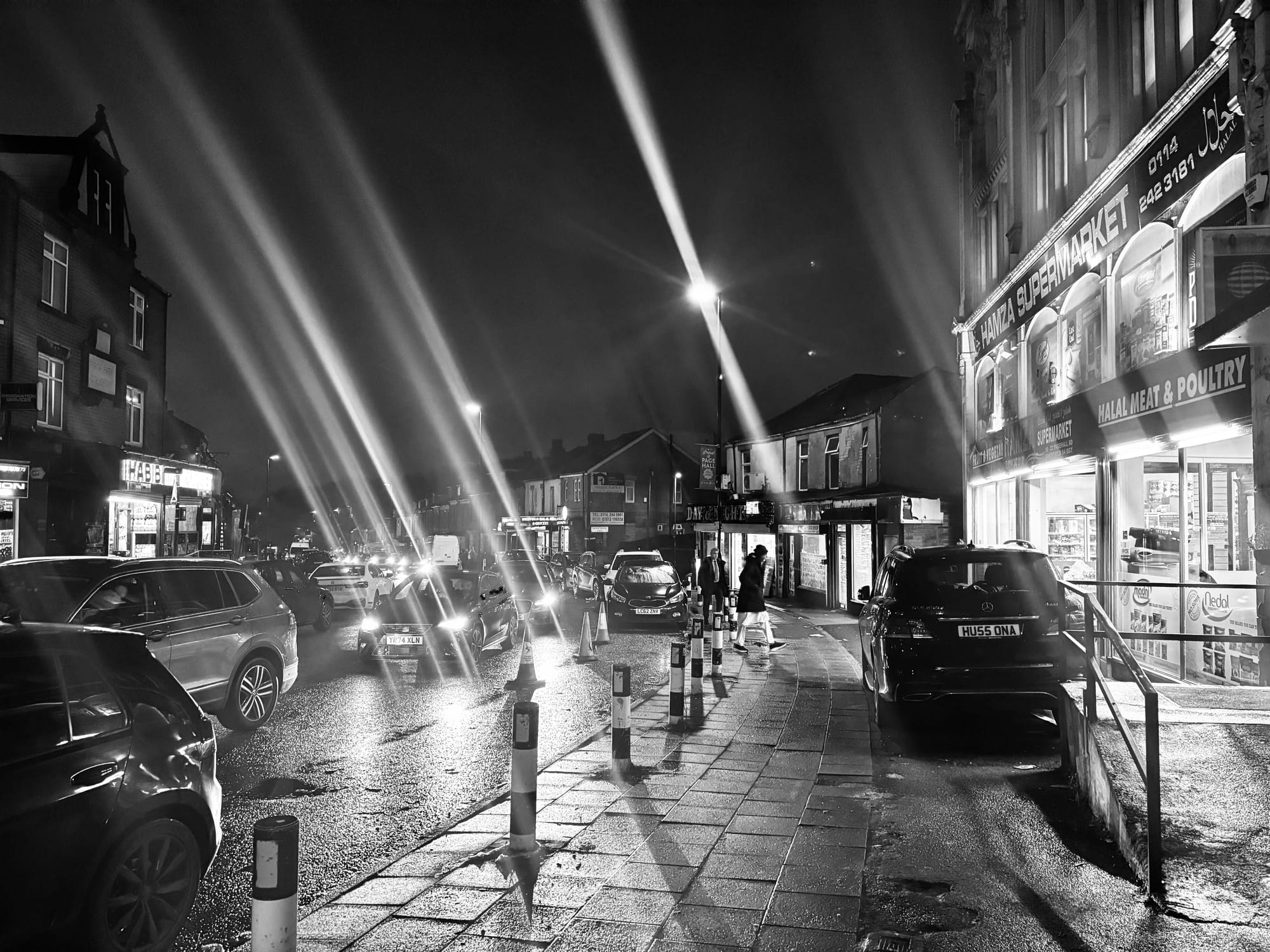
Shortly after midnight, in the early hours of Tuesday, 12 December 2023, a man on an e-bike speeds up to a silver Skoda Octavia on Page Hall Road. As the rider approaches the parked car, he pulls a gun from his jacket pocket and opens fire. Panicking, the driver of the car reverses rapidly, mounting the pavement, before trying to drive off. The man on the e-bike stands his ground in the middle of the road, continuing to shoot at the escaping vehicle.
In all, he fires four shots. The first three miss. But as the driver attempts to flee the scene, the fourth hits the left side of the back of the head, lodging in the front of his brain.
Just over seven hours later, Detective Constable Brett Harshaw arrives to start his shift at 8am at South Yorkshire Police’s major crimes unit. Swan House is an unassuming office building on the Advanced Manufacturing Park in Tinsley. But it’s where detectives investigate South Yorkshire’s most serious crimes, including serious assaults, organised crime, and murder. After grabbing themselves a coffee, detectives are told there has been a shooting overnight in the north east Sheffield suburb of Page Hall.
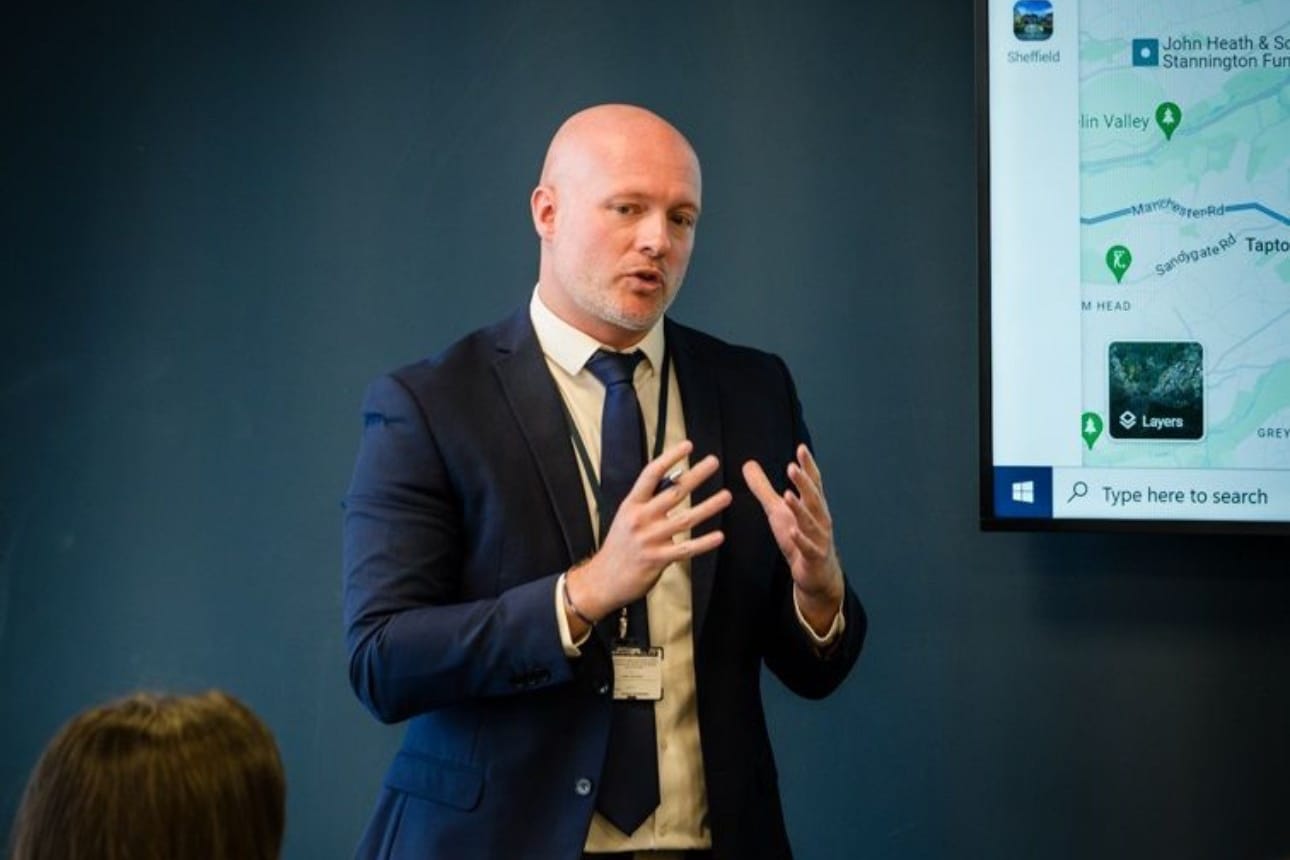
When I meet Harshaw to discuss the investigation over coffee, he looks every inch the aspiring young detective: clean shaven and fresh-faced with a smart suit and closely cropped hair. As the main officer in the case, Harshaw has spent more time on the investigation than anyone. Joining us in Cosy Club in the city centre is Detective Chief Inspector Thomas Woodward and Detective Sergeant Lindsay Harding. The trio have almost 60 years of policing experience between them.
I ask them to describe that first day. Everything was totally unclear to begin with. That shots had been fired was in no doubt, but this was about the only concrete thing they had. “The calls that had come in were quite frantic,” remembers DC Harshaw. By the time they arrived at the scene of the crime several hours later, it had been disturbed, and the victim’s vehicle had left long ago.
The Tribune covers all of Sheffield's most important stories, like this one, in real depth. We don't just give you the facts, we tell you the stories. To get all of our journalism as soon as we publish it, sign up to our free mailing list today.
With help from the officers who had responded to the shooting, detectives began to piece together something of what had happened. The men in the car were two brothers, Kevin and Dominic Pokuta. It was Kevin, the driver, who had been shot. Dominic would later testify in court that he had taken over the wheel, sitting on his brother to drive them to the family home, before going on to A&E at the Northern General.
That day, Dominic was in shock. He was still hoping his brother was going to survive. But that was to prove forlorn. Kevin’s injuries were described as “unsurvivable” by doctors, and his life support systems were turned off at around 5pm the following day.
A murder with no motive
The detectives were now on a quest to bring justice. And they started in the most obvious place: the victim.
“If you know your victim, you often get to know your offender,” says senior investigating officer DCI Woodward. A stern-faced man with a bald head and stubbly beard, he has a serious demeanour befitting a man who investigates the most serious crimes in South Yorkshire. “Who is your victim, what is their back story?” he continues. “What are they potentially involved in?”
They quickly established a few facts. Kevin Pokuta was a 19-year-old father-of-two who was originally from Slovakia. His brother Dominic said that they had driven down to Page Hall Road to draw out money from a cash machine.
Page Hall is a very close-knit community, where residents tend to know each other’s business. The detectives started to ask questions. Had Pokuta been involved in illegal activity? Was he a member of one of the east Sheffield gangs?
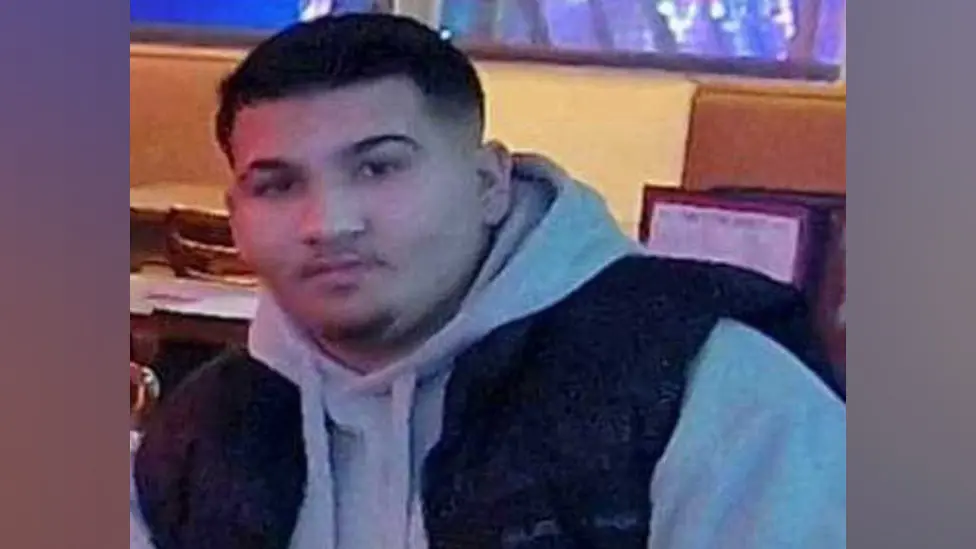
But as they put his name through the police systems, nothing came up. He had no known connections to anything untowards. The family liaison officers who were assigned to the Pokutas didn’t spot anything that might provide a motive for someone wanting him gone.
This is standard stuff in a detective novel, but in the real world it’s pretty unusual, says DS Lindsay Harding, a middle-aged woman with short grey hair and a strong South Yorkshire accent. “Yes, we have shootings, we have murders. But generally there is a reason behind it,” she says. “It’s a drug war. It’s a gang related matter. You generally have an idea of who’s responsible very quickly.” But here, the police were drawing a blank. “This was very much a whodunnit, which we rarely have.”
The footage
But one thing the investigation did have was CCTV. Lots of CCTV. In all, 20,000 hours of footage was analysed in this case, with 50 officers working on it at its height. CCTV footage is regularly wiped, so they were in a race against time.
The shooting itself was captured from a camera mounted on the Hamza supermarket. But this revealed something that would prove to be crucial. In the moments beforehand, the e-bike rider had ridden up to a black Honda Civic, whose driver seemed to point out the victim’s car, suggesting they were involved too.
As officers continued to comb through the CCTV from the scene, they noticed something strange. The shooting wasn't the first time the e-bike and Honda Civic had visited Page Hall Road that evening. Around 40 minutes earlier, the same two vehicles (along with another car, another e-bike and a white van) rendezvous just around the corner, on Beretta Street. Parking up, the group walk to 109 Page Hall Road, armed with guns.
The people inside the house defend it, forcing back the attackers, while another gets into a silver VW Passat and knocks one of the e-bike riders off his bike. At some point in the confusion, one of the attackers lets off a shot, though no-one is hit. Accepting defeat, the group leave the area.
After seeing the footage, the officers immediately went round to 109 Page Hall Road, to work out just what it was that caused the earlier confrontation. Entering the property, the smell gave them an immediate answer: cannabis. The house was being used for a cannabis grow, and the confrontation bore all the hallmarks of a failed attempt to steal the plants.
Drugs, then. But how Pokuta had become involved was still unclear.
At the same time, police colleagues were painstakingly tracking the movements of the Civic and the e-bike that evening. Using a chain of CCTV cameras, they eventually managed to establish that before, in between, and after the two incidents these vehicles went to the same address: Denholme Close, in Burngreave.
Want to get the full story? As a Tribune member you'll get the second half of this piece, and two bonus editions every week. For just £7.42 a month (if you buy an annual subscription) it's an absolute bargain - and a great way to support local journalists in your city.
However, unbeknownst to the group, they were being watched there. CCTV from a residential property nearby caught the group discussing the failed robbery. When detectives received this CCTV, they realised they’d got very lucky: it didn’t just show images. It had audio. While DS Harding believes they would still “have got there in the end” without this audio, she accepts that it was critical to how they cracked the case.
It was clear from this audio that the group were annoyed about their failure to rob the cannabis grow, which was later estimated to have a street value of around £50,000. “They could have broken my leg, man,” complains one of the group, presumably the one who was knocked off his bike by the car. But as well as the group’s reaction to the failed robbery, the audio CCTV revealed something far more important to the murder investigation: the plan to go back.
This time it’s a smaller operation. Only one e-bike and the Honda Civic return to Page Hall. When they arrive they drive around the area looking for the people who had defended the cannabis grow.
As the e-bike rides past the Honda Civic on Page Hall Road, there is the interaction between rider and driver. The driver of the Honda clearly gestures towards the silver Skoda Octavia where Kevin and Dominic Pokuta are sitting. The e-bike rider then rides towards the Skoda and starts shooting.
In the initial confrontation, the car from the rival gang that had rammed the e-bike rider was a silver VW Passat. Kevin Pokuta and his brother Dominic were sat in a silver Skoda Octavia, a very similar looking car. Kevin Pokuta died because his vehicle happened to look similar to one used by a rival gang earlier that evening. He was in the wrong car at the wrong time.
But as the killer and his associate return to Denholme Close, they don’t realise they’ve got the wrong man. The CCTV audio captures them in a jubilant, celebratory mood.
The Tribune isn't like other newspapers. Where other local titles focus on clickbait, we delve deeper. If you want gripping stories like this one delivered direct to your inbox every week, sign up for free by hitting the button below.
The assault in the Kelham Island nightclub
The police now had the outline picture. But the CCTV had limitations; neither the face of the killer, nor the person who appeared to give him instructions, were visible.
The thing they do have is Denholme Close. The address was linked to Leon Waite, whose name and associations started “ringing bells” for detectives. It was their first inkling that they were dealing with an organised criminal gang.
The first two of the group to be arrested were Waite and an associate of his, Lester Ramsey. By sheer coincidence, Ramsey had been arrested later on the day of Pokuta's murder, for an entirely separate incident that took place a few days earlier. He was already in police custody.
That incident was an assault that took place inside a nightclub in Sheffield’s most chic neighbourhood, Kelham Island. It initially seemed totally unrelated to the events on Page Hall Road. However, when police started reviewing the club’s CCTV of the assault, they realised that most of the group present at the attempted robbery were also present at the assault. There were similarities between the clothing in both cases. Distinguishing marks like lines on their trainers and flashing on their tops helped identify those present at the robbery. It was to prove the first big breakthrough. “That’s how we got to Ramsey,” says Harshaw, with a sense of quiet satisfaction.
Then there were the names being used on audio of the CCTV from Denholme Close. The police had already identified Jack Brown and Ethan Hallows as connected to the failed robbery. When the group is together in Denholme Close their names are used, but these names are noticeably absent from the audio at the time of the shooting. “Some of the names drop out and things start to marry up with what we are seeing on CCTV,” says Harshaw. It was the detectives’ theory that the names that “dropped out” could well be the names they were looking for.
But it was still all circumstantial. In the absence of categorical proof who was involved in the shooting, the investigation team had to find other ways to gather enough information to arrest them.
The escape
For Jake Brown, it was his build that first suggested him as the killer. “We knew we were looking for a fat lad on a bike,” says Harshaw. And by this point, they’d got a warrant to search Brown’s phone records. These linked him to the owner of the black Honda Civic, which had been passed to Hallows at Denholme Close earlier that day.
The final, conclusive piece of evidence came from another camera. Shortly after the shooting, Brown visited another suspect’s home before getting a taxi to his girlfriend’s house. That suspect was Derice Cohen — of whom, more next time. That taxi had a camera in the back, tying Brown to Cohen’s house. This allowed investigators to pull all the disparate pieces of evidence together.
Jake Brown was finally arrested in February 2024, almost two months after the shooting. It was a major moment in the investigation, and after masses of painstaking work by dozens of officers, the police were finally confident they had their man.
But that still left the other person there that night: the driver of the Honda Civic — the man who pointed out the car before Brown took the shots.
Detectives were almost certain this was Ethan Hallows. His face was clearly seen on the CCTV of the attempted robbery (though not the murder) and the audio suggested he had left Denholme Close at the right time.
Hallows would later be described in court as “a figure of some authority in the group”, with the judge concluding he was “right up there”. That would fit with the driver pointing Brown towards the vehicle. It seemed that he was the one who ordered the hit — but didn’t get his hands dirty. If that was correct, the police believed he should be charged with conspiracy to murder.
But Hallows didn’t seem to be on the scene any more. So the detectives placed a wanted marker for him on the police national computer. A notification pinged up, and it was then that they realised arresting Hallows was going to be an awful lot more challenging than catching Brown.
On 13 December, just one day after Kevin Pokuta had been brutally murdered, Hallows had turned up at Manchester airport, and stepped onto a plane. He was now over 3,000 miles away — in Dubai.
The second instalment of our story about one of South Yorkshire’s Police’s biggest investigations — covering the hunt for Hallows, the court cases, and the gang member still on the run — will be published to members on Tuesday.
To get that in your inbox, you just need to become a member of The Tribune. Sign up for a full year to get two months free, and get all of our in-depth reporting on Sheffield.