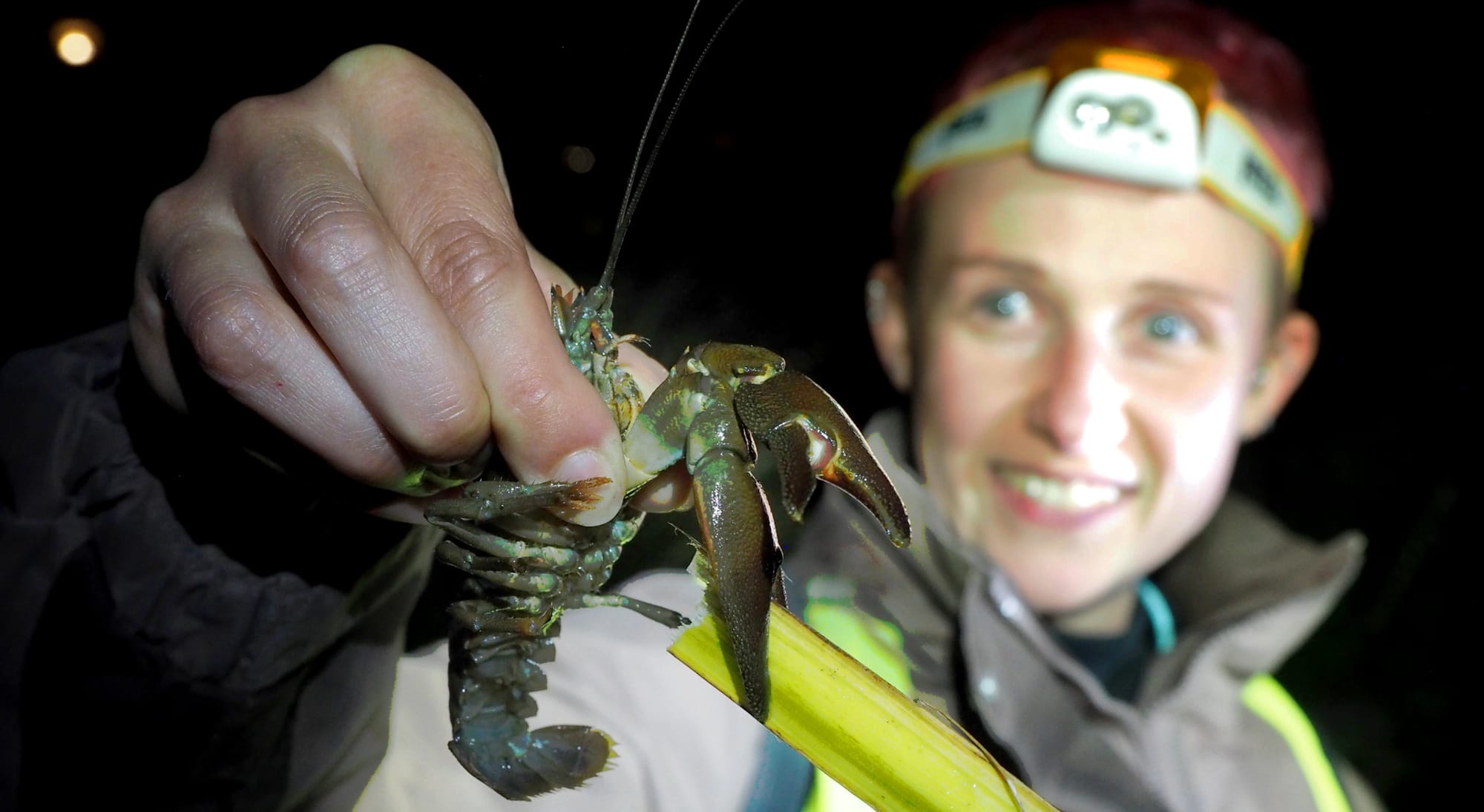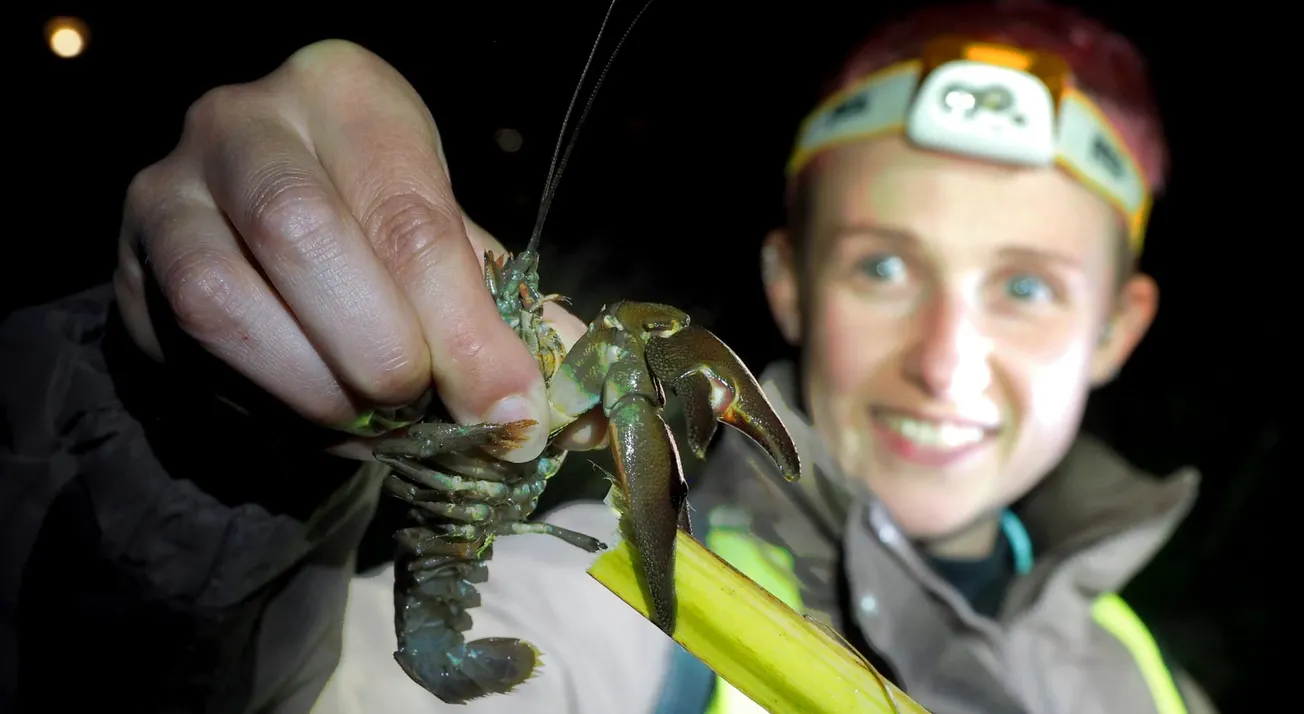
It’s an early evening in September and I’m clomping down an old sunken path in the Porter Valley in my wellies, hoping I might locate some survivors of the war raging in our rivers. My guides inform me that my chances are slim to none. Centuries ago, these greenish waters teemed with white-clawed crawfish, as did many rivers across the UK, until the Yankee invaders arrived, bringing death and destruction in their wake.
The American signal crayfish, which landed in Britain in the 1970s, trumps our native species in almost every way: they are larger, ruddier, hardier and even tastier too. The native white-clawed crayfish is now endangered, with Yorkshire one of its few remaining strongholds, although even here it is in danger of being wiped out.
When explaining the clash of the crayfishes, almost every conservationist reaches for red and grey squirrels as a comparison. While there are many parallels, it’s admittedly easier to rue the plight of the red squirrels, with their bright eyes and bushy tails, than it is to mourn for a creepy crustacean with claws that look like they’d have your fingers off if you gave them the chance. As if they weren’t already unappealing enough, their diet includes staples like decaying plants, river flies and even their own young.
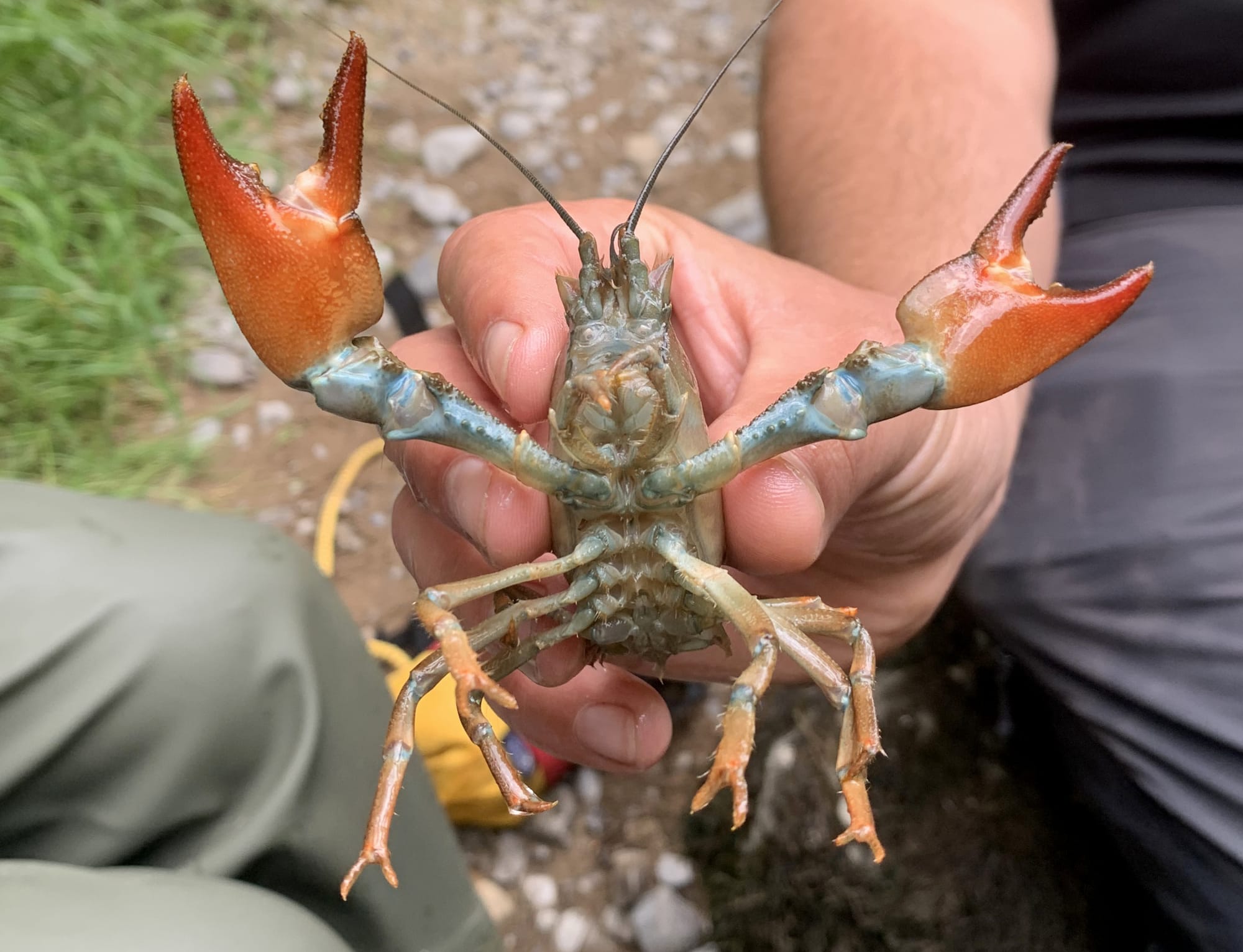
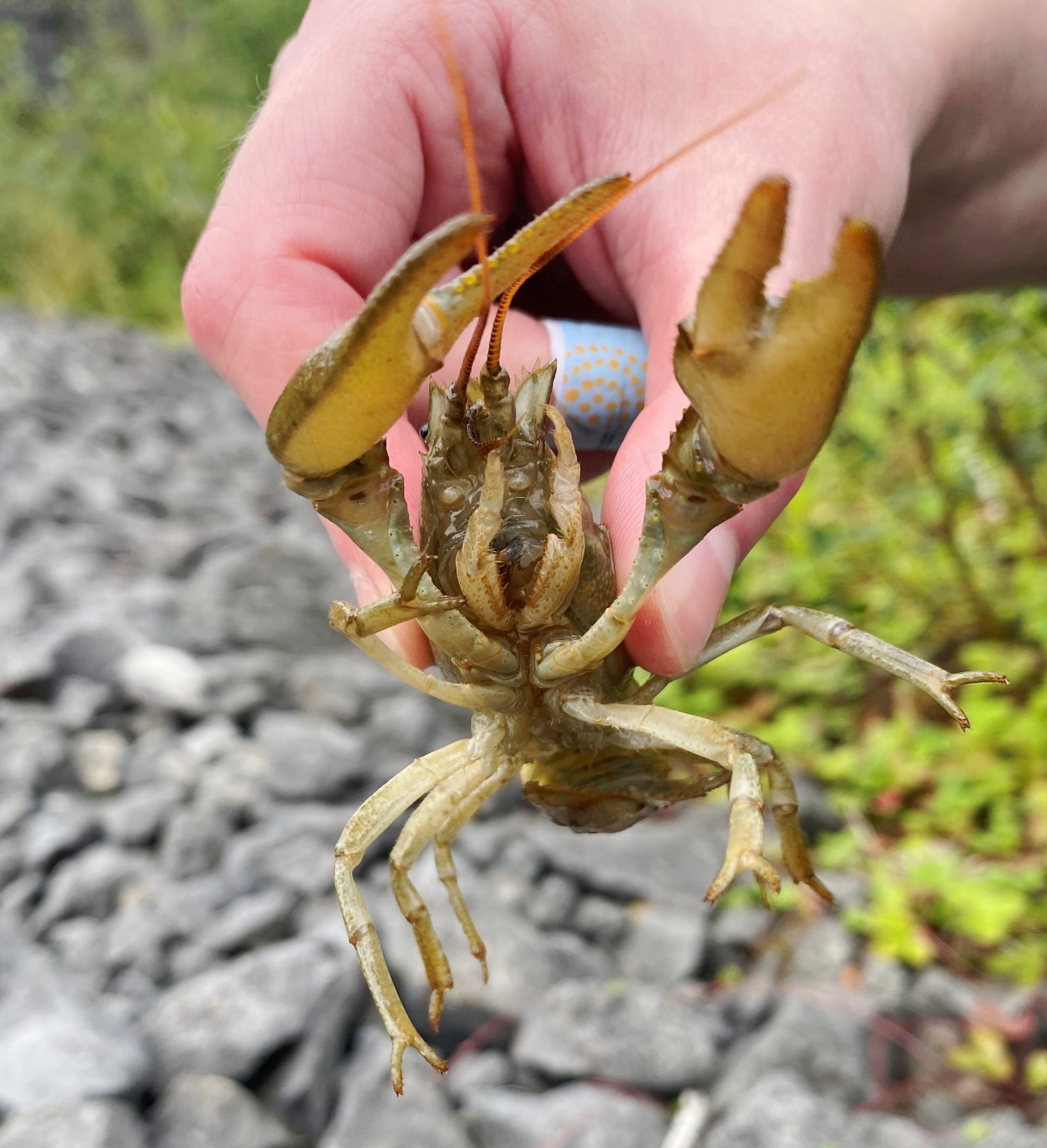
Choose your fighter: the American signal crayfish (left) or the native white-clawed crayfish. Credit: Lucy Atkinson and Vanessa Barlow.
But, while grey squirrels have their own charm, the same can’t be said for the intruders currently wiping the floor with our homegrown crustaceans. According to Bernie Higgins from the Yorkshire Crayfish Forum — the network leading the fight to protect the white-clawed variant — if the signal crayfish is allowed to succeed, entire rivers will suffer the consequences.
Sheffield deserves great journalism. You can help make it happen.
You're halfway there, the rest of the story is behind this paywall. Join the Tribune for full access to local news that matters, just £8.95/month.
SubscribeAlready have an account? Sign In