
Dear readers – we've had an incredible week in our campaign to add 1,000 new members by 21 June. Though we're ecstatic that we've added more than 600 Tribune subscribers in the past few weeks, that still means we don't have long to get almost 400 more people on board.
Could you help get us to 700 members by the end of the weekend? There's never been a better time to join the Tribune. For a limited time only, you can get a two-month membership for the price of your choosing — including nothing at all.
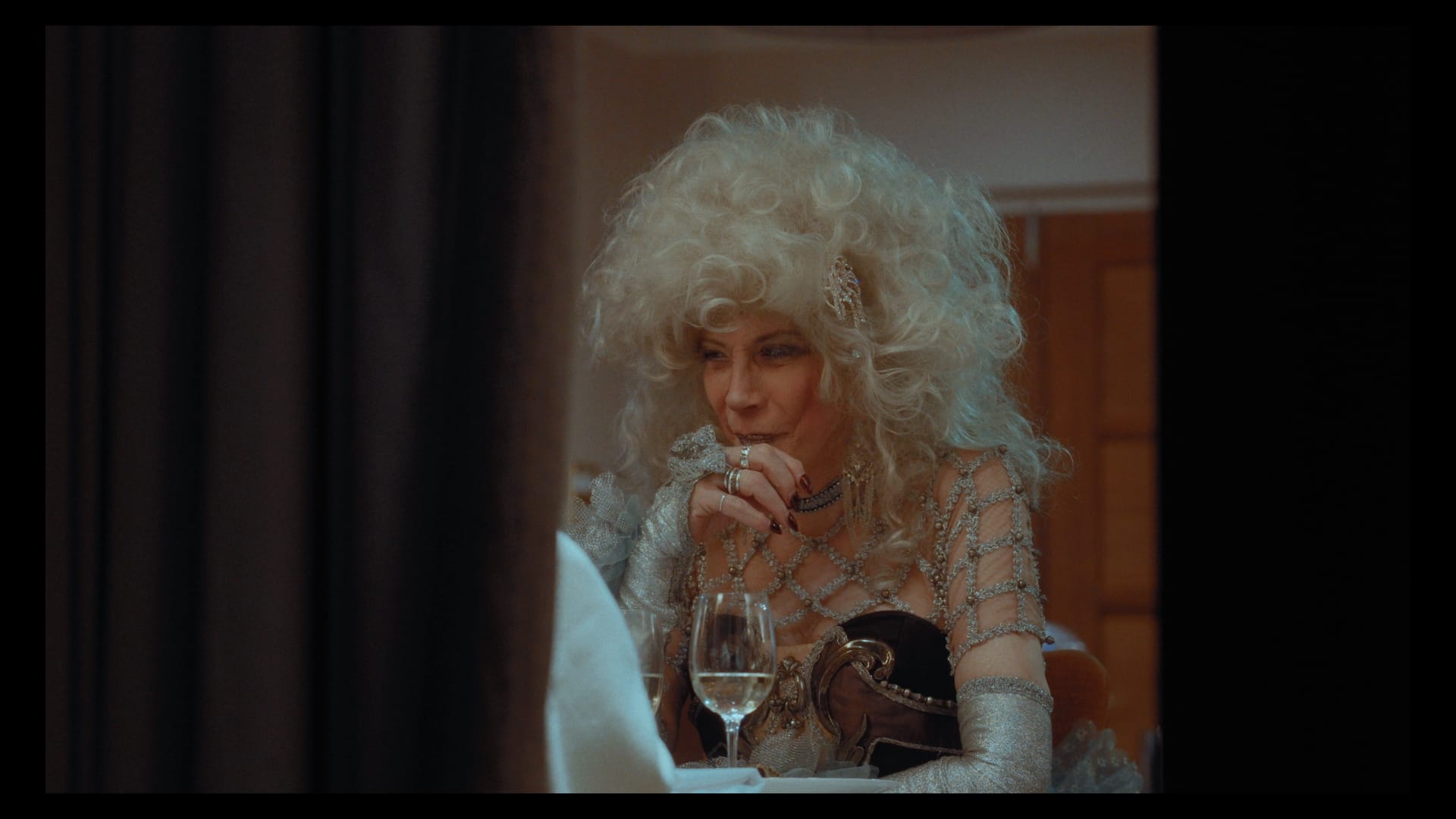
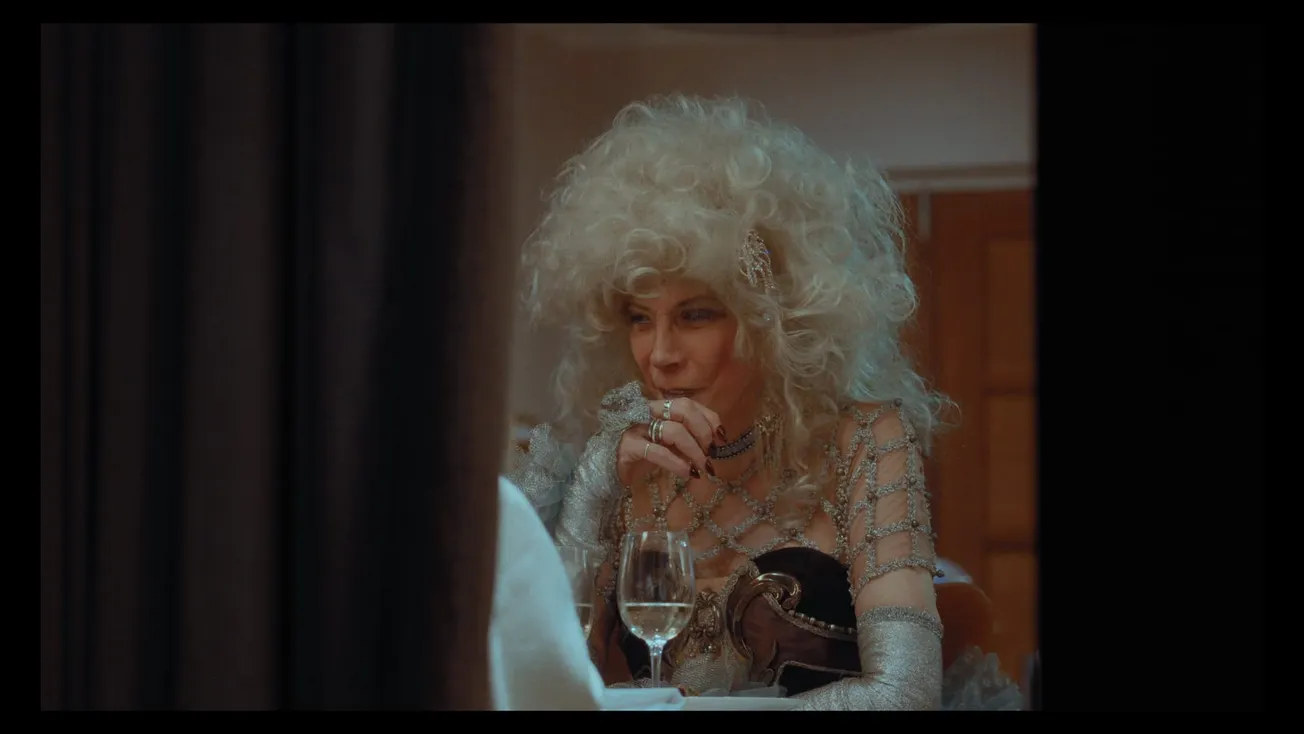
It’s the eighties, undeniably so. The sour greenish tint to the footage is a dead giveaway, as is the flickering at the bottom of the screen, familiar to anyone who grew up watching VHS tapes. If that wasn’t evidence enough, there’s also the outfit. Martine Rose perches on the corner of a vanity desk in a long black skirt, a red shirt with bishop sleeves, an enormous statement necklace and lacy fingerless gloves, before informing the camera that she is going to offer “some tips on how to create a good feminine appearance.” A common mistake, she notes, is not applying your makeup in a well-lit environment. “If you can make yourself look fairly good in strong light, you should be okay in normal light.”
Martine created this tape for the same reason she set up “Rose’s House” in 1980s Sheffield: to give people like herself the support she would have wanted when she was finding her feet. “I remember when I started off initially,” the present-day Martine tells the camera in the documentary Rose’s House, which premieres at Docfest later today. “I thought I was the only man in the world who wanted to wear women’s clothes.” While she now identifies as a trans woman, back then Martine identified as a man and a “cross-dresser”. A note at the beginning of the film states that it includes terms like cross-dresser, which are somewhat controversial in the modern-day trans community, because it was “the language that was common in the 1970s and 80s”.
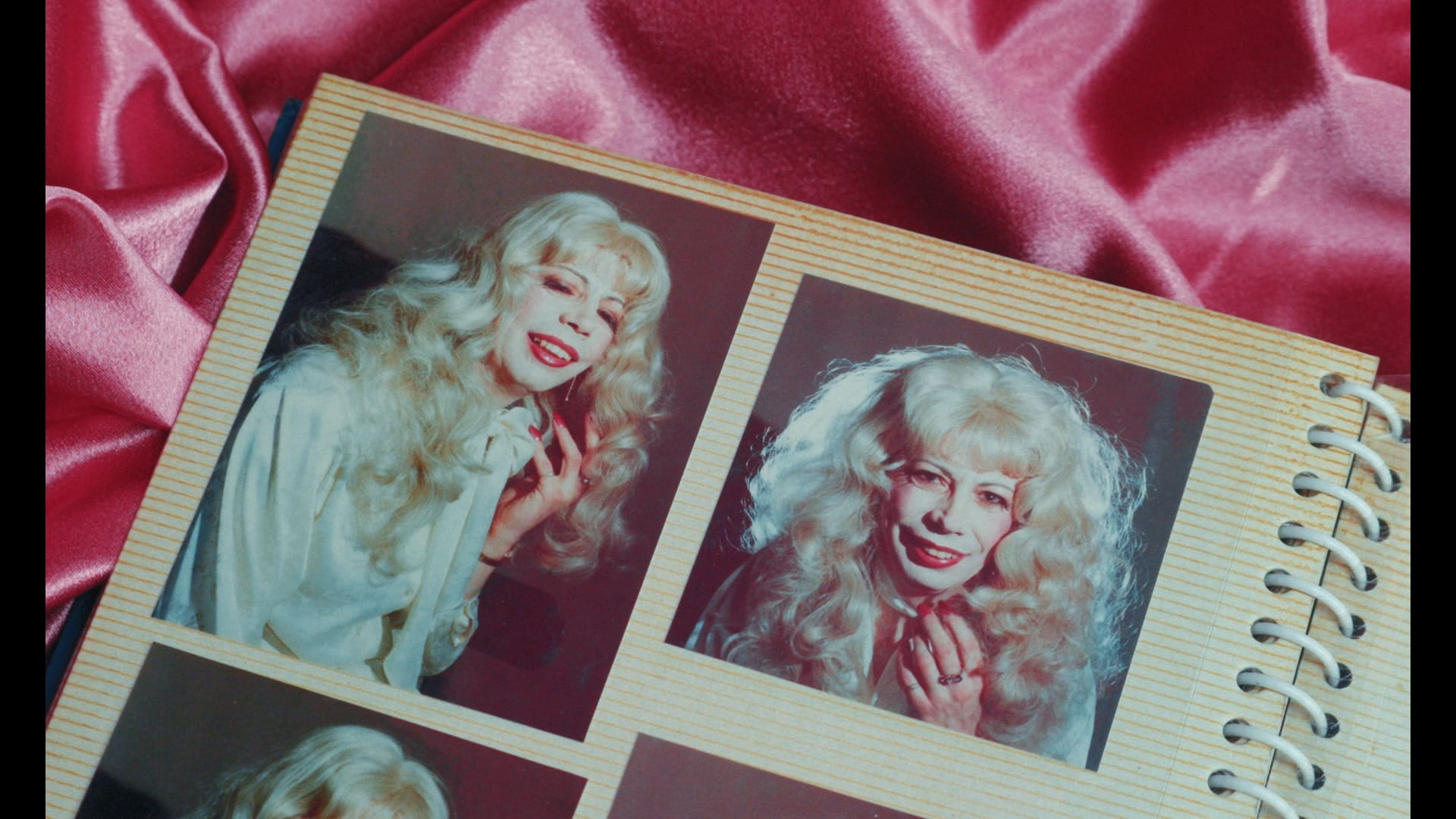
The story of Rose’s House begins in 1979, when Martine bought a run-down terraced house in Walkley — so dilapidated that she essentially camped inside it at first — and singlehandedly turned it into one of the UK’s first dedicated spaces for trans people. When Martine moved in, the documentary’s director Naomi Abel-Hirsh tells me, the property had no electricity or running water. “She was going to the petrol station with a jerry can to get water,” Naomi adds. “She did the whole place up herself.” By the time the house was sold on, to someone whose daughter still lives there today, it included a sauna that Martine had built.
The story of the documentary Rose’s House, however, begins around three years ago, when Naomi was on the hunt for a subject. Naomi, 32, tells me she’d worked on other people’s productions before, mostly true-crime stories for platforms like Netflix, and felt ready to create a documentary of her own. She was in the early stages of planning a different project, focusing on a series of drag balls held at the Porchester Hall in London during the middle of the 20th century, when she stumbled across Martine.
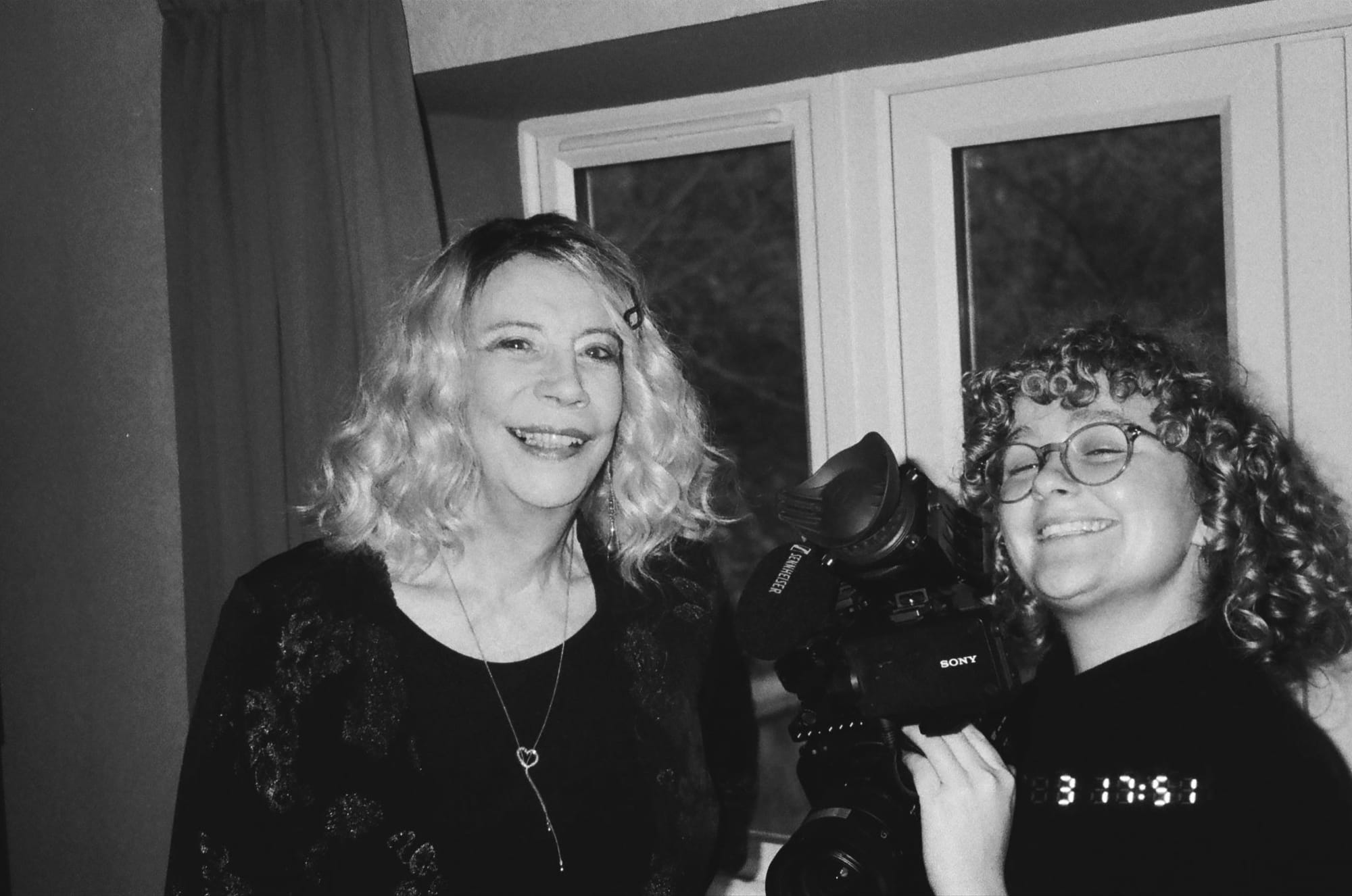
Martine had won one of these balls, with an outfit on the theme of Saints and Sinners, and Naomi emailed her to set up an interview. “She asked me to come visit her, rather than speak over the phone,” Naomi tells me, during a chat in HYGGE near the Showroom earlier this week. “In the meantime, she said I should read her book and I thought it was an incredible story.” Indeed, Naomi was amazed no one had ever thought to document it before. The pair spent a weekend together at Martine’s home, where they had an instantaneous and natural connection and the idea for Rose’s House was born. “Martine was definitely game from the beginning,” Naomi adds. “Sometimes people don’t really want to tell their story but she was so amenable.”
The real-life Rose’s House offered support in a variety of ways — not all of which the film is able to fully explore in its fleeting 20-minute run-time. There were meetings and parties, the main focus of the documentary, where Martine’s community had a rare chance to be themselves without fear. As she notes in the film, she organised the bulk of these events in winter, when the shorter days meant attendees could reach her under the cover of darkness. Some people would travel to her home even when there was no event scheduled, she adds, just to “spend an hour or two dressed up” on their own. “It was so difficult for the trans community in those days, most people weren’t even able to share it with their partners,” she tells me over a videocall. “Sometimes I was the very first person they had spoken to about it.”
In addition to the events, Martine offered a round-the-clock helpline, fielding calls from people eager to learn they were not alone. In 1989, she also created the first edition of Repartee, a quarterly magazine for the cross-dressing and transgender community, which continued publishing until 2016. As the front cover of the first edition explains, it was intended “for those who love to wear feminine clothing — men and women”.
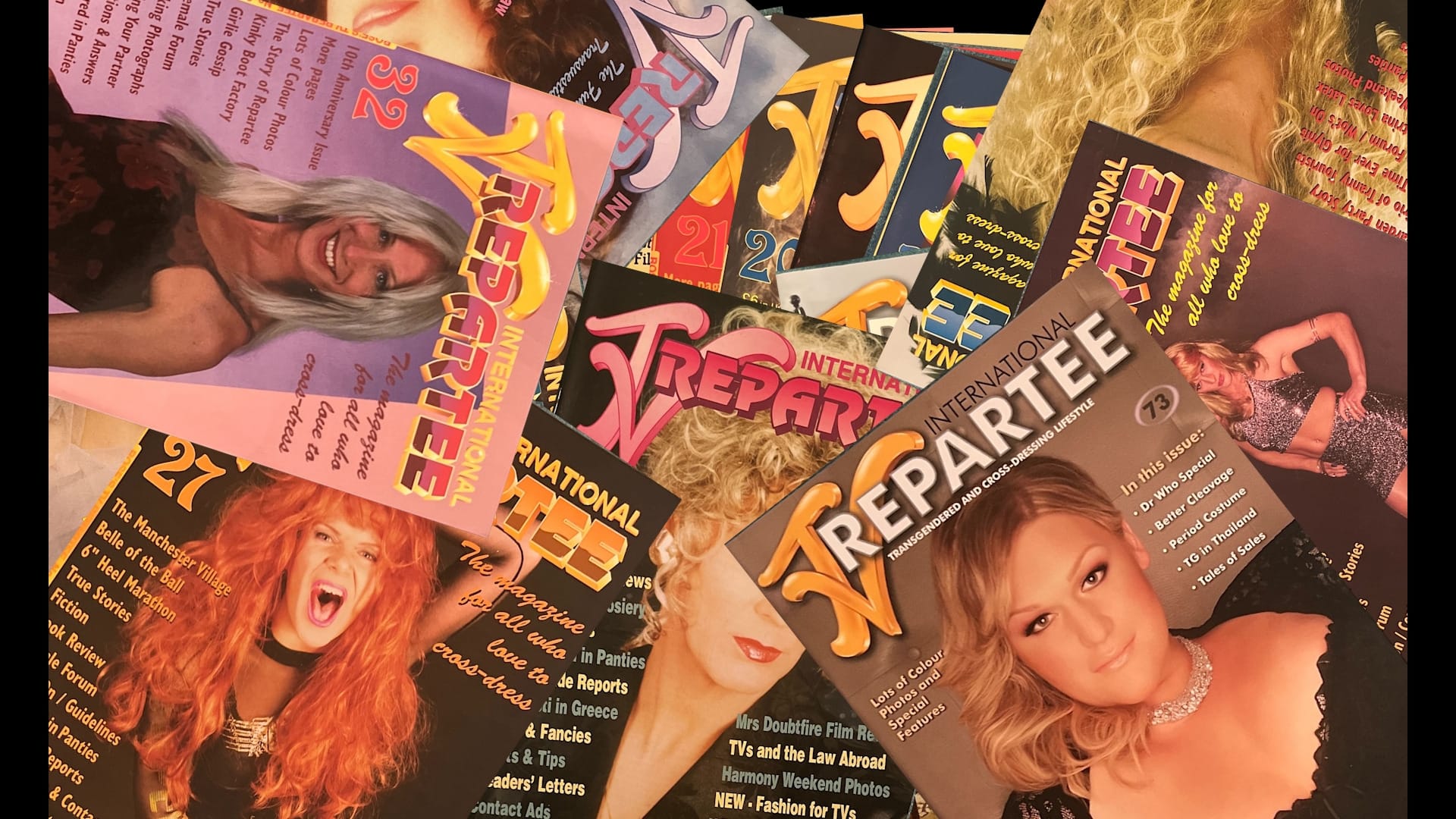
“A lot of the existing magazines about cross-dressing were almost pornographic,” Martine explains. “A couple, in particular, seemed to consist mostly of readers’ letters with photographs of people showing off their knickers.” By contrast, Repartee included advice and support, ranging from tips on how to apply the make-up best suited for your face shape to advice on how to confess to your wife or girlfriend. “I just wanted to make cross-dressing more fun and enjoyable, not something to be shut away in the shadows.” Even at a time when being trans was less understood, she adds, she found many women were accepting “if you explained the reasons why and didn’t make a big shameful thing about it”.
In a similar vein, though 1980s Sheffield was hardly a welcoming place for the trans community, Naomi says she gets the sense that some cisgender people were at least happy to turn a blind eye. “Martine told me the neighbourhood must have clocked on, given all the people coming in and out of the house very dressed up,” she points out. “While looking at the history and visiting the city, you get such a sense of kindness, which I think is part of the reason why no one caused Martine any trouble in all those years.”
The film weaves together archival footage — some of which Martine had never seen before — with clips from the present day, including footage from her 86th birthday party and one of the annual weekend trips she still organises to this day. Despite the help of two talented historians who specialise in trans history, Jaye Hudson and Leila Sellers, it’s clear it was not easy to uncover even the limited amount of historic material used. “A lot of queer history is not actually documented or archived,” Naomi points out. “It’s not in the history books, it’s very word-of-mouth.” Where footage was inevitably unavailable, such as when discussing the phoneline Martine offered, the documentary plugs the gap with graphics, which feels like an effective solution.
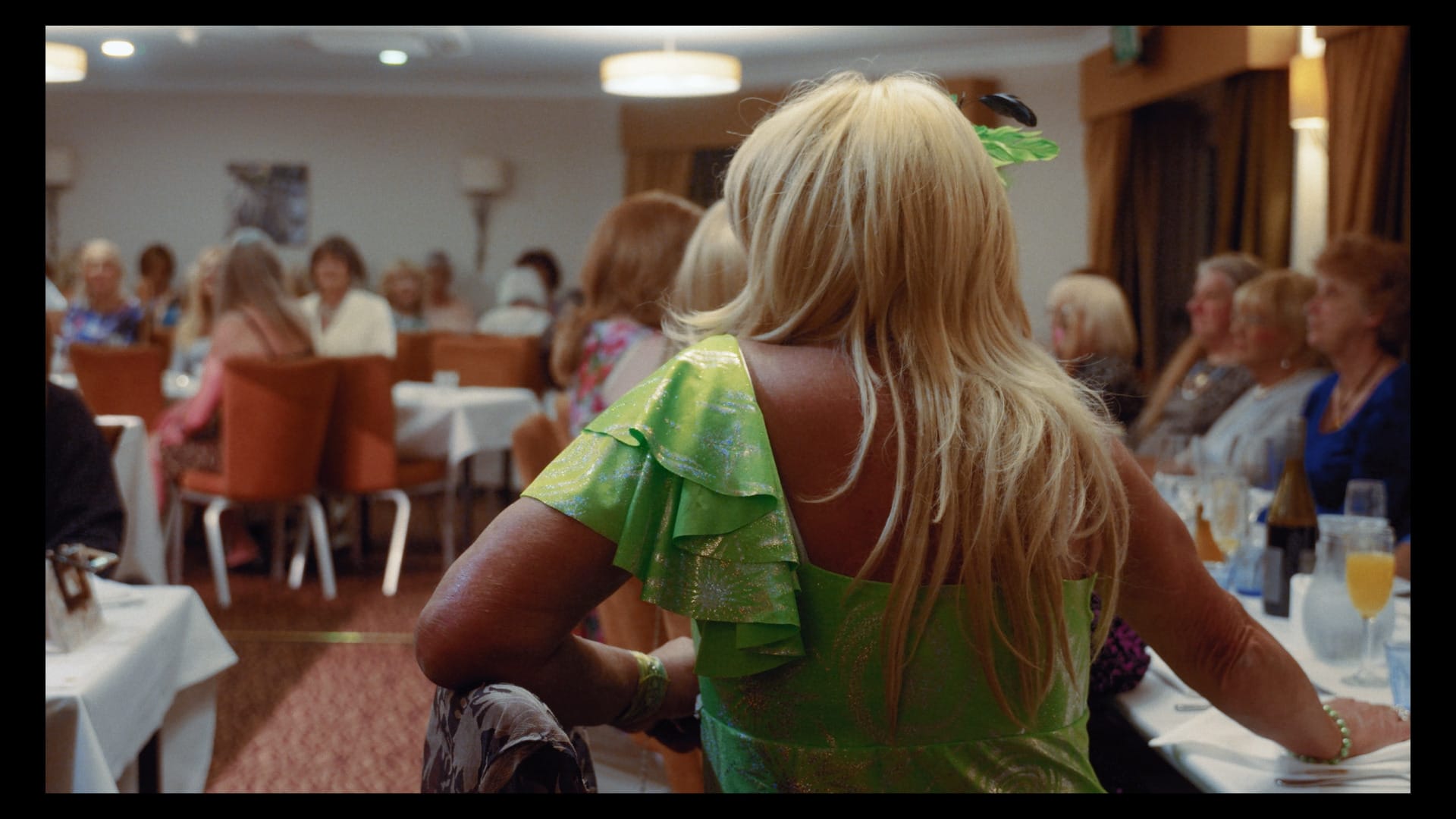
The absence that feels more glaring, however, is the lack of stories from the previous attendees of Rose’s House. Other than a few chats with people still going to Martine’s present-day events, Naomi tells me it proved difficult to find people to interview, especially as many of those who came to the house never gave their legal names. “Once they stopped coming, there was no way to find them.” However, after Naomi was interviewed on BBC Radio Sheffield about the film recently, a former attendee called Heather, based in Doncaster, got in touch. Naomi says she would love to one day make a full-length feature about Rose's House that explores other accounts in detail, which would also have the scope to include more about Repartee magazine.
“We found some great archive material that we couldn’t use in the film because it was too expensive,” Naomi adds, “particularly recordings of Martine appearing on talk shows with her partner at the time.” Through these clips, which show Martine explaining her identity to “audiences made up of different slices of society,” Naomi was able to understand how the general public viewed and understood the trans community during this time.
“I think back then it was all up for grabs,” Naomi says, when I ask how she feels this conversation has changed in the years since. “At one time, Martine was trying to make the term ‘roses’ happen, instead of trans.” (In the film, explaining why she chose her surname, Martine wryly says: “A rose is a bit different from other flowers. It’s got a thorn.”) Naomi notes that the various trans groups from this period sometimes had competing messages they wanted to get across to wider society. “Some were trying to say that cross-dressers were heterosexual men who just liked to dress in women’s clothing, they were trying to normalise it,” she says. “What Martine was trying to do with Rose’s House was more about having fun than trying to fit in.”
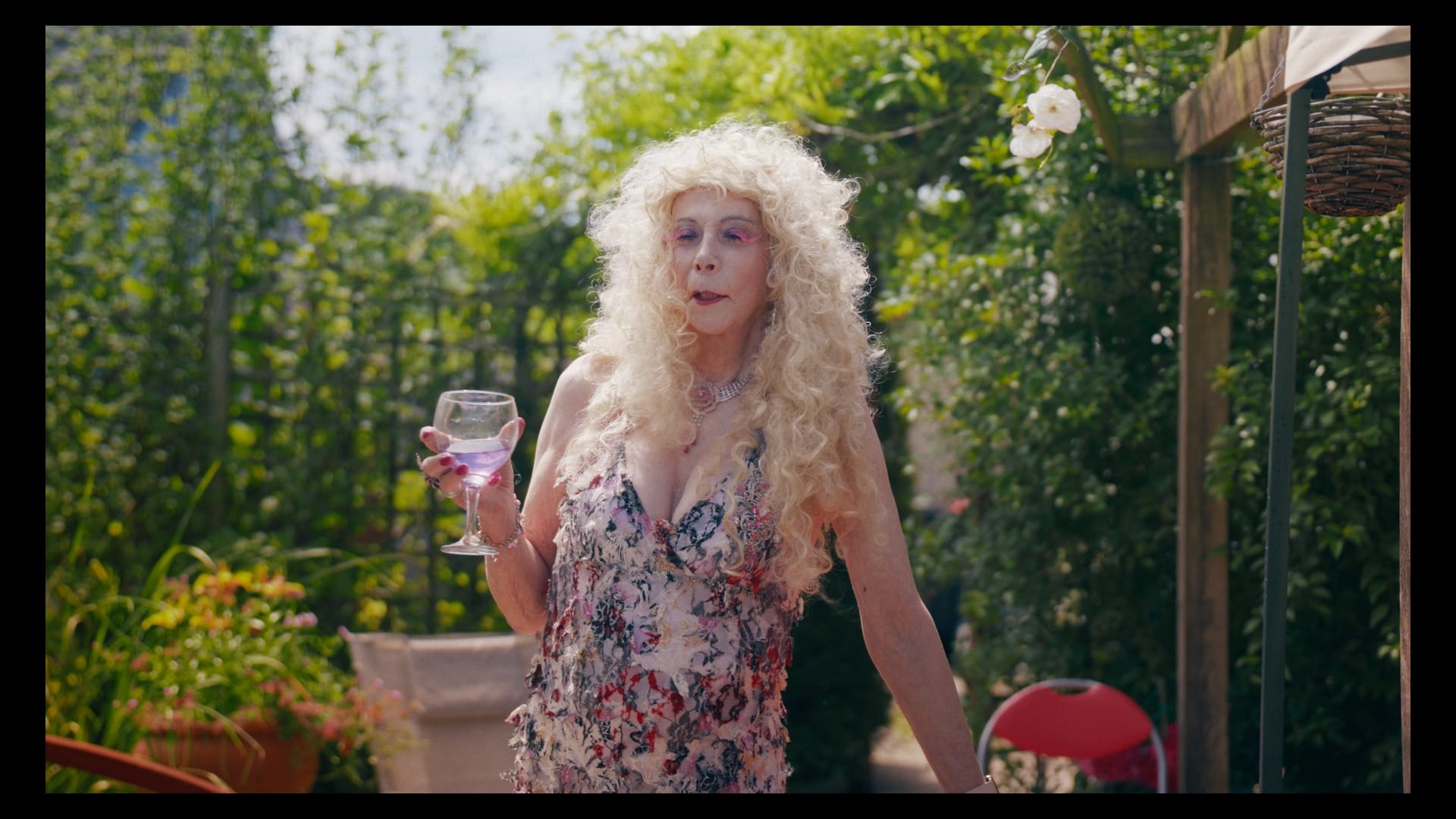
In conversations about how best to tell the story, star and director both agreed that this sense of fun would be the emotional heart of the film. “We had a lot of conversations about wanting to focus on the joy of the house, rather than the negative, because it was a joyful place,” Naomi says. “Looking at the archive photos or reading the magazine, there were so many times I would laugh to myself because it was just so happy.” She tells me people came from all over the UK to attend Martine’s parties and that she often woke up to find people sleeping all over the floor. “They weren’t even crazy parties, mostly they just stayed up chatting,” Naomi says. “She said those were the happiest days of her life.”
This is why, despite a brief reference to the very real risk of being attacked on the street, the documentary largely does not explore the persecution that attendees faced at the time. There’s an argument that this omission makes the urgency and bravery of what Martine was doing less obvious, diluting its impact as a result. On the other hand, Naomi explains that she wanted the film to feel as tender and comforting as the house was to those who once relied on it. “It was somewhere people could go and forget about what was happening outside,” she says.
For Naomi, one of the most compelling things about Martine’s story is the way it demonstrates that there are multiple ways to protest. “Most of the time, when we celebrate people for standing up, it’s because they organised marches,” Naomi says. “Martine was just opening the door for people, it was a kind of quiet defiance. You don’t have to go onto the streets, you can also resist by building spaces where people feel safe.”
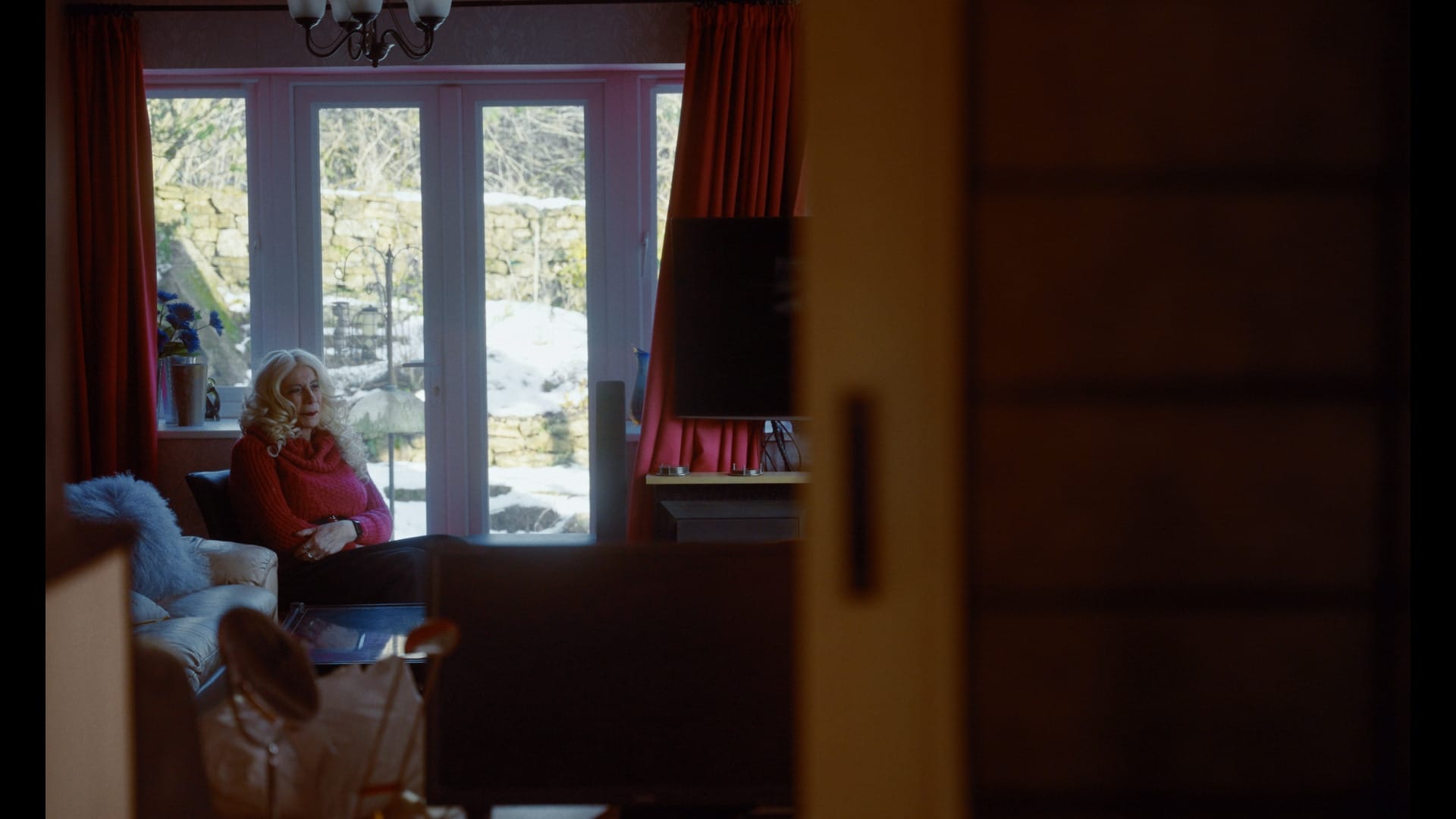
Similarly, while many famous documentaries about trans history — including the most well-known Paris is Burning — focus on the glitz and glam, Naomi tells me she particularly enjoyed “how normal and domestic” many of Martine’s events were. “It’s very British to me, having someone come round for a cup of tea with biscuits on the table, or having a Cotswolds weekend,” she says. By far my favourite moment of the film is a shot of Martine at a recent event, calling out a raffle ticket and finding the winner is nowhere to be found. The film immediately cuts to archive footage of her, years in the past, in the exact same situation.
Until Naomi reached out to her, Martine never imagined her work in Sheffield would become part of the historical record. “But I was aware that what I was doing was something new and had not been provided by anyone else,” she says. “It really proved to be something that was needed.” She takes it as a positive sign that there is no successor to Rose’s House, pointing out that Sheffield was already a far more accepting place by the time she moved away in 2004. “I hardly noticed the change, to be honest, because it was such a gradual process,” she says. “But, if someone set up something like Rose’s House now, I don’t think it would be very successful. These days most people are happy to just go out.”
Get your ticket to see Rose’s House, at 12.45pm today or 3.30pm tomorrow, here.
If you previously attended events at Rose’s House, Naomi would love to hear from you - please get in touch at roseshousefilm@gmail.com.