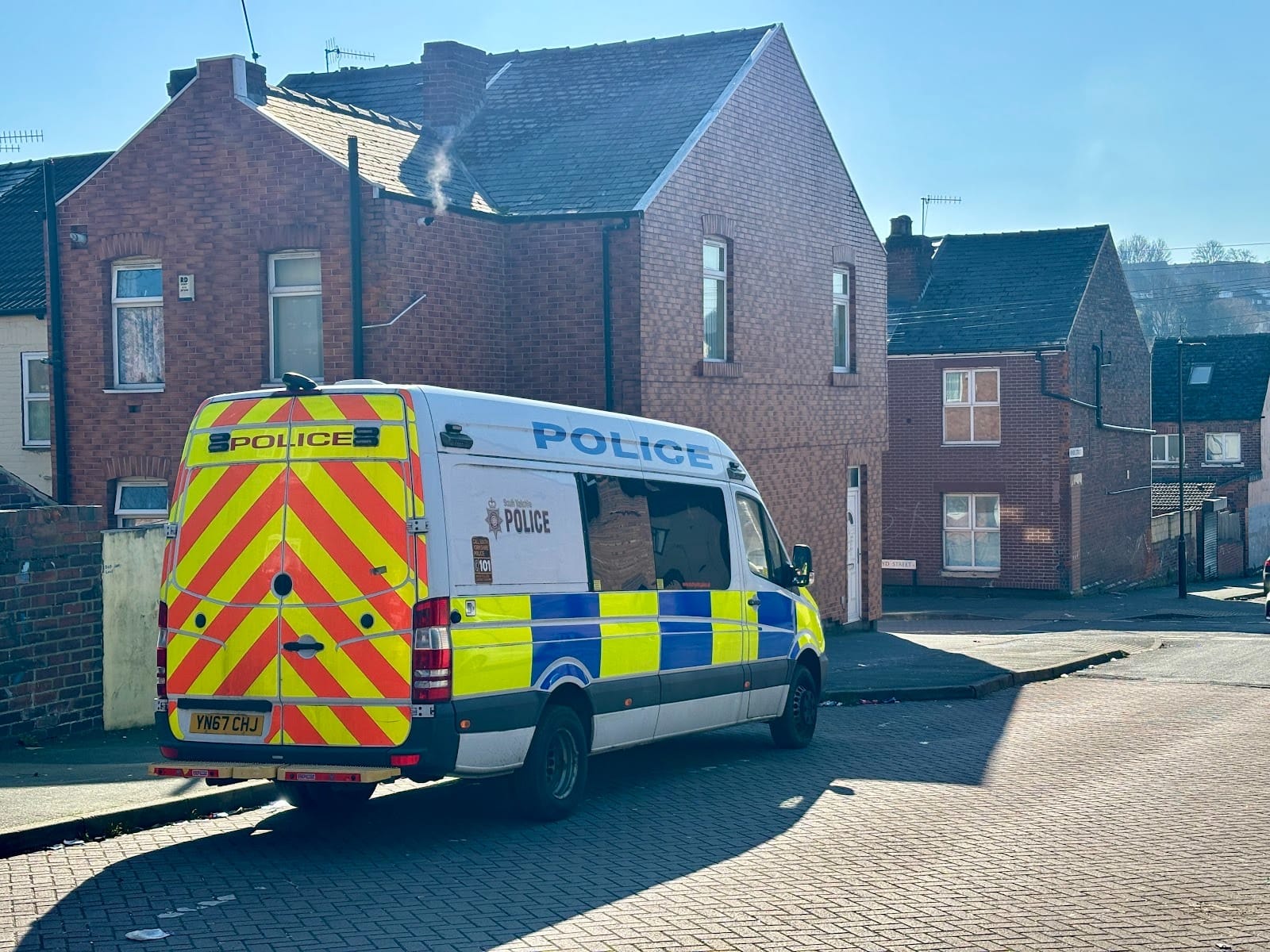
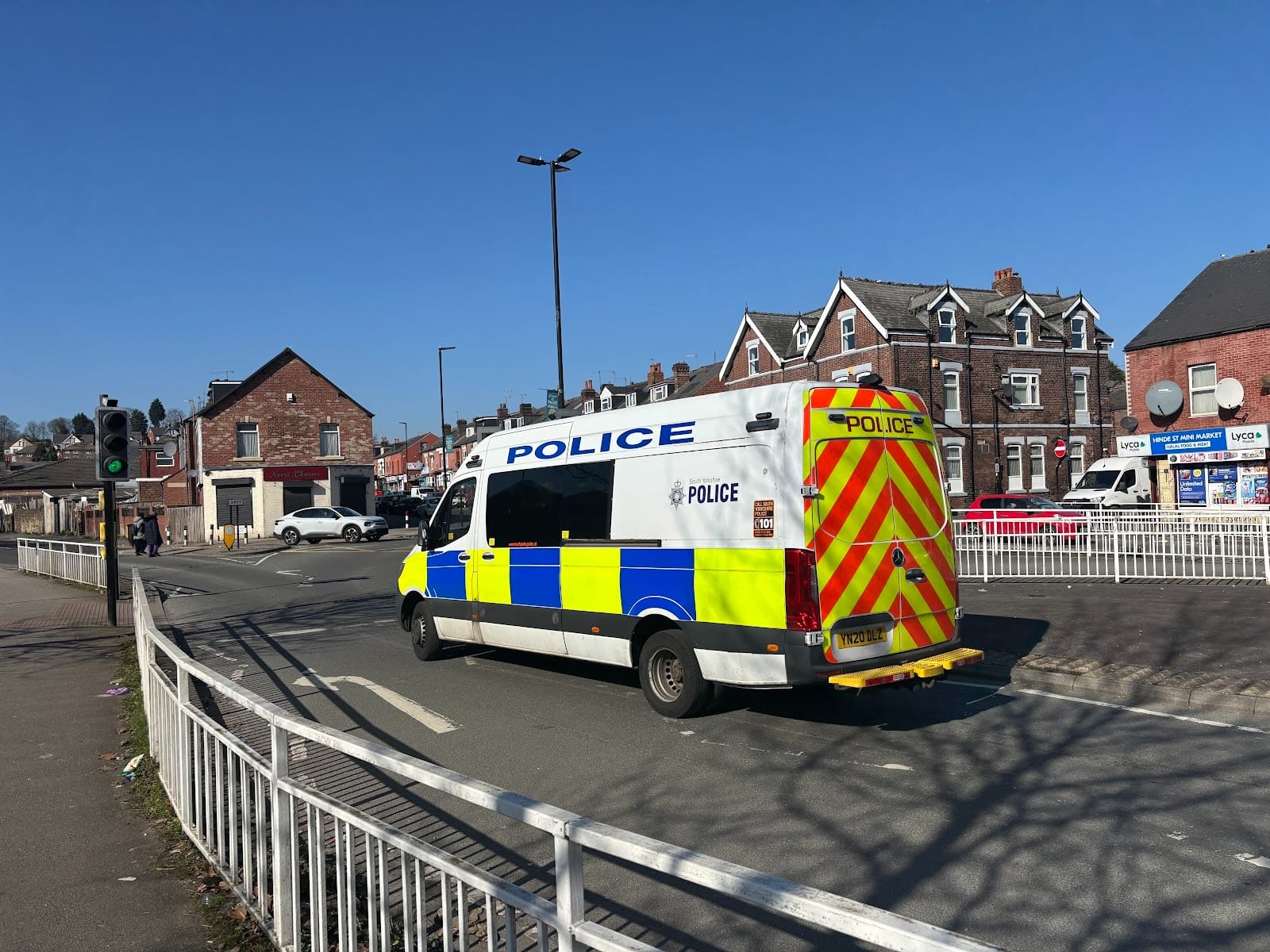
It doesn’t take me long to spot them. As I walk up Hinde Street, there are three police cars stationed outside a house. Just seconds later, two more police cars and three police vans pass me on the road, seemingly doing laps of the neighbourhood. Eventually, one of the vans parks at the top of the street, as if standing sentry over the whole area. I’m in Page Hall, and the area is once again being swarmed by police.
Tensions in the tightly packed terrace streets have been high for several weeks. At the beginning of February, five men were arrested after a large group of people armed with poles and pieces of wood were caught fighting on Firth Park Road on Monday 2 February. Then, last Thursday, several pupils and members of staff were injured when violence erupted at Fir Vale School.
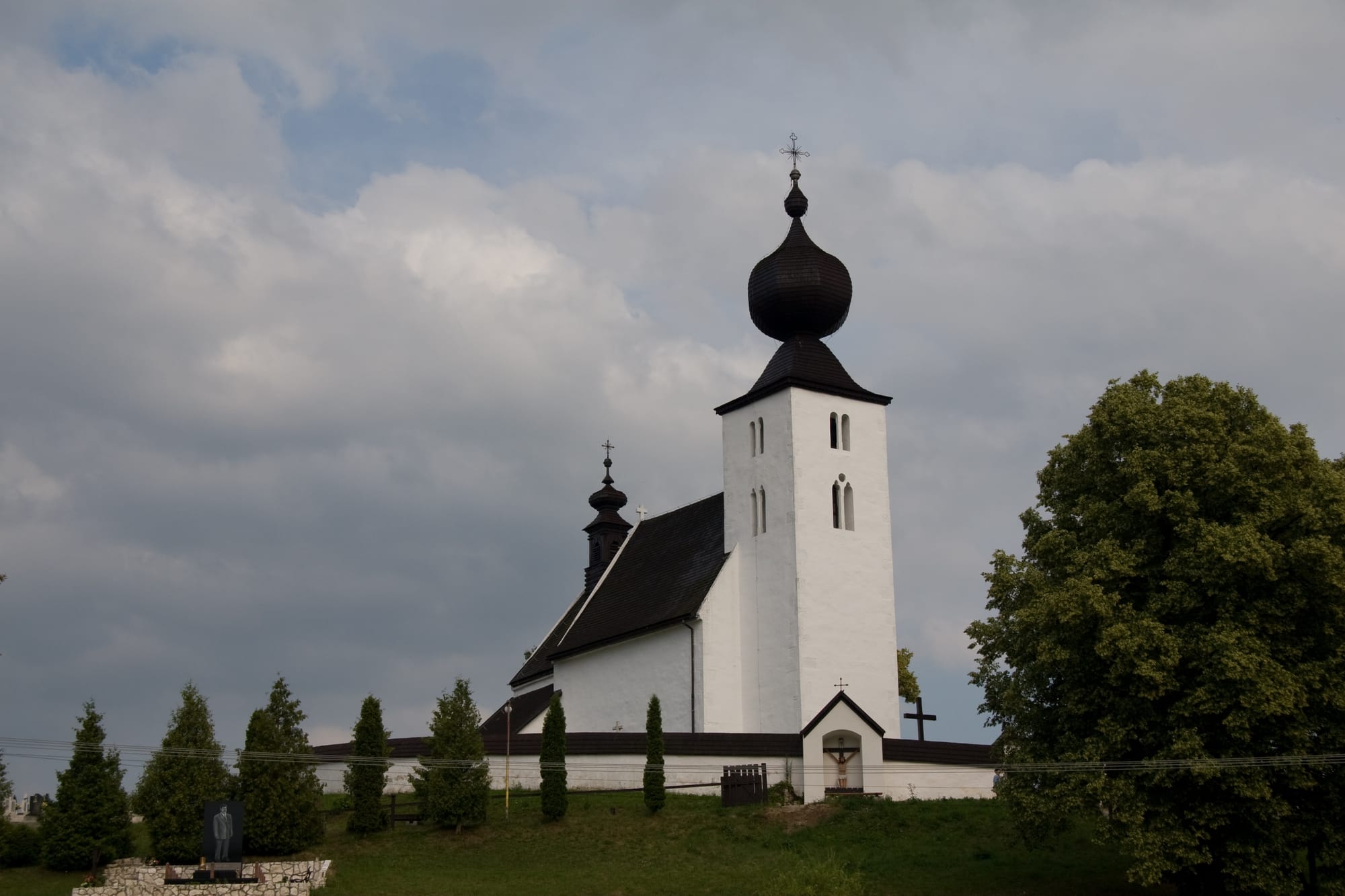
As The Tribune has reported before, the vast majority of the Roma people who live in Sheffield come from just two small villages in Slovakia: Žehra and Bystrany. Which village they come from tends to determine how they adapt to life in this country. Those who come from the more prosperous Bystrany tend to do better at school and in the job market while those who come from the more deprived Žehra tend to fare less well.
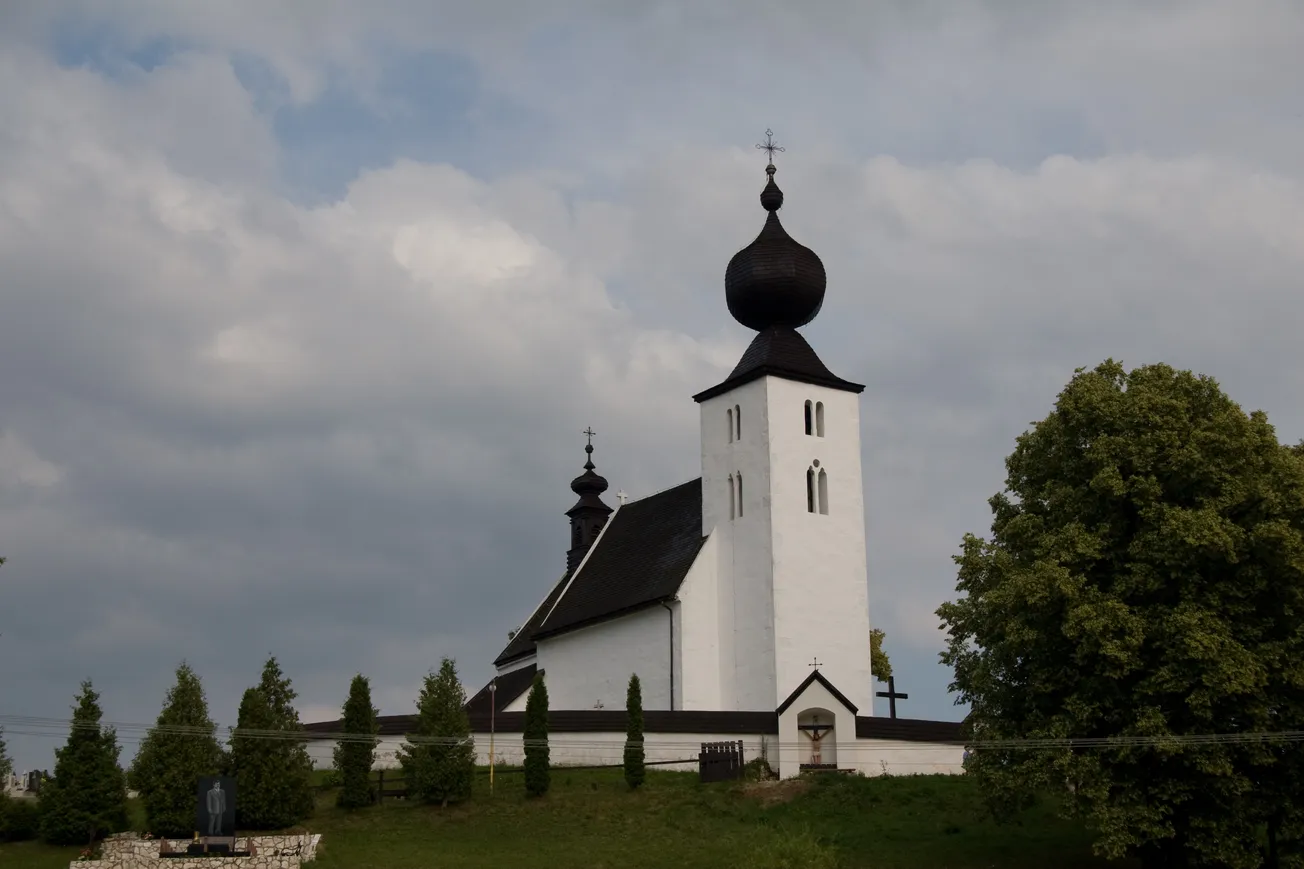
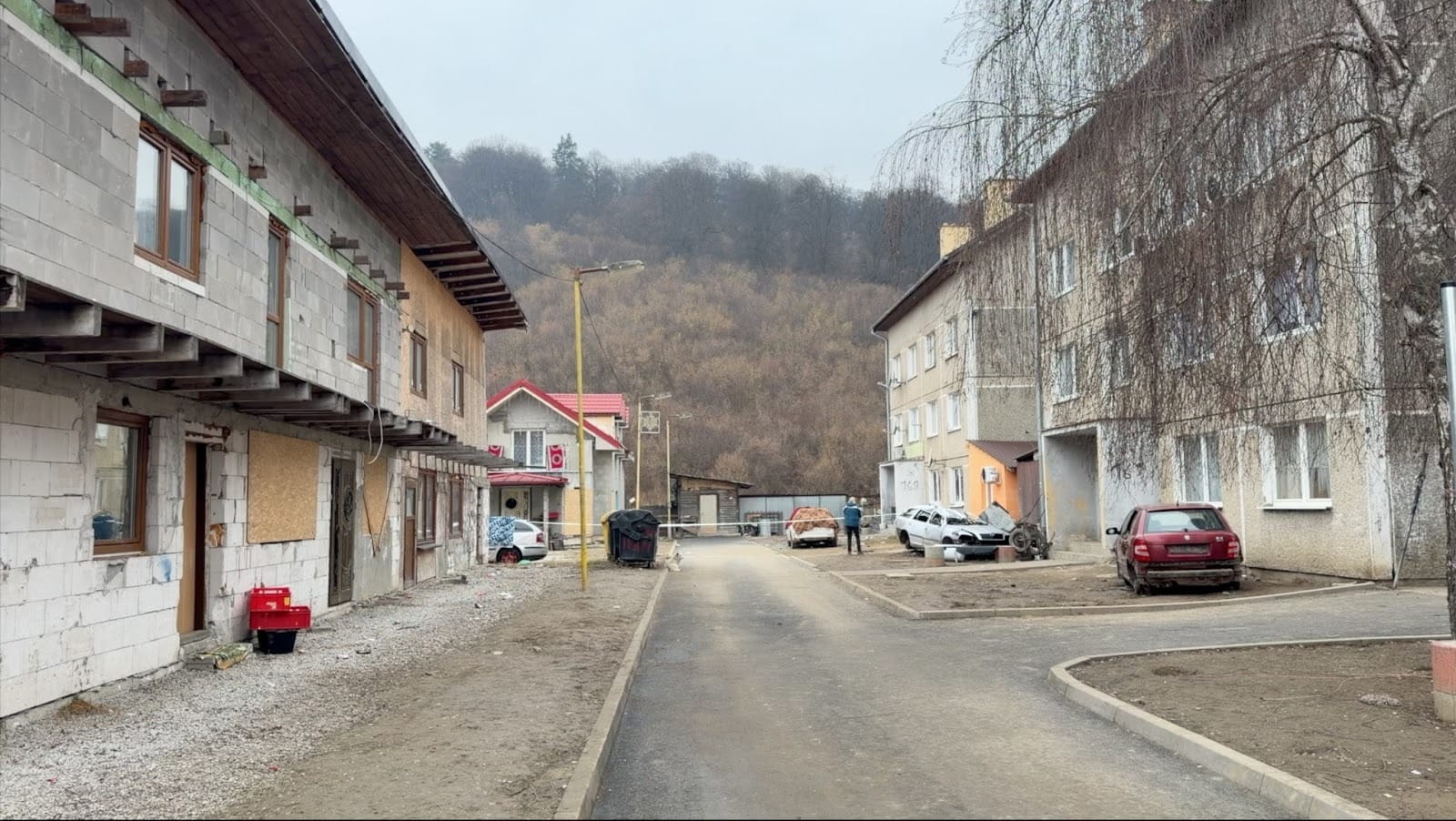
The violence that has recently taken place in Page Hall is linked to Žehra, a village of less than 3,000 people. The Tribune has learned that forthcoming mayoral elections for the village have led to political violence both in Slovakia and in Sheffield. Tensions have been brewing there for some time but the worst of the violence there came at the weekend when people armed with sticks, stones and in some cases machetes fought in a part of Žehra known as Sídlisko (a word often used in Slovakia to denote housing estates built during the communist era). Local reports said that one woman was seriously injured.
Earlier this week we contacted Slovakian journalist Matúš Gavlák, who works for Slovakian television station TV JOJ and lives in Spišská Nová Ves, just a few miles from Žehra. He told us that the violence taking place in Slovakia and Sheffield is between two sides of the same family. Supporters of the current long time mayor Marián Mižigár are clashing with other members of the Mižigár family over who gets to run Žehra.
In a report in the Czech website Deník, Mižigár is quoted as saying: “My nephew went to the gym, where he was attacked by three people. They threatened him that if his uncle ran for mayor, they would kill his whole family.”
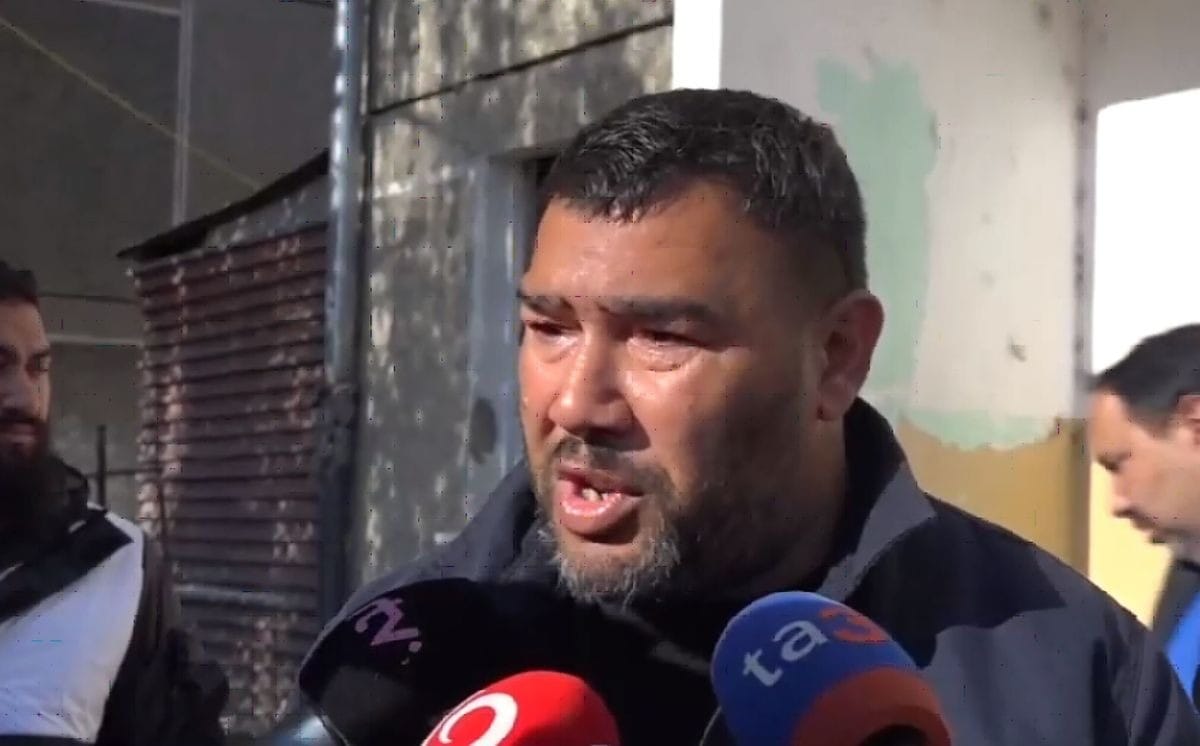
Clashes between the two sides of the family have been going on for up to 25 years. Similar violence happened in Žehra and in Sheffield last summer, at which point elder statesmen from the warring sides of the Mižigár family negotiated a truce. I ask Gavlák whether money is at the root of this conflict, but he says that’s not really a factor. “It's more about ego,” he tells me. “The feeling of being the king of the village.”
Police are now aware of what is causing the tensions. A video message on South Yorkshire Police’s Facebook page on Tuesday made it clear that they were now aware of the root causes of the violence. “By working with you we understand some of these tensions relate to elections held in Slovakia,” said an officer from the area’s neighbourhood policing teams. And judging by the police presence I witnessed on Wednesday, it’s clear they don't expect it to disappear overnight. The mayoral election isn’t due to take place until October.
As The Tribune has written before, most of the Roma people in Sheffield come here for a better life. They are amongst Europe’s most persecuted peoples, and are routinely denied educational and employment opportunities across Eastern Europe, including in Slovakia. Earlier this year, Hungarian transport minister János Lázár sparked fury when he said that Hungarian Roma people could solve the country’s immigration problem by doing the jobs that no one else wanted to do, like cleaning toilets.
But while their reasons for leaving might be understandable, their presence in Page Hall has caused tensions over the last 20 years. These have been between the Muslim Asian population which traces its roots in Page Hall for 50 years or more, and a more recent group of Roma Slovak immigrants who began to arrive in Sheffield in larger numbers in the early 2000s. Those tensions were what caused the outbreak of violence at Fir Vale School in 2018, and before that some local politicians, including David Blunkett, warned that the area was a “pressure cooker waiting to blow”.
However, since the nadir of 2018, conflict between Asian and Roma residents has become rarer. Hamza Mehmood, an admin worker at Fir Vale Community Hub, said while the area still suffers from too much anti-social behaviour and fly-tipping, it had been fairly quiet until this latest spate of fighting. He says tensions between Muslim and Roma communities are not as fraught as they used to be, wondering if it’s because the Roma are now more settled. “They’ve got used to each other now,” he says.
Instead, the tensions now are between members of the same community. One Roma woman in her mid-20s, who came to Sheffield from the village of Žehra when she was just six, tells me she wants the violence to stop.
“People don't understand what they have here, life is good,” she says. “I think they should stop fighting. If they are living here they should live the life here. What’s the point in fighting about what is going on back home when we don’t even live there?” She says they are trying not to get involved and are thankful the police are trying to keep everyone safe from harm. She doesn’t want to give me her name, saying she is worried that those who had caused recent trouble might come looking for her and her family.
As I leave, I ask her why, if the village of Žehra is so small, some people are so intent on fighting over who gets to be its mayor. “Everyone wants to own it,” she says.
Hi, Dan here. Thanks for reading today's story.
The Tribune is a bit different to other local news. Our mission is to go really deep into what's happening in Sheffield and get the full facts.
If you want to know more about your city, then join our free mailing list. We'll e-mail you three times a week with important stories and good news from across the city.