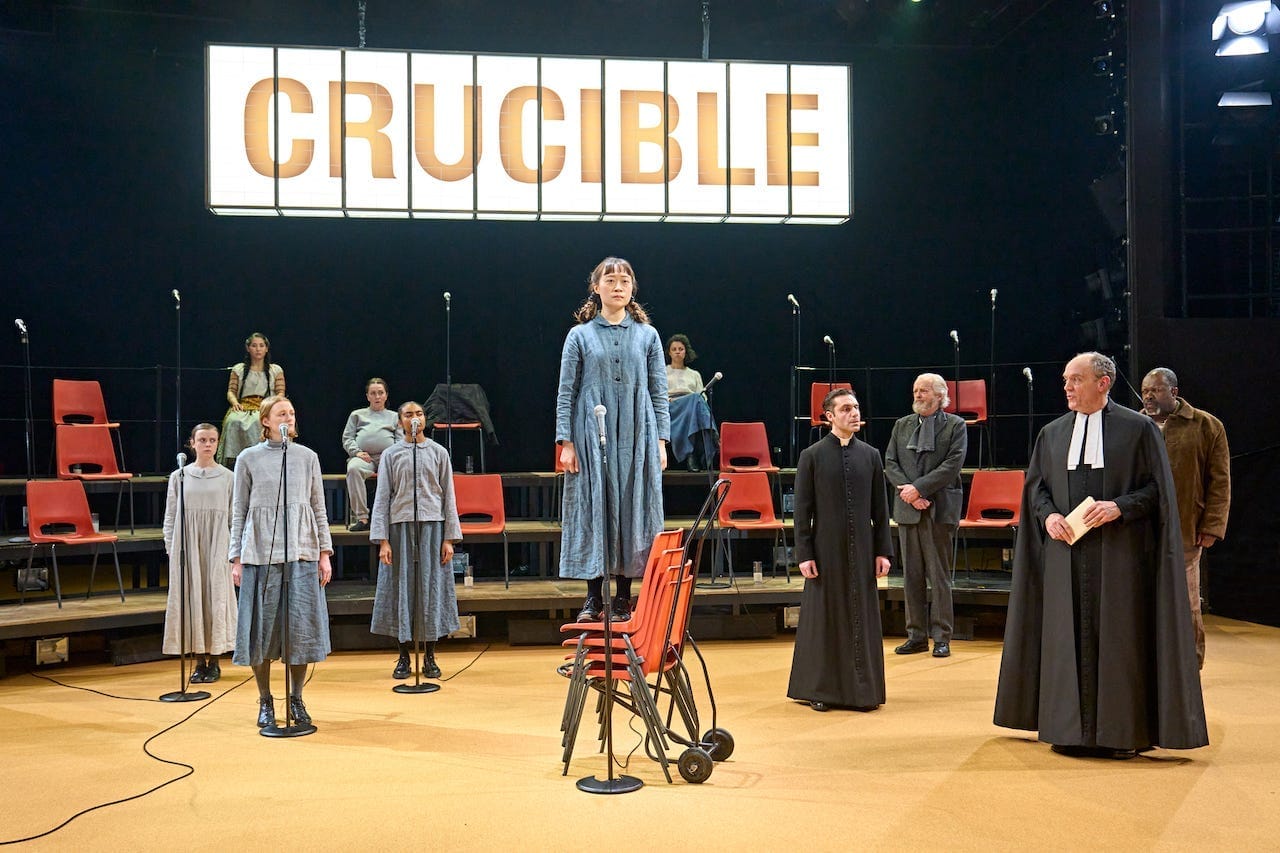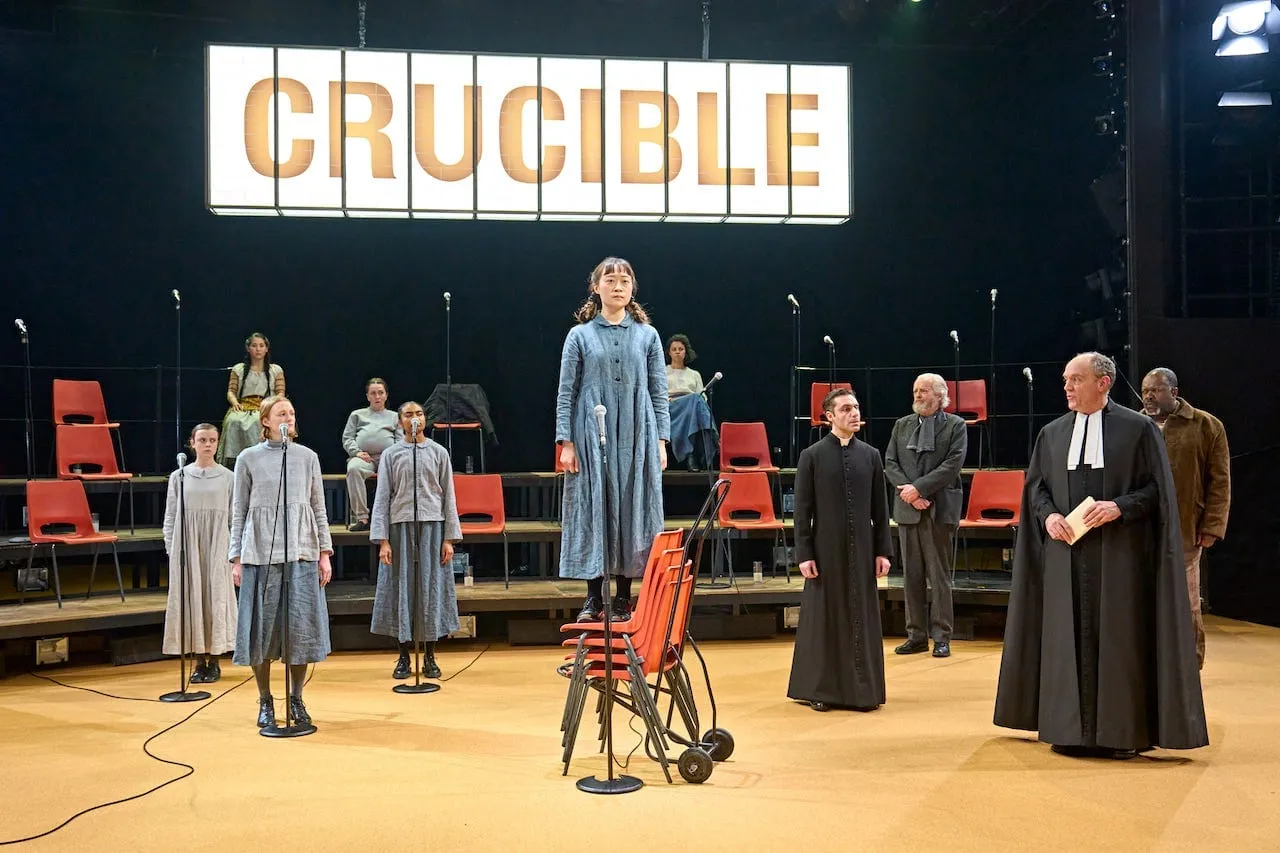
In almost three years I’ve spent reporting on Sheffield, I’ve never met any group more reticent about speaking to the press than the theatre community. The city’s movers and shakers are sometimes up for a chat, if they can find the time. Destitute asylum seekers are happy to speak, provided I have a translator to assist. But the tightknit, secretive gaggle of thespians, playwrights, directors and more are constantly looking over their own shoulders. Everyone is gossiping, it seems, but no one is talking.
There’s a good reason for those nerves, which this piece explores, but it does make reporting on Sheffield theatre — or, to be specific, Sheffield Theatres — an uphill battle. But The Tribune never shies away from a challenge. To enjoy our peek behind the (stage) curtain, based on hard-won chats with some very jumpy insiders, you’ll have to become a paying subscriber. Sign up today.
In a meeting last spring, staff at the powerful body that dominates theatre in this city were told about three incoming additions to the senior leadership team. Tom Bird, the chief executive of Sheffield Theatres, took a moment to introduce the new directors, two of whom were taking newly-created roles. “He started telling us who they were and a bit about their backgrounds,” an employee who was present recalls. “In none of those descriptions did he mention they had worked at Pitlochry.”
Though based in the Highlands and dwarfed by institutions like the Edinburgh Playhouse, Pitlochry Festival Theatre is one of Scotland's more established theatres, making this omission surprising. However, it is also the theatre that Elizabeth Newman — the current artistic director of Sheffield Theatres — led before arriving in Sheffield at the start of last year. Not only were all three of the new arrivals previously senior members of her team in Pitlochry, two also worked with her at the theatre she led before that, the Octagon in Bolton.
The trio seem competent and qualified for their roles, according to people I’ve spoken to, and it’s not unusual for a new leader to hire former colleagues they have worked well with in the past. But the decision rankled some staff, who believe Sheffield Theatres rejected a number of excellent candidates with local roots, in favour of handing high-paying jobs to Newman’s friends. The Tribune has seen the specifications sent to one unsuccessful candidate, which sets the annual salary at £40,000, for 32 hours a week. “That’s high for theatre,” they note. “The bar is on the floor.”
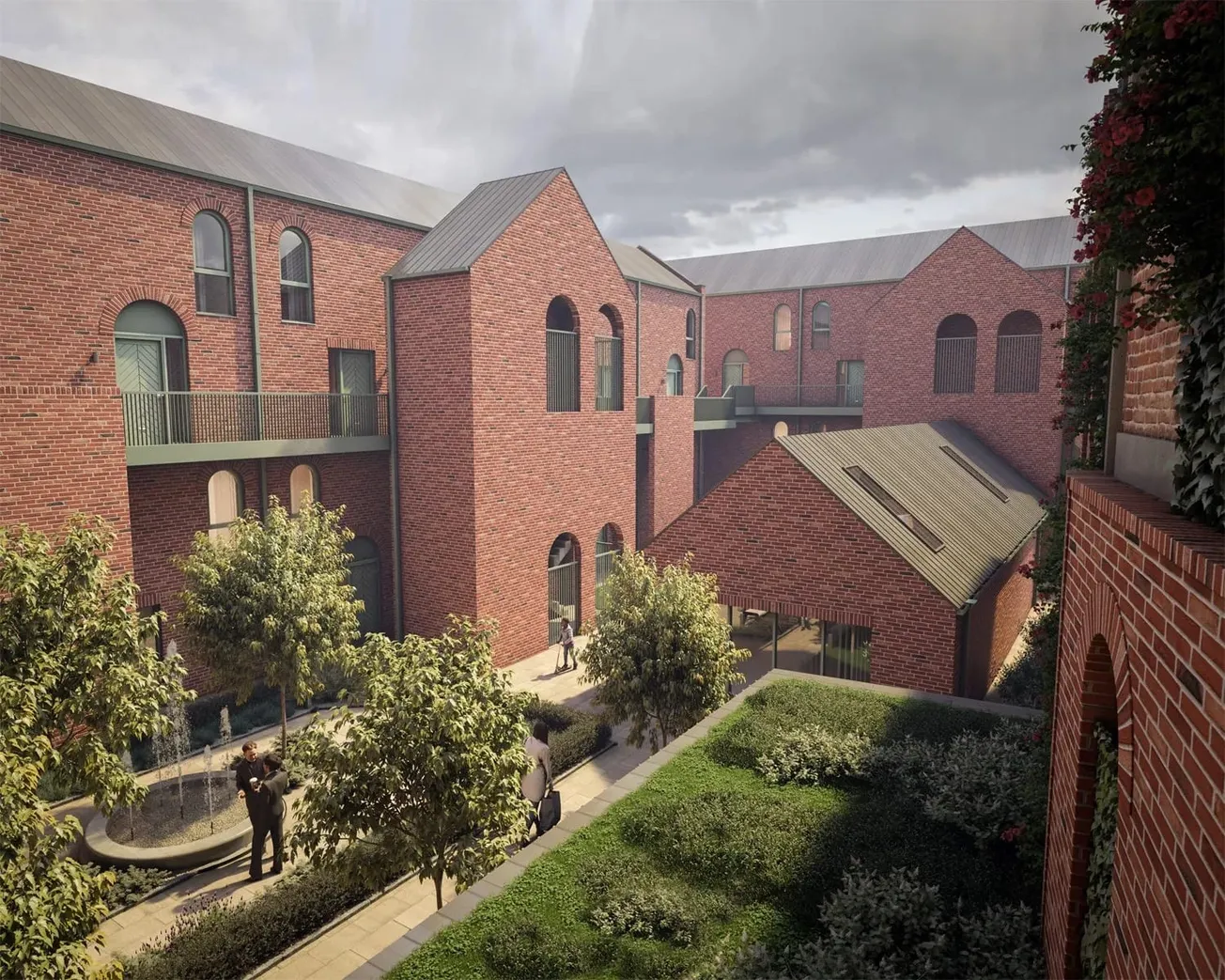
A big part of why this decision has infuriated members of Sheffield’s theatre scene is one that predates Newman’s arrival from Scotland. Simply put, Sheffield Theatres has what one employee describes as a “cultural monopoly,” one that has only grown larger since the organisation absorbed the Montgomery Theatre at the start of last year.
Sheffield deserves great journalism. You can help make it happen.
You're halfway there, the rest of the story is behind this paywall. Join the Tribune for full access to local news that matters, just £8.95/month.
SubscribeAlready have an account? Sign In