Good afternoon members — and welcome to Thursday’s Tribune.
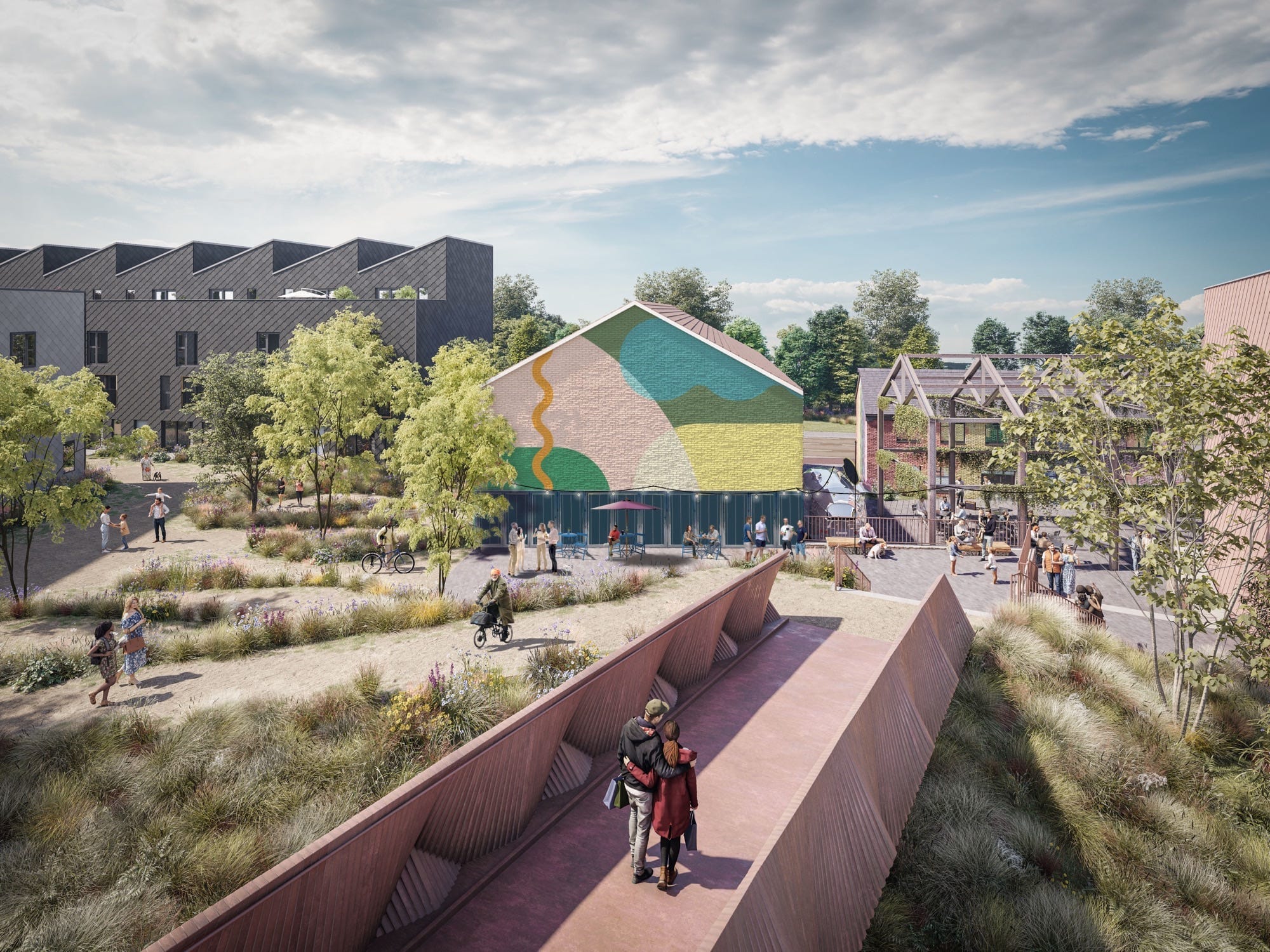
Attercliffe is one of my favourite parts of Sheffield. There’s something about the contrast between the area’s glorious past and its faded state today which makes it endlessly interesting. But changes are happening. A big housing deal has just been struck between a developer and Sheffield City Council to build 1,000 homes on either side of the Sheffield and Tinsley Canal. Will it work? I travelled down to Attercliffe this week to take a look at the site itself and ask whether the development can bring the good times back to a long-neglected area.
Editor’s note: We hope you’re enjoying The Tribune. As always on a Thursday, the first part of this newsletter is going out to everyone on our list but only paying members get the full story. This is because we want to show non-members the kind of great recommendations they can expect if they join up, and tease a bit of the story as well. If you like what you see, and want to help ensure the survival of high quality journalism in Sheffield, please take out a membership today.
Mini-briefing
🏚️ Big news in The Star that plans have been unveiled to transform an iconic Sheffield building into a spa, cafe bar and restaurant. The magnificent but crumbling Salvation Army Citadel on Cross Burgess Street has lain empty for 16 years, but now owner Robert Hill hopes to use the Heart of the City development to bring it back into use. The plans show a restaurant, a pool, hot tubs, a sauna, a cafe-bar and steam, treatment and relaxation rooms.
🪴 A garden designed for Northern General Hospital as a sanctuary for patients with spinal injuries has won a top prize at Chelsea Flower Show. The design was inspired by Sheffield’s geography and heritage and features a water table at wheelchair users’ level, accessible terrazzo-style paths and layered beds to allow interaction from various levels. The £1.75m garden will be recreated at the hospital’s Princess Royal Spinal Injuries Centre next year.
🍔 Another feather in the cap of Sheffield’s food scene comes this time from Which? magazine which has named us the second best city in the UK for food and drink. Second only to Newcastle in the consumer bible’s list, Which? says “independent coffee shops and cafés have popped up across Sheffield in the past 10 years and the city’s disused industrial spaces have been transformed into cool restaurants and bars”. The best place to start, they say, is Kelham.
Things to do
🍔 The big event taking place over the bank holiday weekend (26-29 May) in the city centre is the annual Sheffield Food Festival. Now in its 10th year, this year’s event will see over 50 traders, 16 acts, two DJs and three special evening events spread across the Peace Gardens, St Paul’s Parade, Millennium Square, Town Hall Square, Pinstone Street and the Winter Garden. For a full list of where and when everything’s happening, see the website. Neepsend’s Rex Market and the Sheffield Vegan Market are also taking place on Sunday.
🎸 Performing on Saturday night (27 May) at The Leadmill are the Bootleg Beatles, the world’s most legendary tribute to arguably the world’s greatest band. Formed in 1980, the band have now played more than 4,000 shows at places including Glastonbury, the Royal Albert Hall and Liverpool’s Echo Arena. They have also toured around the world including in the US, the Cold War Soviet Union and India. Tickets are £25 and doors open at 7.30pm.
🪦 This Saturday (27 May), take a guided walk through wilderness and history at Wardsend Cemetery. The Great Sheffield Flood Tour visits the graves and tells the stories of some of the victims of the cataclysmic event which took place when Dale Dyke Dam burst in 1864. The tour, which begins at 2pm and lasts 90 minutes, is free but a suggested donation of £2 would be appreciated. For our piece about Wardsend Cemetery from last year, click here.
Is Attercliffe poised to become Sheffield’s coolest neighbourhood?
“It’s like a supermodel with spinach in her teeth,” David Slater tells me as we whizz around Attercliffe in his brand new Range Rover Evoque. “You only see the spinach.” It takes me a few seconds to figure out exactly how this gnomic comment relates to the neighbourhood we’re currently touring. But after rolling it around my head for a minute, I think he means there’s a human tendency to focus on what’s wrong with something, and not what’s right.
What’s wrong here is easy to see. The first time I visited Attercliffe and drove down its historic but faded high street, with its sex shops, massage parlours and swingers clubs, I was left slightly shaken by the sheer brazenness of it all. Scattered in between the sleaze, the decaying buildings and empty lots did little to improve my impression of the place.
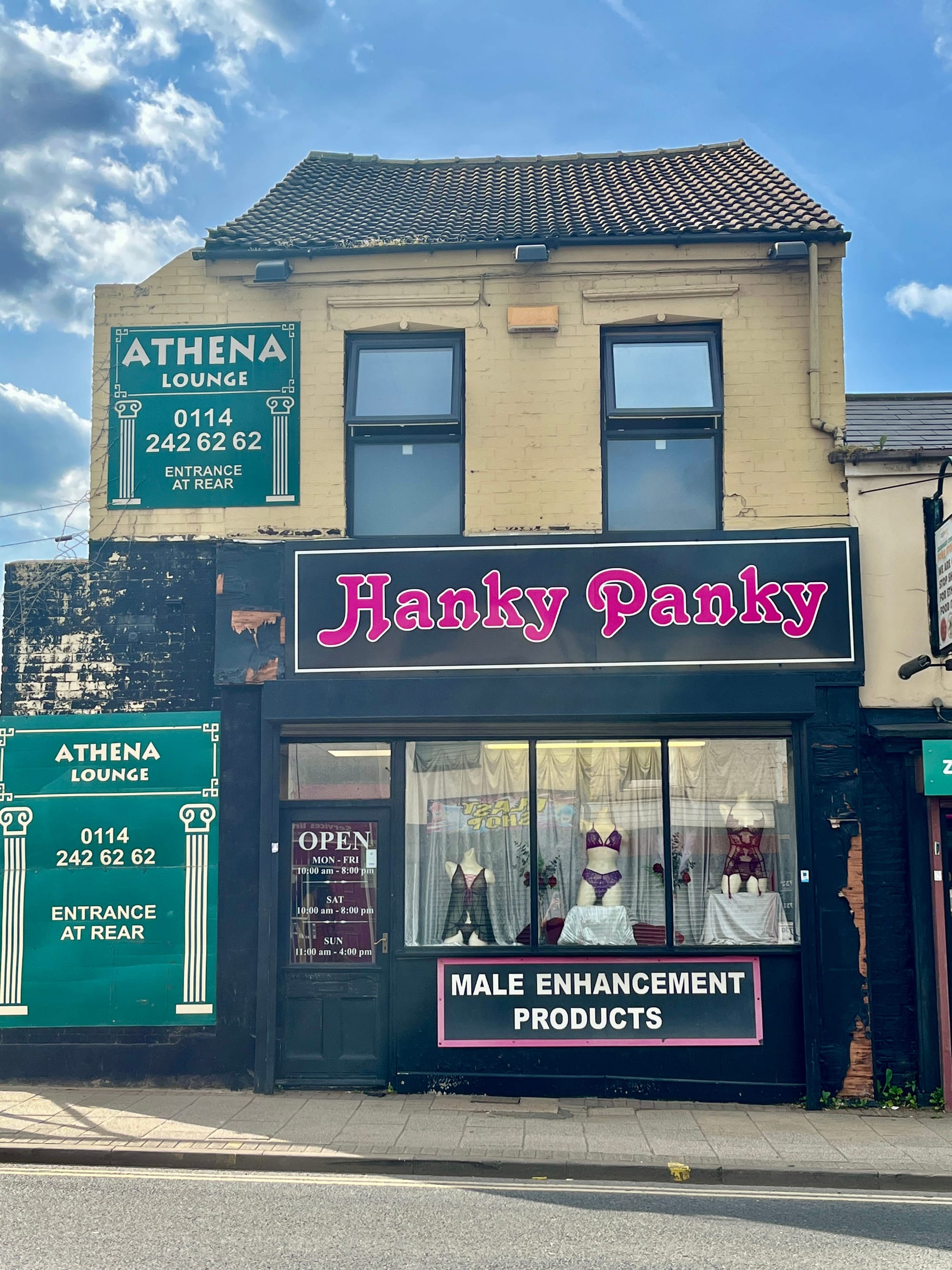
It’s changed a bit since then, and some of the seedier venues (including notorious swingers’ club La Chambre) have now departed. Of the sex shops which are still standing, the most prominent is Hanky Panky. Three mannequins dressed in risqué lingerie stand in its window while a sign painted on its facade in huge block capitals reads MALE ENHANCEMENT PRODUCTS. A few doors down, massage parlour Diplomat’s inscrutable exterior informs clients: “Entrance to the rear”. Nudge nudge, wink wink.
What Slater, 61, is asking me to do, is look beyond all this, to remember what Attercliffe has been in the past, and imagine its future potential. Its past is well-known. Attercliffe was once the beating heart of the city’s steel industry, home to dozens of vast steel mills and all the people who worked in them. The neighbourhood effectively formed the centre of a separate district within Sheffield, boasting a high street that contained as many shops as you’d find in the city centre and, as The Tribune has found out last year, an astonishing array of pubs.
But industrial decline in the 1980s changed all that. As industry left, so did the people — and most of the businesses and pubs. Over the course of the next few decades, attracted by low rents and the area’s out-of-the-way ambience, the sex trade moved in.
But could things now be changing? Last week Sheffield City Council announced that it had signed a development agreement with housebuilder Citu for 1,000 homes to be built on either side of the Sheffield and Tinsley canal. Citu are probably best known in Sheffield as one of the main driving forces behind Kelham Island’s transformation from a seedy former industrial area to one of coolest neighbourhoods in the UK, which inevitably means that comparisons abound. But Slater says this is selling Attercliffe short. “It’ll be better than Kelham,” he tells me. “We’ve got the one thing they don’t — open space. Attercliffe Waterside is going to light the blue touch paper.”
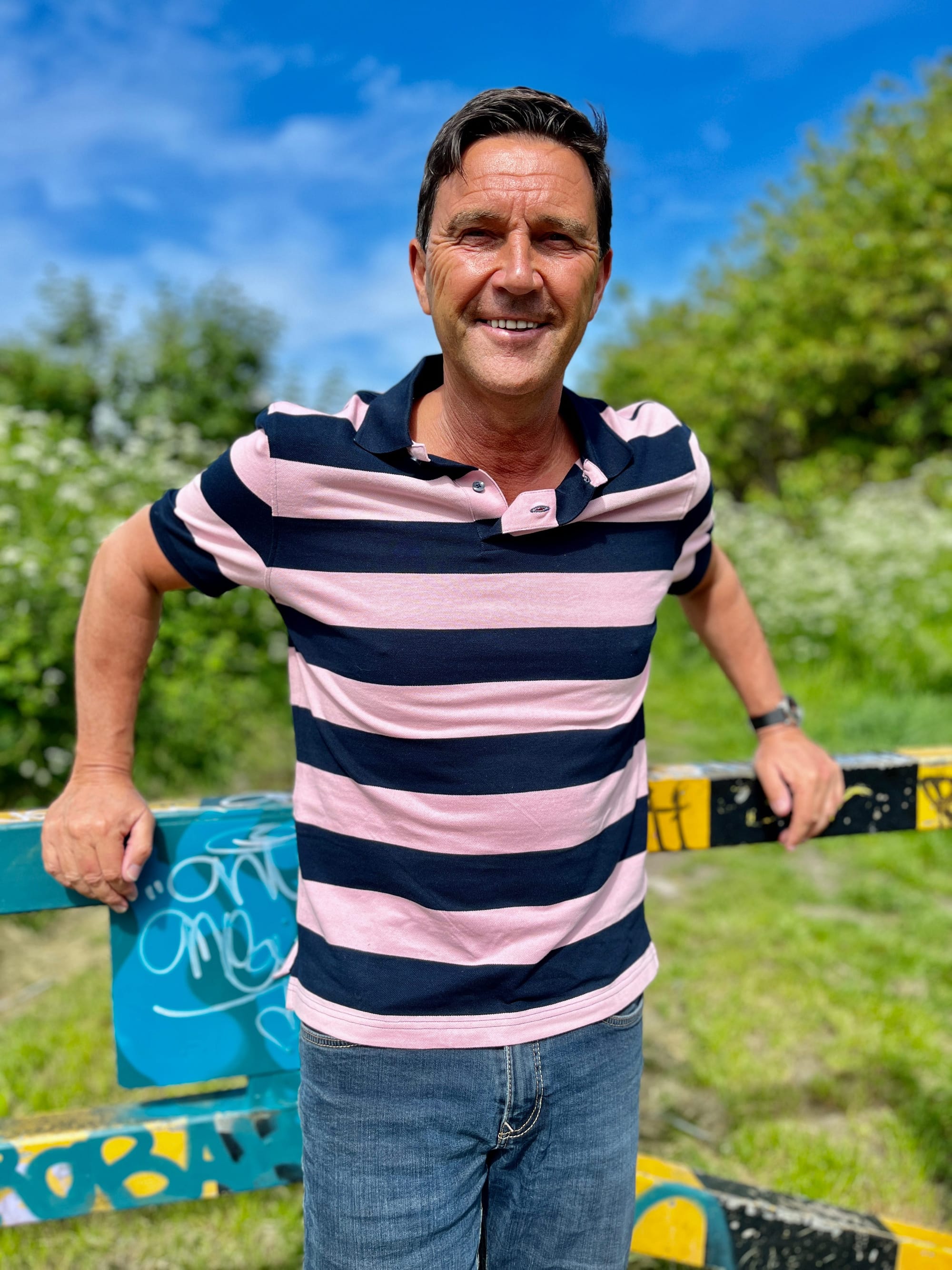
It would be easy to dismiss Slater’s sales patter as bluster, and maybe in the past it has been. But 29 years after he bought his first building in Attercliffe (the old Yorkshire Bank at the junction of Attercliffe Road and Staniforth Road), he thinks people are finally beginning to share his vision for the neighbourhood. He’s got a vested interest in this, of course. Owning 100,000 square feet of real estate in the area, one portion of which is on the very edge of the Waterside site, he’s likely to be quids in if Citu’s gamble pays off. But it’s difficult to fake the level of enthusiasm he has for the area, and if he had just wanted to make money out of Attercliffe, he would probably have sold up years ago.
Earlier, I’d agreed to meet him at Woodburn Road tram stop, just a stone’s throw from where the development will take place. As I climb out of my Skoda Citigo to meet him stepping down from his Range Rover, I begin to think I might have chosen the wrong path in life. As we make a quick tour of the southern part of the site it becomes clear just how big the development is going to be. Two huge grassy areas on one side of the canal are complemented by a smaller piece of wasteland on the other. Together, linked by a new bridge, they will form Attercliffe Waterside, Sheffield’s newest neighbourhood.
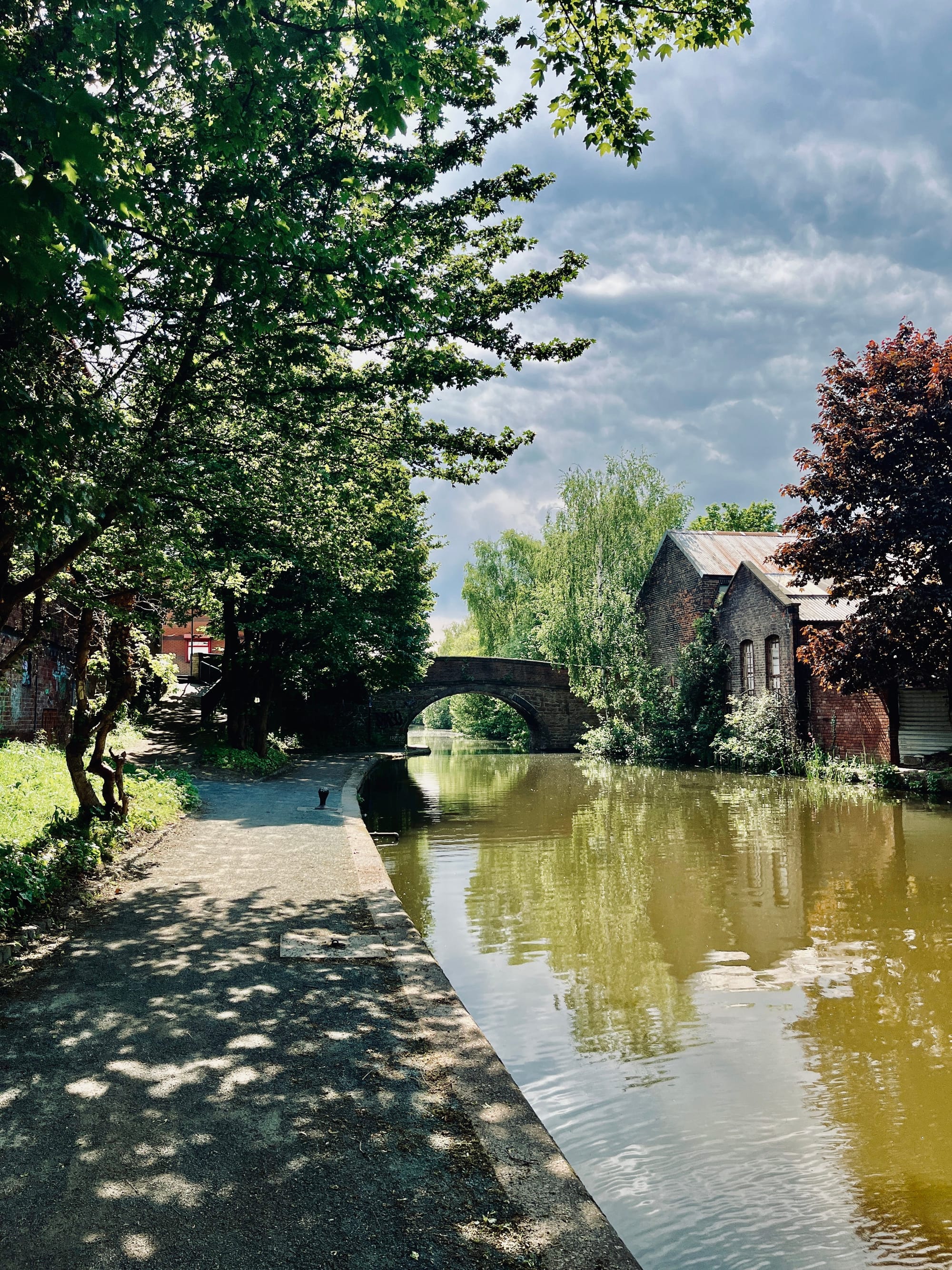
The grassy section south of the canal is a vast space fringed with large trees, which host a cacophony of busily chirruping birds. It’s currently used mainly by dog walkers and was famously the location of Sheffield’s biggest rave in years a few months ago. Walking by the side of the canal is an equally pleasant experience. More birds sing and fly into nests on the banks. A couple of fishermen sit watching their lines as a family of geese waddle down the towpath and hiss at me when I get too close to their goslings.
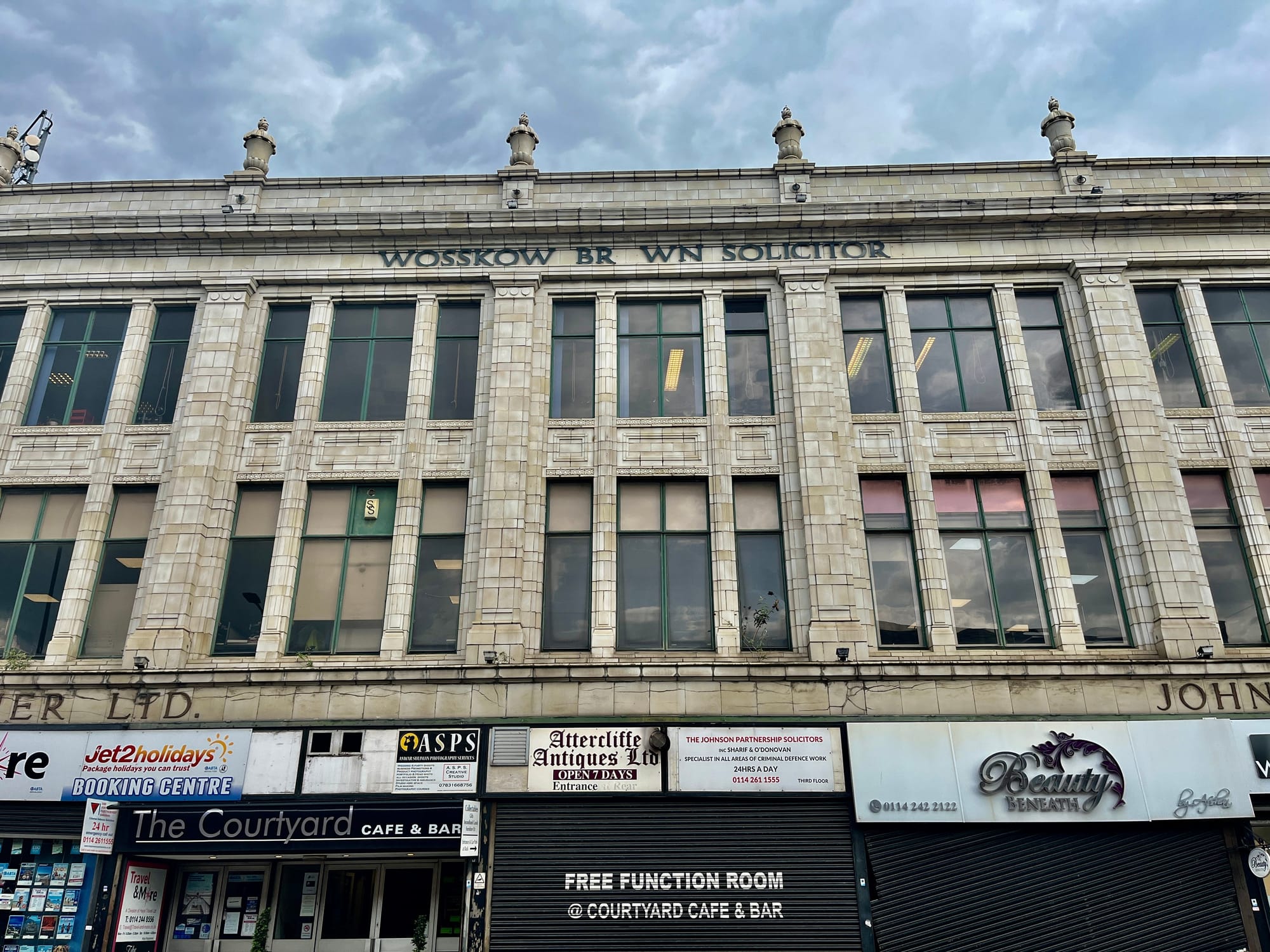
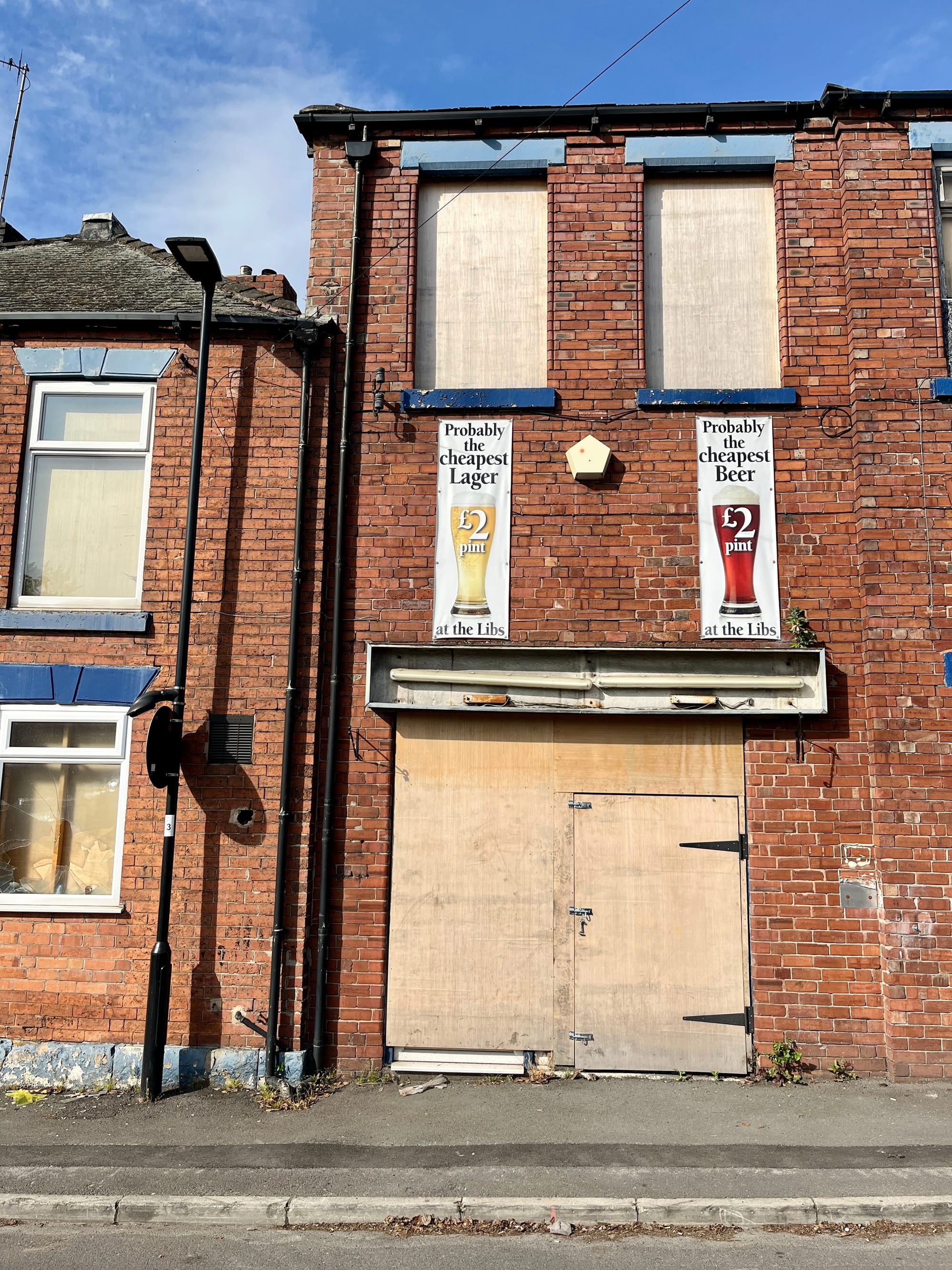
It’s a lovely place to be, and a far cry from the Attercliffe I know. But a few short minutes walk down the high street and we’re back in familiar territory. As well as the aforementioned sex shops and massage parlours, imposing but decaying buildings echo the area’s former glory. Whilst there are lots of still active businesses on the high street, there are also lots of empty units. And the environment isn’t too pleasant either. While the Waterside site felt tranquil, here a steady stream of huge lorries bomb down the road. Not the place for a family day out.
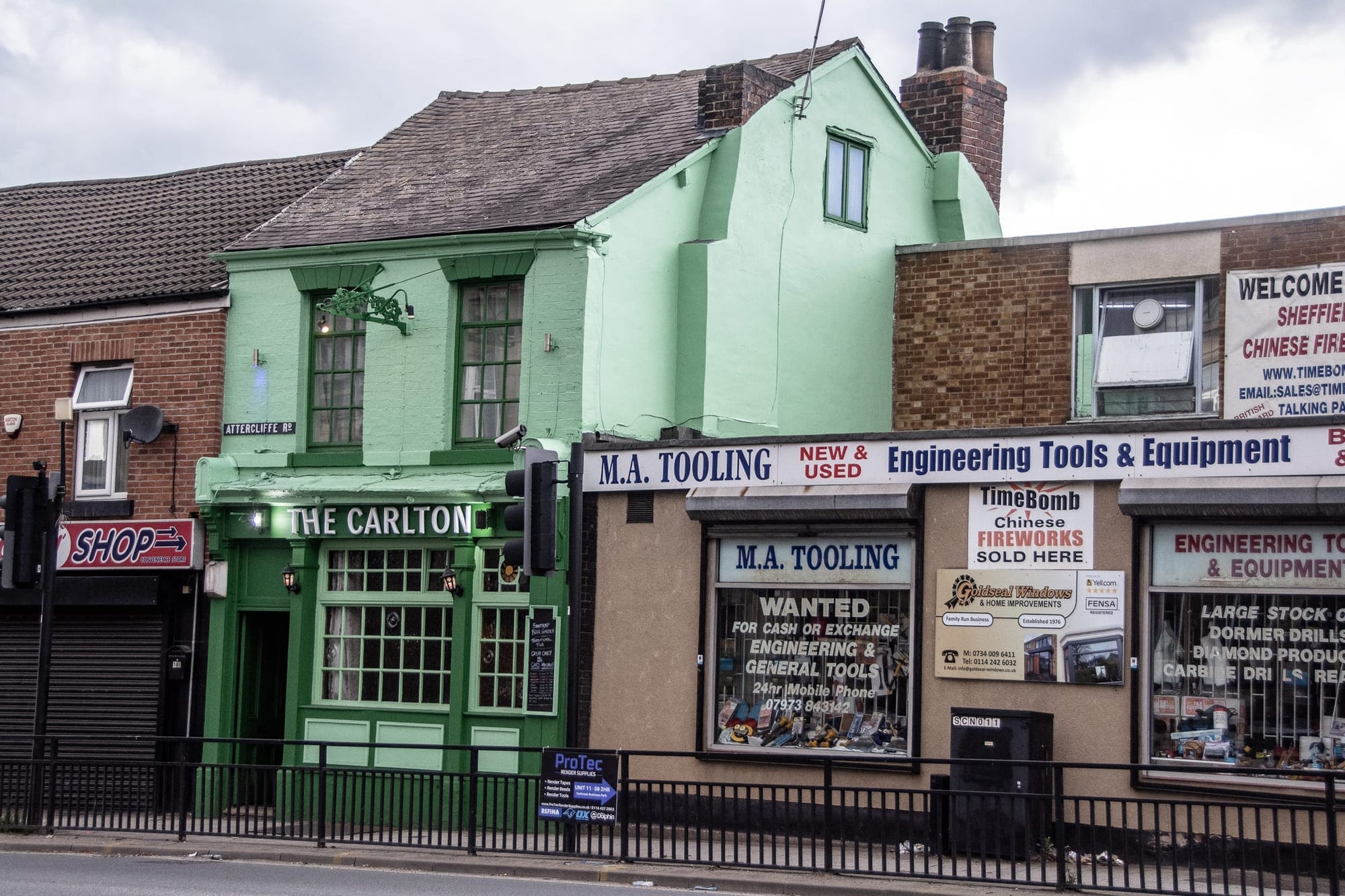
I wanted to find out what people who still work in the area felt about the imminent changes: were people excited or fearful about what the new development could mean? There are still a few remnants of what the area used to be like, one of which is The Carlton, one of the last surviving pubs in Attercliffe. Walking in the bar is like going back in time. The pub is like a museum documenting how the place used to be when the steel industry was at its height, when the area boasted 144 pubs. Now it's the last one left. The landlord doesn’t want to be quoted, but a woman standing at the bar, who is adamant she mustn’t be named, is happy to speak.
The plans have been talked about for almost 15 years, and there has long been scepticism in the area that they will ever be actioned. Now, with an agreement struck between Citu and Sheffield City Council, those concerns seem to have been allayed, but the woman is still not convinced. “I get the regeneration thing,” she tells me. “But I question if this is the right way to go about it.” She says the site is the best place in the area to walk her dogs, and that many people will be sad to lose the green space. “And what about the existing buildings like the old Queen’s Head pub,” she asks. “How is a new housing development going to sort them out?”
One of the things that attracted the council to it as a site for development is its brownfield status (the hope is that if they build mainly on previously developed land, there will be less need for controversial green belt developments). But this doesn't quite tell the full story. The area is actually the old Woodbourn Rec, and has been a well-used green space for many years. After walking around the site for just a few minutes, it’s easy to see why some people want to save it. It feels like an oasis of calm in a part of the city not normally noted for its tranquillity. In fact Sheffield Green leader Douglas Johnson came out against the plan last year, saying it risked losing valuable green space and biodiversity. However, after a site visit he now says the plans make better use of green space than he previously thought.
As I walk further into the hinterland behind Attercliffe high street, the area’s character becomes even more confusing. Environmental waste dumps compete for space with car garages and factories. Yet also hidden away on these back streets is St Mars of the Desert, an uber-cool brewery and tap which is said to make some of the best beer in Sheffield. Unfortunately, they are closed for the day but outside I bump into fashion designer Katie Barclay, whose studio is located in the same building. She makes beautiful bridal dresses and edgy ready to wear pieces, but is currently considering leaving the area.
“This place is becoming such a dive,” she tells me. Lots of the units around her studio are rented out “to anyone”, she says, and there have been multiple police raids there in recent months. Katie presumes that the police were looking for drugs. “St Mars is one of the only businesses that make it a nice area,” she tells me. “On a Friday and Saturday, it’s amazing how busy they are.”
She hasn’t heard about the Waterside development, but is aware of Citu because she lives in Kelham Island. She likes what the developer has done there, and thinks that bringing more people, money and culture to Attercliffe can only be a good thing. But regeneration may come too late to keep her there. The problems of the area means she’s considering a move to a city centre studio, maybe at Exchange Place Studios at Castlegate, if she can.
At one point as we’re razzing around the area, Slater tells me a story about what architect Richard Rogers said about Attercliffe back in 2014. At a meeting in London to discuss the Olympic Legacy Park (OLP), the multi-million pound sports development at the bottom of Attercliffe high street, Rogers spread a map of Sheffield out across the desk, pointing out the M1, Meadowhall, the canal, the river, the tram, an arterial road and the city centre, and arguing the Attercliffe was uniquely situated for successful regeneration to take place.
But if Attercliffe had so many things going for it, why has regeneration taken such a long time? The OLP has brought investment in, but the area has remained a stubbornly difficult place to attract residential developers to — until now. Slater tells me he was instrumental in developing the Attercliffe Development Plan more than 10 years ago, but that at the time the council were focusing on the city centre. Now, it seems the council’s pressing need to build housing on brownfield sites has brought Attercliffe back into play.
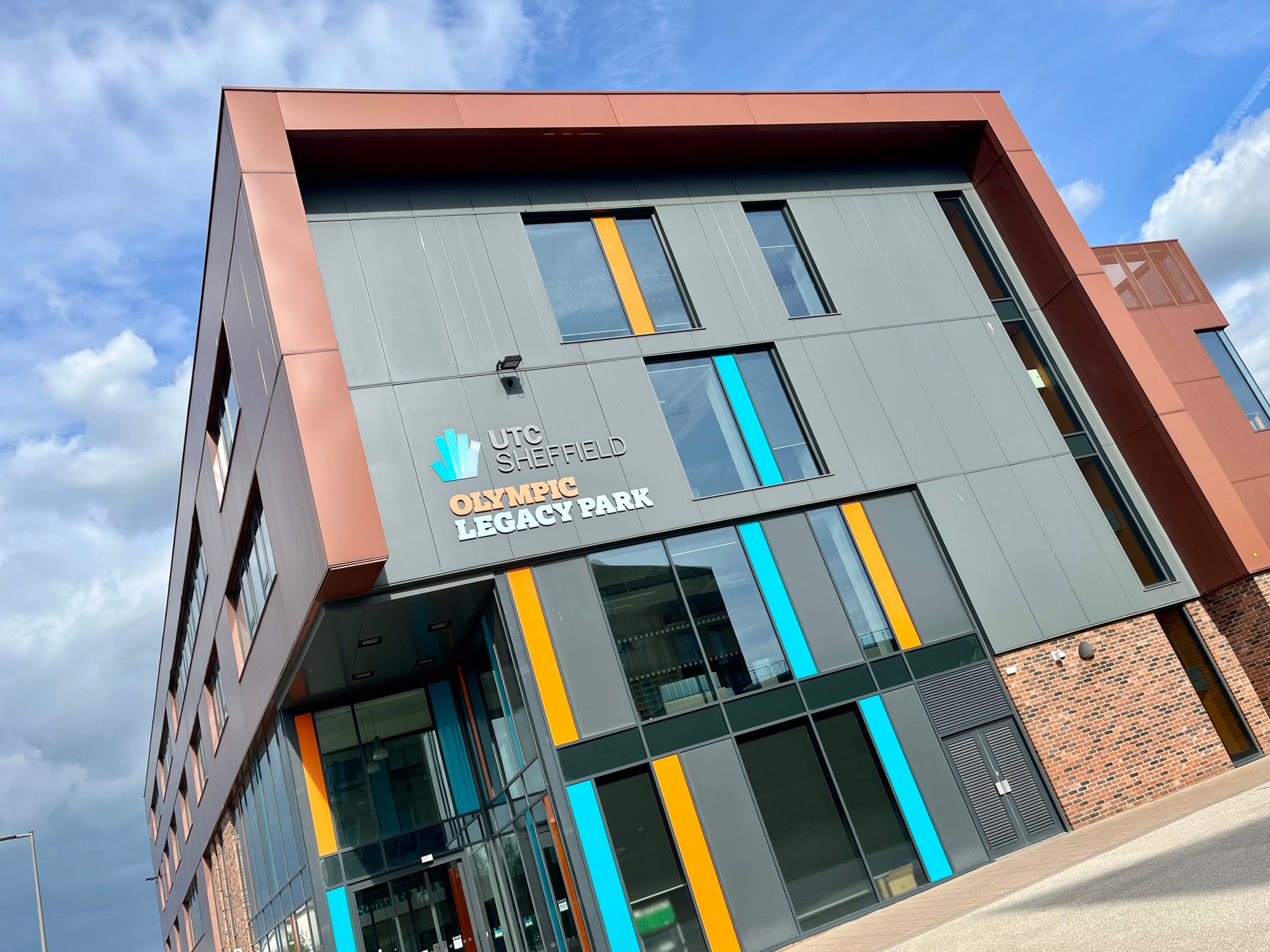
Another key factor has been land prices. When the OLP was first mooted, developers didn’t want to touch the area with a barge pole. Now, Attercliffe has two new schools and several glistening Sheffield Hallam University buildings focusing on health and sports science, as well as a world-leading sports centre, ice rink, basketball stadium, rugby pitch and running track. It has everything a thriving community could possibly need — except a community.
Are there concerns in the area about the planned changes? If there are, I struggled to find them. On the very edge of the Waterside site is 876 Restaurant and Grill, a Jamaican takeaway on Staniforth Road. Summoned from the hot kitchen at the rear of the shop, the owner quickly tells me he’s excited about the development and can’t wait to get some more customers. And further down the road at Brotherhood Barbers, owner Forday is sat on his own in the shop after a quiet day at the office. Unlike the folks at 876, he doesn’t know anything about the plan, but is also very much in favour. When I ask him whether businesses like his might ultimately get priced out if gentrification intensifies, that seems too far off to bother him for the time being. “Rents going up all the time anyway,” he says.
Whether all these businesses will still be there in five or 10 years is difficult to know. But some other local shops seem to be a perfect fit for what Citu hopes will be the “new Attercliffe”. At Accelerate, a specialist running shop (located in one David Slater’s many local buildings) they are well aware of the Waterside development and its potential to transform the area. As well as selling high-end specialist running equipment (“We’re a destination store,” the shop assistant proudly tells me), they also hold regular running groups all over Sheffield. It’s easy to imagine the future residents of Attercliffe Waterside taking part in one before decamping for a double dry-hopped IPA at St Mars of the Desert.
But what about those businesses with most to lose from Attercliffe becoming more respectable: the sex shops and massage parlours. After scurrying hurriedly past Hanky Panky several times, I finally summon up the courage to go inside. However, when I get there the door is locked and I turn around to find an entire double decker bus of people staring at me.
The day after this ordeal I catch up with Citu founder and managing director Chris Thompson. When I tell him what happened he laughs and says he’s all too aware of the area’s reputation for seediness and sleaze. Kelham itself was Sheffield’s red light district for many years, he says, its status immortalised in the Arctic Monkeys song When The Sun Goes Down. And Hunslet in Leeds, where Citu has another major development in the Climate Innovation District, was similarly disregarded until regeneration took place.
What attracted Citu to Attercliffe Waterside, I ask. Like Richard Rogers, Thompson says the area has all the infrastructure a regeneration project needs including the tram, the canal and good roads. But he also points to the historic character of the area and its notable buildings as a reason for their involvement in the project, despite their current state. “You’ve got to think that high street was put in because it had a bustling industry with thousands of workers around it,” he tells me. “All of that history has been stripped away and people are left with low value properties that they need to find some use for. When you start to bring life back with people working, living and playing, then organically people will fill that void very quickly.”
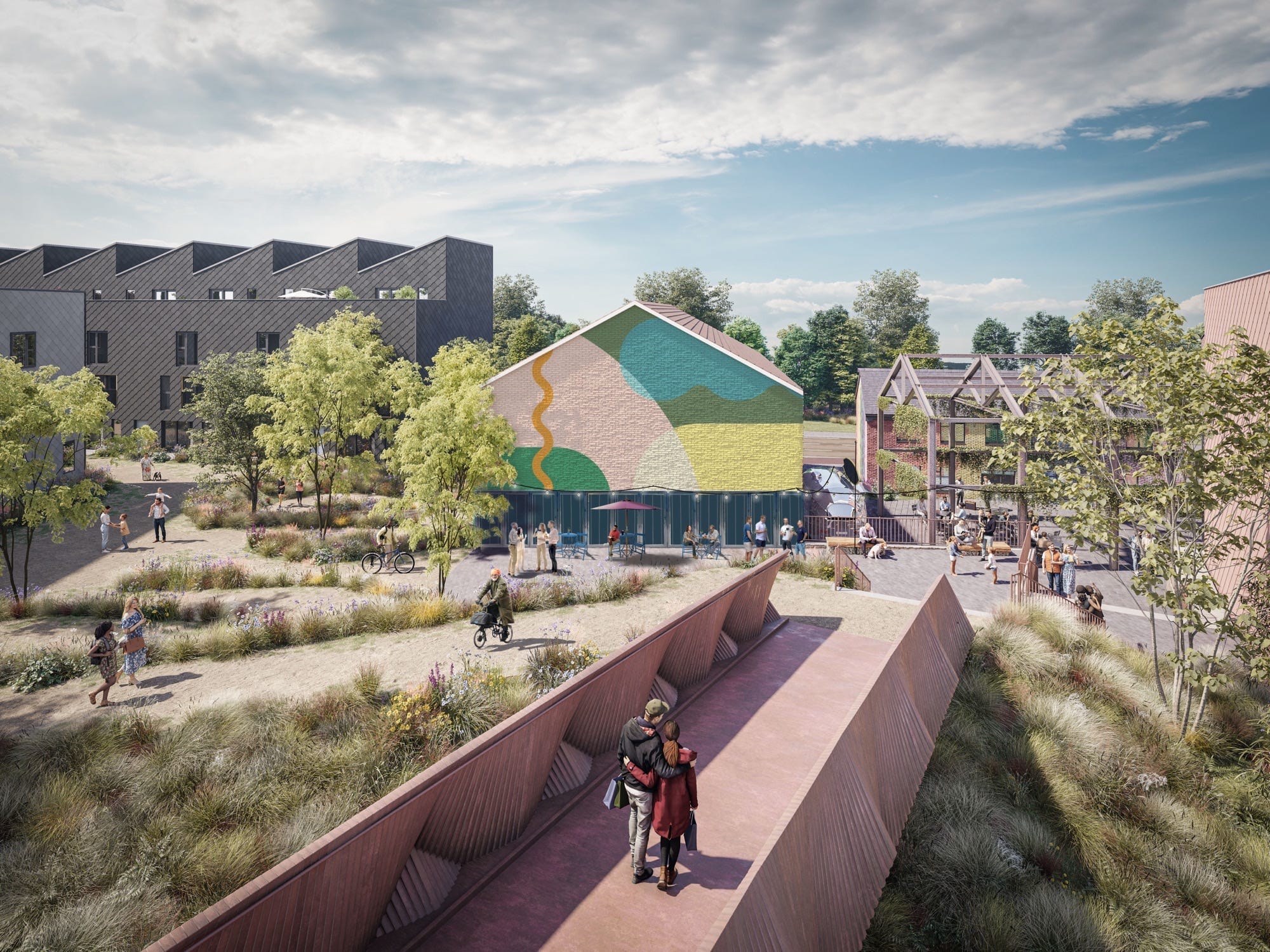
A planning application is imminent and work is expected to begin next year. Phase one of the plan will address the smaller parcel of land north of the canal, leaving the dog walkers on the other side a few more years of peace and quiet until Citu starts work there. Thompson tells me that everyone wants change to happen yesterday, but in reality Attercliffe, like Kelham, is going to be a long-term project. Kelham Island is now one of the most desirable places to live in the UK, but those changes have taken place gradually and organically over the last 20 years. “A similar journey needs to happen in Attercliffe,” he tells me.
As I head back I take one last walk down the canal to see the place from which the new Attercliffe will grow. Earlier, in one of his flights of fancy, David Slater had told me that one day gondolas will ferry people up and down the Sheffield and Tinsley Canal. As with many things he says, it’s best to take it with a pinch of salt. But on a beautiful May day, with the birds singing and dappled sunlight landing on the water, it doesn't sound so far fetched.