On November 18 2024, The Tribune ran an unusual property for its “Home of the Week” section. Containing 28 bedrooms, and just one bathroom, the Carmelite monastery in High Bradfield was going on the market for £3 million.
Despite our coveted endorsement, it took another year for the property to sell. When it did, it was bought for £2.75m by Distinfields Properties Limited.
This came as no surprise to those with an interest in Sheffield’s heritage. Distinfields belongs to Martin Hague and his family, and this was far from the first heritage property bought up by their operation. The western fringe of the city is dotted with historic halls that the Hagues have acquired — then left to go to ruin. We wanted to know: why?
But as we started to dig into the Hagues, the details became stranger and stranger. We occasionally call on an anonymous sleuth to help with our pieces. “It’s like a cross between Succession and The Archers,” was his verdict. A paper trail of court cases revealed just how spectacularly things fell apart between members of one of the city’s richest families.
That extraordinary story — including illegal waste tipping in Burngreave, six rounds of litigation and secretive landowners — is one of our most popular stories this year.
Sometime in 1974, Doug Hague hit upon an ingenious idea.
Doug came from a long line of farmers, who had lived off the land around Bradfield. With steep inclines and often rocky soil, it’s not the easiest place to grow crops.
But Doug had always had an entrepreneurial streak. And he’d noticed something. Not far away was the Oughtibridge paper mill, producing newspaper and tissue paper. As a byproduct, it created tonnes and tonnes of “pulp” or “sludge”, with no obvious use.
Perhaps Doug had read about the ancient Egyptian practice of using papyri as fertiliser. Maybe he just had good instincts. Whatever the case, he struck a deal with the factory’s owners. They paid him to take the sludge away, and he began scattering the soggy lumps all over his fields.
Under the new regime, the crops thrived. Soon, other farmers began asking if he could arrange for the sludge to be distributed on their farms too. His idea was fast becoming a lucrative business.
A year later, in 1975, Doug formally incorporated Hague Plant Limited, and this is the moment the family drama begins. He had three children: David, Dianne and Martin, and allocated them 32% of the business each. (The other 4% he gave to his wife, Jean.) Hague Plant soon grew into a much larger operation, specialising in excavating and clearing sites. Whatever people wanted getting rid of, Hague Plant would do it.
Site clearance generates masses of waste, which needs to go somewhere. So in 1984, Doug had his next idea: why not move another step along the chain, and get into waste disposal? There was a disused quarry very near the family farm, which would be ideal. Another deal was struck, and soon Hague Plant wasn’t just clearing away people’s stuff, it was taking it to Hague Plant’s new tip, cashing in twice on the same waste.
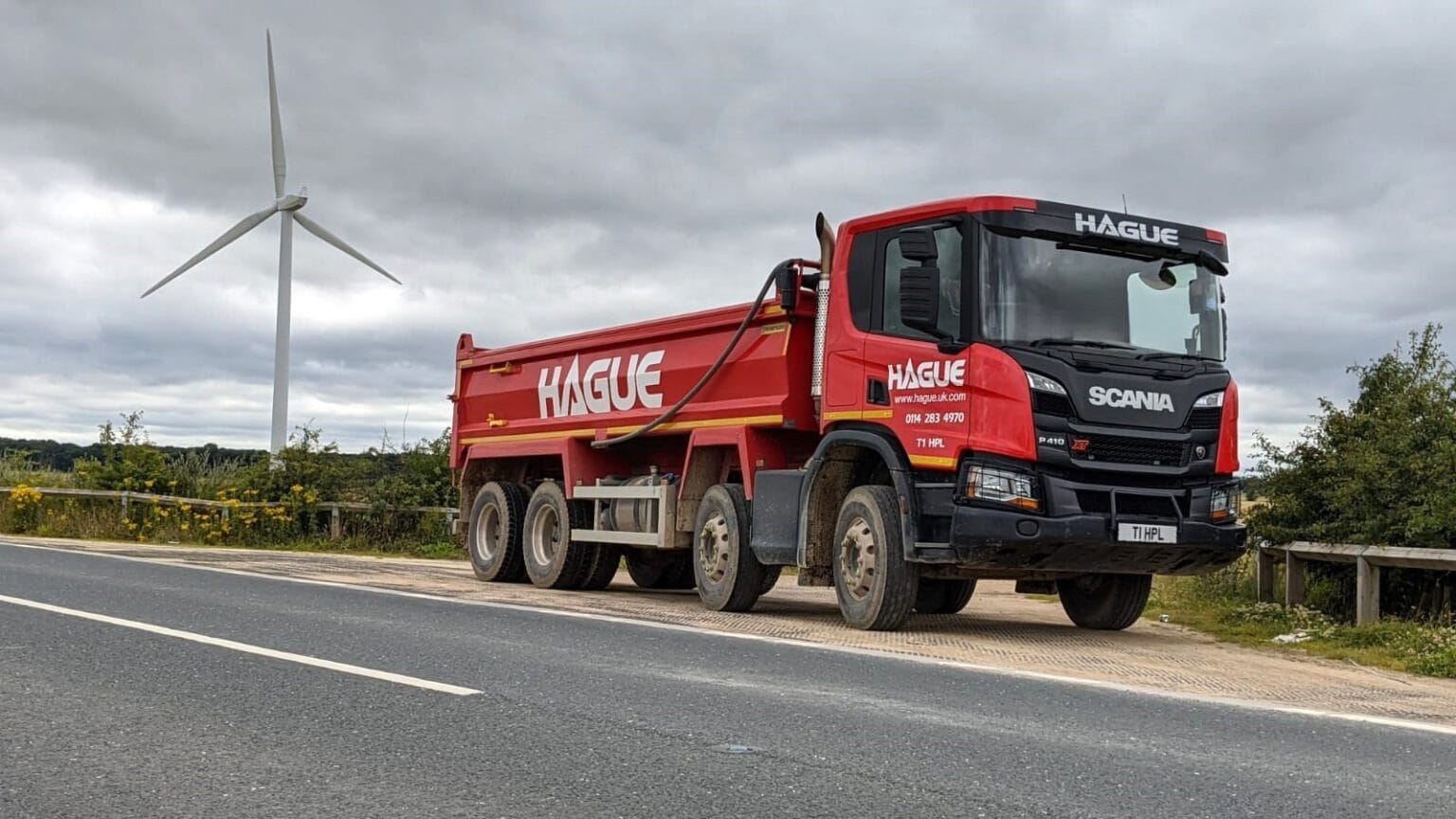
There’s money in old rubbish, if you know how to make it, and Doug seemed to have a flair for waste. Lots of people wanted to use his new tip, so he opened two more: one in Burngreave and another in Norton, setting up a new company (Hague Plant Excavations Limited) to manage the burgeoning waste business.
That decision would prove fateful for the family; so fateful that it would lead to at least six rounds of litigation between its members. This was the moment when David and Dianne were cut out of the waste business.
While waste is a lucrative business, it’s also a risky one. If you’re storing other people’s old stuff, it could contain all kinds of contaminants, or it might be illegally dumped. While it was easy to keep an eye on goings on at the nearby quarry, the other sites were miles away. In a worst case scenario, owners can face prosecution and expensive fines to remedy contamination.
We don’t know exactly why David and Dianne, two of Doug’s children, were cut out. The implication from a later court document is that it was to protect them from this risk. Perhaps they were happy with the arrangement at the time. The result was that control sat fully with Doug’s youngest son, Martin, and Martin’s wife, Jean Angela.
The next twenty years pass, and there’s not much on record about the family’s activities. The key point is this: business boomed. Doug’s waste gamble paid off handsomely — with the operation growing to be worth over £7 million. He decided to do what any businessman who has made millions and millions of pounds is likely to do in the end: get into property. In 2003, Distinfields Properties Limited was born. It would go on to acquire dozens of sites in Sheffield, including some of its most important heritage buildings.
But in 2009, the family would finally reap what it had sown all the way back in 1985, when the battle for control over the family’s waste empire exploded into the courts.
Rembrandts in the rain
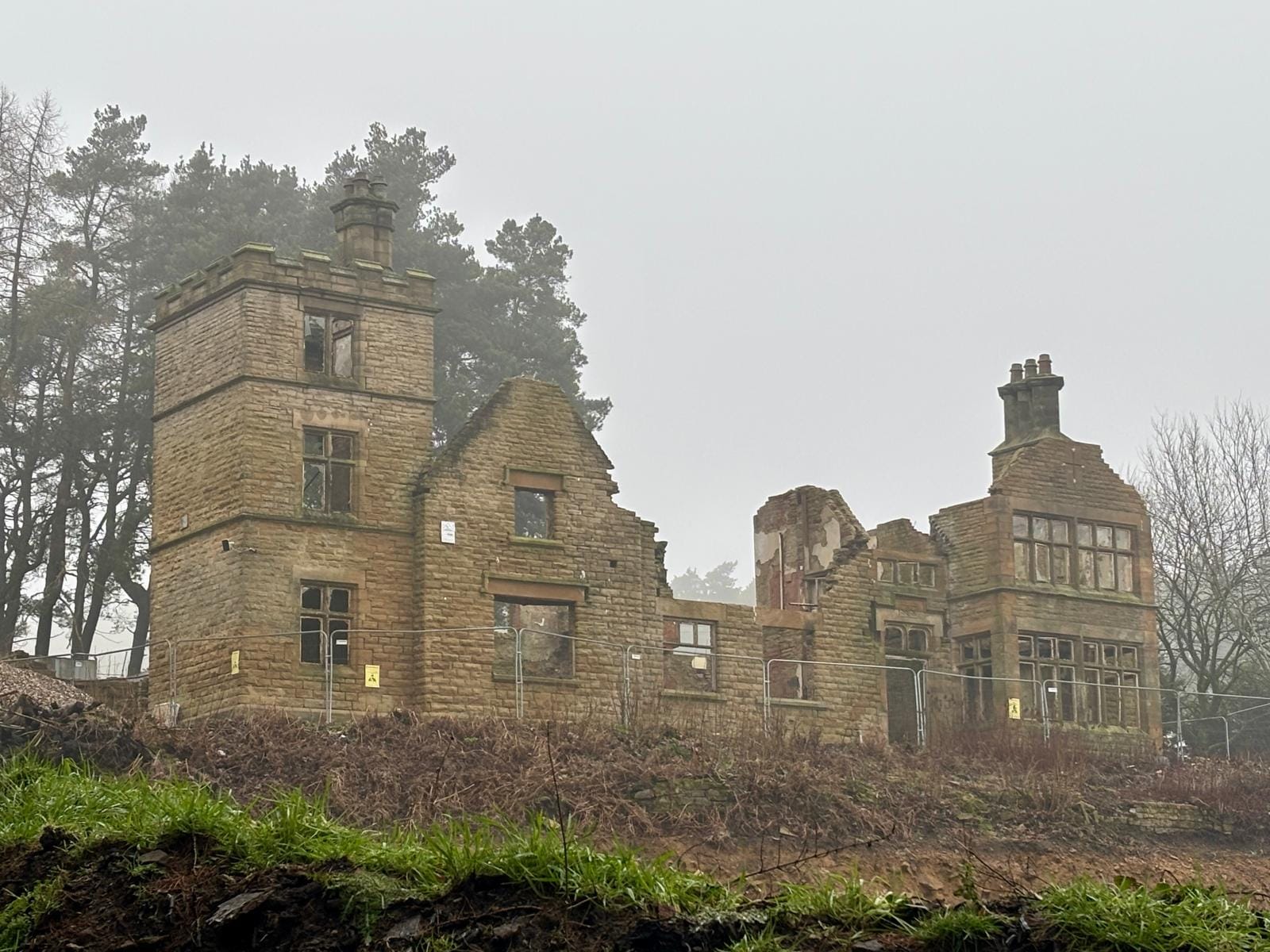
According to Distinfields Properties’ website, they have “a single mission: to acquire property and land assets and restore them to their best potential.” Robin Hughes from Hallamshire Historic Buildings takes a different view: “Sheffield is blighted by owners of historic buildings who don't seem to want them, or even to like them,” he told us. “The Hague family appear to be serial offenders in this regard.” Another contact in the conservation world reaches for an analogy to describe the Hagues’ approach to owning old buildings. “It’s like buying a Rembrandt and then leaving it out in the rain.”
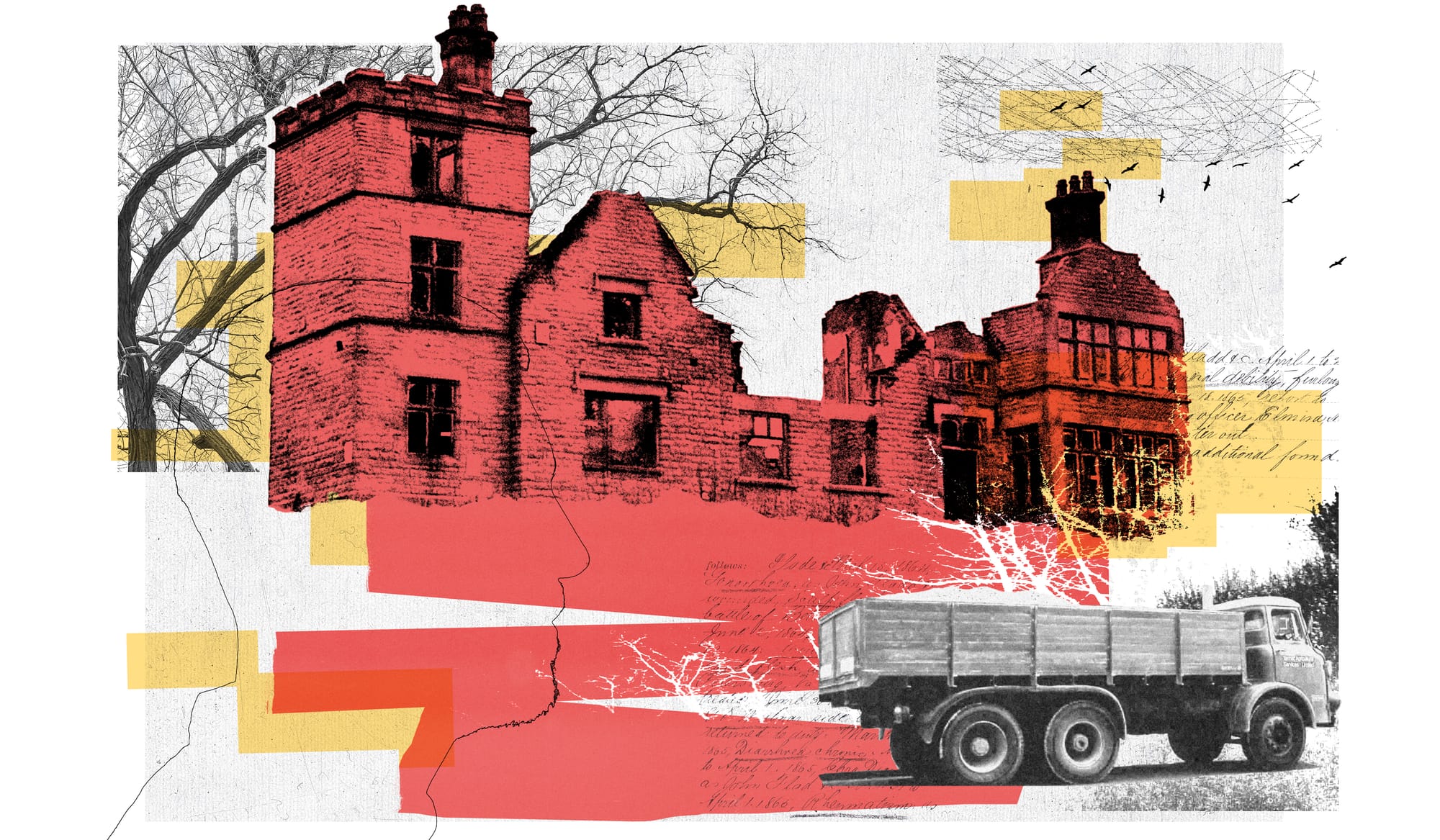
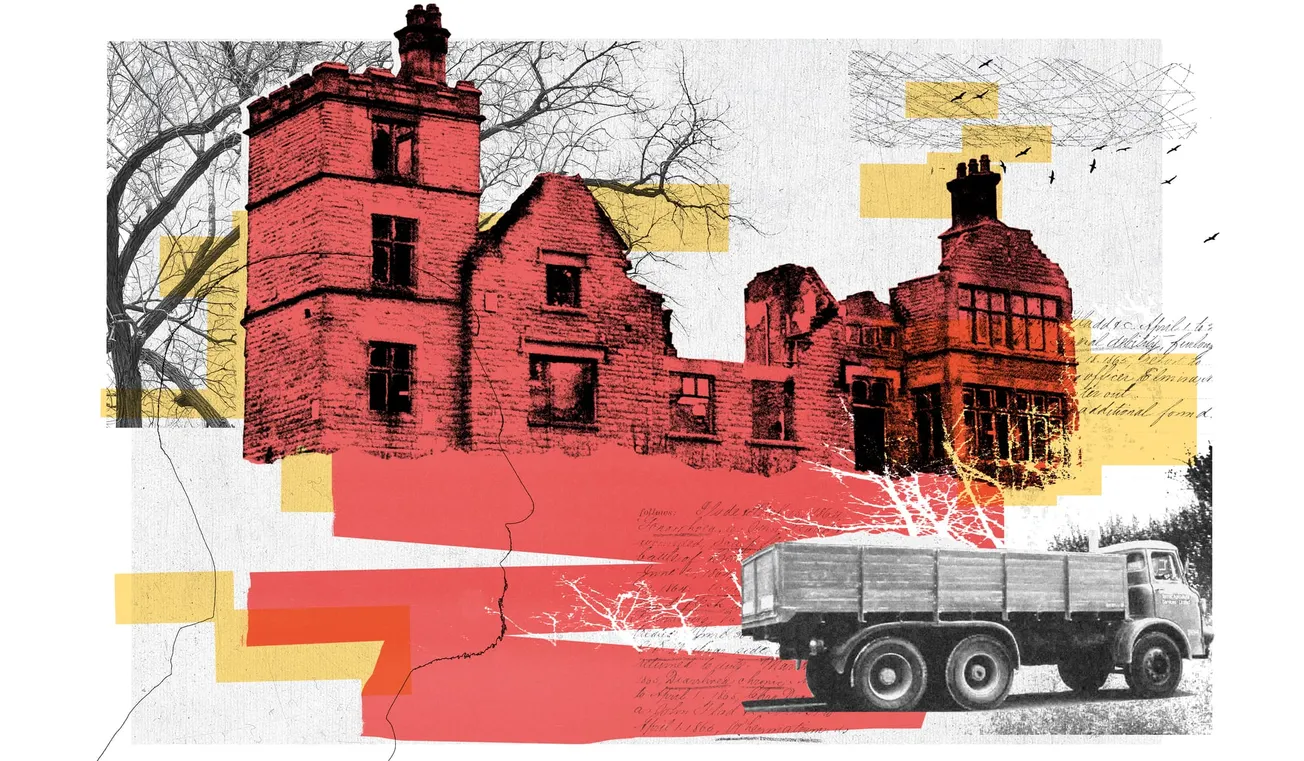
There’s Thornseat Lodge, a hunting lodge on Mortimer Road near Strines reservoir, which was built in 1855 for Sidney Jessop, son of the founder of Sheffield steel-making firm William Jessop and Sons. The building passed through four generations of the Jessop family before being sold to Sheffield council in 1934 and used as a children’s home. It was last inhabited in 1980. In 2004 it was bought by Hague Plant Excavations but it has lain empty ever since. When The Tribune visited on Tuesday, the facade of the building was still standing but there appeared to be little left of the original structure behind it. In an article from December 2025, one Star reader claimed that part of the building has “collapsed”.
There’s Old Hall Farm in Brightholmlee, a Grade II*-listed building, parts of which are a timber framed "cruck" building and date back to 1484. In Sheffield, only the Old Queen’s Head pub on Pond Hill in the city centre is of similar age. Old Hall Farm is owned by Rachel Woodhouse-Hague (Martin Hague's daughter) and her husband John Woodhouse. A page on Historic England’s website says the building is on their heritage at risk register. On the site the building's condition is listed as “very bad” while under priority it says: “Immediate risk of further rapid deterioration or loss of fabric; solution agreed but not yet implemented.”
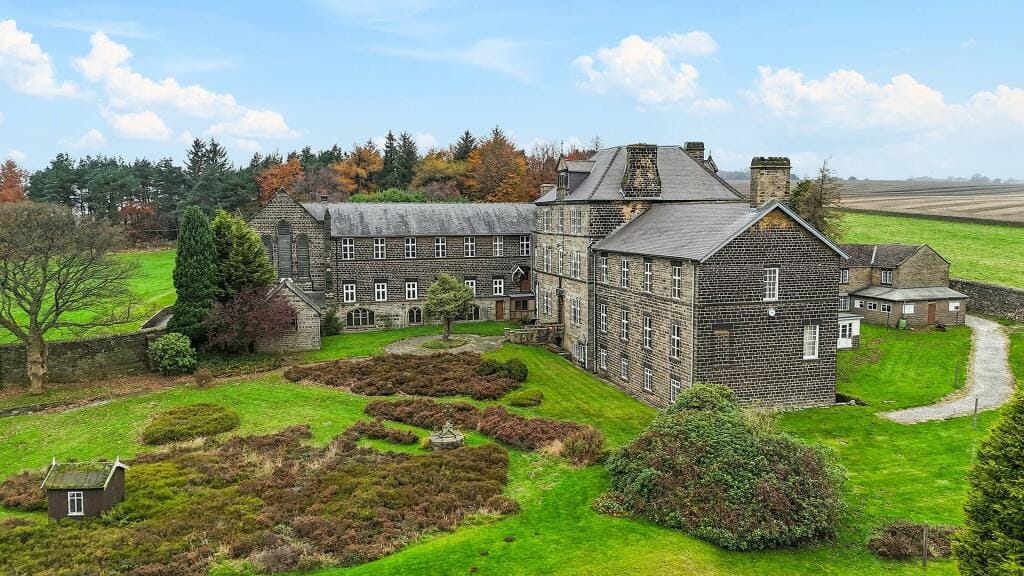
Just two months ago, the Hagues bought the Grade II-listed Carmelite monastery in High Bradfield, locally known as the Kirk Edge Convent, via Distinfields Properties Limited. Originally intended as an orphanage and later a boarding school for poor or neglected girls, it was gifted to the nuns of the Carmelite Order by the Duke of Norfolk in 1910. However, faced with eye-watering heating costs, the order put the building on the market last year. No details have yet emerged about what, if anything, Martin Hague and his family plan to do with it.
“They cannot hold their heads up. They did it too.”
None of these buildings caused the family feud to detonate. Instead, it was a much more modern site, which dwellers of west Sheffield will be very familiar with: the Hallam Tower Hotel.
This story is free to read. You just need to sign up to join The Tribune's mailing list. And why wouldn't you? You'll get our journalism in your inbox the second we publish, keeping up to date on this and all our stories. No card details required.
Already have an account? Sign In