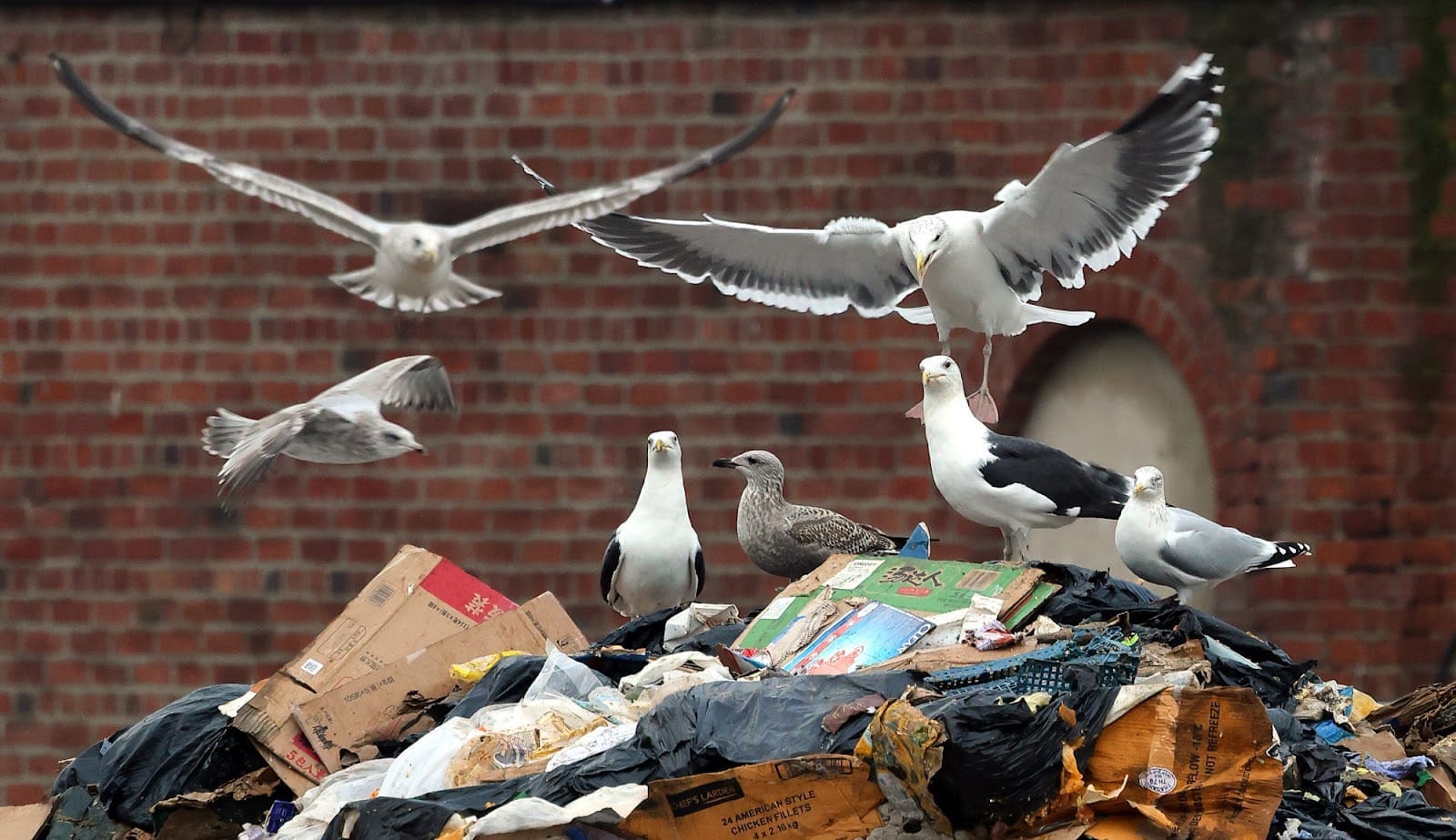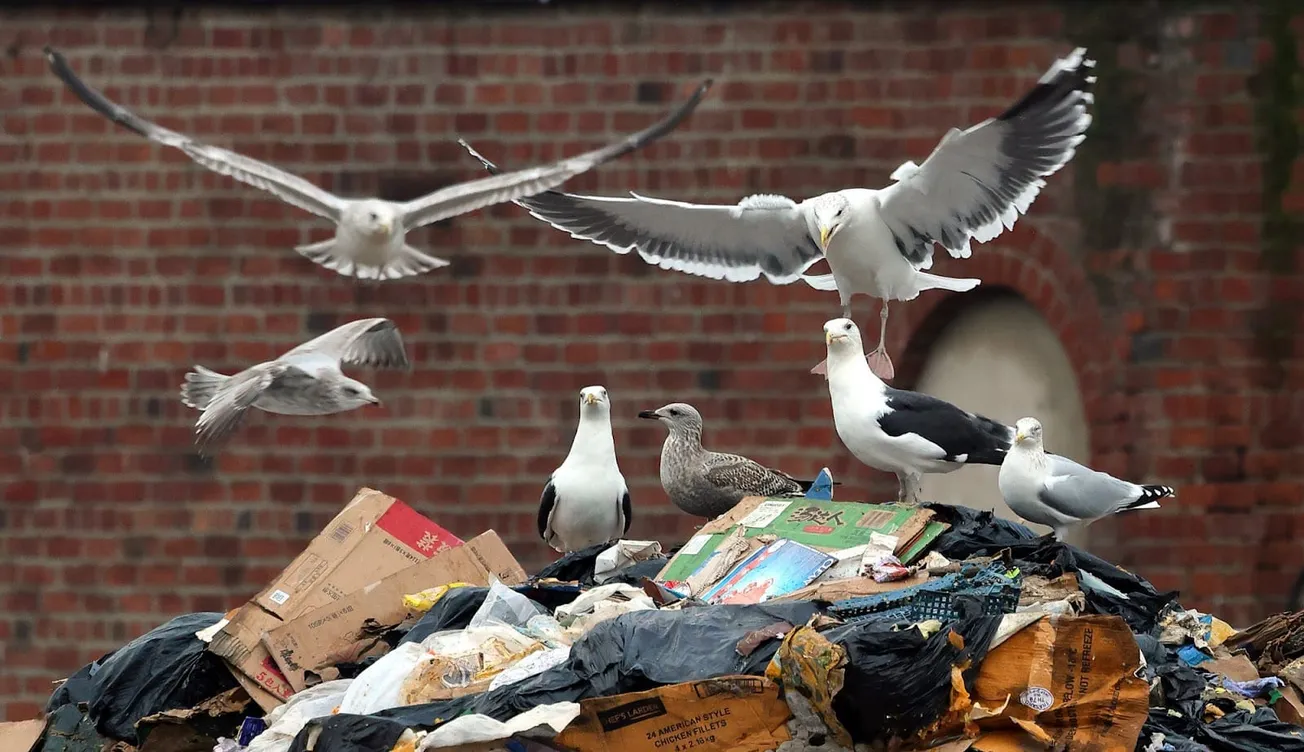
It’s the intent in the piercing yellow eyes that first makes you nervous. Then you notice the sharp cudgel of a beak, and the gathering gang members flapping in to watch you, and your snacks.
The cartoonish “Do Not Feed The Gulls” posters in seaside towns don’t give this enterprising family of birds the respect they deserve. Gulls are sharp, clever, adaptable and have us in their sights, just as Alfred Hitchcock knew when he cast them as psychopaths in his horror film, The Birds.
Feisty gulls might snatch your chips once in a while, and very occasionally they might peck humans they believe are threatening them (or their food). More disturbingly, a few years ago West Country gulls mugged a Yorkshire terrier inflicting fatal injuries, and kidnapped a chihuahua (the owner claimed). In the gulls’ defence, the role of the dogs in these altercations was not recorded.
So, gulls rarely get a good press. But larophiles (gull watchers) say the birds are interesting and strangely beautiful if you really give them your attention. For starters, they’re not just one bird. 25 species have been recorded in the UK, with 17 of those turning up in Sheffield so far. In fact, our city is a gull hotspot, being milder than the frozen lands of the north, and warmer than the British coastline.
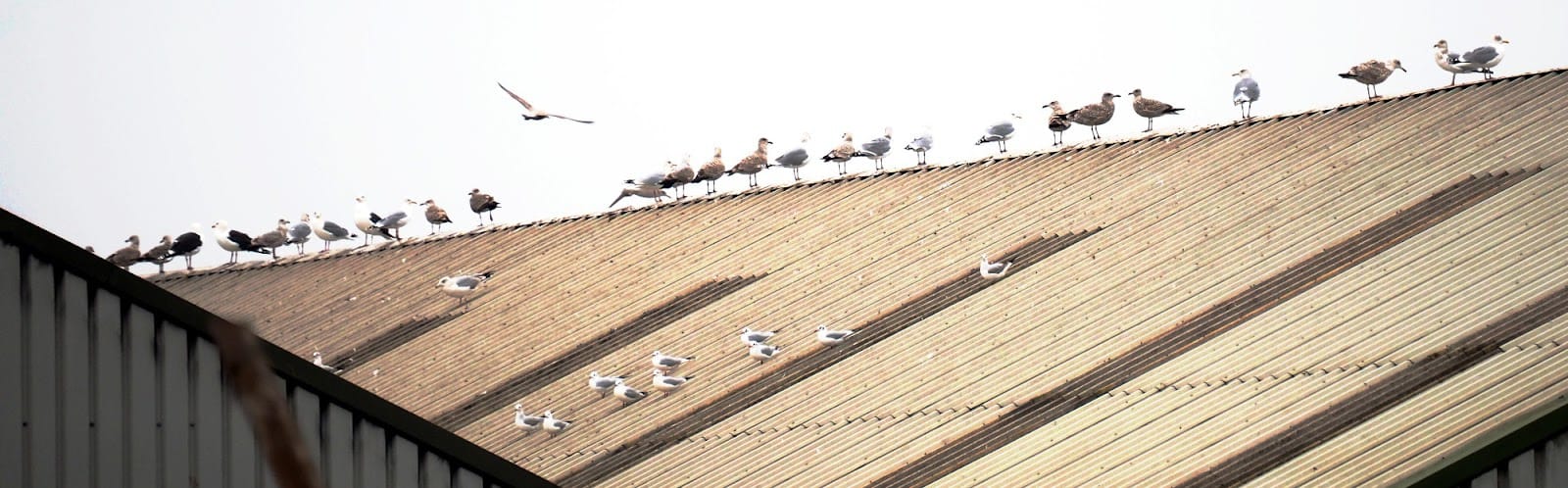
Birders learn subtle differences in head shape, striping and bill colour between these species, made trickier by the way young gulls change colour as they grow. It’s a fascinating challenge, they tell me, and recording the populations of these wise wandering birds helps us learn how extreme and changeable weather is altering the behaviour of the world’s wildlife.
At this time of year, the UK attracts gulls from the frozen waters of Northern Europe. Watch the grey January skies over the hills and office blocks of Sheffield and many of the birds soaring by will be gulls, going about their business. Wintertime brings them here from Scandinavia and Russia, thousands of miles away. Why?
“Pizzas, naan bread, there were some gateaux once,” says Andy Deighton, glancing at the wall between Effingham Street and the River Don, which today hosts an eclectic mixed buffet of discarded takeaway food including chips, olives, damp fusilli pasta, vintage flatbreads, and red cabbage.
There are no gulls picking over the weathered cornucopia at present, but the stretch of inner city river contains a family of cormorants stretching their wings on the top of Savile House as if were a clifftop, while hiding below the takeaway wall, picturesque goosanders are paddling in the current. Both are savage-billed open water birds, usually pictured on seaside rocks or Scottish lochs. But here they are in the River Don, yards from the Inner Ring Road, eating our fish.
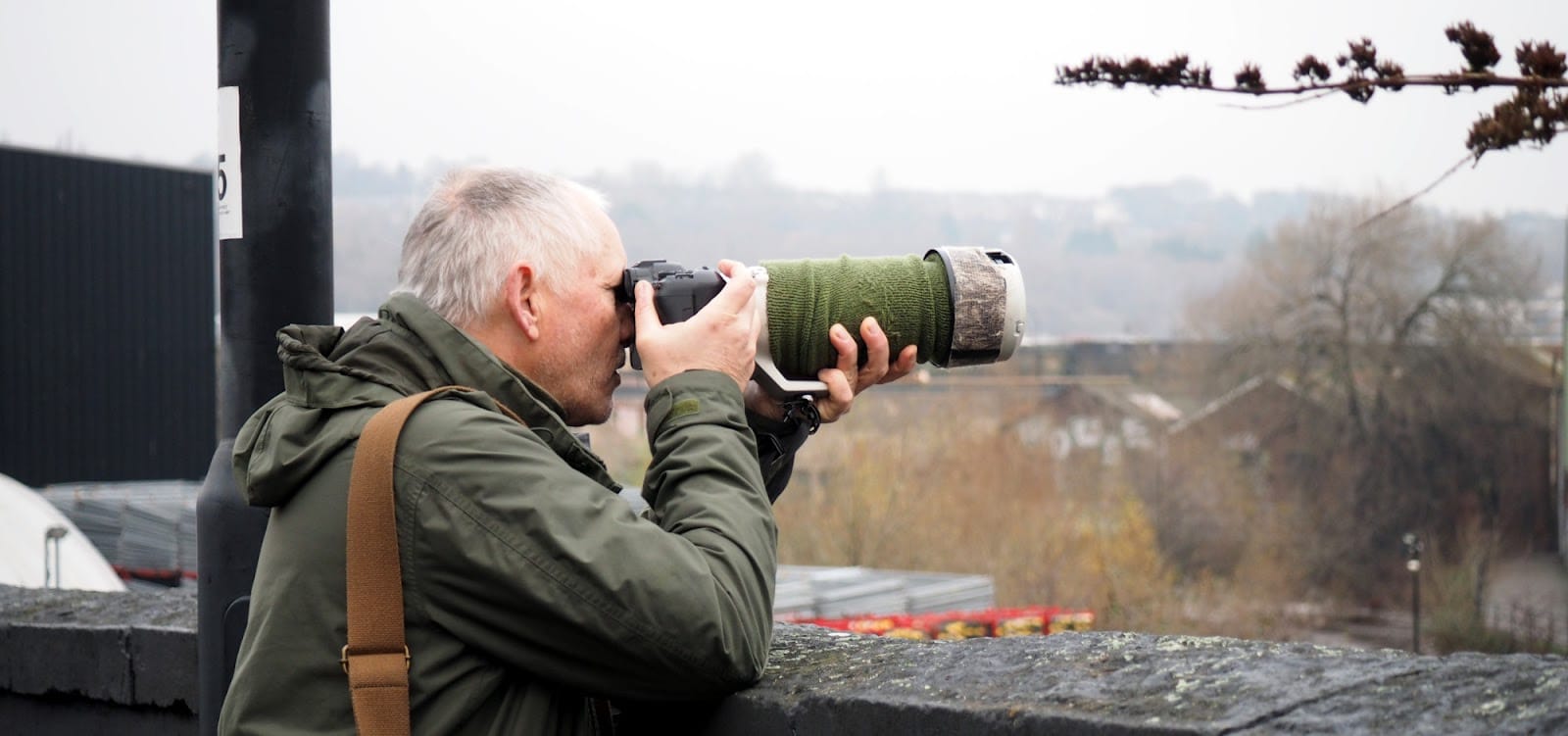
We stroll along the river, but for the moment the Scandinavian gulls of Effingham Street have spurned our attention and flapped a few hundred metres into lower Attercliffe. Gulls are spooked easily, says Andy, so he often watches them through binoculars or a camera from his car window.
Andy is a member of Sheffield Bird Study Group, enthusiastic local birders who are nevertheless cheerfully aware it might seem eccentric to the rest of us to spend hours scanning the rooftops of inner city warehouses for rare gull species.
We head downriver to watch the rise and swirl of birds nosing into the Biffa recycling yards. These are mostly Herring Gulls and Greater Black-backed Gulls, Andy tells me. Herring Gulls are the ones usually depicted in those seaside posters: white head, grey back, yellow eyes and beak, single-minded devotion to their next meal.
Greater Black-backed Gulls are altogether more serious. The biggest gull in the world, they’re huge, dapper and chunky, like nightclub bouncers. Several are watching us, static in the breeze, as if temporarily welded to their rooftop.
Andy pauses his binocular sweep at a bird with a whiter head, a longer straighter beak and a different forehead to the nearby Herring Gulls.
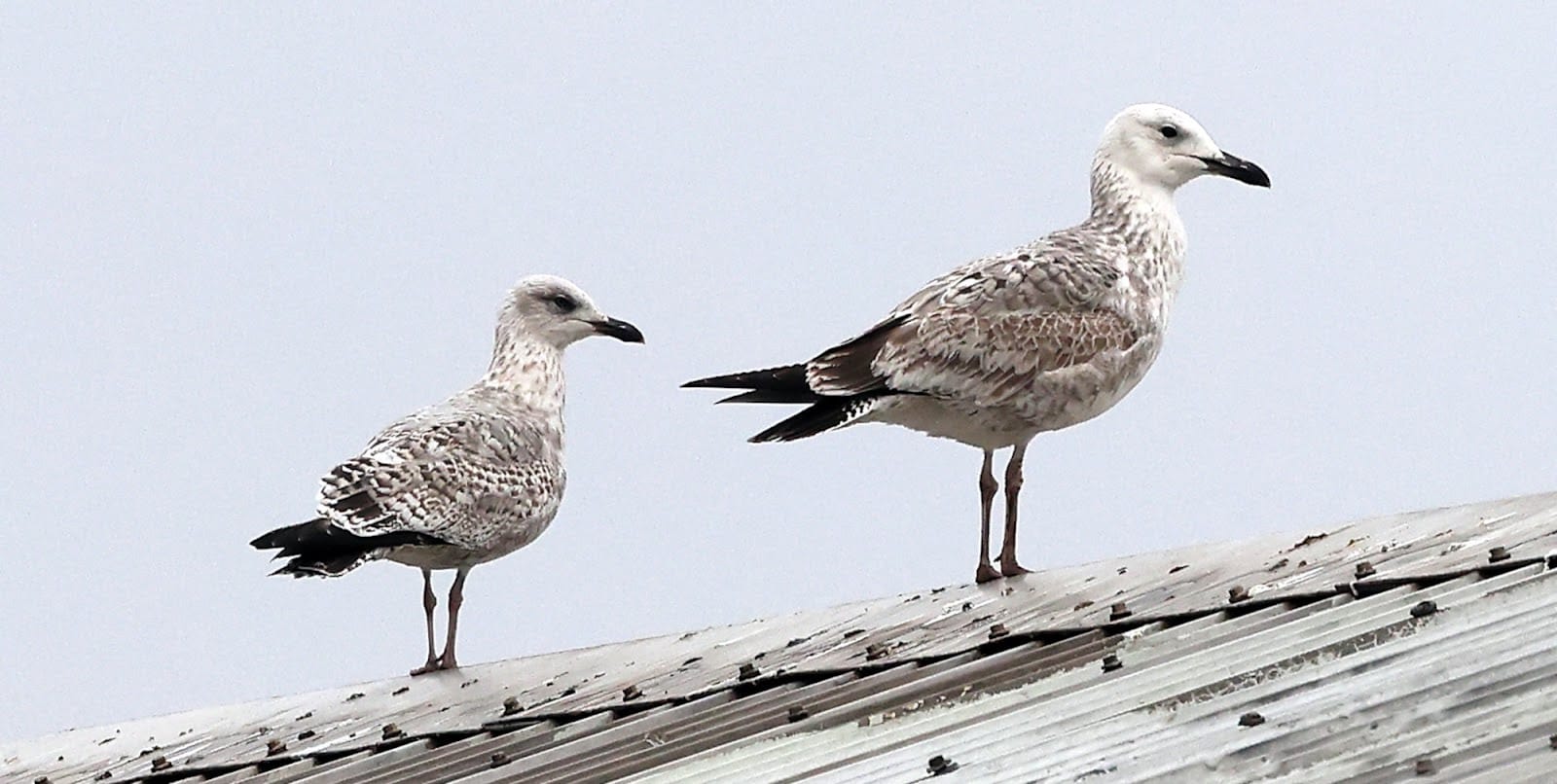
“Yes, it’s a Caspian Gull,” he says. Once, a sighting of this species originating 3,000 miles away would have sent every Sheffield tick hunter for their coat and notepad. First recorded here 27 years ago, the Caspian Gull has spread westwards from its home near Iran, and this year Andy and colleagues have recorded 10 of them around the city, the highest number ever.
Yards away from where we are now, in 2018, Andy had a much bigger spot: a mega-rare Audouin's Gull. The clean white headed bird with a blood orange beak, “stopped me in my tracks,” he said at the time. He tweeted the picture, had the identification confirmed, and was joined in less than an hour by a handful of excited fellow birders ticking off a bird that’s rare even in its native habitat around the islands of the Mediterranean.
Around the corner, we creep into the Biffa recycling yard and watch the gulls at work, rising and falling and squawking at a tower of rotting rubbish. This is the promised nirvana that has brought them here in their dozen. They’re only too happy to eat what we leave behind, just as a few generations ago, their ancestors would have picked over the leftovers from our fishing industry.

But, despite the fact gulls seem to be everywhere, winter numbers have actually plummeted, at least in the areas they used to throng. Andy’s Sheffield Bird Study Group colleague Richard Hill has records of 13,600 Black-headed Gulls and 6,000 Herring Gulls roosting at Broomhead Reservoir around 35 years ago. This year, Richard saw only 200 Black-headed Gulls at Broomhead, with 1,900 on nearby Langsett Reservoir, and just three Herring Gulls. “A shadow of the numbers that used to roost at these traditional sites,” he tells me.
What’s going on? Nationally, climate change, bird flu and food availability are all implicated. As winters are getting warmer, fewer Scandinavian and European gulls see the point in risking a long trip when there might still be enough food and heat at home.
Local changes have also had an impact. The closure of the main gull takeaway at the old Parkwood Springs landfill site has sent the enterprising birds to the recycling yards of Attercliffe, where they maybe realised warehouse roofs were a lot cosier than Broomhead Reservoir on cold winter nights. They’ve also started scouring the city for attractive roadside rubbish, like Effingham Street where, for reasons unknown, dozens of Sheffielders throw random food away every day.
Adaptable and resourceful wildlife are not always our favourites: rats, pigeons, crows, nettles and brambles, for example. Or gulls. But in a scarily changing world, these kinds of species have their opportunities.

I’m clattering over the River Rother at nightfall with Richard Hill, on a series of grimy metal bridges that once led to the land around the infamous Orgreave pit and coking works. The lights of the new town of Waverley are glimmering on the lakes that grew here once the coal working stopped.
Richard is semi-legendary in the birding world for identification of species and numbers, even in the failing light. “There’s a Kingfisher,” he says. “Herring Gull, Greater and Lesser Black-backed Gulls, all washing off. Coots. Tufted Duck. Pochard.”
Residents of the new town are strolling home around the lake with their dogs. A flock of Wigeon fly over. Richard spots Little Egrets scattered around the shoreline several hundred yards away: another recent coloniser of our changing landscape and weather that would have excited every local birder a few years ago. He picks out another Caspian Gull.
The Herring Gulls are screaming at each other, and the lights of Waverley township across the lake seem like the harbour of a seaside resort.
Flocks of gulls rise and circle against the sky, and a few start drifting away towards Attercliffe. Gulls come to the lake to wash off, Richard explains, after a day picking over our messy rubbish. They might be socialising too, or passing on information about their day. Or maybe they just like it here.
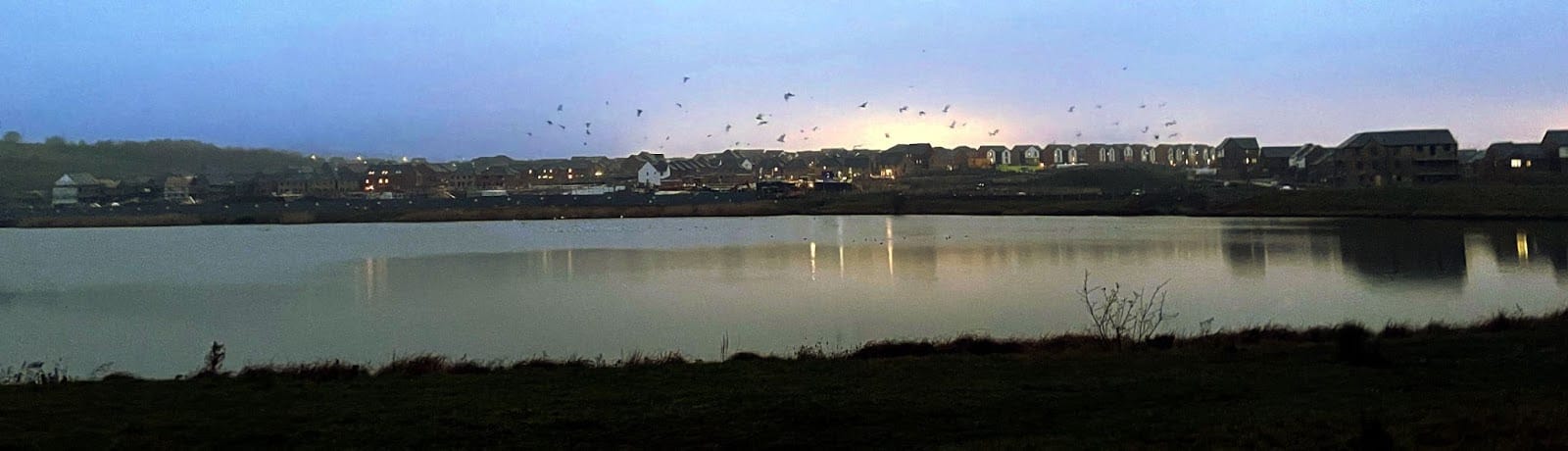
“Seagull” is the name we all use for these birds, but it’s wrong: many are never seasiders, although Waverley Lake looks and sounds like the east coast tonight, with well over a thousand gulls and ducks and waders settling and calling to each other as the night begins.
In the gathering darkness, the ebb and flow and mystery of this floating cosmopolitan township is a little breathtaking. We squelch back to the rickety coal board bridges, and a formation of Canada Geese soars over in the darkness, close enough to hear the beating of wings, while another cohort of gulls rises and calls and drifts off to the warm roofs of Attercliffe.
David Bocking writes about the environment, nature, active travel and other things at his personal site, It's Looking A Bit Black Over Bill's Mother's.
 Over Bill’s Mother’s
If someone forwarded you this newsletter, click here to sign up to get quality local journalism in your inbox.
It's 2026. Gyms are expensive and it's pretty cold for taking up running, but here's a New Year's resolution you can easily achieve: supporting local journalism. Take out a year's membership and get two months free — as well as knowing you're getting behind a team working flat out to make Sheffield a better place. You may even get to love your city more thanks to all the bonus articles and insight you'll get. Just hit that button to join up.
If you’d like to sponsor editions of The Tribune and reach over 30,000 readers, you can get in touch or visit our advertising page below for more information