Bally Johal is a difficult man to get hold of. The first time I speak to him over the phone a few weeks ago, he’s wary of saying too much. “I know the kind of journalism you do,” he says. “Why do you want to speak to me?”
Assuring him that I’m only interested in speaking to him about Victoria Quays, the home of his bar and restaurant True Loves, he calms down. But he can’t speak this week as he’s currently preparing for a street food market in Leeds. I arrange to meet him on Thursday afternoon. But when it comes to it he’s not available then either, as he’s too busy cooking.
Trying my luck that evening, I wander down to Victoria Quays and track him down at True Loves. He’s there, standing behind the bar in a backwards baseball cap with a gold chain and sunglasses around his neck and handlebar moustache. But there’s a problem. He’s just about to start a game of poker.
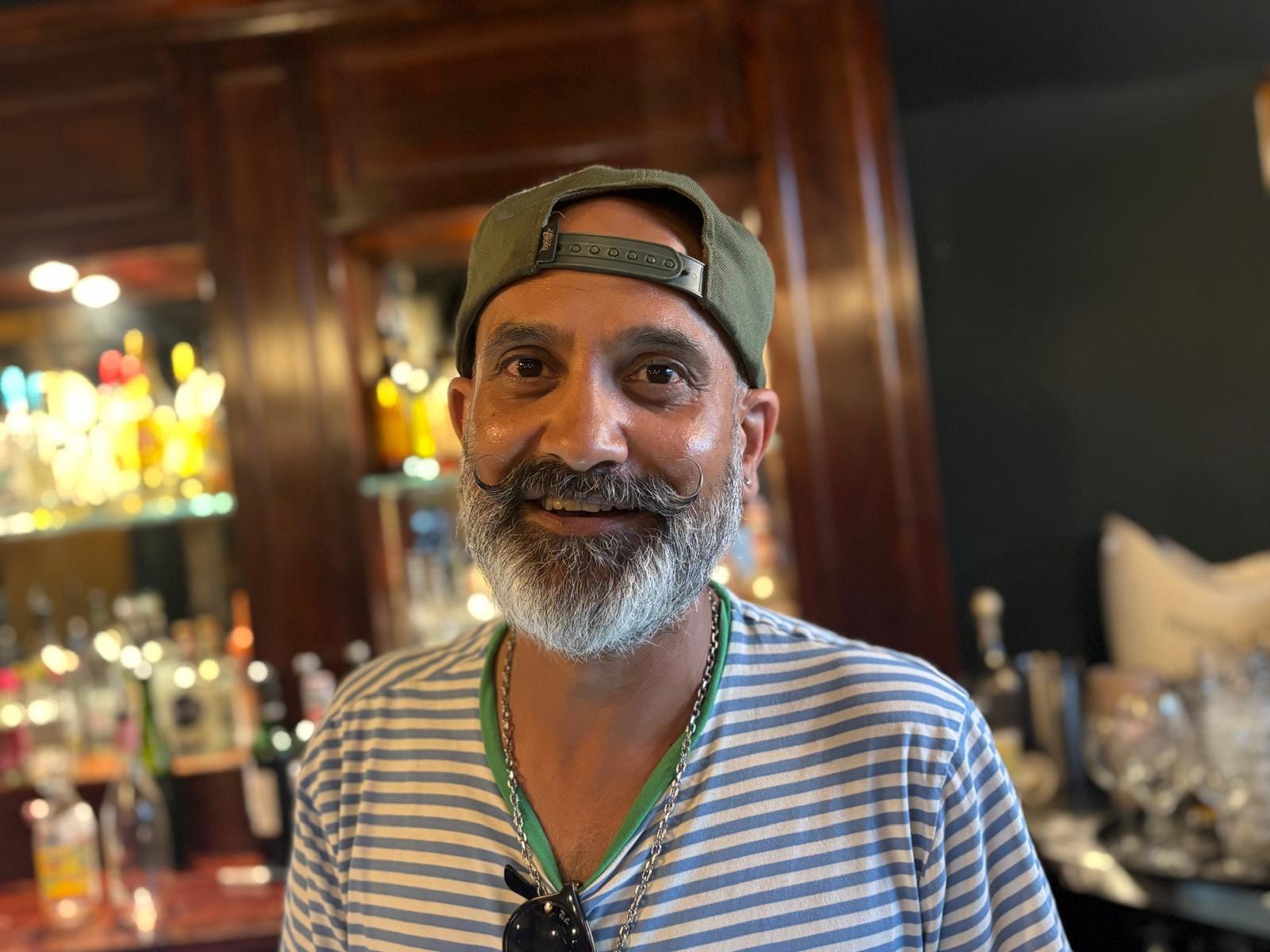
“Call me tomorrow at 2,” Johal says. I do. Answerphone. My attempts to get some sort of quote out of this elusive figure are drawing a repeated blank.
Until about a year ago, everyone knew who the face of Victoria Quays was: Richard Henderson. The owner of everyone’s favourite spot, the Dorothy Pax, was well-intentioned and slightly eccentric, in a good way. But Henderson’s quest to bring affordable live music to the quays was ultimately doomed. And now it’s the owner of the bar that was next to the Pax, True Loves, who seems to be the big mover and shaker: Johal, the man I need to talk to.
Low quay
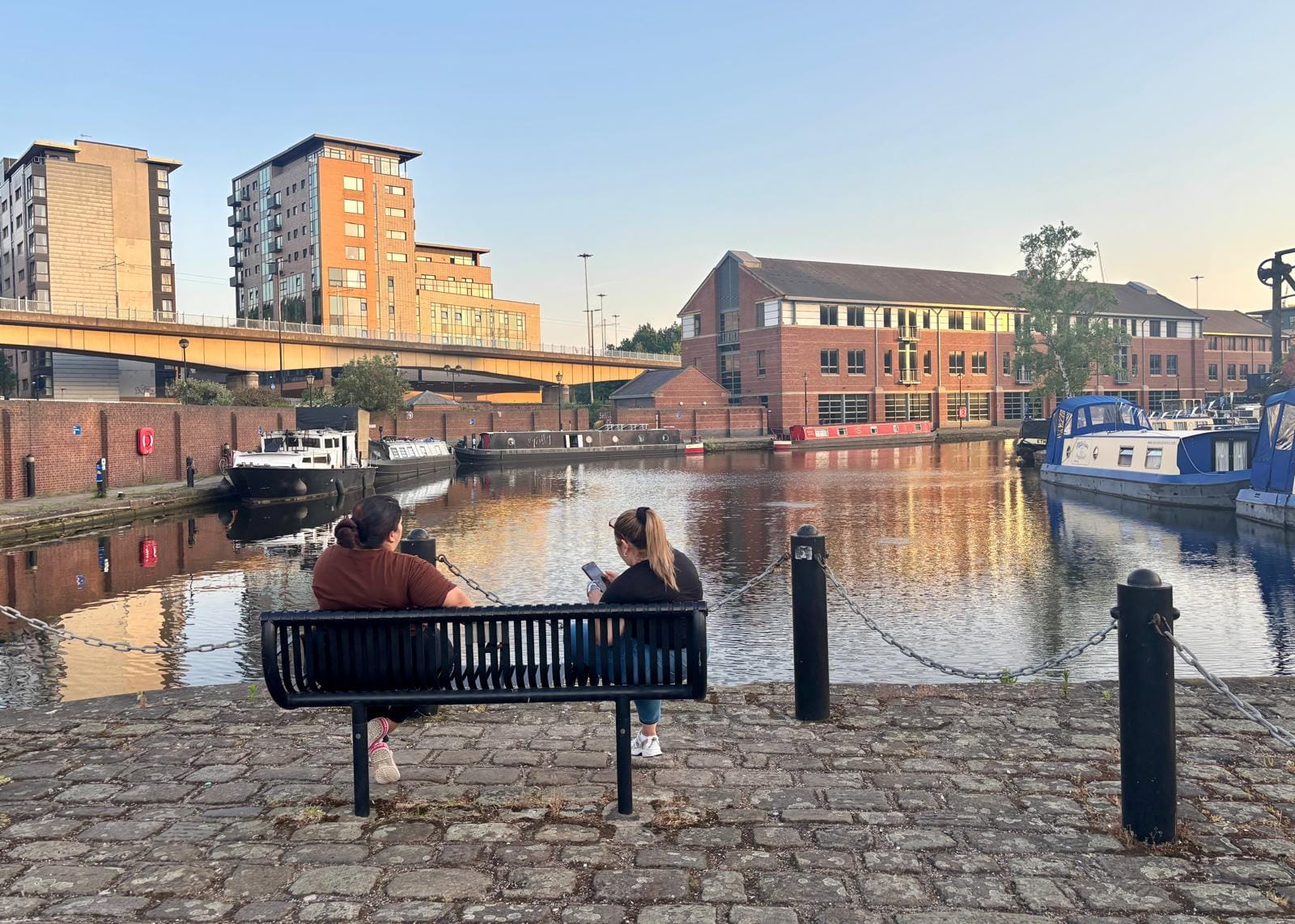
There’s always been a glaring question hanging over Victoria Quays. Our friends and rivals in Leeds and Manchester have turned their waterfronts into buzzy hangouts (Granary Wharf and New Islington respectively). But “VQ” has never had anything like as much going on. The vibe on your average afternoon was often more bleak than chic.
But in the last couple of years, two big things have changed.
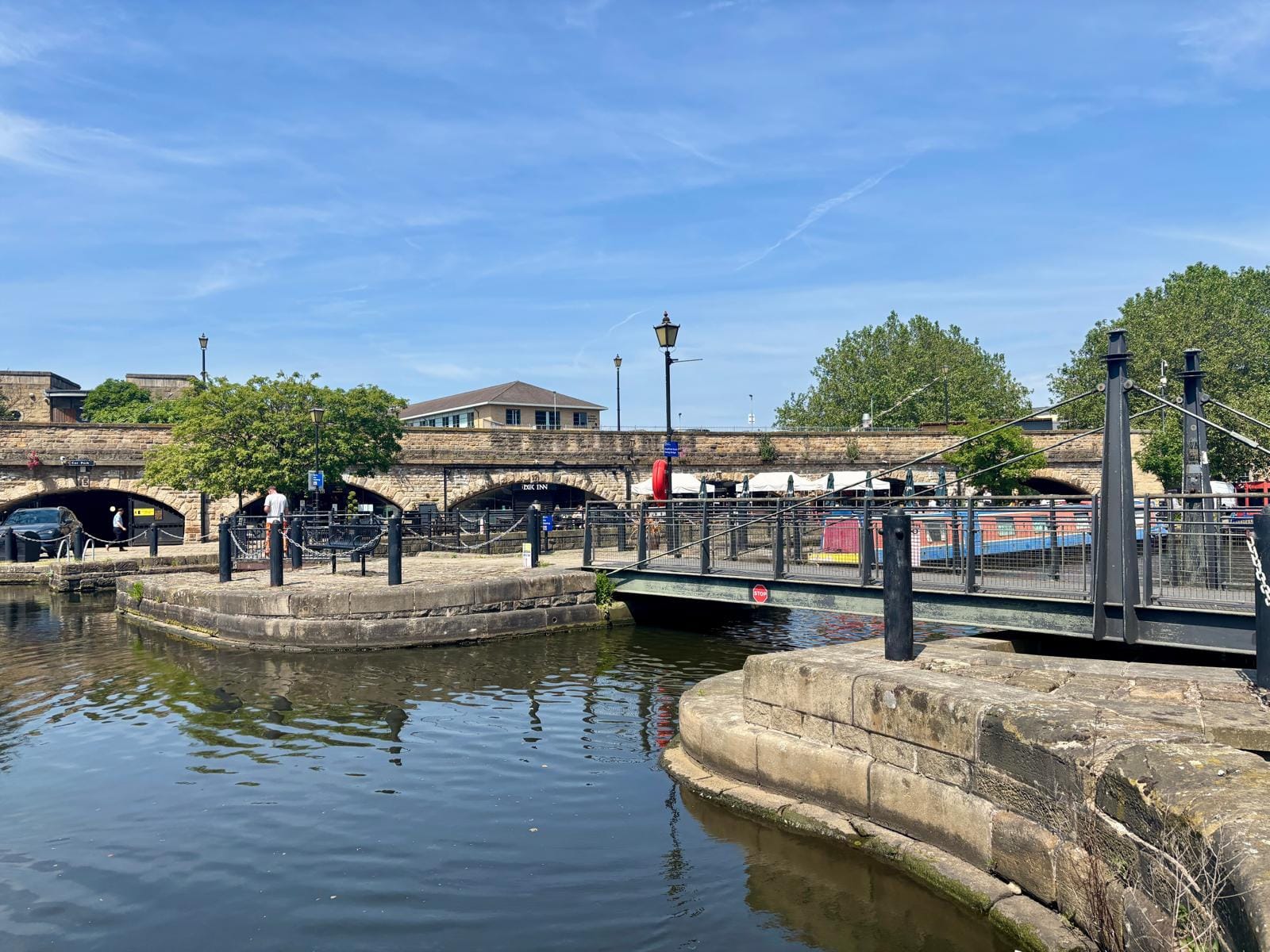
The first is ownership. Faced with an ever-growing repair bill, the Canal and River Trust have been selling off assets left, right and centre. In 2024, they sold off Victoria Quays’ arches and the Straddle Warehouse to a company called Urban Front Realty, which is headquartered in Jersey.
Urban Front Realty is itself owned by a company called Verite Trust Company Limited, which is also registered in Jersey. And Verite is owned by a man called George Robinson Machan, who through another company of his companies, Charlwood Properties Ltd (registered in the British Virgin Islands) appeared in the Panama Papers, a vast trove of personal financial information about wealthy individuals that was leaked in 2016.
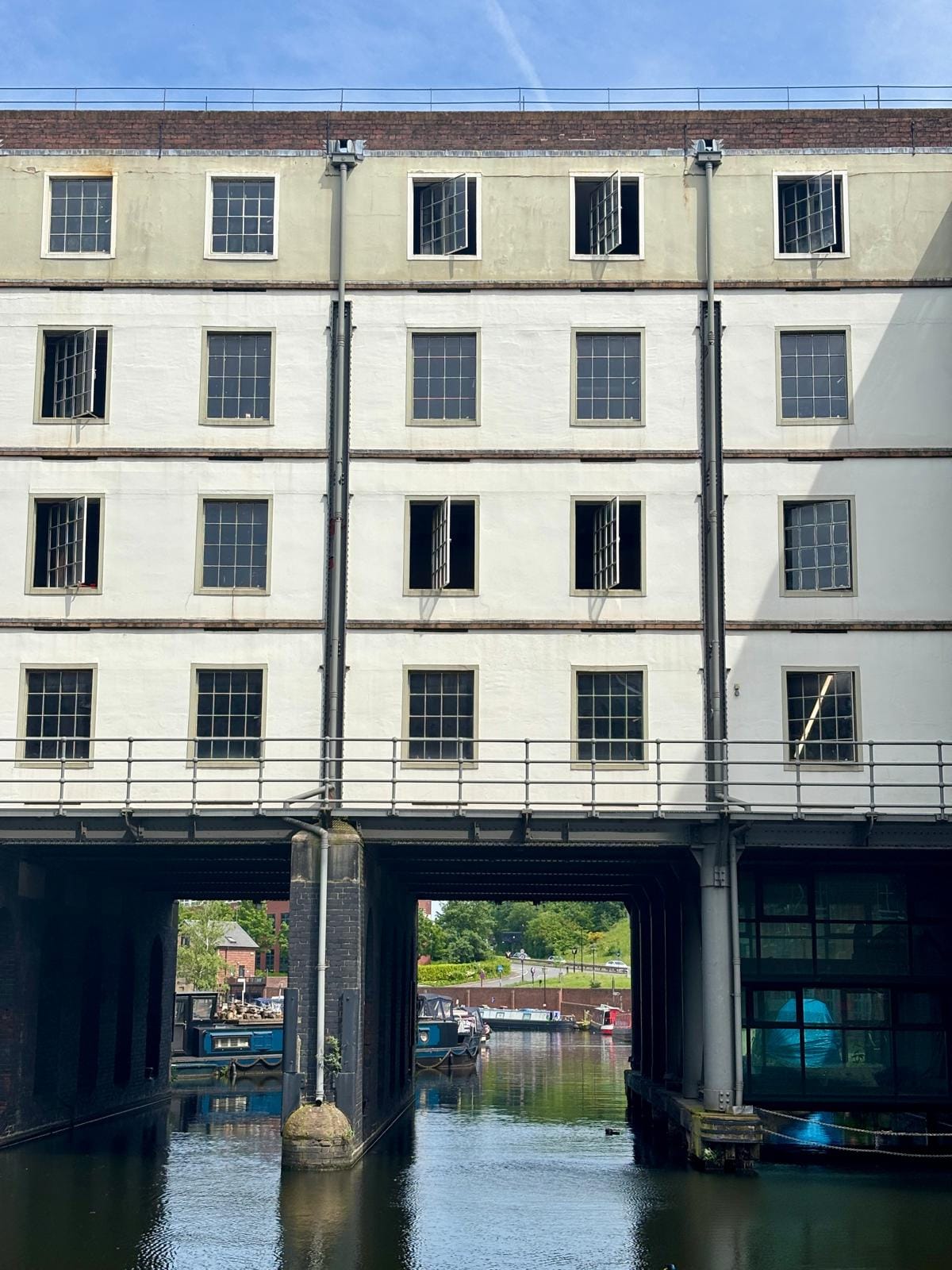
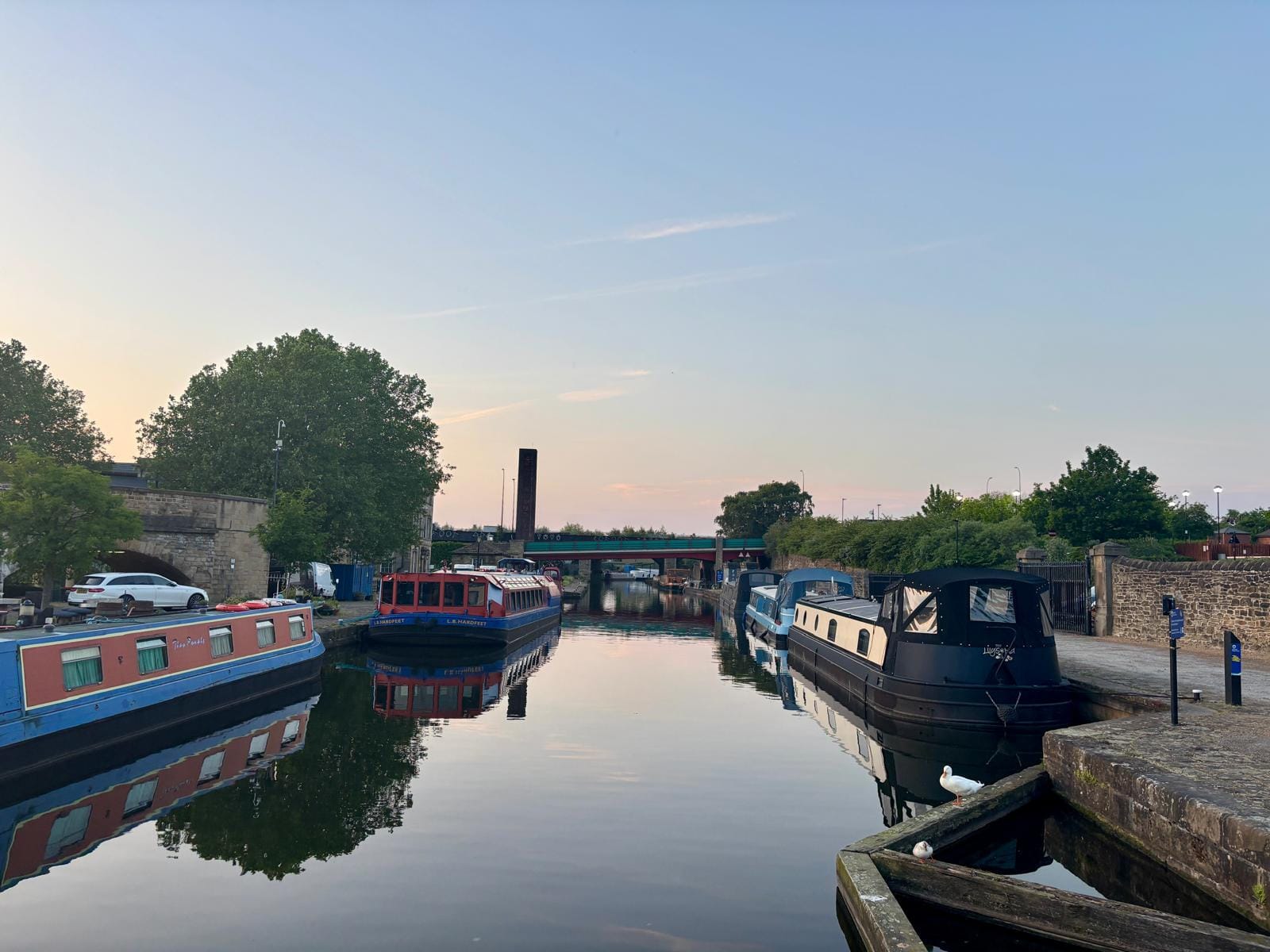
The second change, which is uncomfortable for those who don’t love public assets being in the hands of Jersey-based corporations, is that the quays are suddenly busy. For the first time in 30 years, all the arches are full. There’s True Loves, The Lock Inn and Midnight Margaritas as well as cafes Victoria Junction and LM8. Whatever the new landlord is doing, it seems to be working.
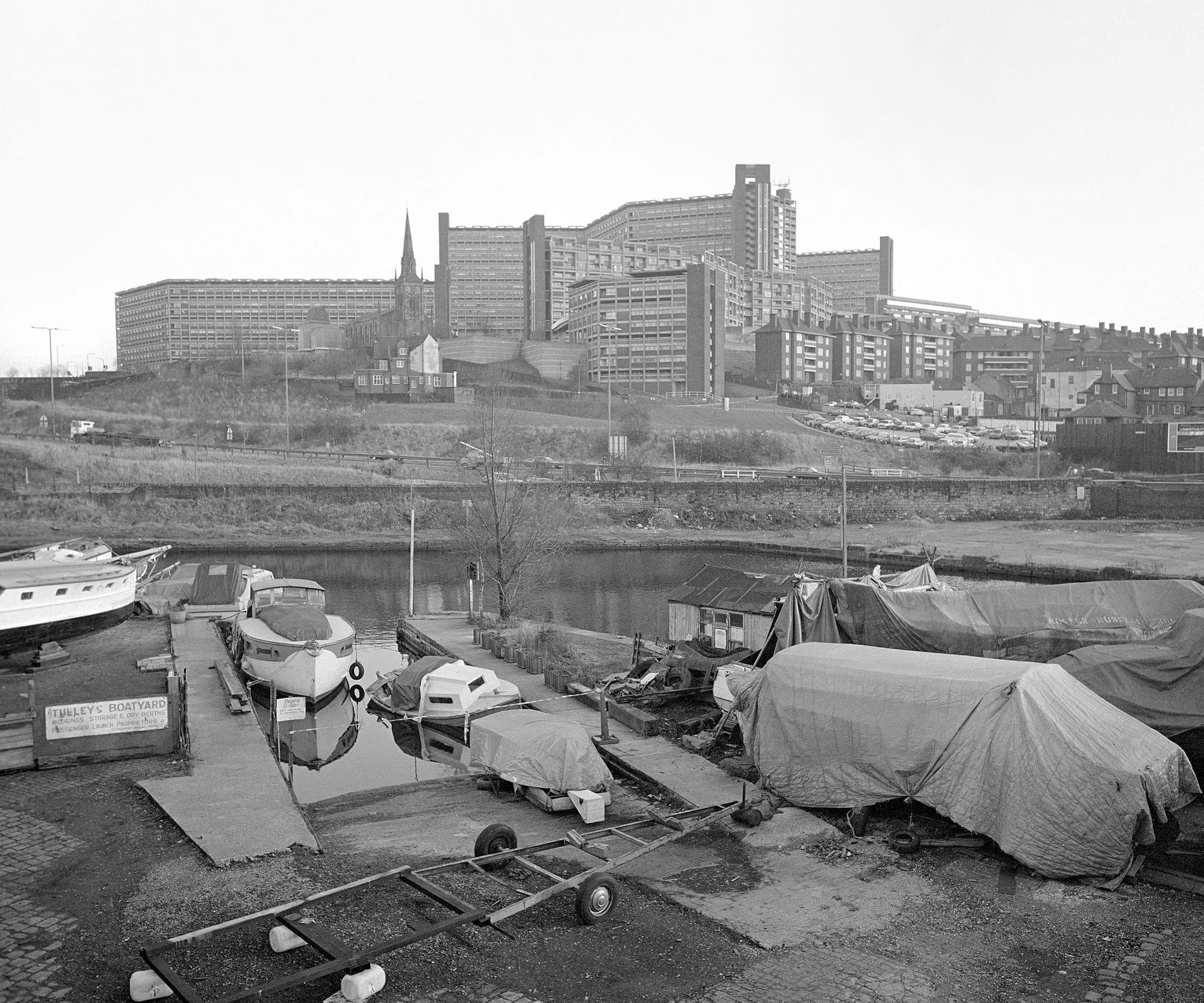
But when you start to look into why the Quays have struggled so much for so long, the story gets murkier than the brown water lapping at the narrow boats.
By the mid-70s, freight traffic had stopped and the quays were effectively abandoned. In 1988, it was part of a vast parcel of land given to the newly created Sheffield Development Corporation, a plan to regenerate the Lower Don Valley based on a model previously rolled out in the Docklands area of London. The development corporations were given powers to override local planning controls and distribute public funds. Victoria Quays was to become Sheffield’s Canary Wharf.
The corporation did some good work, Simon Ogden, Sheffield council’s former head of city regeneration tells me. Over the course of the next nine years, the Terminal and Straddle warehouses were refurbished, as were the workers' cottages and arches. The hotel and Navigation House were also built. In 1997, the quays were formally reopened in a ceremony attended by around 60,000 people. And it got a rebrand, as it was felt that something catchier than “Sheffield Canal Basin” was needed. Hence Victoria Quays, after the nearby Victoria station (though, as Ogden points out, the quays are actually Georgian).
But Ogden believes the key mistake came in 1997. In other cities, areas controlled by the development corporations were handed back to the city council, and have gone on to be successful residential, commercial and leisure areas. But in Sheffield, the quays were given to a new body, the Victoria Quays Management Company. (This was despite the land belonging to the council in the first place — meaning the land had essentially been privatised.) It is this decision, he says, that has had profound consequences that are still felt today.
“VQM” is made up of a range of stakeholders including the hotel, the landlords of the various buildings and the Canal and River Trust, who still own the marina and the area around it. “For most of Victoria Quays’ life, the people on the board from the hotel and the office buildings wanted it kept clean and tidy but haven’t had an interest in attracting people here,” says Ogden. “It ended up becoming a bit like an office park.”
The plan was to keep the Quays nice and quiet, but it backfired.
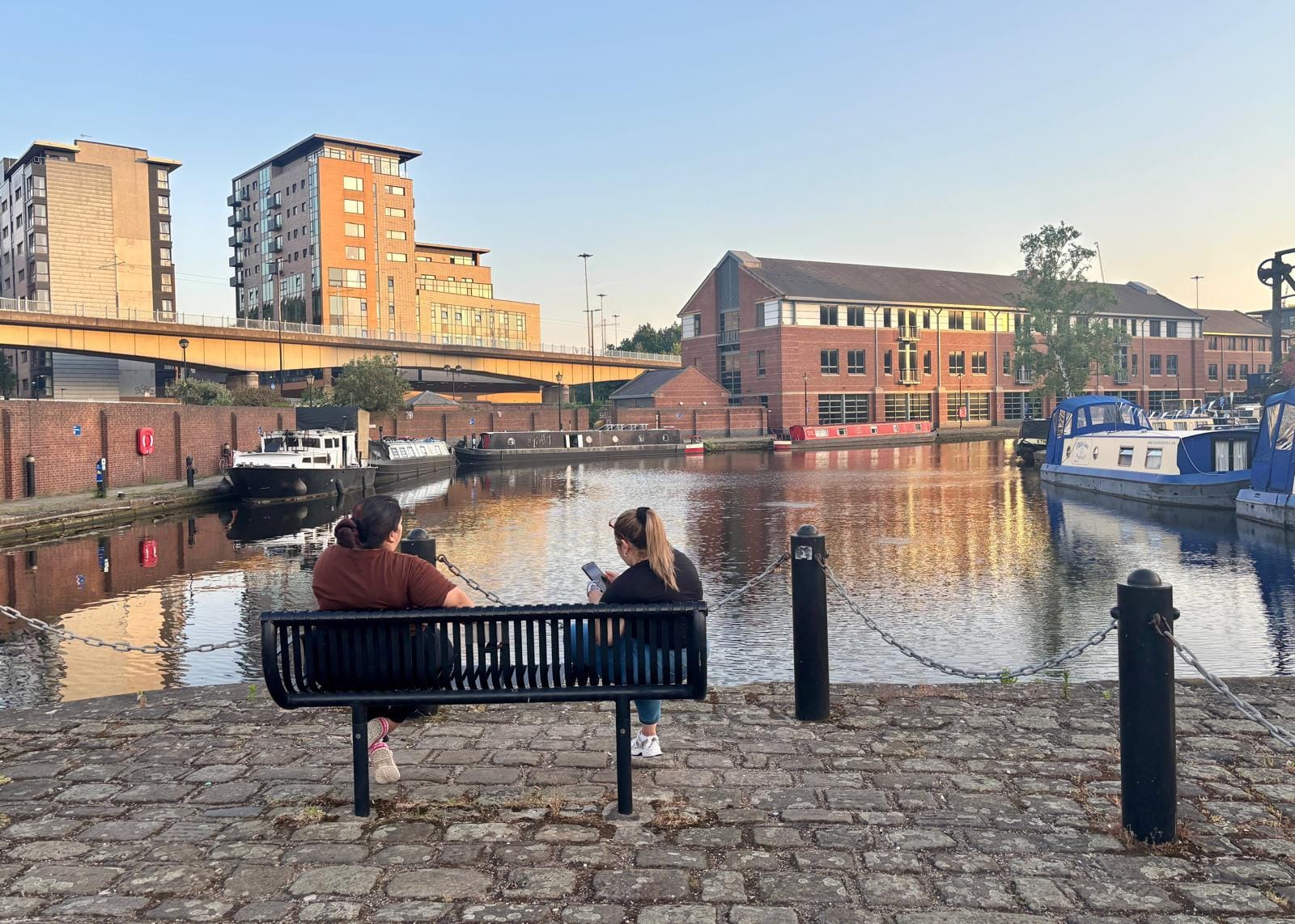
“Isn’t it a bit murdery down there?” Those were the words that one of Isobel Seacombe's work colleagues said when she told her she was going to move into an apartment at Victoria Quays eight years ago. In the months before she and her partner moved into the Terminal Warehouse, two bodies had been found at the quays in the space of just 13 months. Another was found a month after they moved in. Although all three were eventually determined to be non-suspicuous, the sense that the area was a lawless badlands, where you too might end up in the water if you made the wrong move, had taken hold.
David Baldwin arrived a few years before Isobel, with his design business Ovo Spaces. “It was deathly quiet,” he tells me as we sit in the sun on the pontoon which juts out into the marina at the back of his office. “At night it was so out of the way it turned into a bit of a red light district.”
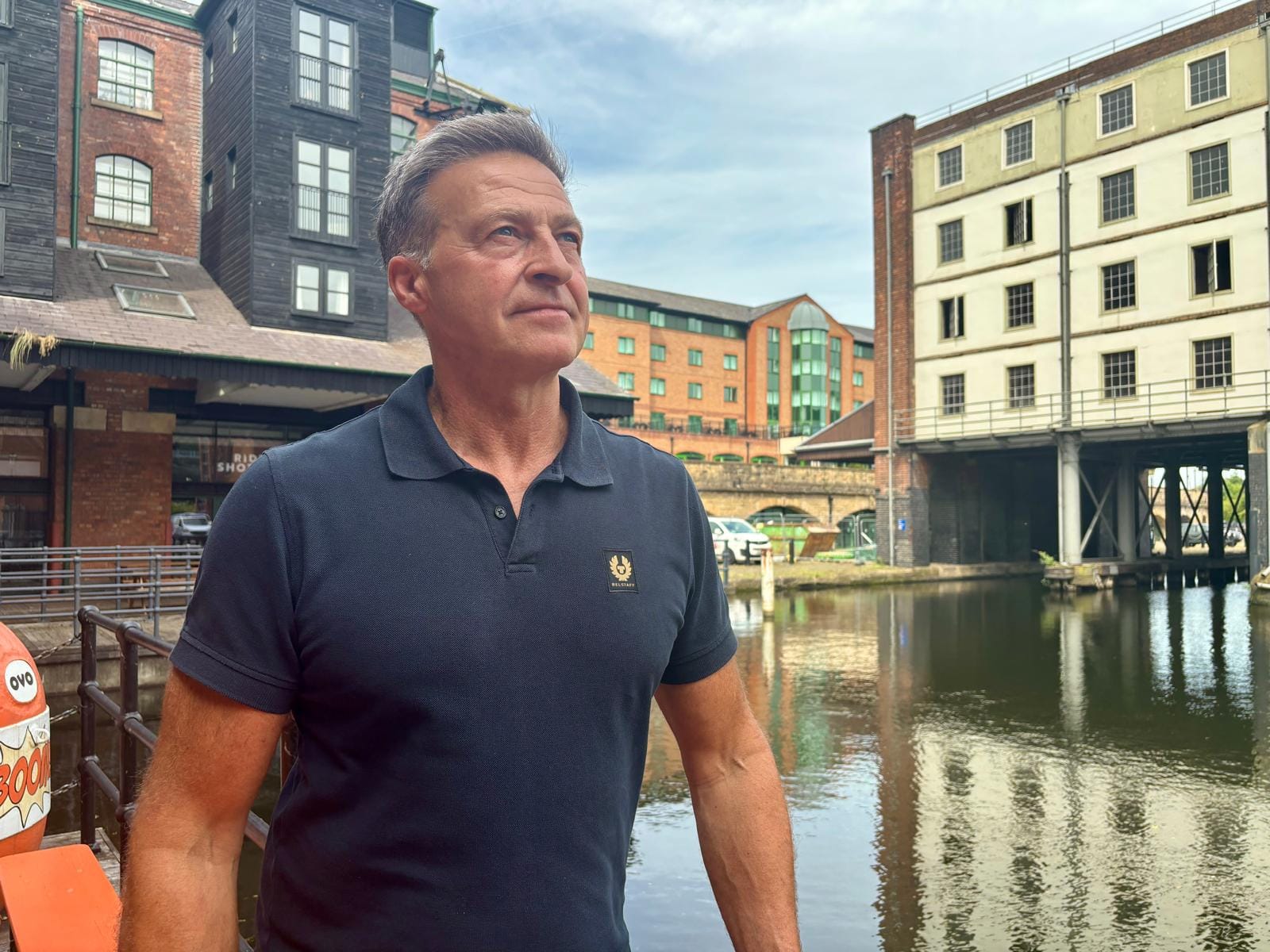
I speak to Libby Hamilton, the joint owner of LM8. She tells me they have been here for almost a year, opening for the first time last July. However, despite living in nearby Wybourn, when their current premises came on to the market, Libby says she didn’t even know where the Victoria Quays arches were. “I thought the only arches around here were on the Wicker,” she says. “I didn't have a clue this was here.”
So far, business has been pretty good. As Simon Ogden and I chat, a steady stream of customers come and go. However, there are problems, including anti-social behaviour linked to rough sleeping and drug abuse. Libby tells me they have been broken into three times.
Nevertheless, she says there are more positive vibes around the quays at the moment. The new owners have brought more commercial tenants in and some drive around making it a destination. There will also be more residents once the Straddle Warehouse and Sheaf House are converted into flats. But she still feels it’s underperforming. “I think the council should put more effort into marketing it,” she says. “It has huge potential — you can see how nice it is on a day like today.”
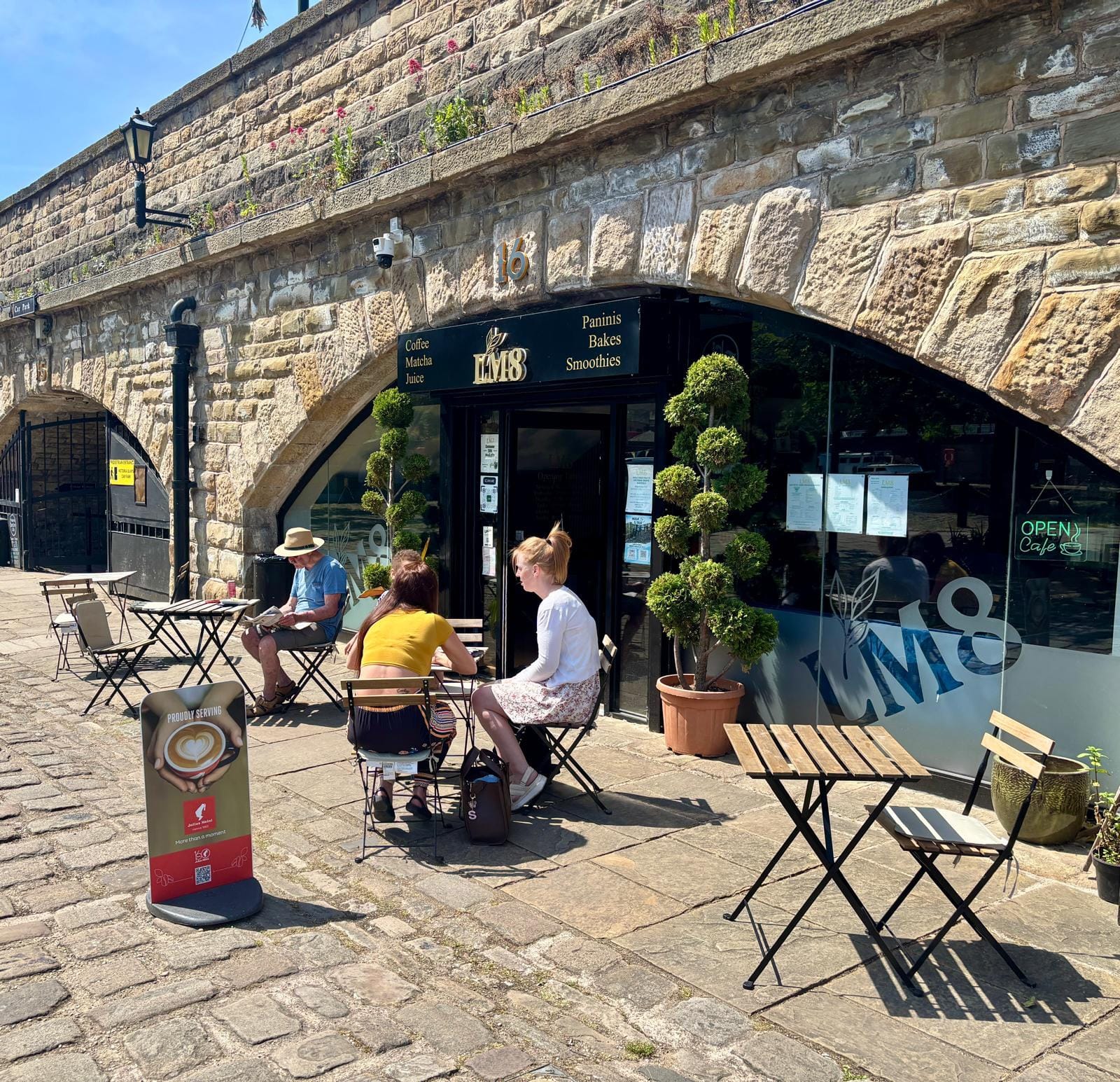
It’s a picture that David Baldwin at Ovo Spaces recognises. He tells me Victoria Quays is “the best place in Sheffield to work”, but accepts that it can be difficult to find. “Lots of people come down here and say ‘we didn't even know we had a canal down here’ or ‘we didn't know we had boats’,” he says.
Another problem is the complexity of the ownership, a hangover from the way the Sheffield Development Corporation sold the site off piecemeal in the late 90s. “If you sketch a spider diagram of who’s involved it’s an awful lot of people,” Baldwin says, including the Canal and River Trust, who have sold off the arches but not the actual walkways around the canal, Verite, the landlords of all the various buildings and the hotel. “It’s very complicated and disjointed.”
To take one example, the new owner of the arches installed two metal fences at either end to stop people using the space as a place to sleep and take drugs. However, a disagreement between him and the hotel over who owns the space led to a row over planning permission. “It’s a recipe for disaster,” says Libby Hamilton. “There’s too much red tape and too many people involved. It always feels like two steps forward and two steps back.”
Seacombe has been trying to get her head around the byzantine structure of Victoria Quays for almost 18 months, without much luck. “Our building is a shareholder in Victoria Quays management but doesn’t have a seat on the board and therefore doesn't have a say in what happens,” she says. “The way VQM works is so elusive that it’s really difficult to know how decisions are made.”
“They put the DJ right next to one of the house boats”
Perhaps what the area needs is someone charismatic to grab it by the scruff of the neck and lead it forward. And this leads us back to Bally Johal, the elusive owner of True Loves. In trying to get hold of him for several weeks, I’ve spoken to several people about him. Everyone seems to have an opinion. For some, he’s “entrepreneurial and creative”, just the kind of person you need for the job. For others, he’s a selfish opportunist, very comfortable with elbowing others out of the way to get what he wants.
One thing is certain: Johal isn't the kind of guy to sit around waiting for permission. In 2022 he set up Quayside Market, a street food market which takes place monthly during the summer. It's popular, but his hustle isn’t necessarily winning friends in the Quays. Isobel Seacombe says these began happening without any consultation with residents; generators and portaloos just appeared one day much to the surprise of the people who live there. “They put the DJ right next to one of the house boats,” she says.
Finally, late on Friday, I get hold of Johal. He says that he did consult the people he needed to, but seems to accept that the residents weren't included. Still, he defends his creation of the Quayside Market as a way of securing the future of not just his but other businesses at the quays. “It’s all about activation,” he says. “We’re just trying to make the area come alive.”
Nonetheless, when I speak to Richard Henderson, formerly of the Pax, he’s less complimentary about Johal's endeavours. He says their relationship soured early on over an event that Johal wanted to put on called Beats, Eats & Treats. Henderson says he would have been happy with a one off but that Johal wanted it to be 21 separate events lasting several months. Their relationship never recovered.
Henderson also accuses Johal of lodging a series of “vexatious complaints” with the Canal and River Trust about him, including that he played loud and foul-mouthed music, that he deliberately took business off him and, bizarrely, that he “danced aggressively in a disco cape”. However, Henderson does accept that one accusation Johal levelled at him is true. He did once urinate against his van.
For Johal’s part, he disputes the idea that he ever acted maliciously or tried to undermine anyone else’s business. “Any concerns I have ever raised through official channels were made in good faith and not to harass or make vexatious complaints,” he added.
As I leave I pop into the Victoria Junction cafe. At 12 years, they are one of the longest standing businesses down here and have seen the fortunes of the quays ebb and flow. Manager Jonathan Lawson believes the quays are improving. “All the arches are filled and there’s definitely more people down here now,” he tells me.
“It’s a hidden gem,” continues Lawson. It’s a phrase that I hear numerous times as I wander round the quays on the best week of weather so far this year.
It's a compliment, but also slightly damning. Despite the huge sums of money poured into the Lower Don Valley, Victoria Quays remain a puzzle: a great asset but one that has so far failed to fulfil its potential. Despite his positivity, it’s something that troubles David Baldwin. “If this was Manchester or Leeds or Birmingham, someone would have grabbed the bull by the horns and really driven this forward.”
If someone forwarded you this newsletter, click here to sign up to get quality local journalism in your inbox.