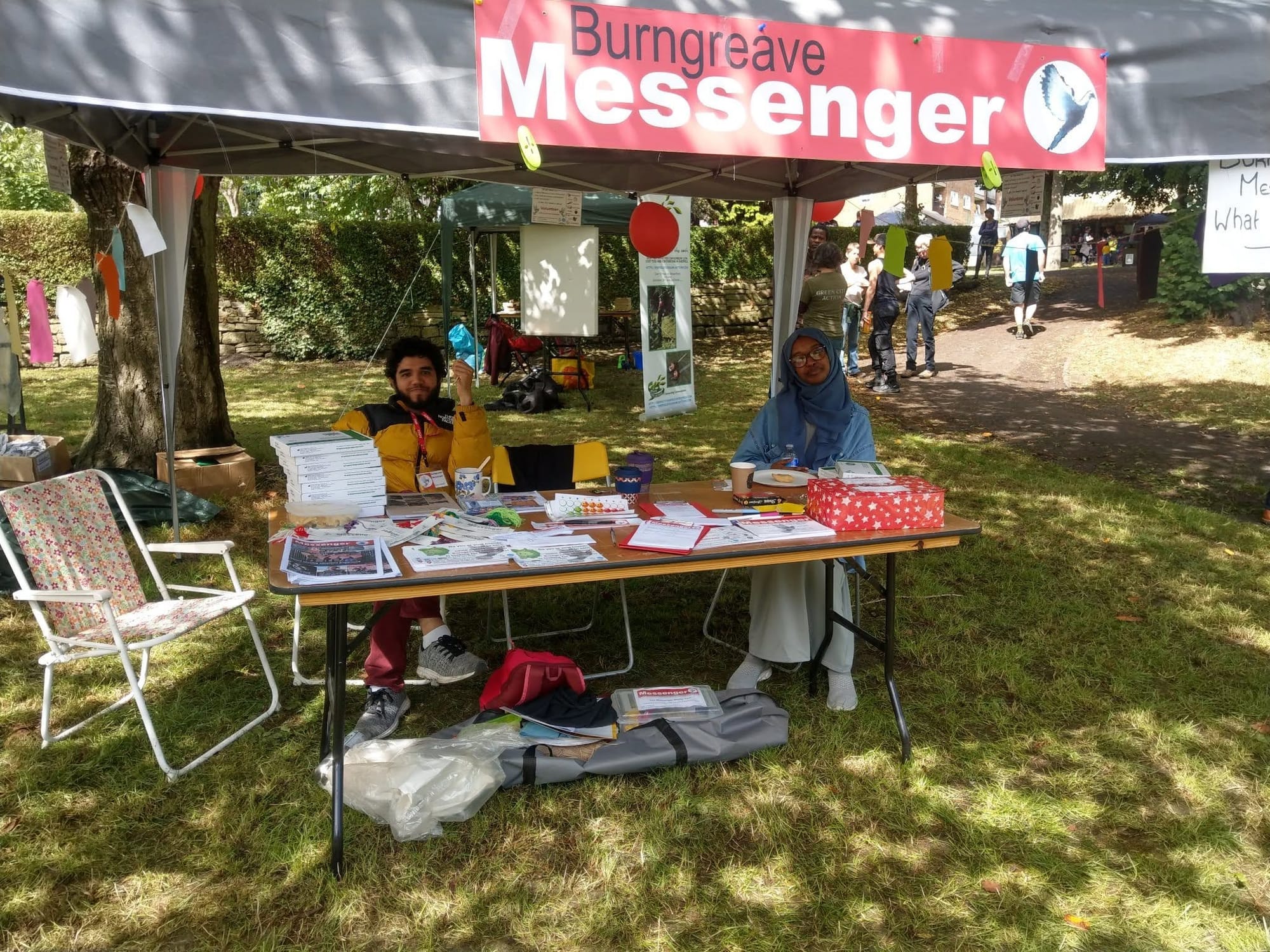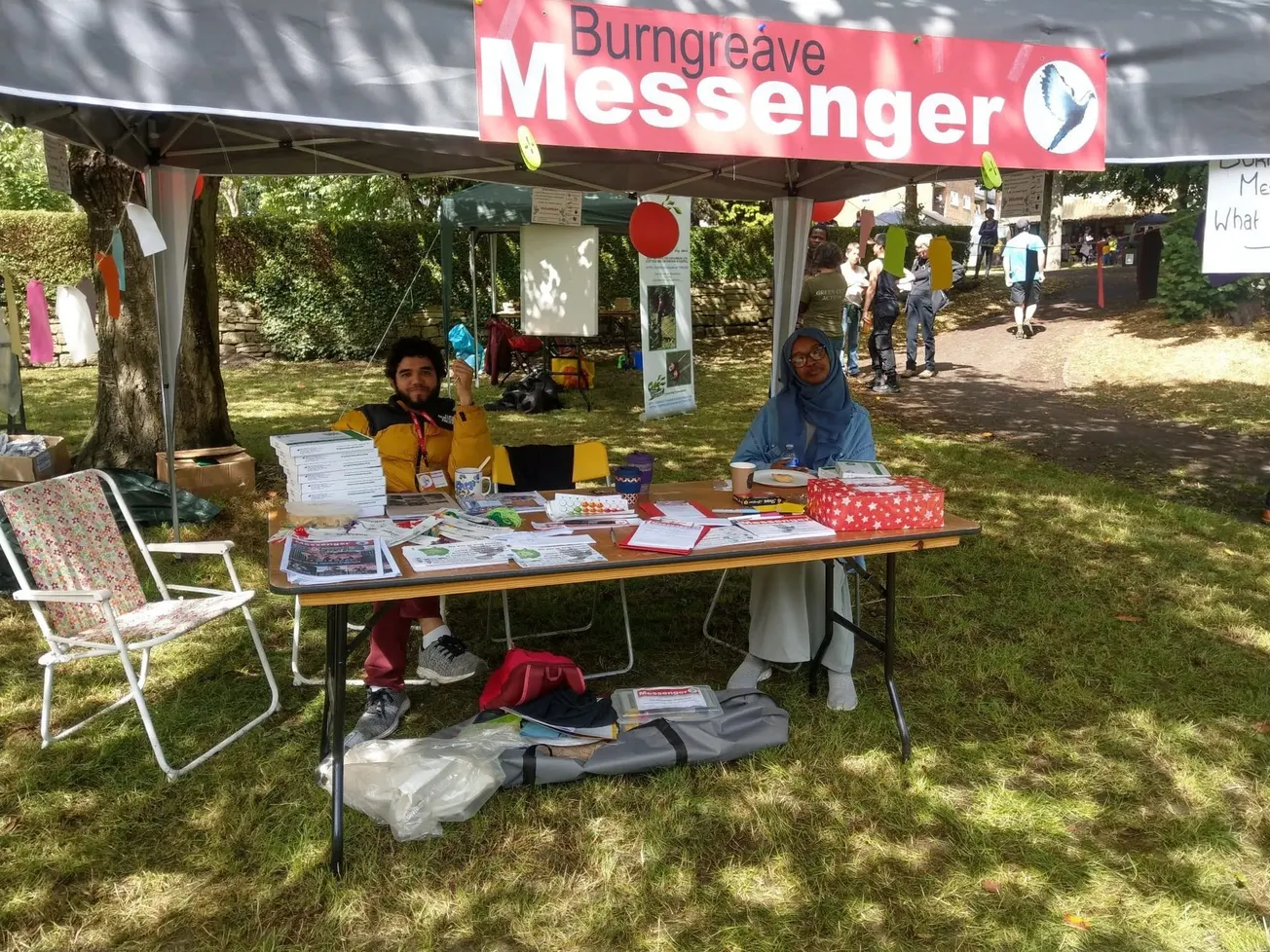
In the autumn of 2001, the journalist Richard Belbin came up with a headline that he believed to be a stroke of literary genius. It was shortly after the attack on the World Trade Centre, and a group of teenagers in Burngreave had been lighting fireworks and dumping them in bins. The headline “BIN LADEN WITH FIREWORKS” was on the front cover of that month’s copy of the Burngreave Messenger, a free newspaper that ran from 1999 to 2023.
It was not received well. “I think the general vibe was, it’s a bit too soon for jokes like that, mate,” Belbin — who has a sharp gaze and wiry grey hair— says drily. But while the newspaper he co-ran for almost two decades “didn’t always get it right”, he’s keen to stress that overall, Burngreave loved its community champion.
I first heard about the Messenger on a call with Green party councillor Douglas Johnson, and was captivated by the idea of a group of anarchists, socialists and refugee rights campaigners coming together to produce a local newspaper. Johnson contrasted the kinds of stories about the diverse north east suburb of Burngreave coming out in the Sheffield Telegraph and the Sheffield Star at the time — mostly grisly details of murders and assaults — with the kinds of stories coming out in the Messenger, which included articles about rewilding a council estate and the experiences of refugees settling into Sheffield. It was immediately obvious to me why it was so loved, and how much poorer the area is without it.
For nearly 25 years, a handful of volunteers met every week in a cramped office near Abbeyfield Park with newspaper front covers plastered over the walls. Within its walls, they held spirited editorial meetings and organised the distribution of the Messenger to every single household in the area. Colette Wymer, an articulate, thoughtful policy researcher who edited the outlet between 2021 and 2023, says this distribution effort came at a “massive cost” to the newspaper, which ran on a shoestring during its entire operation. But it always felt worthwhile. “It’s a very poor community,” she says. “It really was beautiful to see the genuine value that people found from it.”
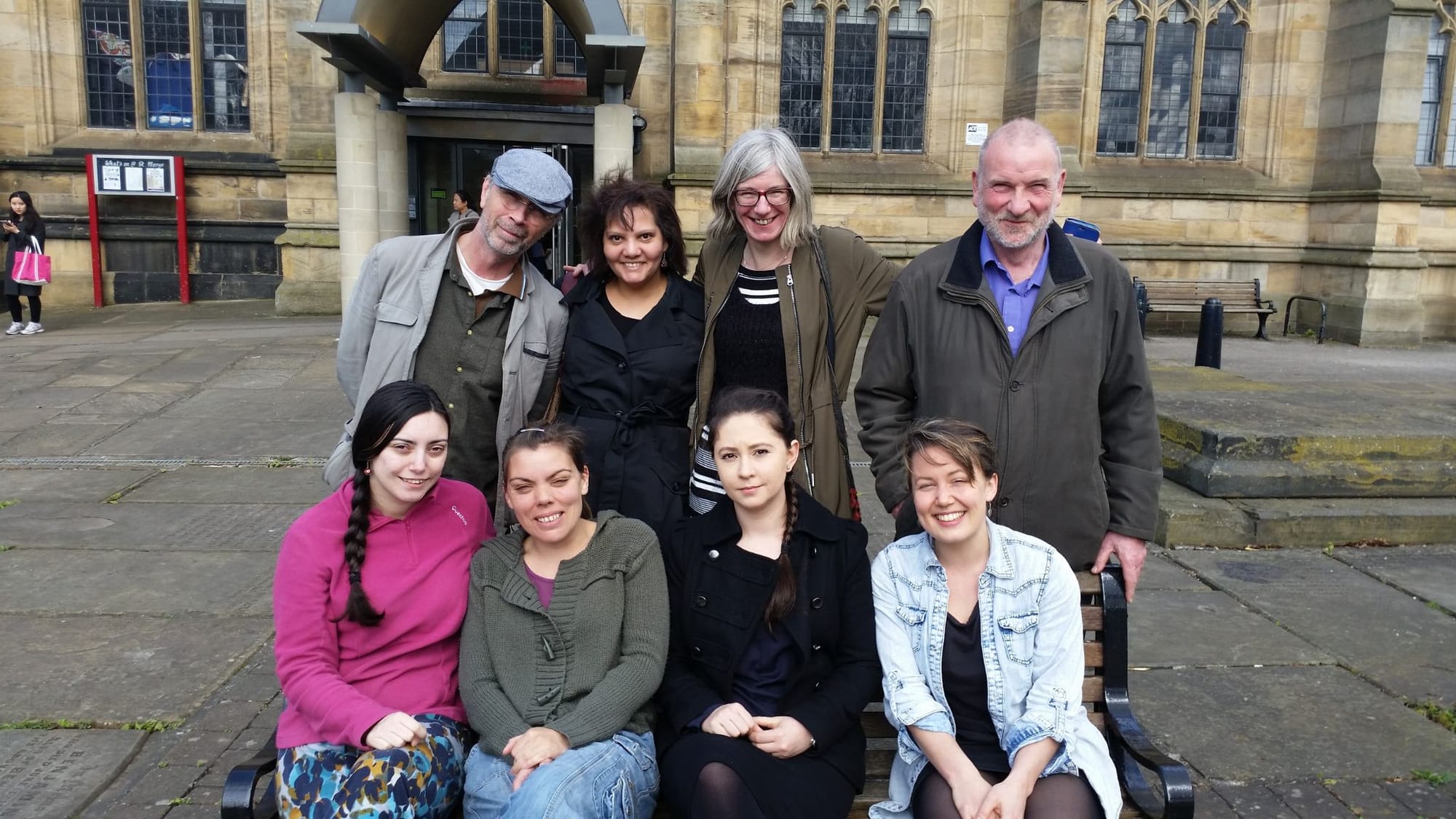
The office was never quiet. There were translators who helped reporters have in-depth conversations with the Roma, Slovak and Kurdish communities, big arguments between editors about the need to balance investigative reports with positive features, readers popping in to offer feedback, teenagers clamouring for their wages after finishing their paper round, endless cups of tea and chatter.
While the newspaper was founded with the intention to publish positive stories as an antidote to Burngreave’s undeserved reputation as a drugs, gangs and stabbing hotspot, Belbin says there was consensus among the editorial staff that they shouldn't shy away from the harder topics. “Sometimes our stories were something light and fluffy, sometimes another story was, ‘aren’t this lot a bunch of bastards’,” he says. “We trusted our readers to use their judgement to assess which better reflected the realities of Burngreave.”
Belbin also knew you had to sometimes bring levity to serious themes. When it came to covering Burngreave’s gang problem, he wanted to “point out the bloody stupidity of it: you lot live across the road from each other, the idea that you’re fundamentally ideologically different groups is ridiculous.”
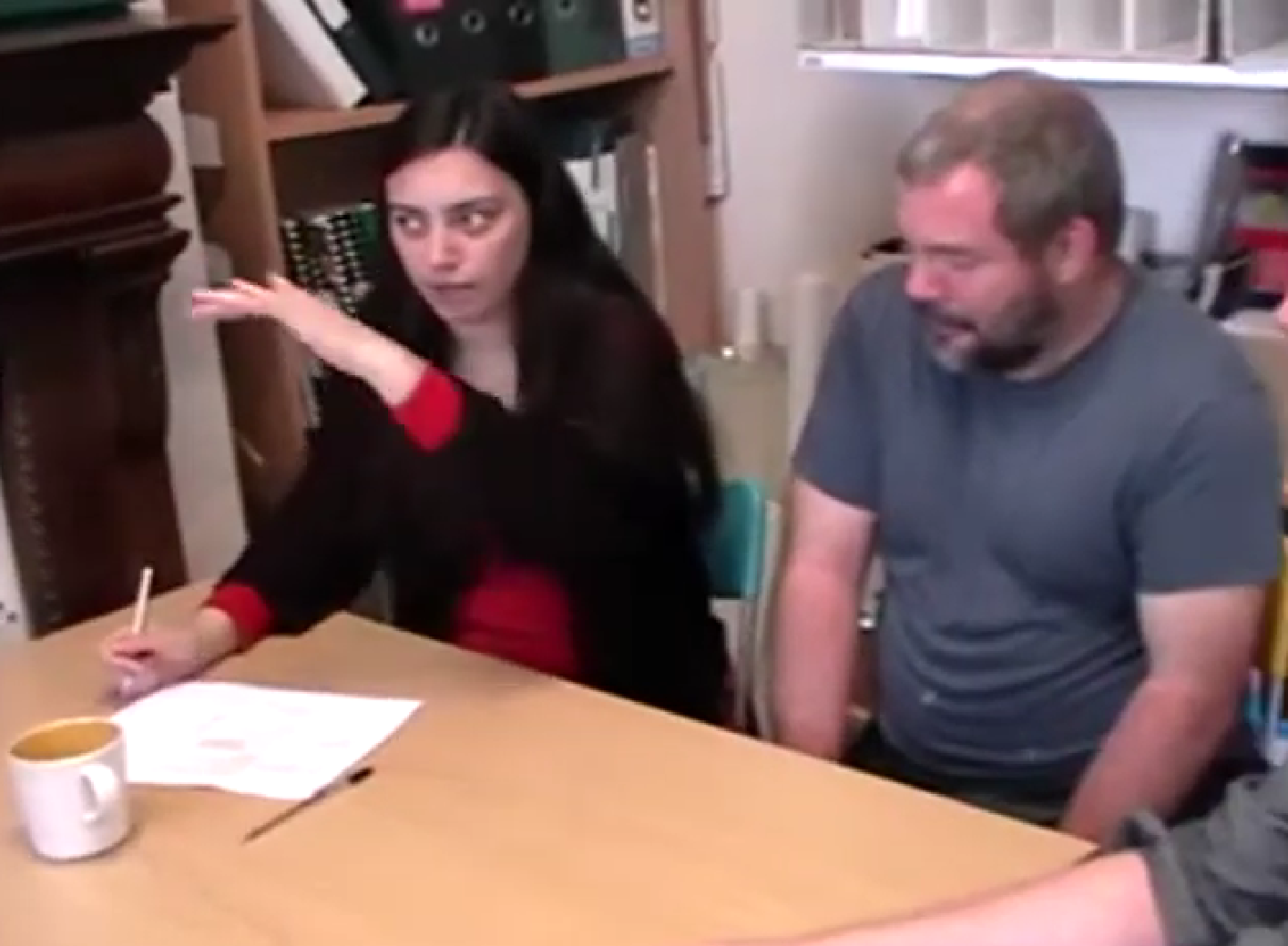
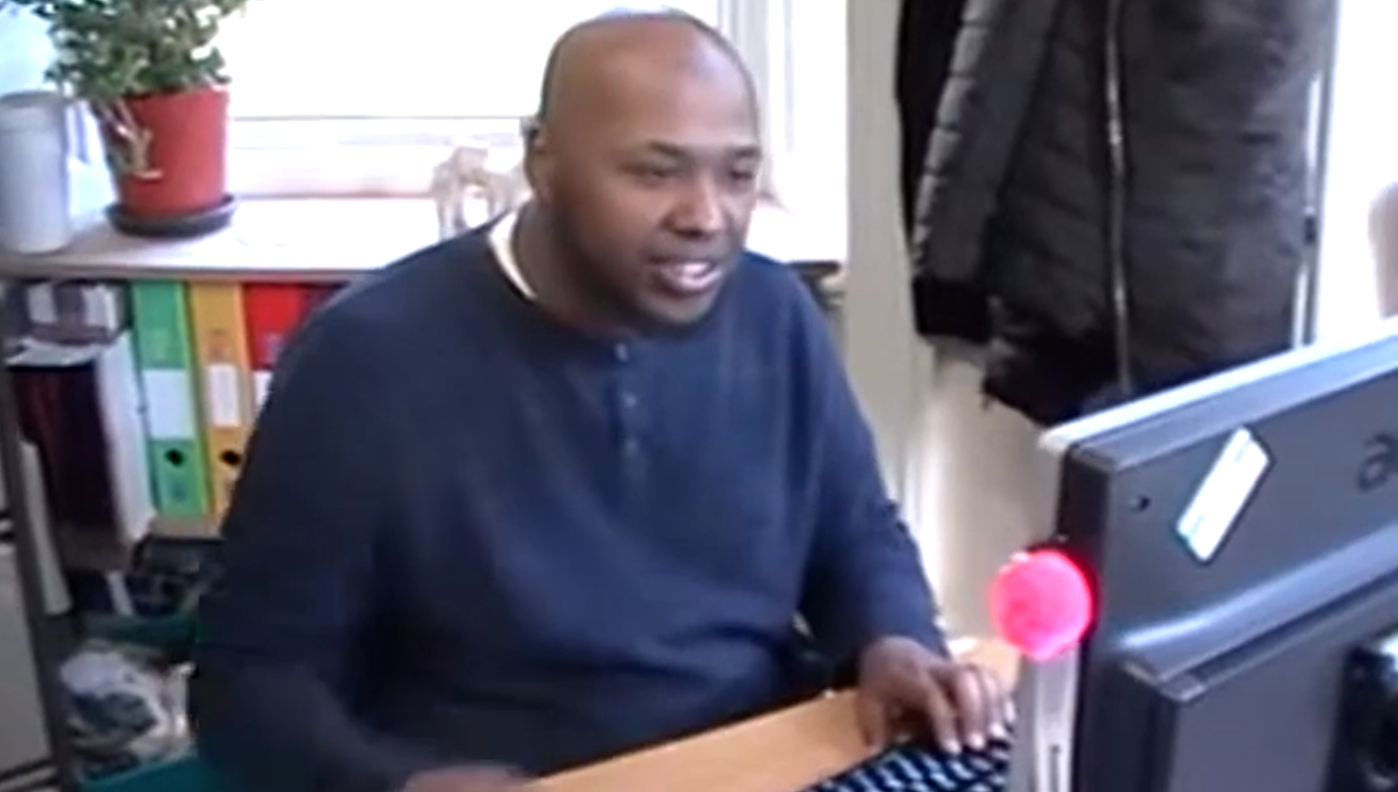
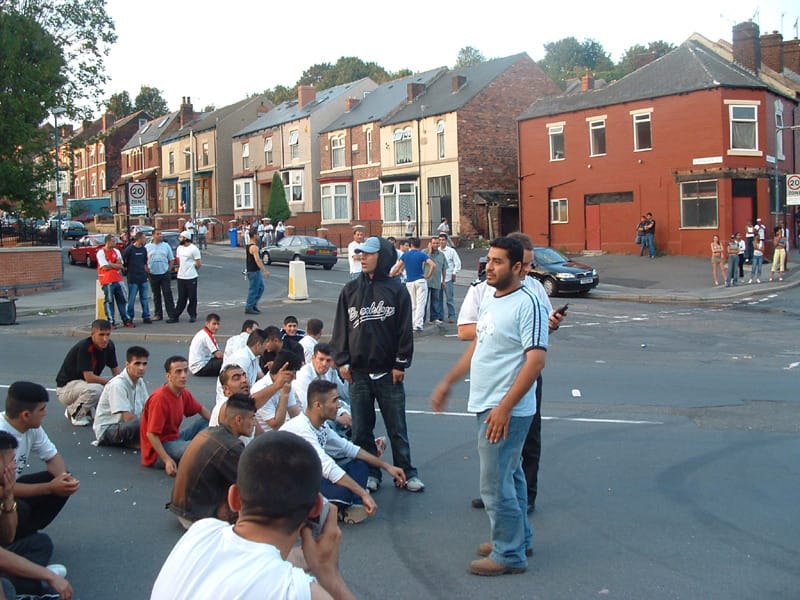
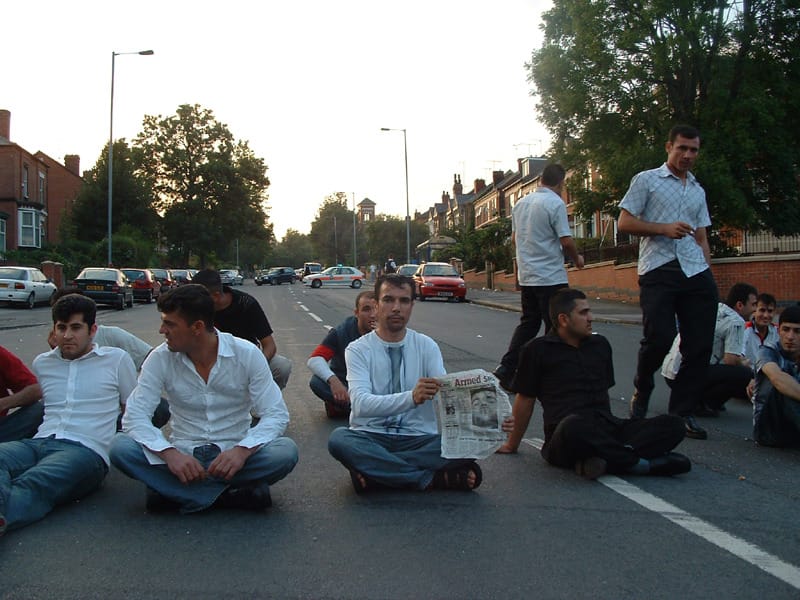
While stories were always written with Burngreave in mind, sometimes their scoops accidentally found a much larger audience. In 2003, Messenger journalist Stuart Crosthwaite was walking to the off licence when he noticed Burngreave road was filled with dozens of people holding placards. After chatting to a few of their number, he discovered they were Kurdish asylum seekers facing deportation to Iraq. 20-year-old Naseh Ghafor had sewn his lips shut with a needle and thread to demonstrate that he was prepared to starve to death rather than return to a country in the midst of war. “I knew I needed to write about it,” Crosthwaite tells me.
It became a national story. Then-home secretary David Blunkett accused Ghafor's supporters of being irresponsible in their encouragement of his belief that he could “simply overturn the [asylum] process by self mutilation”. But in 2007, as a result of Crosthwaite's campaigning journalism, Ghafor was allowed to stay. After the trauma of the hunger strike, Ghafor didn’t want a moment of big publicity. The Messenger honoured his wishes and never announced that their campaign had been successful, instead opting to quietly celebrate amongst themselves.
When he first started covering the Kurdish communities of Burngreave, Crosthwaite felt “they weren’t very integrated, they were facing destitution, they were impoverished”. After releasing a series of articles about their plight, he noticed things starting to change.
Jean Wood, a headstrong local campaigner, rallied all the members of All Saints Tenants’ and Residents’ association to deliver clothes and food to those in need, and took the time to patiently explain to some of the longstanding white working class residents of Burngreave why the area’s new arrivals deserved compassion and support. Some members of the Kurdish community became writers and translators for the Messenger. “When politicians talk about integration, they probably don’t think about migrants working as journalists and translators for a community magazine,” Crosthwaite says. “But it really did help people find their feet. It made them feel part of something.”
Everyone I speak to for this story says they joined the Messenger to do something positive for Burngreave, though Jamie Marriott, who designed the newspaper for 19 years, is more willing to admit he was thinking about his CV. “I was there for personal gain,” he says candidly but, over time, he realised what a “great community asset” it was.
Michelle Cook jumps on a call with me almost immediately after I email her. I can hear the warmth in her voice as she explains how she wrote for the Messenger between 2008 and 2017 and didn’t even particularly care if her reporting efforts made it into the newspaper, as long as new writers felt encouraged, included and supported. “We just stuck us noses into everything!” she says enthusiastically. “You didn’t have to enjoy writing and be clever with computers, you just had to go out and speak to someone. And if you didn’t feel confident, I’d go with you and make it fun.”
The New Deal for Communities, a regeneration initiative by Tony Blair that funnelled £2bn into 39 deprived neighbourhoods across England and Wales, provided funding for the paper from 2001 to 2011. While the funders from the Department for Communities and Local Government insisted they wouldn’t have any influence over the Messenger’s editorial decisions, Crosthwaite says that as time went on, volunteers became increasingly aware they were watching carefully from the sidelines. Often, he says, there was tension in editorial meetings about “paragraphs that were crafted to be as inoffensive to funders as possible”.
Belbin admits “funders pushed us to being a bit fluffier probably, a bit less critical”. But he says the advantage of the New Deal money was that “we could afford to distribute it everywhere, every house in Burngreave. People loved that, just being able to read positive stuff about their area.”
After the money from the New Deal dried up, his sister Fran Belbin took charge of fundraising efforts, introducing some entertaining sibling rivalry to the office. “She got cockier than I did and claimed credit for all sorts of things,” he says. He thinks the experience “helped build Fran’s confidence and her ability to make a difference and get involved in community work, which led to her becoming a councillor and now council leader.” He adds: “Though we’ll have to see if she’s any good before we take credit for her.”
The team plugged the gap with Big Lottery funding but, in 2021, this dried up as well. By this point, the group started to splinter. Cook says it felt like “people were getting pulled in different directions”, with some longtime members moving away and others no longer able to justify giving up their time for voluntary work as the cost of living increased.
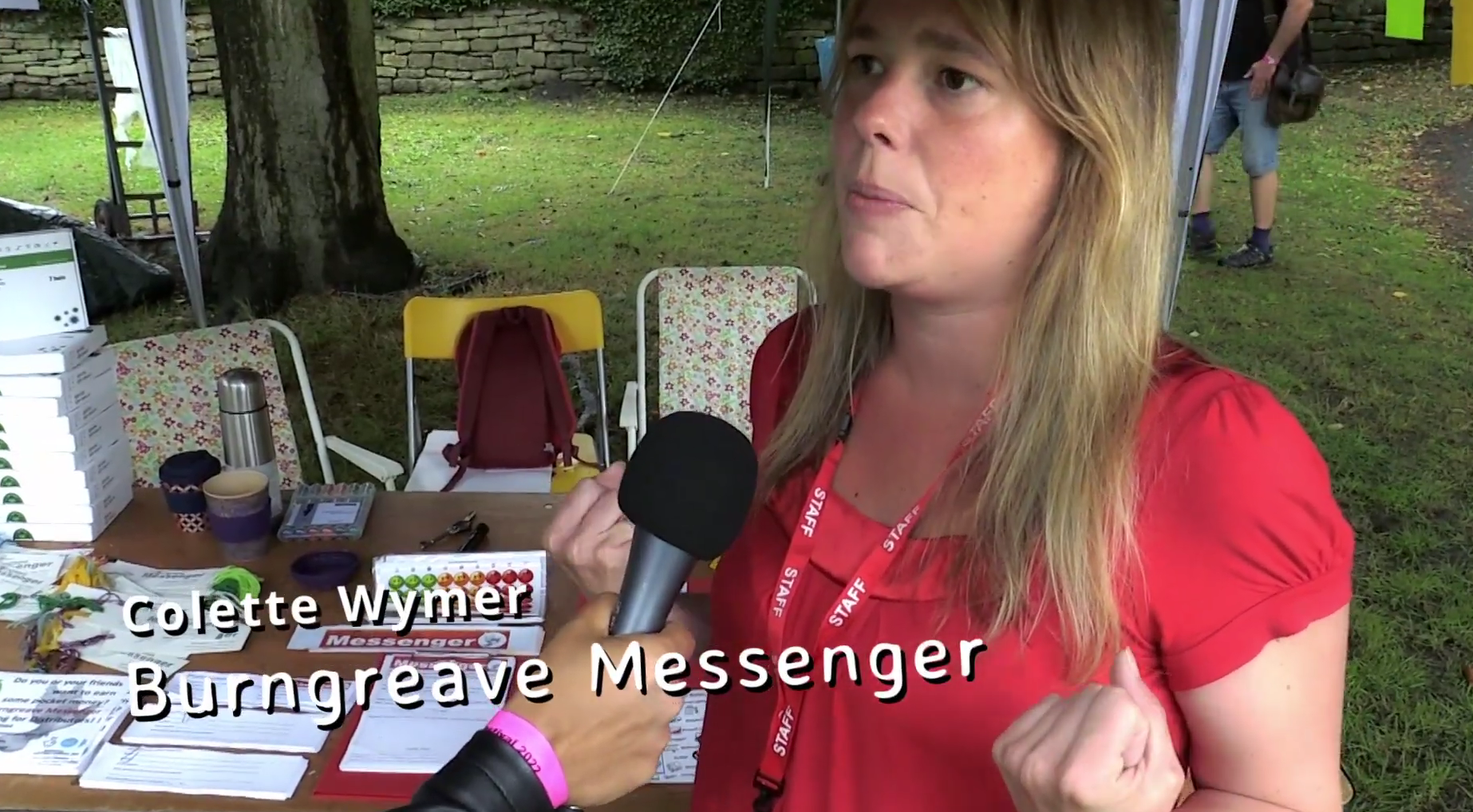
It took a year for Colette Wymer to be able to admit to herself that the Messenger was no longer financially sustainable. She describes a series of meetings with her colleagues Yasmin Ahmad, Jamie Marriott and Chris Hood where they stared at the bank balance. They talked about chasing outstanding payments from Covid, or doing local fundraisers. But Wymer eventually realised that while “the community did want it, they’d given what they could. The dynamics of that community mean there’s not much money going around.” The Messenger stopped publishing in 2023.
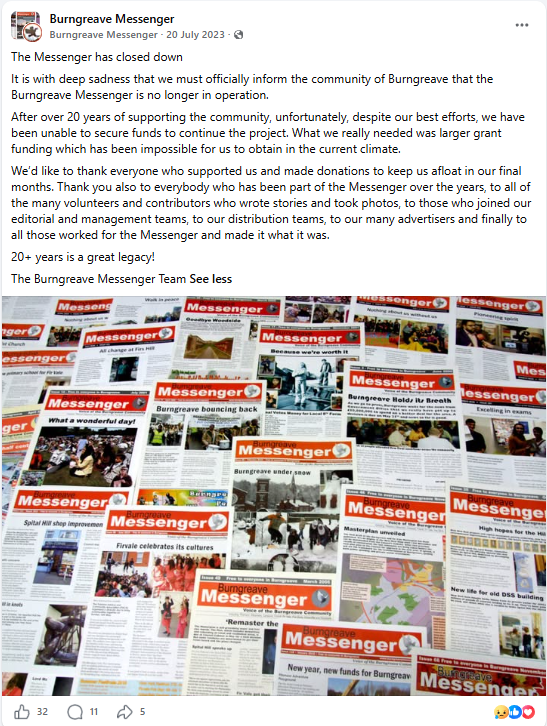
“I felt like I'd let the community down, and I still sit with that guilt,” says Wymer, who now works in policy research. But in more optimistic moments, she’s able to find perspective. “It’s still a beautiful thing to have existed. Hopefully, it’s a bit of a legacy.”
Occasionally, people approach Cook and ask her when she’s going to restart the paper, and she has to explain it’s no longer feasible. Living on the Carwood estate, she has observed how much people are struggling and doubts anyone would have the time to run a free newspaper in a voluntary capacity. Yet still, sometimes, she allows herself a bit of hope. “In the back of my mind, it’s always been, we can revive it.”
Hi, Mollie here. Thanks so much for reading this story. As this piece makes clear, local journalism has been cut to the bone. It’s a change that comes alongside another massive concern: people on social media not getting accurate information, or even help to work out what is true.
For those reasons, we hope you agree that it’s more important than ever to support your local newspaper. If you sign up as a paying subscriber, you’ll be funding all of the costs that go into running a bustling newsroom at the heart of Sheffield — and allowing us the time to properly debunk online misinformation, correct false claims and help people feel better informed about their communities.
Every new paying subscriber gets us closer to our goal of being able to fulfil a series of five pledges, which include mentoring new writers and going into local schools to speak about disinformation. If you think that’s important, please do sign up by hitting the button below. Right now, you can pay as little as £0 for the first two months of your subscription.