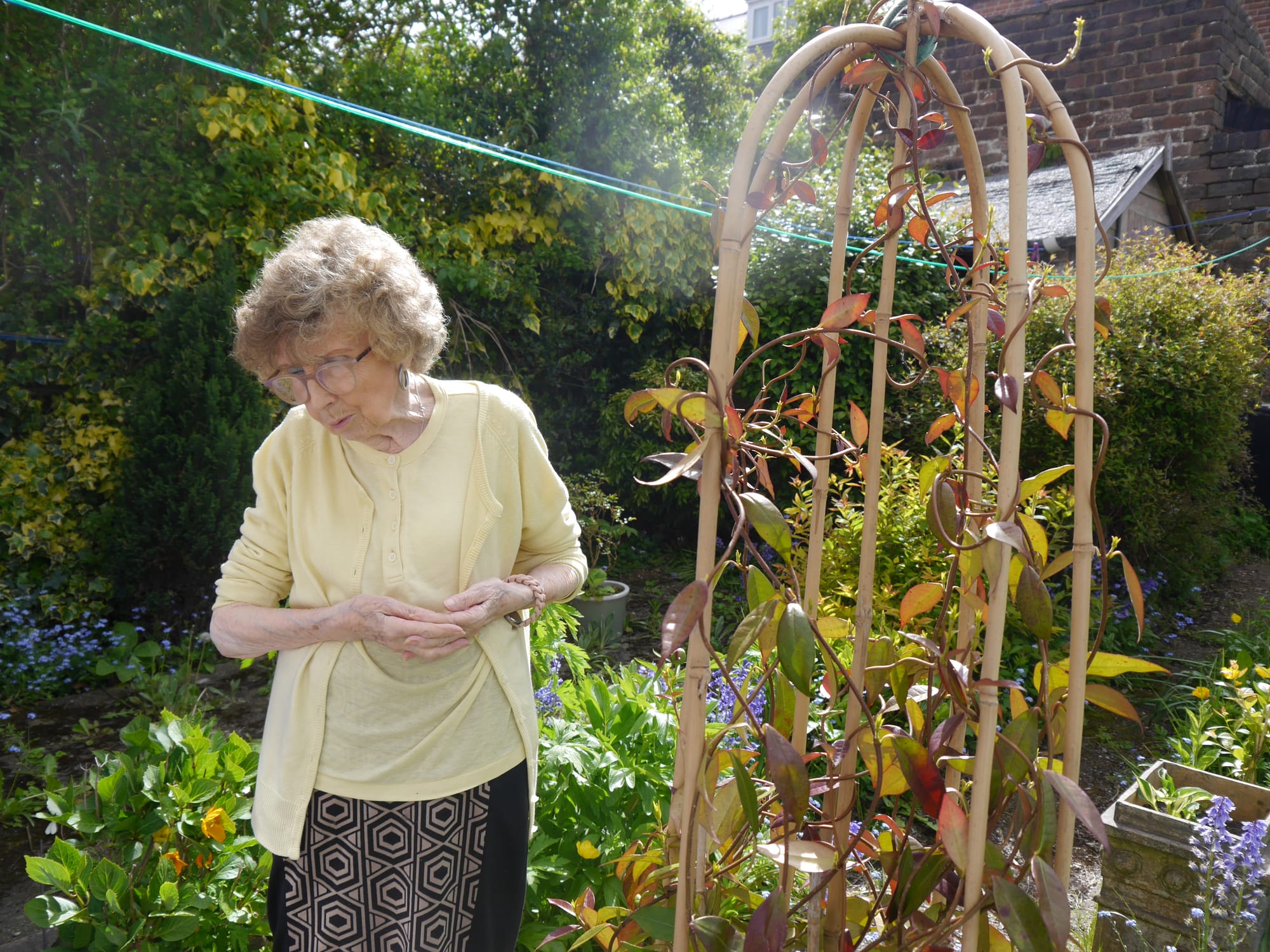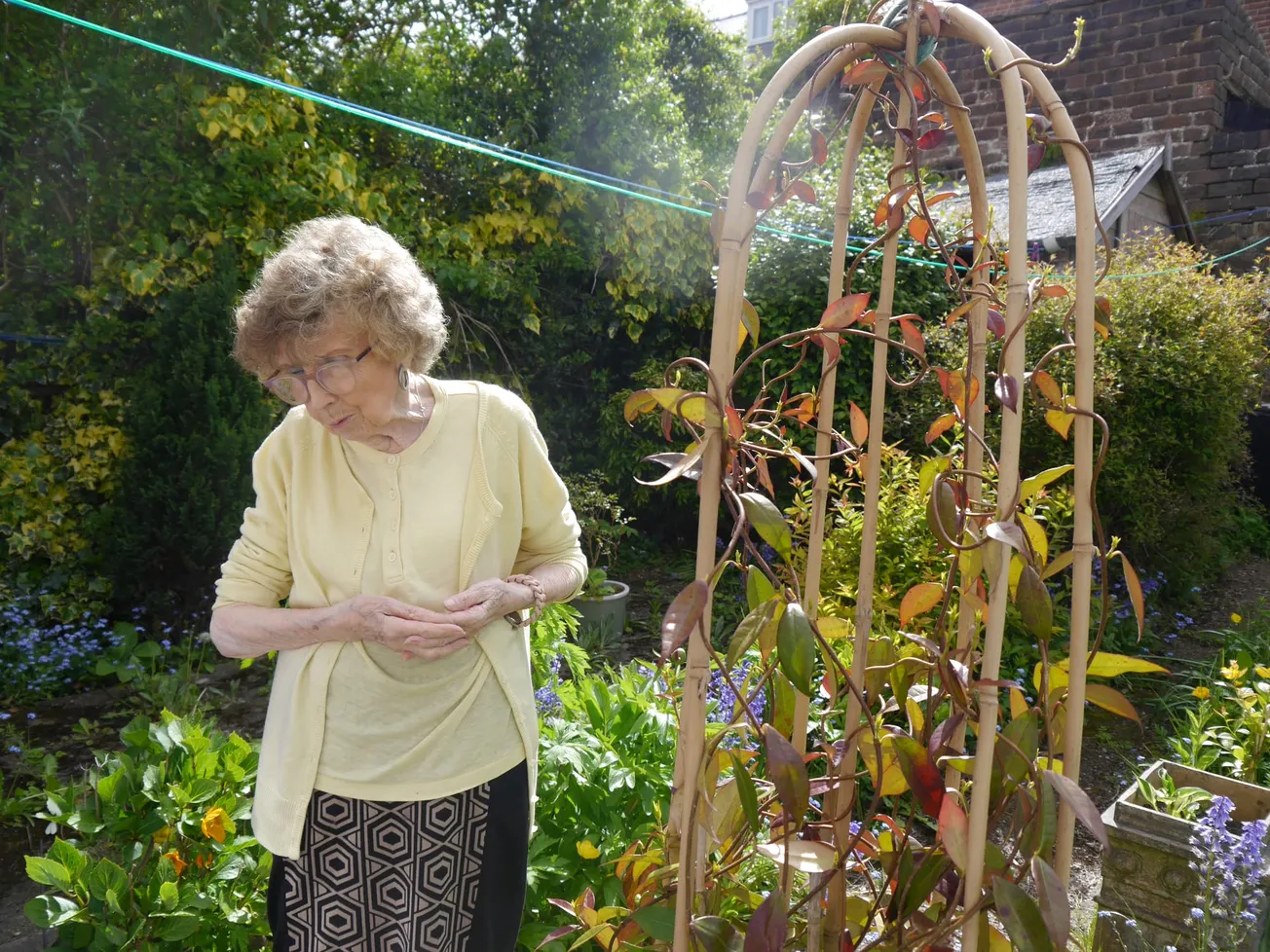
Though it’s a fairly chilly May morning, the room I’m in is sweltering. Eileen Farrell, the self-described “madwoman of Crookes”, has her gas fire turned up as high as it can go, which has me slightly concerned for the safety of the small copy of Prayers on the Death of Pope Francis propped up on top. During our interview, there’s a hissing sound coming from the kitchen — it sounds like the hob, I think, but that can’t be right. On the way out, it turns out it is. “I leave it on to heat the kitchen up, sometimes,” Eileen tells me. “It gets terribly cold.”
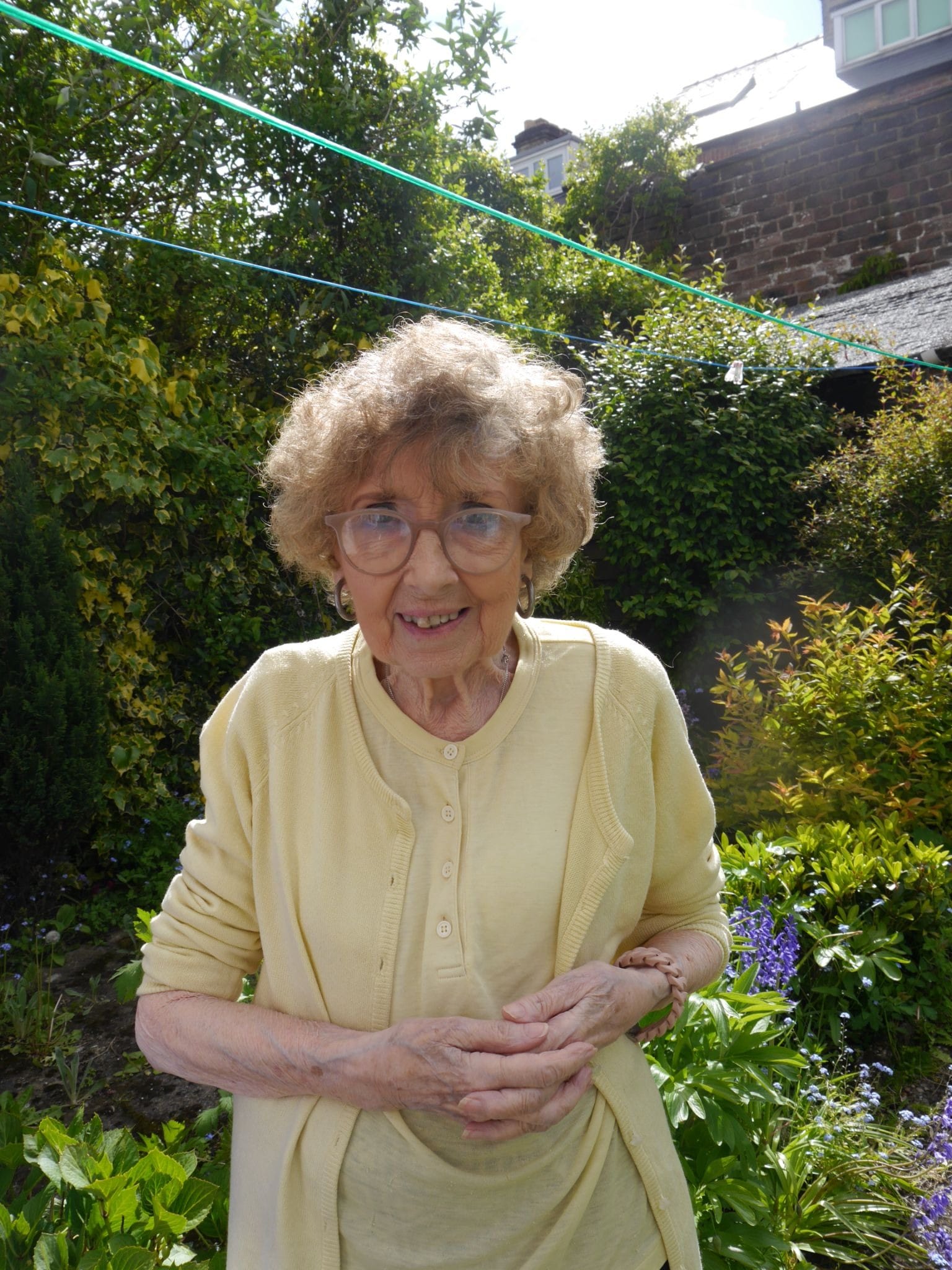
You can’t blame Eileen for this — at 92, many people prefer to stay toasty. But she’s also never let a chill in her bones stop her from making the pilgrimage to Crookes high street every day, in all weathers, to get a few bits and bobs. If you live around there, you might have noticed her. In stilettos, curls, and a leopard print dress, her glamorous get-up stands out among the Patagonia fleeces and dungarees of the new crowd. “I’m the neighbourhood witch”, she chuckles.
A lot has changed in Crookes since Eileen first arrived here from Ireland — not on the back of a broom, but in the aftermath of a catastrophic fire. Decades ago, Eileen knew almost everyone around here, whereas these days the enormous dynasty of which she is the proud matriarch no longer has much hope of being able to afford homes nearby. “Because of all those foreigners,” she broods, then smiles — she’s caught me out again. “From down south.”
According to historical records, the Irish influence in Sheffield stretches all the way back to at least the 14th or 15th century, when an Irish Cross was erected in the city for the first time, possibly by the first Earl of Shrewsbury. By 1827, there were enough Irish immigrants living in Sheffield to justify the creation of an Irish Aid Society.
The biggest influx, however, came later in the 19th century, when the Great Famine forced approximately 200,000 Irish people to migrate to Great Britain to escape starvation. By 1851, the census recorded that almost 4,500 Sheffield residents said they were born in Ireland. Many of them moved to the Crofts area, which soon became colloquially known as “Little Ireland”.
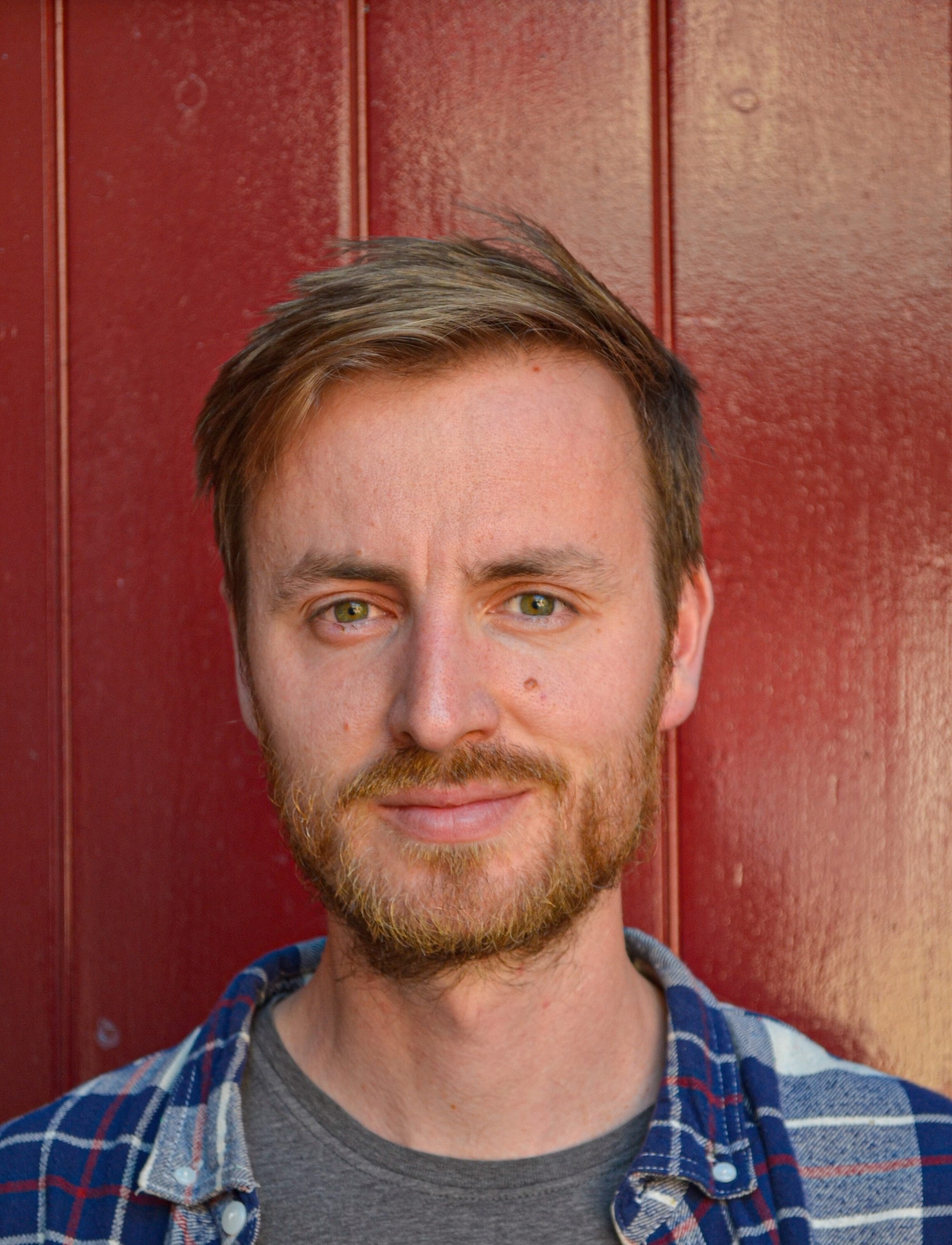
Hi, Daniel here. This is the kind of story we love to cover on The Tribune - people with fascinating stories and a side of Sheffield you might not know about. To get more of these articles, and to read the rest of this story, just sign up for free, here.
In those days, though it was long before she arrived here, Eileen knows Sheffield’s Irish catholics used to attend services at St Marie’s in Norfolk Row. She’s heard her countrymen were forced to stand at the back. By 1856, tired of being looked down on by the English high society, they decided to create a church of their own: St Vincent de Paul on Solly Street. “They built the church and they made it theirs, really.”
Eileen’s family didn’t move to Sheffield to escape the famine, but she was nonetheless brought here by disaster. She was born in 1933 — “A Kilkenny cat”, she adds — and her father John worked as a clerk to the Ponsonby estate, until the big house suddenly went up in flames. There were some that found the circumstances a bit suspicious.
This story is free to read. You just need to sign up to join The Tribune's mailing list. And why wouldn't you? You'll get our journalism in your inbox the second we publish, keeping up to date on this and all our stories. No card details required.
Already have an account? Sign In