Dear readers — The countdown continues. There are now just five days left of our campaign, and we are still more than 200 members short of our target. At the time of going to press, the totaliser stands at exactly 777 new members, leaving us 223 short of our target of 1,000. It’s doable, but needing to get almost 50 members every day is going to be really, really tough. Will we make it? Ultimately, that’s up to you.

This campaign isn’t just about numbers. It’s about making Sheffield a better place by fulfilling the five key pledges to the city we are making below. But it’s never been a foregone conclusion. We’re building something from the ground up and have always said that we will only take on more when we have the members behind us to fund it. If we don't get them, we won't be able to.
Come on people! Time is running out - let's try and get the fab @sheffieldtrib to 1,000 *new* members by the end of June. Subscribe and pay as little as EL ZILCHO for 2x months of quality ad-free local journalism HERE > https://t.co/8GoPtZ8CQt #localnews #TheTribune pic.twitter.com/fPhuUSZCZe
— John Mounsey🛒 (@mounsey) June 16, 2026
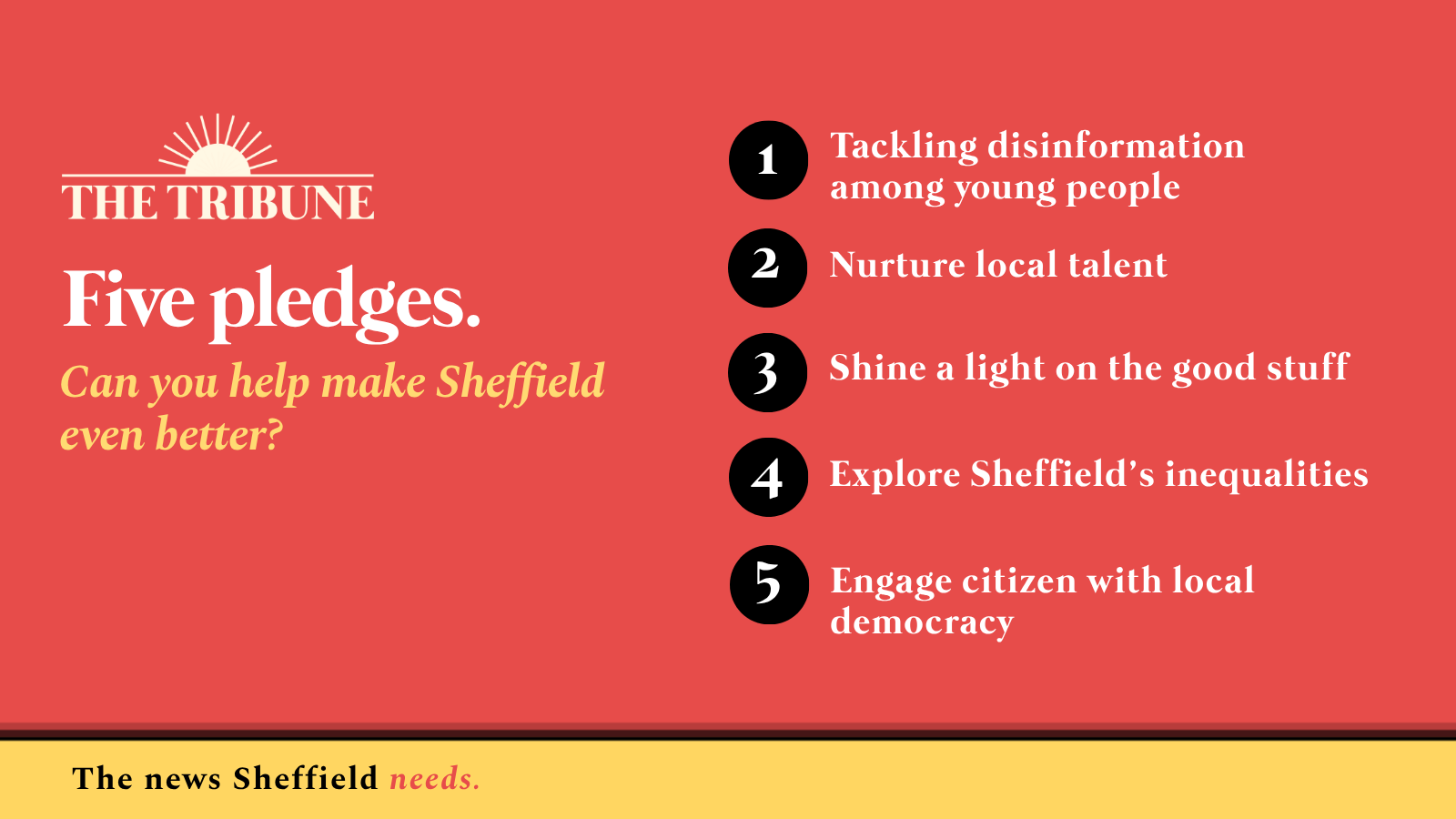
Thankfully, there has never been a better time to become a Tribune member. Yes, we’ve done offers before but nothing like this. You can sign up totally free (or half or full price) to become a full member for two months. At the end of those two months, you can decide to stay, or not. Either way you will have helped make Sheffield a better place. There is literally nothing to lose.
 Dr Alexandra Woodall
Hit that button to sign up, or share us with others — and get us to our big target before time runs out.
So, onto today’s piece. This year marks the 100th anniversary of greyhound racing at Owlerton Stadium. The sport was once only second to football in terms of the number of spectators it attracted, but is now a pale imitation of its former self. There are just 16 greyhound tracks left in the country, and earlier this year, Wales and Scotland banned the sport on animal welfare grounds. Should England follow suit? Dan Hayes went down to Owlerton last Friday night to find an industry under attack on all sides.
Your Tribune briefing 🗞️
🏛️ A man who caused chaos in Sheffield in February 2025 after he claimed that he had explosives in his flat has said he did it because he thought the security services were trying to kill him. Yaqub Younis, 49, is currently on trial at Sheffield Crown Court for communicating a bomb hoax, public nuisance, affray and criminal damage over the incident which led to Park Square roundabout being closed for two days early last year. Yesterday, Younis claimed the reason he told his neighbours and the police that he had “20kg of explosives” in his flat at The Gateway on Broad Street was that he genuinely believed that MI5 was trying to assassinate him. Our piece about the siege of Park Square is here. The case continues.
🥾 A public meeting has been called to save The Blue Loop, one of Sheffield’s most loved and well used paths, amid fears that the council has turned its back on the nine-mile long waterside pathway. The path, which is a combination of the Five Weirs Walk along the River Don and the Sheffield and Tinsley Canal, is currently completely closed in two places. Organisers say they hope the meeting, which will take place at the Library Cafe in Attercliffe on Wednesday, 1 July, will “bring together all those who value this beautiful and useful nine-mile waterside network”.
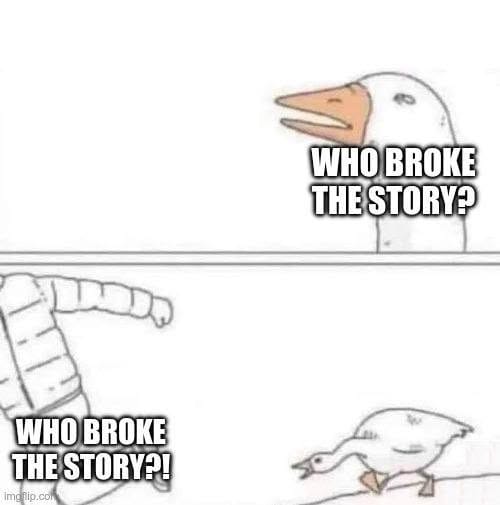
⚖️ There has been another small update in the story of Andrew Milne, the London-based solicitor who has been demanding thousands of pounds from Sheffield homeowners for the leases to their houses. The latest is that the Solicitors Regulation Authority (SRA) has banned Milne from practising real estate law “for the protection of the public”. The SRA update was covered by The Star, who once again failed to credit us for our work in breaking the story, an omission which produced a quiet rebellion on their Facebook comment section. “It’s ok, you are allowed to credit The Tribune for their work. You know they link to The Star when you do good stuff, right?” wrote Peter Copeland, accompanied by the honking goose meme below. Thanks to everyone who stood up for us. You are seen and we thank you.
🎺 England’s first game in the World Cup takes place tonight against Croatia, and if you listen carefully you will probably be able to hear someone from Sheffield in the crowd. Trumpeter John Hemmingham, 63, has led the England Band since 1996, when he was invited by the FA to form a supporters’ band for Euro 96, and claims not to have missed an England game since. In this piece in Dispatch, Emmingham takes the reporter to — where else — the Old Horns Inn in High Bradfield, for a chat about his 30 years as England’s most famous trumpeter. The piece is free to read but you do have to register.
⚽ If you haven’t decided where to watch the game yet, there are loads of options to choose from. In Sheffield city centre, your best bets are the Cambridge Street Collective and Kapital in the Heart of the City area, BOX on Barker’s Pool or the Common Room on Division Street. Elsewhere, the Abbeydale Ballroom is showing the game at an outdoor fanzone, while The Pearl at Park Hill will be selling £4 pints at all England (and Scotland) games.
Is Owlerton going to the dogs?
By Dan Hayes
Ronnie Coe has been coming to greyhound racing at Owlerton Stadium for 72 years. Now 86, he’s here tonight with two old friends, walking the few short minutes from his home in Hillsborough to the stadium. Do you come every Friday, I ask him. “Every Friday?” chirps in Ronnie’s mate Tom, 87. “Every Saturday and every Sunday as well!”
Ronnie married into Sheffield greyhound royalty: his wife was legendary greyhound trainer Ted Brennan’s daughter. Brennan had come to Sheffield from Ireland with his five brothers and founded a greyhound racing dynasty. “They brought up seven kids and every one of them were a gem,” says Ronnie, speaking of his saintly in-laws. “If they were dogs they'd have been A1. I was the luckiest man in the world.”
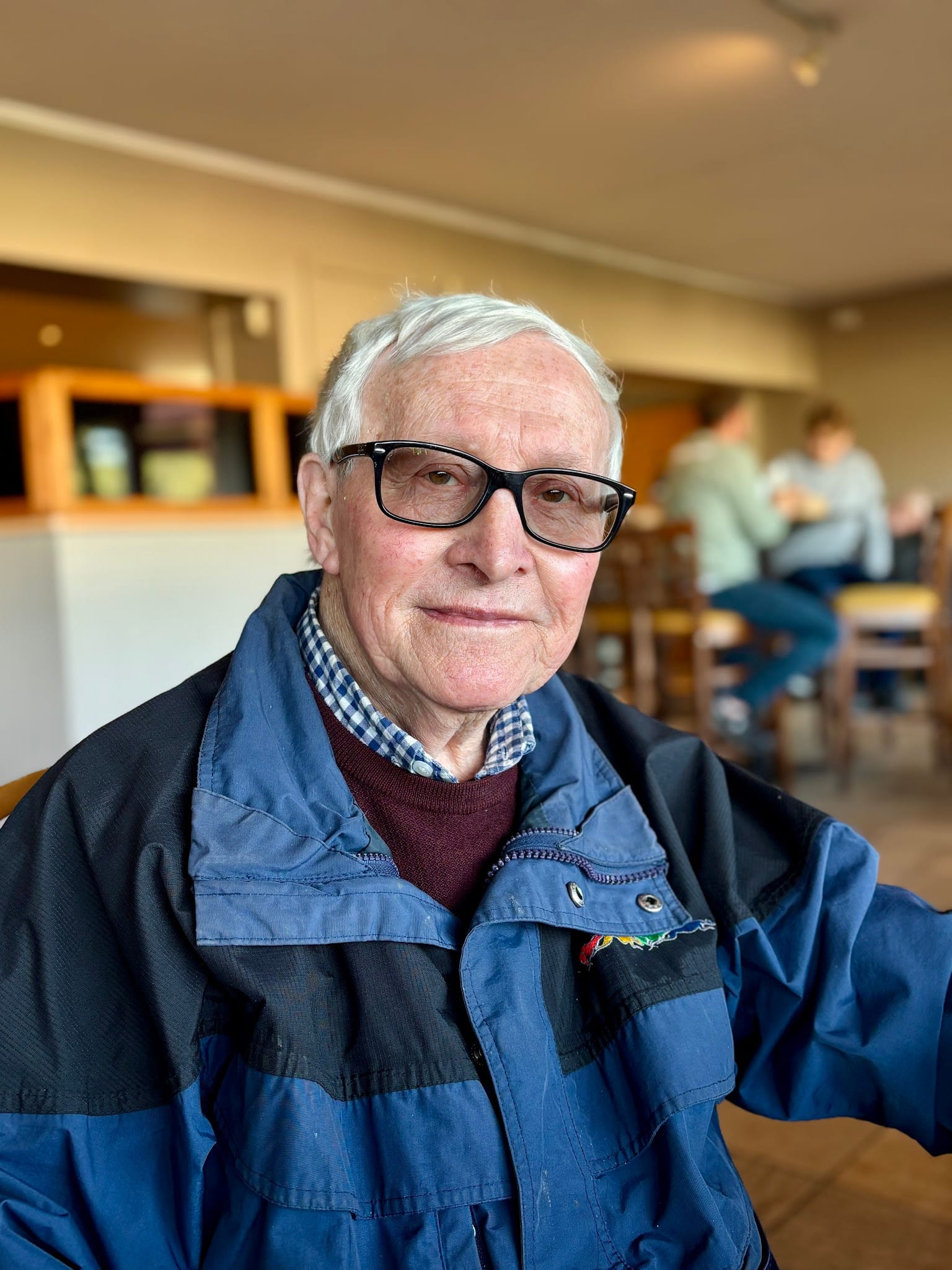
It was his future father-in-law who got him a part time job at Owlerton when he was just 15. For 10 shillings a week, Ronnie used to wash the dogs’ feet after they had raced (at the time, the dogs used to race on grass, rather than fine sand, meaning mud would build up on their paws). After his foot-washing apprenticeship had been served, he graduated to parading, followed by the traps, and finally onto starting prices. “I didn’t have a clue,” he says of his attempts to work out odds when he first started. “I figured it out in the end though.”
The early 50s, when Ronnie started going, were the sport’s glory days. He remembers thousands of people cramming into Owlerton Stadium. “It used to be packed — an unbelievable atmosphere,” he says. Now, he says the sport is a pale imitation of its former self. In January 1947 there were 77 tracks licensed by the National Greyhound Racing Society. Now, there are just 16.
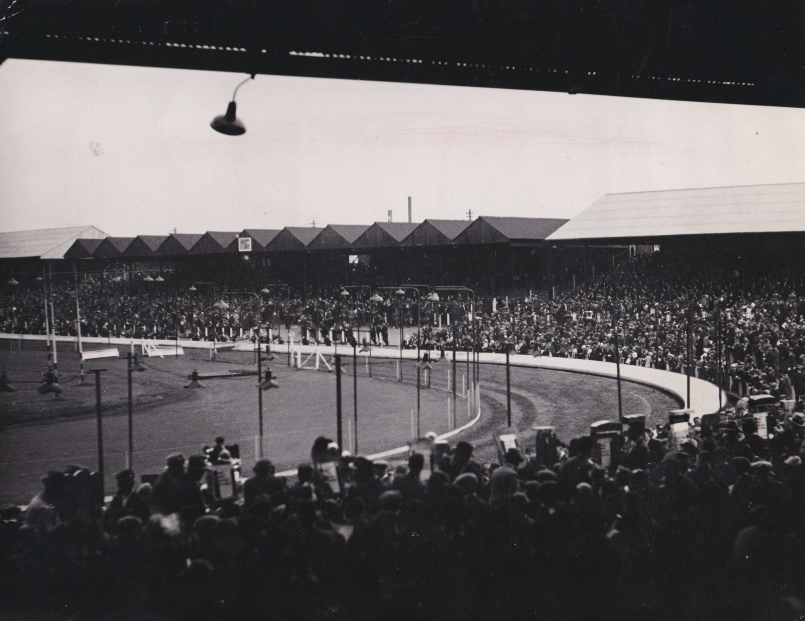
There were three tracks in Sheffield alone at one point: Owlerton, Darnall and Hyde Park. Just Owlerton remains. Ronnie lays the blame for the sport’s decline at the door of the all powerful off-course bookmakers. With a country-wide gambling public eager to bet as often as possible, bookmakers want there to be as many races as possible, meaning Owlerton now has races five days a week. However, according to Ronnie, this has both diluted the quality of what is on offer and made it less about the spectacle of dog racing and more about making money from gambling. “There are too many races,” he says. “Everything is done in the interests of the bookmakers. They have ruined it.”
Competition from other sports, the proliferation of things you can bet on, and tracks being sold off for development mean the sport is under threat on all sides. And recently, it’s found itself in the sights of animal rights activists, who want to see it stopped. If Owlerton is anything to go by, soon there may not be much left to ban.
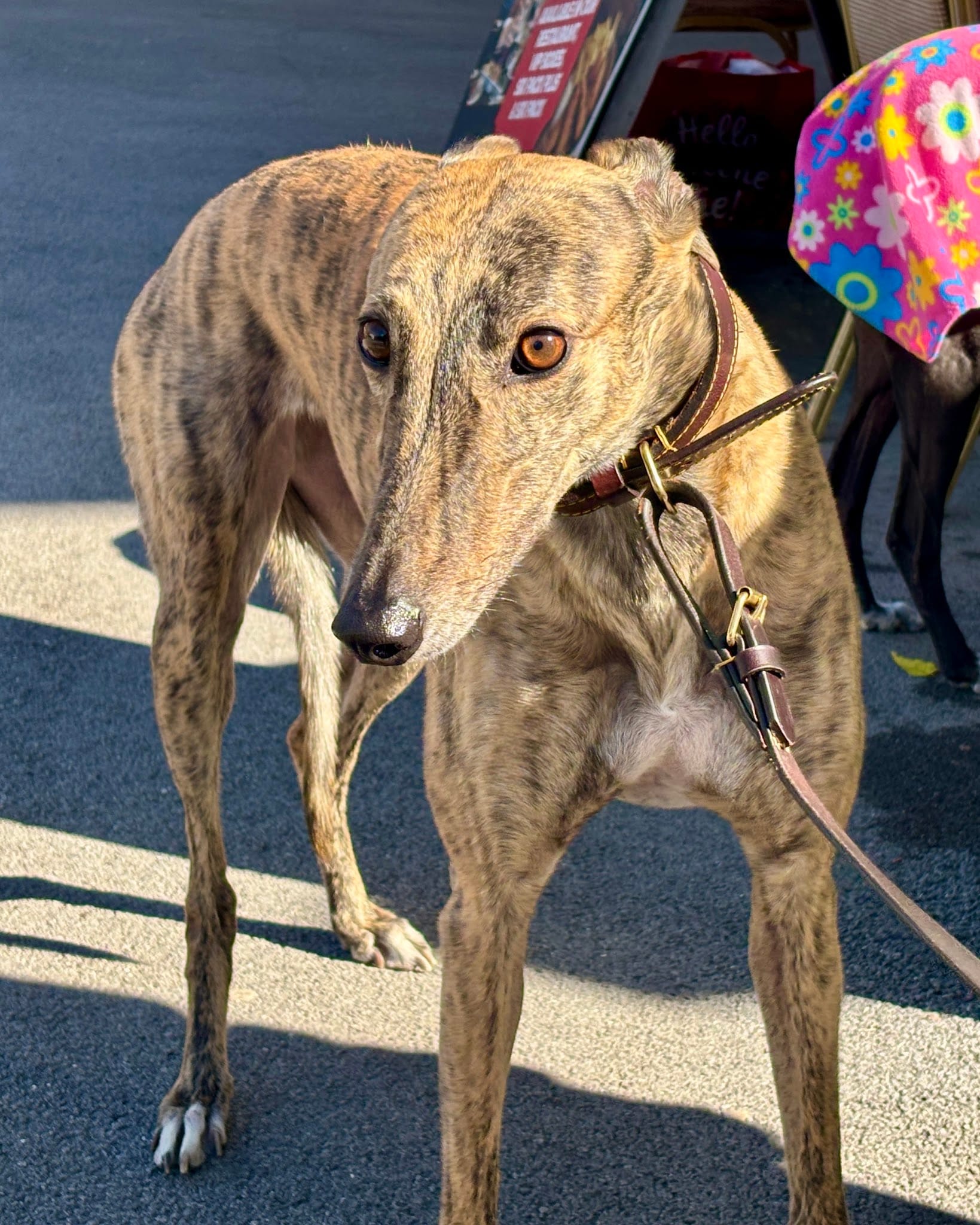
As I’d walked through the turnstile earlier, I’d bumped into Remy, Ralph and Ivy. No, not punters but former racing dogs from Sheffield Retired Greyhounds charity. While Remy and Ralph have brindle coats, Ivy is jet black. All three have the slightly alien look of an animal bred for one purpose alone: to run. As the volunteers from the Wortley-based charity shake their buckets for donations, they explain that they rehomed 200 dogs last year. And, perhaps sensing one of the reasons I’m here, they are keen to stress that accusations the industry is cruel are wide of the mark. “They are tret like kings, no matter what anyone says,” says one.
Inside the stadium, a handful of spectators mill around the open paddock area, while three on-course bookmakers get ready for an evening’s racing. The crowd is a mix of ages and genders. A couple of groups of lads sink pints and laugh uproariously, while middle-aged women with tattoos totter about on their heels. But there are also families there, grandads with their grandsons, a woman with a pram. You can spot the gamblers, biting their lips nervously as the dogs get ready to race.
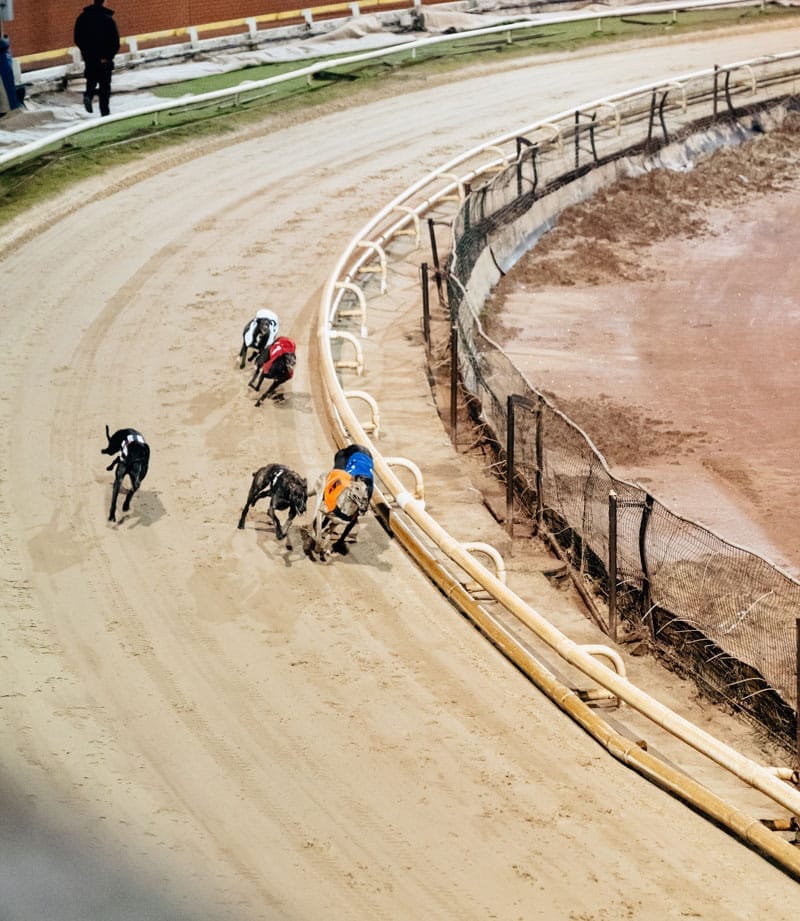
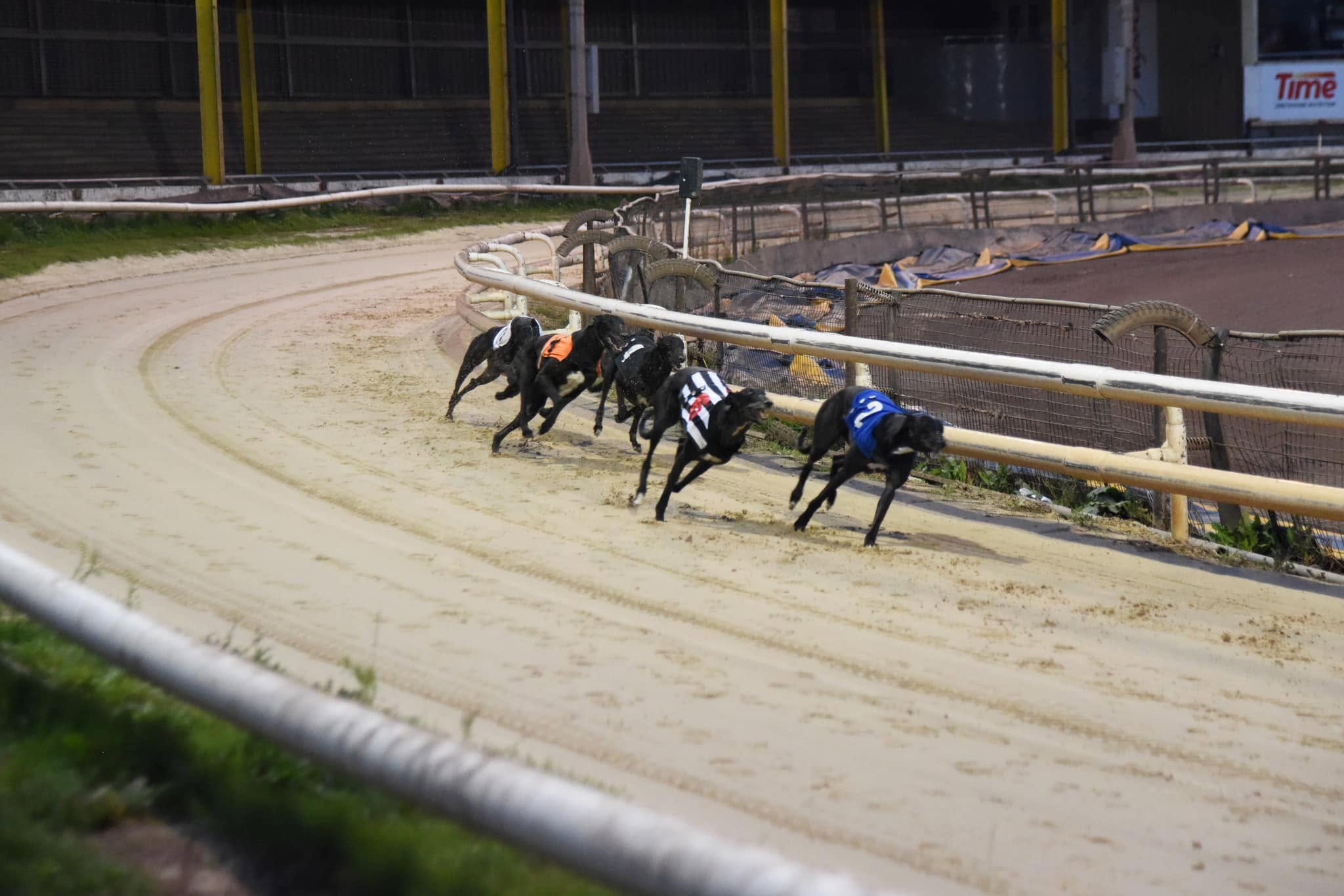
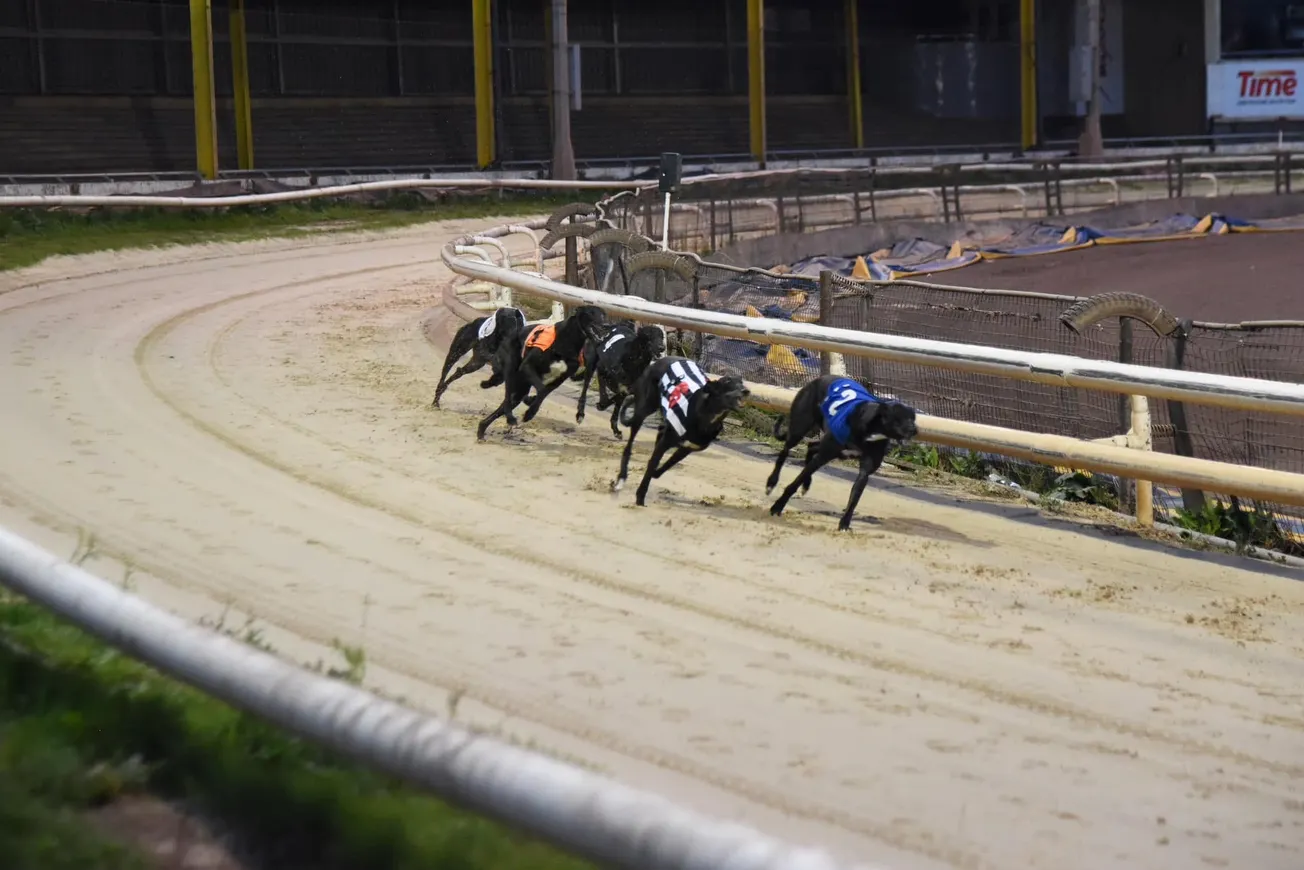
By the time the tannoy announces the first race at 6.18pm, there are around 50 people in the stadium. Royal Ascot it is not. However, as the dogs are released from the traps, a buzz and a sense of excitement grips the crowd. The race itself is over in less than a minute, the dogs a blur as they chase the mechanical hare that always stays just out of their reach.
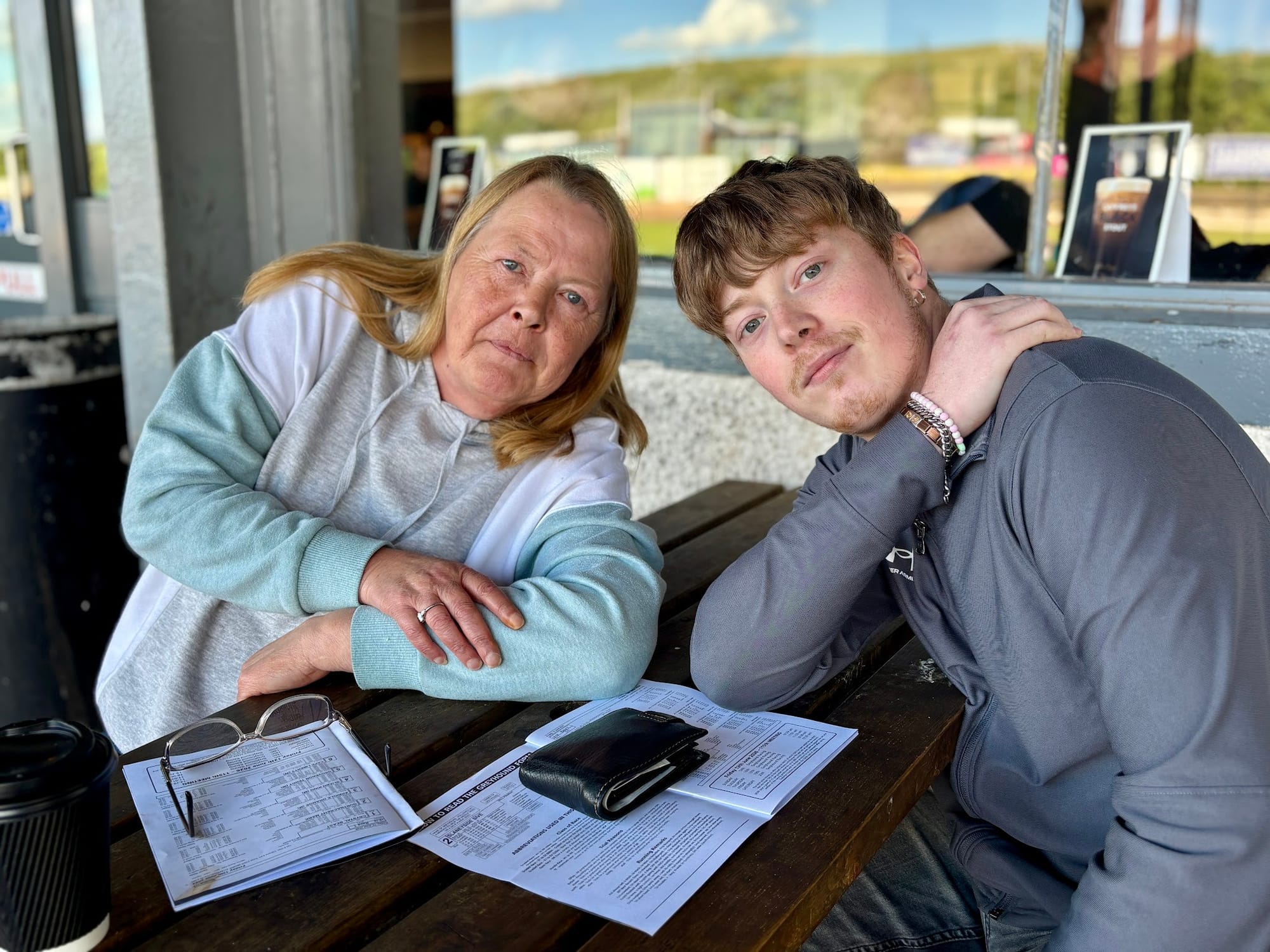
Mechelle Barnett, 60, has come from Barnsley with her son Luke, 20. She’s not a regular but enjoys both the spectacle of the races and having a flutter from time to time. A few years ago her daughter brought her here for a meal but she prefers it where she is today in the paddock “with the peasants”. After she talks me through her foolproof betting strategy (always back number 5), I ask her whether she has concerns it might be cruel. “This is what these dogs are made for,” she says. “If that’s what the dog wants to do, then let it do it.”
Not everyone agrees. I call up Kate Hudson, 46, from Deepcar, who regularly protests outside Owlerton with Stop Sheffield Dog Racing. She reels off a list of statistics off by heart. In 2024, she tells me there were 123 deaths and 3,809 injuries of racing greyhounds in the UK, while 3,333 were given up to rehoming centres. Of the latter cohort, Kate says that many are difficult to rehome and some end up being put down. “Not many make it to a forever home and a nice fire,” she says.
A major national protest is due to take place next month to mark the 100th anniversary of dog racing in the UK. The campaign is hoping to capitalise on the momentum elsewhere, after legislation was brought forward in Scotland and Wales to ban the sport. “Everyone thinks the dogs are loving it and living a charmed life but that is not the truth,” she says. “No one wants to think that their money is supporting animals being raced to death but that is what happens.” Lisa Nandy, culture secretary, appears unmoved, saying recently: “We have absolutely no plans whatsoever to ban greyhound racing. We appreciate the joy that it brings to many, many people in our country and the economic contribution that it makes.”
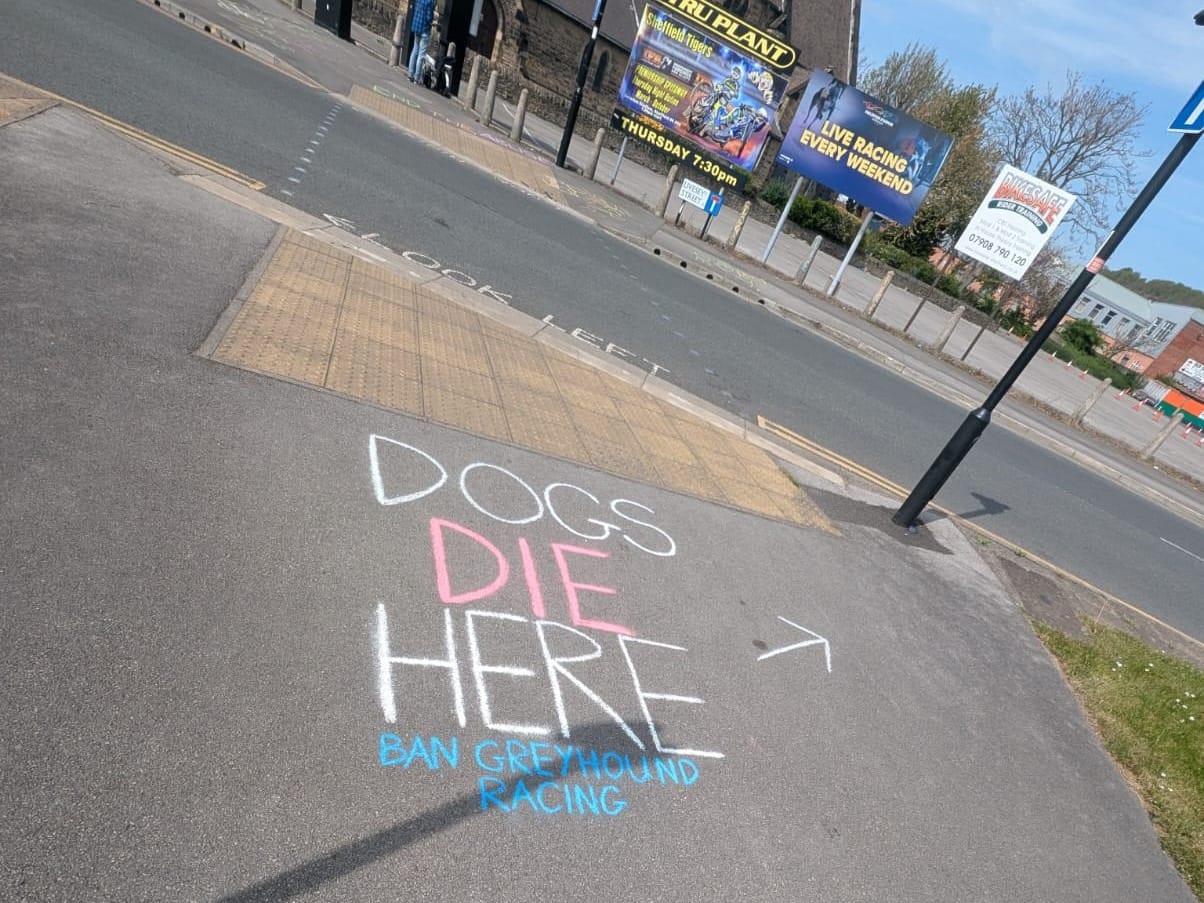
When I ask Hudson if she's worried that by protesting against historic working class pastimes like horse racing, dog racing, and even fishing, animal rights activists can come across as killjoys she’s not bothered. “We believe animals have a right to a happy life and shouldn't be bred for human entertainment,” she says. “If that’s woke then so be it.”
Back at the stadium, I chat to two on course bookmakers. John Wallace started coming to Owlerton as a fan when he was just 15 years old. He is now 73. The year he started coming down, 1967, was one of the most famous in Owlerton's history. At the Greyhound Derby in London's White City Stadium, two Sheffield dogs from the same litter placed first and second — with Tric-Trac beating his own brother Spectre II.
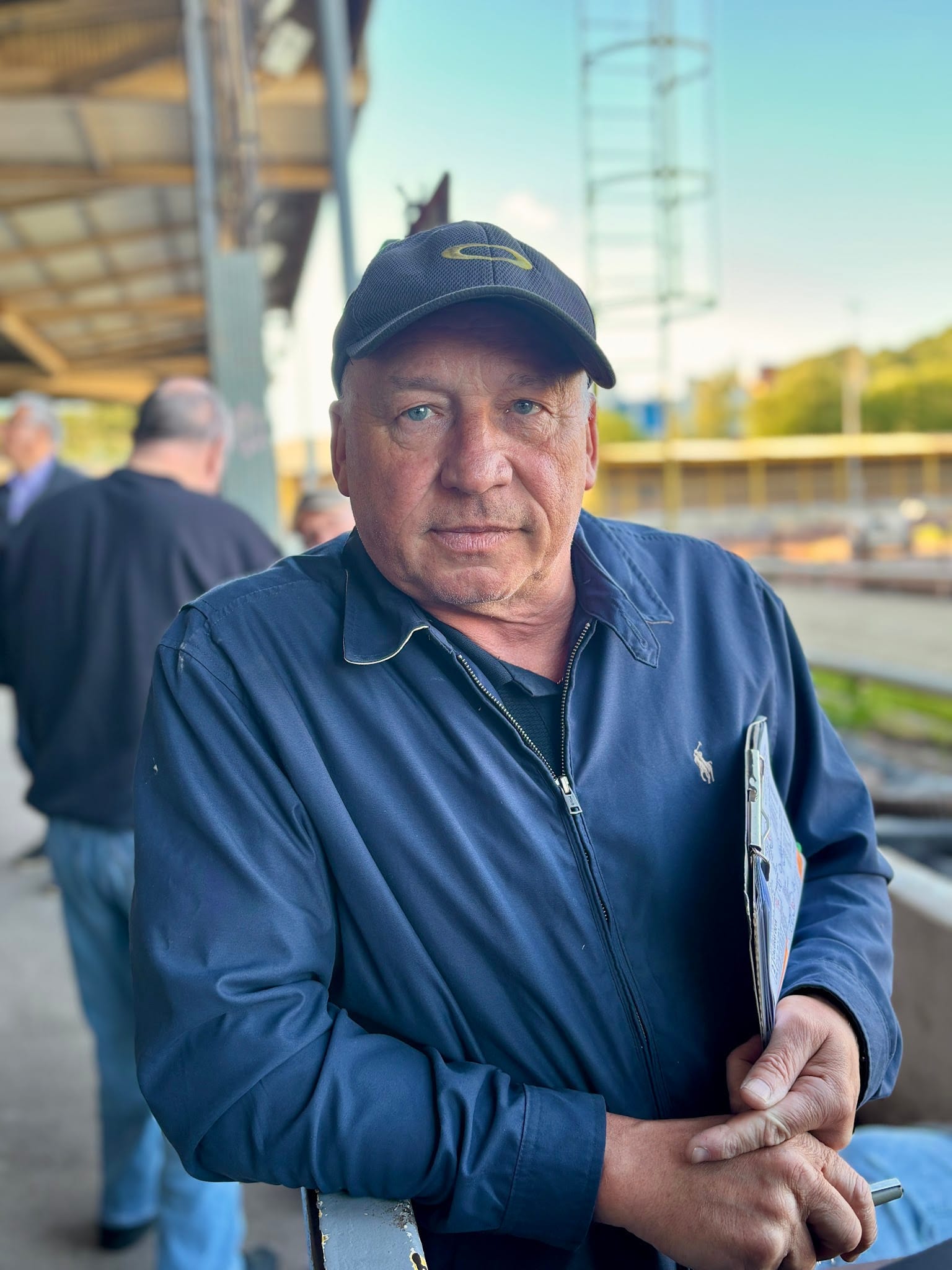
Like Ronnie Coe, Wallace bemoans the fact that the sport is run in the interest of the betting industry to the detriment of the experience at the track. But he says that many tracks wouldn’t survive without the lucrative contracts they have with bookmakers. As for the protest groups, as someone who has owned racing dogs himself, he rejects claims that the sport is cruel. “They get really well looked after,” he says. “It's like with the horses, they get fed better than us.” But he does acknowledge that injuries are part and parcel of greyhound racing, as they are with all sports. “They are fragile animals and they are moving at a fast speed, so you are going to get injuries,” he says.
When I ask him who poses the biggest threat to the sport, it’s not animal rights activists he points to, but developers. Belle Vue in Manchester was once the busiest track in the country on a Saturday night, he tells me. But it closed in 2020 to make way for almost 400 new homes. “There’s more money to be made building houses on them,” he says. And with growing housing pressure in Sheffield, the odds of Owlerton following the same path are short. “I wouldn't put money on it being here in 10 years.”
Thanks for reading. Sign up to get more from The Tribune and pay what you want for two months. You’ll get us to our target and unlock our five big pledges for Sheffield.