Today's story comes on the back of one of the biggest concerns we've heard from readers: young people not getting accurate information, or even help to work out what is true.
We've made it our first pledge to tackle this issue if we can hit 1,000 new subscribers with our campaign. Join us and get us there.
It is the early 2000s, I am approximately six years old and misinformation has taken root at my primary school. One of the most in-demand toys of the moment is the Alien Egg: a sticky, stretchy alien inside an egg-shaped shell, which was purchased seven million times in 2004 alone. Many of my fellow students, my older sister chief among them, are absolutely adamant that these aliens can be coaxed into giving birth.
This strikes me as incredible, but not implausible. After all, the world has already proven itself to be a bewildering place. It has not been that long since I was dragged to the Millennium Dome in Greenwich and coaxed into exploring the Body Zone, an enormous model of the human body housing several animatronic exhibits and a strong ambient aroma of piss. In a universe where it is possible to take an escalator and be confronted by the sight of an immense, beating human heart, why shouldn’t a plastic alien give birth if I leave it in the freezer overnight?
After some fevered experimentation and extreme disappointment, it becomes clear to the children at my school that we have been misled. The collective conversation moves on, with very little harm done. At worst, some parents have been baffled to find a toy alien in their freezer drawer and my sister is briefly pilloried for her part in the deception, a shame she bears to this day. Many of us learn to be more sceptical going forward.
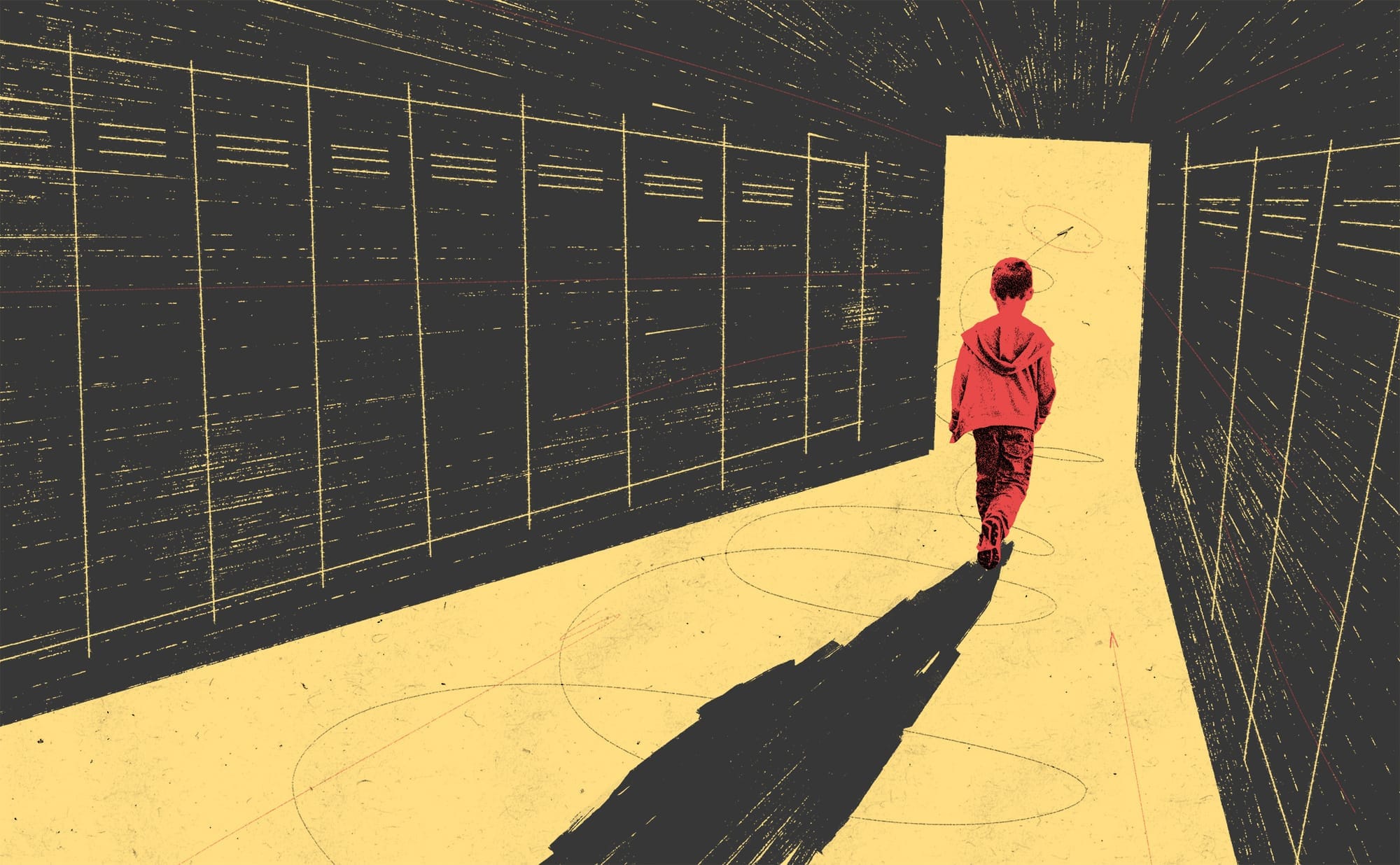
Fast forward two (and a bit) decades and misinformation in schools is a far more common problem, with higher stakes. “I do worry about what some of the kids are absorbing online,” a teacher at a school in Worksop tells me, before adding: “mainly the boys.” Sometimes, the views they parrot seem ridiculous but mostly harmless; one boy apparently objected to having to learn about space because “it’s all filmed in a studio”. However, this teacher had only been in his current job a few months before he had to arrange a meeting with one boys’ parents, in order to discuss the alarming things he had been repeating in class.
As demonstrated by the allegations of immaculate conception among plastic aliens at my school, children being taken in by falsehoods is nothing new. What has changed since the early days of the internet — when my knees didn’t yet crack when I stood up — is how far and fast rumours can travel. “The problem is we have very little control over how information spreads on the internet because it’s dictated by company policies intended to maximise profit,” says Dr Carolina Scarton, a senior lecturer in Computer Science at the University of Sheffield, who researches online misinformation.
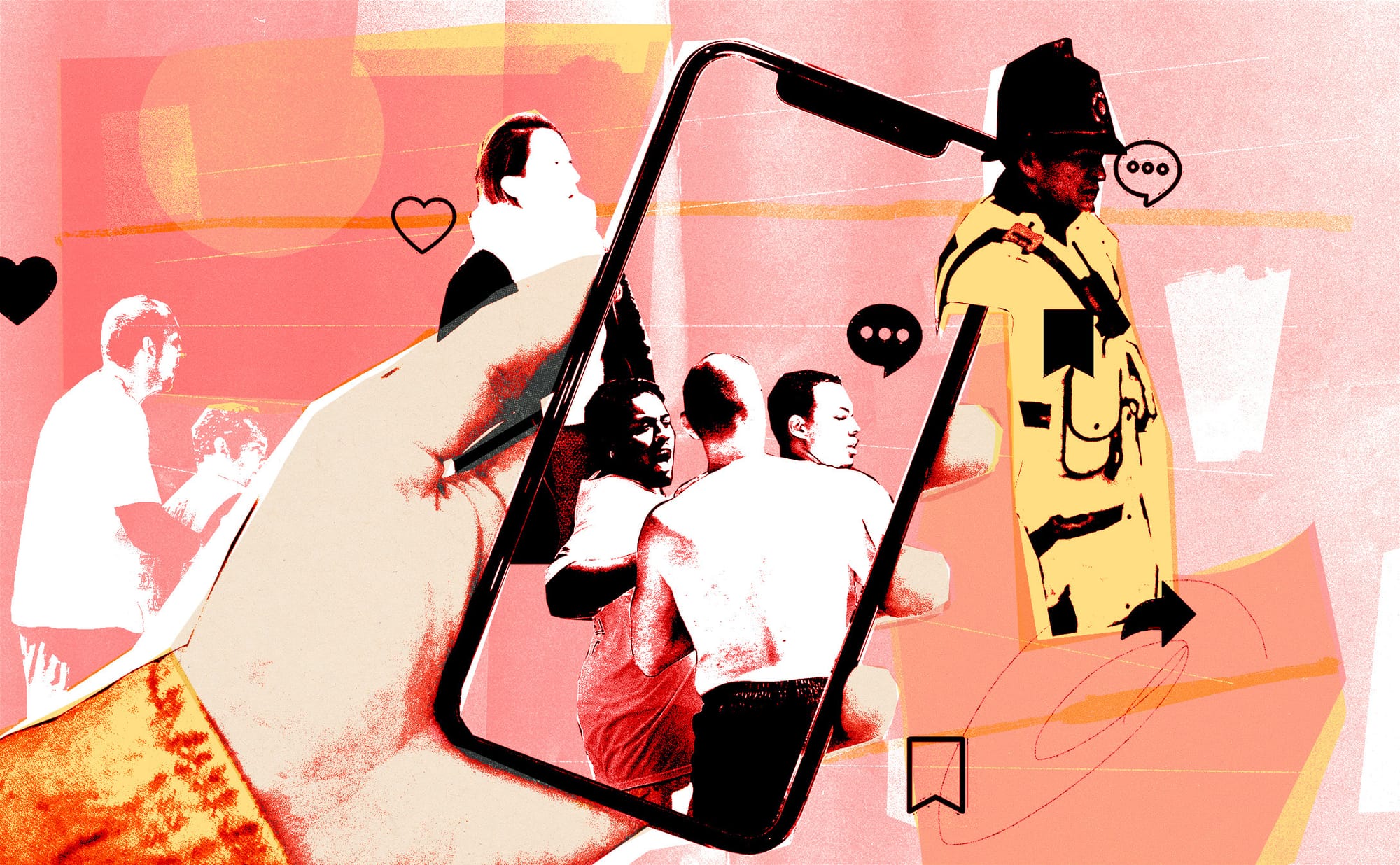
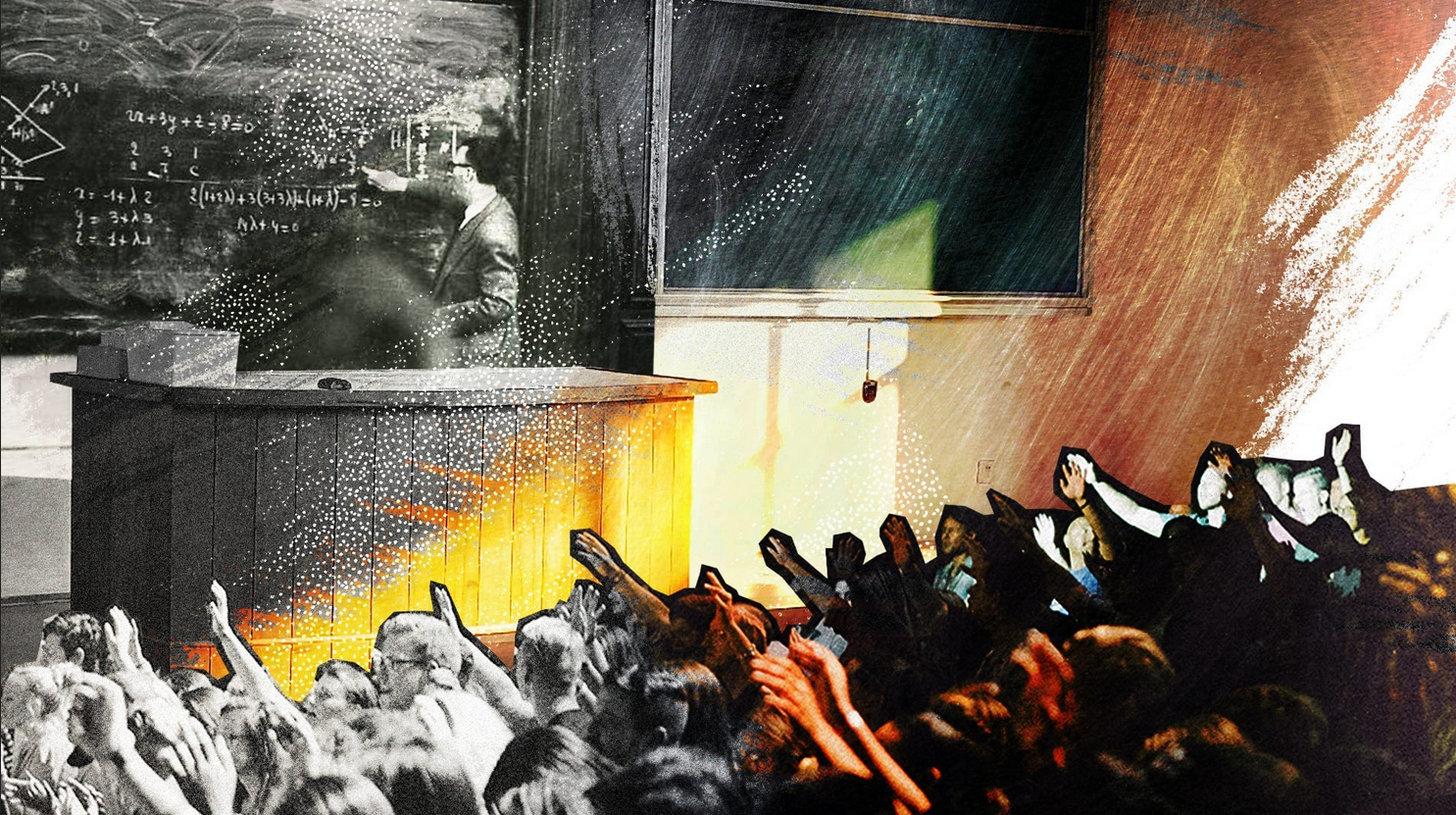
Early social media sites presented users with content posted by their friends or people they chose to follow. These days, thanks to a shift towards social media sites powered by algorithmic feeds — such as the “For You” page on TikTok or the endless scroll of Instagram reels — young people are being subjected to posts from all over the globe, even if this isn’t always made clear. Earlier this month, charity Full Fact revealed that several Facebook pages using AI-generated images to spread fake stories about British politicians — which had names such as “Britain Awakens” and “British Affairs Review” — were actually managed by users based in Vietnam.
At the same time, there has also been a shift in the kind of incentives powering the spread of misinformation and disinformation. (As explained by Dr Scarton, the former term generally refers to inaccurate information shared unknowingly, whereas the latter term is used when people deliberately spread untruths.) Back when my sister lied about the possibility of alien propagation, she was presumably motivated by a desire for attention. Even in cases where rumours spread for more malicious reasons, there was usually a comprehensible agenda.
In the current attention economy, however, the users spreading misinformation might actively disagree with the lies they’re helping to share. As long as enough people are taking notice, it’s still worth their while. Earlier this month, The Bureau of Investigative Journalism interviewed the user behind several accounts pushing inflammatory AI-generated videos to UK audiences, all with a distinctly Islamophobic bent. In one, a convincing likeness of Prime Minister Keir Starmer stands in front of 10 Downing Street and describes “crazy violent Muslim immigrants” as “the bedrock of our society”.
However, as TBIJ revealed, the user that posted this video is a devout Muslim man based in Pakistan, motivated by the payout he receives from Meta for creating viral posts. Just one of his Facebook pages, he told reporters, earned him the equivalent of around $1,500 dollars a month. A recent study that Dr Scarton participated in demonstrated that it is shockingly easy to generate huge reams of disinformation, in multiple languages and targeting highly specific demographics, using freely available AI models such as Grok.
A teacher at a school in Grenoside tells me that there are signs that politically-motivated content like this is reaching her students, even those she doubts are seeking it out. “There are a couple boys in Year 10, who I wouldn’t say are that politically engaged, but seem to have very, very strong views on Keir Starmer.” She’s noticed some students repeating things with a surprising amount of conviction. “They’re not curious how adults will react, they feel very confident in what they’re saying.”
Ben Smith, a science teacher at Longley Park Sixth Form, is confident that none of his students are “falling into the trap,” at least based on the conversations he’s had with them. “They all seem pretty aware that misinformation is a thing,” he says. “I think they have a sense that everyone is trying to pull the wool over their eyes, so they tend to be a bit more aware.” While he suggests part of this may be down to teaching slightly older students, he also wonders if the fact that his college is “very multicultural” might be a factor. “A lot of my students have relatives overseas, which perhaps means they’re more exposed to the idea that they’ll hear something different depending on where they get their news.”
When I ask Dr Scarton if she believes younger generations are more or less susceptible to being fooled, she tells me it could go either way. “On the one hand, they have more awareness of the internet because they’re so immersed in it,” she says. “But, on the other hand, because they are more immersed, they are exposed to more of what’s online.” As she points out, even the young people not being taken in are being changed by how rampant online misinformation has become. “What we often see with young people is that they’re becoming increasingly sceptical of everything,” she says. “That has a very weird impact on how they will go on to shape society.”
This increased suspicion is definitely something the teacher in Worksop has noticed among his students, particularly when it comes to the provenance of images. As an art teacher, he’s printed out famous paintings for his students on multiple occasions, only to have them insist they’re AI-generated. “I had a Year 9 say a Van Gogh was AI and that there was no point drawing it because you could use Chat GPT and get the same effect.”
The far more concerning problem is the inevitable minority of students who are not sceptical enough. The teacher in Grenoside says she can clearly see some young people being sucked into the virtual world, leaving them highly vulnerable to being warped. “There’s a handful of students I can think of that are frankly addicted to their phones. They would rather go through the school’s entire behavioural process and end up getting suspended than surrender their phone when a teacher asks for it,” she says, adding: “They’re not just looking at fun memes.” Fairly recently, one of her Year 10 students was proudly using violent misogynistic language in front of her, announcing that he was going to hit his girlfriend.
The teacher in Worksop tells me the influence of the so-called “Manosphere” is by far the biggest concern at his school. In a scene that wouldn’t seem out of place in the miniseries Adolescence, he tells me he had to call one 11-year-old’s parents into school for a meeting, after their boy repeatedly declared that Andrew Tate was his role model. “They were shocked because apparently he never mentioned Tate at home,” the teacher says, “although they did say he was in his room all the time. It needs tackling sooner rather than later because it is getting a bit extreme; he keeps glaring at my female colleague and he’s always questioning any instructions she gives him.”
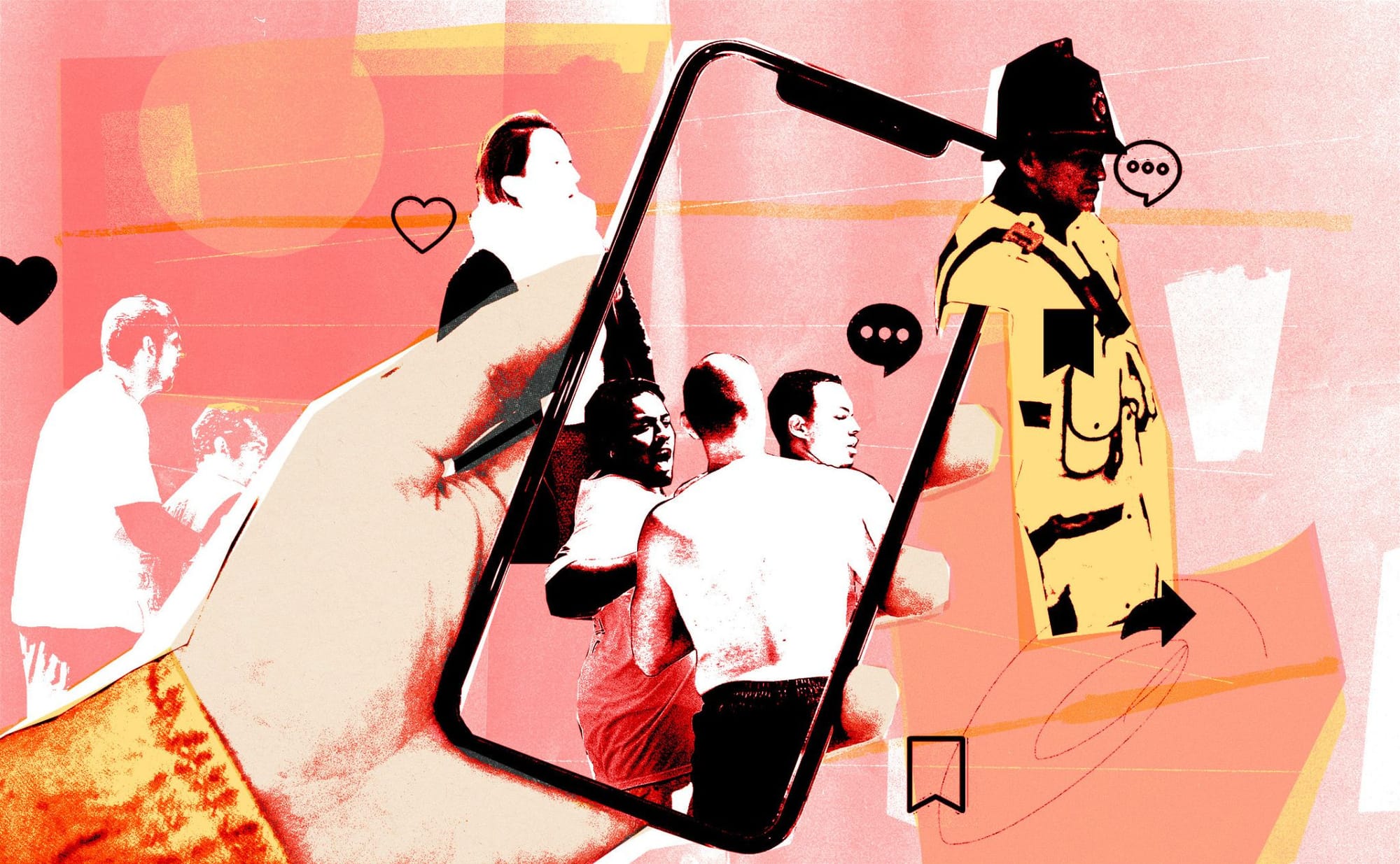
Neither teacher feels their school is doing enough to counteract the growing threat of online misinformation. The teacher in Grenoside says that her school often seems resistant to creating assemblies on politically charged topics, which could help to address some of the misinformation students encounter online, for fear of “inflaming too much debate”. Similarly, the teacher in Worksop says his form group receives sessions on topics like finances and personal hygiene, but nothing on media literacy. Both seem tentatively supportive of restrictions on under-16s accessing social media, a crackdown the government is expected to announce within weeks.
In Dr Scarton’s view, however, banning under-16s from using social media entirely — one of the more restrictive options under consideration — would be a terrible idea. “With everything that you see online I can understand why parents are concerned but, personally, I think such measures are not the way to go,” she tells me. “If you tell kids they can’t go on social media, that’s exactly what they will do.”
Instead, she argues, we should look to the approach taken by Finland, where media literacy and critical thinking skills have been part of the national curriculum for the last decade. The topic is woven into all of the typical subjects children study; in maths lessons, for example, children are taught how easy it is to manipulate statistics. These curriculum changes were introduced by the Finnish government in 2014, the year it became clear that "Russian troll factories" were targeting the country with fake news stories.
“I’m a big advocate for sessions on media literacy or AI literacy in schools,” Dr Scarton tells me. While she remains optimistic that the war against misinformation can be won, she feels young people need “to be treated as responsible future adults” and given the tools to arm themselves, rather than be excluded from the internet because they’re too young. “We need to prepare kids to become their own factcheckers.”
We don’t need to wait until the UK government catches up with Finland to make a difference. We want to help Sheffield's schoolchildren, which is why the first pledge in our campaign is to work with schools to teach children how to sift fact from very convincing fiction. If we hit 1,000 new members we'll have the resources to do it. We're 200 down, but still have another 800 to go.
Join today to make Sheffield better.
Things to do 📅
Friday
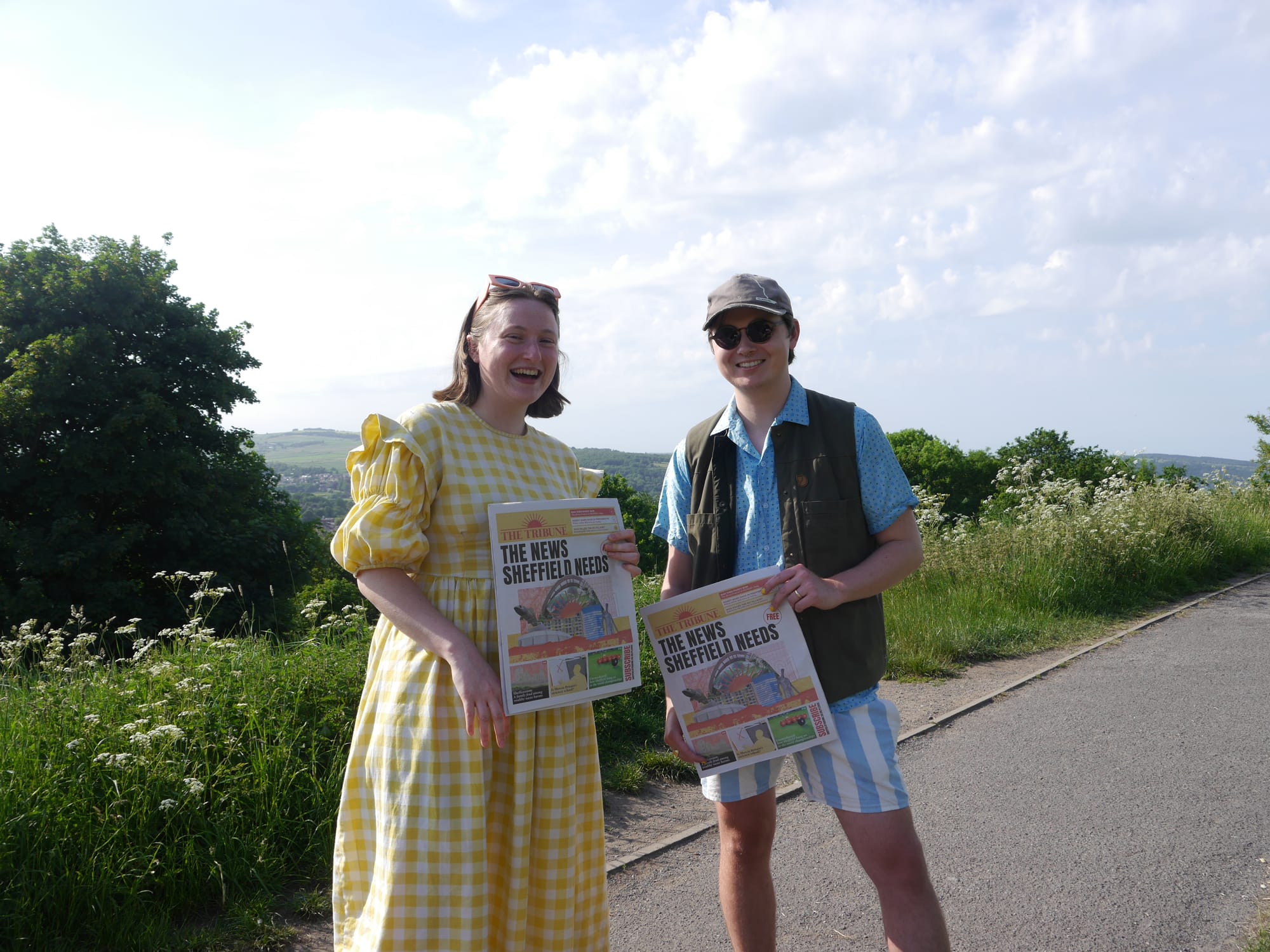
We've been hitting Sheffield's parks this week, providing fresh copies of our lovely print edition! Come see us tomorrow at Meersbrook Park, from 12.30pm to 2pm (look out for the Tribune caps).
Saturday
🌳 Sheffield Environment Weeks is still on with dozens of events planned across the city until 14 June. This Saturday, you can pick from a conservation session at Parkwood Springs, plant sales at Walkley Bank allotments and Greave House in Stocksbridge, and an event to mark the centenary of the opening of Graves Park at the park’s Rose Garden Cafe. Sunday also sees an open day at Wortley Top Forge. For a full list of all the events taking place, see the website.
Sunday
👾 This weekend is your last chance to take part in The Big Sheffield Build at the National Videogame Museum. The museum and Sheffield DocFest have teamed up with Minecraft artist Adam Clarke to create Sheffield in Minecraft, block by block, and they need your help to build it! Grab your pickaxe, choose your blocks and join them to add your own build to our Sheffield inspired Minecraft world. Tickets are £14 for adults and £12 for under 18s (kids under 5 go free).